Cameras & Photography

7 Best Point and Shoot Camera of 2026: Zoom You Can Actually Use

Which point and shoot cameras deliver sharp optical zoom without reliability headaches – and which are best left on the shelf.

Point and shoot cameras trade a tiny sensor for a long zoom lens. That works well in daylight at wide angles, but at full zoom sharpness fades – especially in low light. The real advantage over a phone is the optical reach, not megapixels.

Reliability is the hidden variable. A $100 camera that dies in three months is no bargain. Spending $30–50 more often upgrades battery chemistry and lens build, meaning fewer failures and longer use.

This guide focuses on the balance between zoom range, portability, and dependability. The selections below match cameras to specific real-world uses – from pocketable everyday travel to extreme telephoto for wildlife. The right pick depends on how much reach you truly need and where you'll shoot most.

1

Kodak FZ55

Top Pick
Kodak FZ55

Budget casual use

Our Score 9.0/10
Check Price

Worth Noting

  • Some units may develop operational issues like not powering on or battery charging problems
  • Battery life can be inconsistent, draining faster than expected during extended use
Size
Pocketable
Video Max
1080p Full HD
Sensor Type
1/2.3-inch CMOS
Optical Zoom
5x (28-140mm)

The Kodak FZ55 centers on a 5x optical zoom (28–140mm equivalent) paired with a 16MP sensor, delivering sharp daylight shots in a body that slides into a jeans pocket. Its automatic modes eliminate guesswork, making it a straightforward tool for grabbing snapshots without fiddling with settings. At a budget price, it undercuts most rivals while maintaining a long track record of consistent performance for casual users.

In practice, the FZ55 handles well in well-lit scenes — colors are natural, and detail holds up for social media prints or small photo albums. The 1080p video is adequate for short clips, though low-light shots show noticeable noise, as expected from a small sensor. A small minority of units may develop operational issues such as not powering on or battery charging problems, which is worth factoring into a purchase decision.

Daylight performance is the standout: the 5x zoom gives flexibility that a smartphone can't match, and the wide-angle end (28mm) fits group shots or landscapes easily. The camera's lightweight build (under 6 ounces) means it disappears into a purse or coat pocket, always ready for unplanned photo opportunities. For those shooting mostly outdoors or in bright indoor spaces, the image quality meets expectations for a compact in this price range.

This camera suits budget-conscious beginners, families wanting a simple second camera, or travelers who prefer a cheap backup that won't cause heartache if lost or damaged. The tradeoff is that it's not for low-light event photography, long zoom subjects (beyond 5x), or anyone who needs 4K video. Given the possibility of unit variance, an extended warranty is a reasonable precaution — a small added cost for peace of mind.

Tip: Battery life suits short outings; carry a spare power bank if you plan a full day of shooting away from an outlet.

Bottom line: For anyone seeking a budget point-and-shoot for daylight snapshots and occasional family events, the FZ55 delivers strong value — just consider an extended warranty to hedge against the occasional unit variance.

2

Canon SX740 HS

Canon SX740 HS

Extreme zoom travel

Our Score 8.6/10
Check Price

Worth Noting

  • Autofocus may lag or hunt at full optical zoom, especially on moving subjects.
  • A minority of units can have power-on failures, worth considering for long-term dependability.
Size
Jacket pocket
Video Max
4K UHD
Sensor Type
1/2.3-inch CMOS
Optical Zoom
40x (24-960mm)

The SX740 HS offers more zoom (40x) than the slimmer travel compact in this roundup, making it the better fit for concert seats, sports bleachers, and wildlife watching where you can’t physically get closer. Its 24–960mm equivalent range covers everything from wide group shots to distant details, and the 4K video capture adds flexibility for vloggers who want both stills and clips in one compact device.

This camera suits travelers who shoot mostly in daylight and prioritize reach over pocketability — the lens barrel adds noticeable depth, but it still slides into a jacket pocket. The autofocus can hunt when zoomed all the way in, so fast-moving subjects like birds or sports players require some patience or pre-focusing. A small number of units have experienced power-on issues, which makes checking the return policy worthwhile for long-term ownership.

Tip: When shooting at full zoom, pre-focus on a stationary subject before recomposing to reduce autofocus hunting.

Bottom line: If you regularly need 40x reach in a carry-along body and can work around occasional autofocus hunting, the SX740 HS delivers that zoom range better than any similarly sized alternative.

3

Sony HX80

Sony HX80

Travelers with viewfinder

Our Score 8.6/10
Check Price

Worth Noting

  • Video is limited to 1080p; no 4K capture for those who crop or upscale footage
  • Low-light images can be soft or noisy indoors and at dusk
  • Some owners report the built-in flash stops working after months of use
Size
Pocketable
Video Max
1080p Full HD
Sensor Type
1/2.3-inch BSI CMOS
Optical Zoom
30x (24-720mm)

The Sony HX80 stands out among compact superzooms by including an electronic viewfinder that flips up when you need it, making sunny-day framing easy without squinting at a washed-out screen. Its 30x optical zoom covers a wide 24–720mm range, and the 5-axis stabilization keeps telephoto handheld shots reasonably steady.

That same compact body means the HX80 fits a jacket pocket, and the build quality feels more solid than most cameras in this price tier. The autofocus snaps quickly at most zoom lengths, and the 18.2-megapixel sensor delivers crisp, well-saturated images in good light. This combination makes it a strong companion for daytime travel and casual outdoor events.

Where the HX80 falls short is video and dim-light shots: it records only 1080p, not 4K, so if you plan to crop or edit video heavily, you will hit a resolution ceiling. Low-light performance is average — indoor or twilight shots can blur or show grain, so it works best for well-lit scenes. A small number of units have exhibited flash failure after extended use, something to check if you rely on built-in flash.

Tip: Keep the EVF popped up on sunny days — the LCD is hard to read, but the viewfinder works great even with sunglasses.

Bottom line: Buy this if you prioritize a viewfinder and telephoto reach in a pocket-sized camera, and you can accept the lack of 4K and average low-light performance.

4

Panasonic ZS99

Panasonic ZS99

Travel & concerts

Our Score 8.6/10
Check Price

Worth Noting

  • Image softness and grain appear in low light or dim indoor settings
  • LCD screen can be hard to read in direct sunlight without a viewfinder
Size
Pocketable
Video Max
4K UHD
Sensor Type
1/2.3-inch BSI CMOS
Optical Zoom
30x (24-720mm)

The Panasonic ZS99 packs a 30x Leica DC zoom (24-720mm equivalent) and 4K video into a body slim enough for a jacket pocket. Its tiltable touchscreen and USB-C charging make it a modern travel companion that fits where most superzooms cannot.

Daylight shots capture fine detail across the zoom range, and the optical image stabilization keeps handheld telephoto frames steady. In lower light or indoors, the small sensor produces soft textures and visible grain — the limit of this sensor size, not a flaw unique to this model.

This camera suits frequent travelers and concert-goers who prioritize reach and 4K capture in a genuinely portable package. Those who shoot after dark or rely on a viewfinder for bright sunlight should consider the slimmer Sony HX80 instead — the ZS99 lacks an EVF and its LCD can wash out outdoors.

Tip: Use the tilt screen to angle the LCD away from direct sun when shooting outdoors — it helps more than cranking brightness alone.

Bottom line: If pocketable reach matters more than low-light fidelity or a viewfinder, the ZS99 delivers 30x zoom and 4K in a genuinely travel-friendly form.

5

Kodak FZ45

Kodak FZ45

Absolute budget kids

Our Score 8.6/10
Check Price

Worth Noting

  • AA battery life may be limited; using rechargeable cells can extend run time
  • Long-term durability can vary; some units may not hold up beyond a few months of use
Size
Pocketable
Video Max
1080p Full HD
Sensor Type
1/2.3-inch CMOS
Optical Zoom
4x (27-108mm)

At under $100, the FZ45 is the most affordable new camera with 4x optical zoom and 1080p video. Its simple controls and pocketable size make it suitable for a child or very infrequent use. However, long-term durability can vary; some units may not function beyond a few months, and the AA battery setup requires regular replacement. This camera is intended as a low-cost option for short-term or casual photography where the chance of needing an early replacement is acceptable.

Bottom line: Best for buyers who need a camera for limited, low-stakes use and are willing to accept the possibility of early replacement.

6

Canon ELPH 360 HS

Canon ELPH 360 HS

Small zoom travel

Our Score 9.0/10
Check Price

Worth Noting

  • No built-in flash limits indoor and low-light shooting.
Size
Pocketable
Video Max
1080p Full HD
Sensor Type
1/2.3-inch CMOS
Optical Zoom
12x (25-300mm)

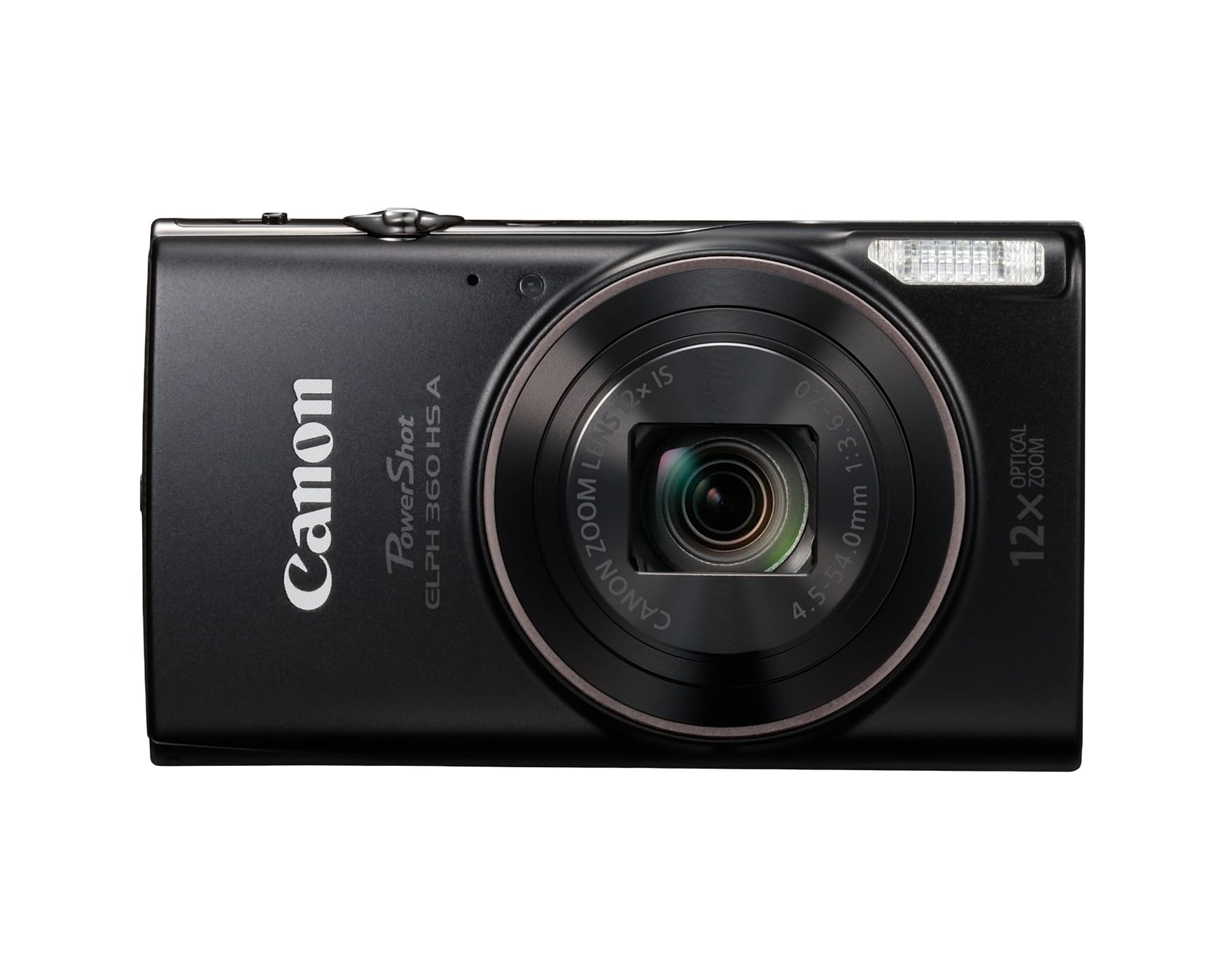
The Canon ELPH 360 HS delivers clear daylight photos and a 12x zoom that outpaces most phone cameras, all in a body that slips easily into a pocket or small bag. The missing flash means indoor shots depend on available light, making it best suited for daytime or well-lit scenes. This camera works well for outdoor vacation snaps and family outings where a compact zoom is more useful than a flash.

Bottom line: This camera fits best for travelers who shoot outdoors in good light and need a pocketable zoom, provided they can work without a flash.

7

Nikon P950

Nikon P950

Wildlife photography

Our Score 9.0/10
Check Price

Worth Noting

  • Autofocus can be slow and hunt at the extreme telephoto end, especially for birds in flight.
  • A small number of units have shown unexpected operational problems over time.
Size
Bulky (bridge camera)
Video Max
4K UHD
Sensor Type
1/2.3-inch CMOS
Optical Zoom
83x (24-2000mm)

This bridge camera delivers an extraordinary 83x zoom (24-2000mm equivalent) with image stabilization and scene modes tailored for birds and the moon, making it a specialized tool for wildlife and celestial photography. However, the large and heavy body (similar to a DSLR) rules it out for compact everyday carry, and the autofocus can struggle at maximum zoom, particularly with fast-moving subjects. Some units have shown occasional problems, so consider an extended warranty for peace of mind. This is not a casual snapshot camera – it is a niche instrument for dedicated hobbyists willing to trade portability for reach.

Bottom line: Consider this only if your primary subject requires extreme reach – moon photography and distant birding – and you can accept the bulk and autofocus limitations that come with it.

How to Choose

Optical Zoom Range

Zoom is the main reason to buy a point and shoot. A 5x lens covers everyday subjects, while 30x–40x reaches distant stages and wildlife. But beyond 20x, image stabilization becomes critical – without it, hand shake blurs shots. A tripod or optical stabilization (not digital) is needed for sharp telephoto images.

Higher zoom also means heavier lenses. A 40x zoom camera may no longer slip into a pocket, becoming a jacket or bag item. Decide how much reach you actually use before committing to a superzoom.

Sensor Size and Type

All point and shoot cameras in this class use a 1/2.3-inch sensor – roughly the size of a smartphone sensor. BSI (back-side illuminated) sensors, found in Sony and Panasonic models, capture more light in dim conditions. The difference is modest but visible indoors or at dusk.

Don't expect DSLR-level low-light performance. The small sensor limits dynamic range and noise control. For well-lit daytime photos, any of these cameras deliver acceptable quality.

Video Resolution

4K video offers more detail and cropping flexibility than 1080p, but it also generates larger files and often triggers overheating on extended clips. Most casual users will be served well by 1080p, especially if they never edit or zoom into footage.

If you vlog or shoot concerts, 4K is worth the premium. But check whether the camera stabilizes 4K adequately – some models crop or degrade stabilization at higher resolutions.

Viewfinder vs LCD

An electronic viewfinder (EVF) is a rare but valuable feature for outdoor shooting. Without one, composing in bright sunlight requires cupping hands around the LCD or relying on the camera's digital level. Only the Sony HX80 and Nikon P950 offer EVFs in this roundup.

If you often shoot at the beach, ski slopes, or midday parks, an EVF is worth the extra cost. Otherwise, a tiltable LCD (like on the Panasonic ZS99) helps reduce glare.

Weight and Pocketability

The trade-off is simple: more zoom equals more bulk. A 5x zoom camera easily fits in a jeans pocket, while a 40x zoom requires a jacket or bag. Bridge cameras like the Nikon P950 weigh as much as a DSLR and demand a dedicated strap or backpack.

Consider where you'll carry the camera. If it stays in a purse or backpack, weight matters less. If you want to clip it to a belt or slip it into a shirt pocket, stick to 30x or below.

Frequently Asked Questions