Computers & Accessories

13 Best Microphone for Podcasting 2026: Pro Audio Without XLR Complexity

Find the right microphone for podcasting: from budget USB kits to premium XLR dynamics. Get the best match for your room and gear.

The most common frustration among new podcasters is background noise – that hiss or hum that ruins an otherwise clean recording. It is rarely a defective microphone; it is the trade-off of using a condenser mic in an untreated room. USB condenser mics are convenient, but they pick up everything around them.

Dynamic XLR microphones solve that problem with superior noise rejection, but they come with hidden costs: an audio interface, a gain booster, and a boom arm. This guide helps you navigate that decision by focusing on your actual recording environment and equipment budget.

We cover the sweet spot: mid-range USB mics that balance sound quality and simplicity, alongside pro XLR options for those ready to invest. The result is a clear path to choosing the microphone that matches your podcasting workflow.

1

HyperX QuadCast 2

Top Pick
HyperX QuadCast 2

Streamers, podcasters

Our Score 9.6/10
Check Price

Worth Noting

  • Background noise pickup may be noticeable in untreated spaces
Type
Condenser
Controls
Tap-to-mute, gain, mute
Connectivity
USB-C
Polar Pattern
Cardioid, Omni, Bidirectional, Stereo

Multi-pattern versatility and plug-and-play USB-C with a built-in shock mount give the QuadCast 2 a clear edge over older USB mics. The condenser capsule delivers clear sound with enough clarity for podcasting, streaming, or recording spoken word, and the tap-to-mute sensor is responsive enough to use mid-sentence.

Background noise rejection is where the tradeoff shows. In untreated rooms, the mic picks up keyboard clicks and ambient hum – this is typical of condenser mics in this range. Positioning the mic close and applying a simple noise gate in your software largely solves it, but it is not a set-and-forget solution for noisy environments.

This mic suits podcasters and streamers who work in a quiet space and want multiple polar patterns (cardioid, bidirectional, omnidirectional, stereo) without buying an interface. If your recording area has persistent background noise like a fan or street traffic, a dynamic XLR mic would be a better fit. The QuadCast 2 assumes a controlled environment to perform its best.

Tip: Use a noise gate in your recording software or position the mic 6-8 inches from your mouth to reduce background bleed.

Bottom line: For podcasters recording in a quiet room, the QuadCast 2 delivers a complete multi-pattern USB package with a built-in shock mount – just be ready to apply a noise gate or position it close to minimize room noise.

2

Shure SM7B

Shure SM7B

Pro podcasters, broadcasters

Our Score 9.6/10
Check Price

Worth Noting

  • Needs a powerful preamp or external booster like a Cloudlifter to reach proper recording levels
Type
Dynamic
Controls
None
Connectivity
XLR
Polar Pattern
Cardioid

The SM7B's dynamic design captures voice with a smooth, warm character that cuts through background noise far better than any USB condenser. That clarity comes with a requirement: you need an XLR interface capable of at least 60dB of gain, and often a Cloudlifter to push the signal cleanly. This is a studio investment for serious broadcasters who already own the supporting gear, not a plug-and-play desktop mic.

Tip: Pair with an audio interface that provides at least 60dB of gain, or add a Cloudlifter, to avoid a low, noisy signal.

Bottom line: The SM7B is right for podcasters who prioritize vocal warmth and already have an interface with sufficient gain. Others should look at lower-cost dynamic alternatives.

3

Rode PodMic

Rode PodMic

Budget podcasters, streamers

Our Score 9.6/10
Check Price

Worth Noting

  • At nearly a kilogram, the PodMic needs a robust boom arm
  • Low output level demands an audio interface with high gain or a separate preamp
Type
Dynamic
Controls
None
Connectivity
XLR
Polar Pattern
Cardioid

The PodMic delivers the warm, focused vocal tone typical of broadcast dynamic mics, competing with pricier options like the SM7B. Its low output level means you'll need an audio interface with at least 60 dB of gain — a Cloudlifter may help. At 937g, a sturdy boom arm is essential. This is the right pick for podcasters and streamers who already own an XLR interface and want professional sound without the high cost.

Tip: A Cloudlifter or high-gain interface helps overcome the low output level.

Bottom line: For podcasters with existing XLR gear, the PodMic delivers pro sound without the pro price tag.

4

Blue Yeti

Blue Yeti

Beginner podcasters, streamers

Our Score 9.2/10
Check Price

Worth Noting

  • In untreated rooms, background noise and a low-level hiss may be audible - requires careful gain adjustment
  • MicroUSB port can loosen with repeated cable insertions over months of use
Type
Condenser
Controls
Blue VO!CE software
Connectivity
USB
Polar Pattern
Cardioid, Omni, Bidirectional, Stereo

Four-pattern versatility and the Blue VO!CE software ecosystem give the Blue Yeti a flexibility that few USB mics match, making it a strong tool for podcasters who want to switch between solo episodes and interviews. In quieter rooms, its clarity shines, but background noise pickup and a microUSB port that can loosen over time mean it suits creators with a controlled environment and a tolerance for cable care.

Tip: Position the mic close to your mouth and set gain low to reduce background hiss - a noise gate in your DAW also helps.

Bottom line: If you need multi-pattern recording and don't mind managing room acoustics, the Yeti delivers; for a more durable USB-C alternative, the top pick is worth the extra.

5

FIFINE T669

FIFINE T669

Budget streamers, gamers

Our Score 9.2/10
Check Price

Worth Noting

Type
Condenser
Controls
Mute, gain
Connectivity
USB
Polar Pattern
Cardioid

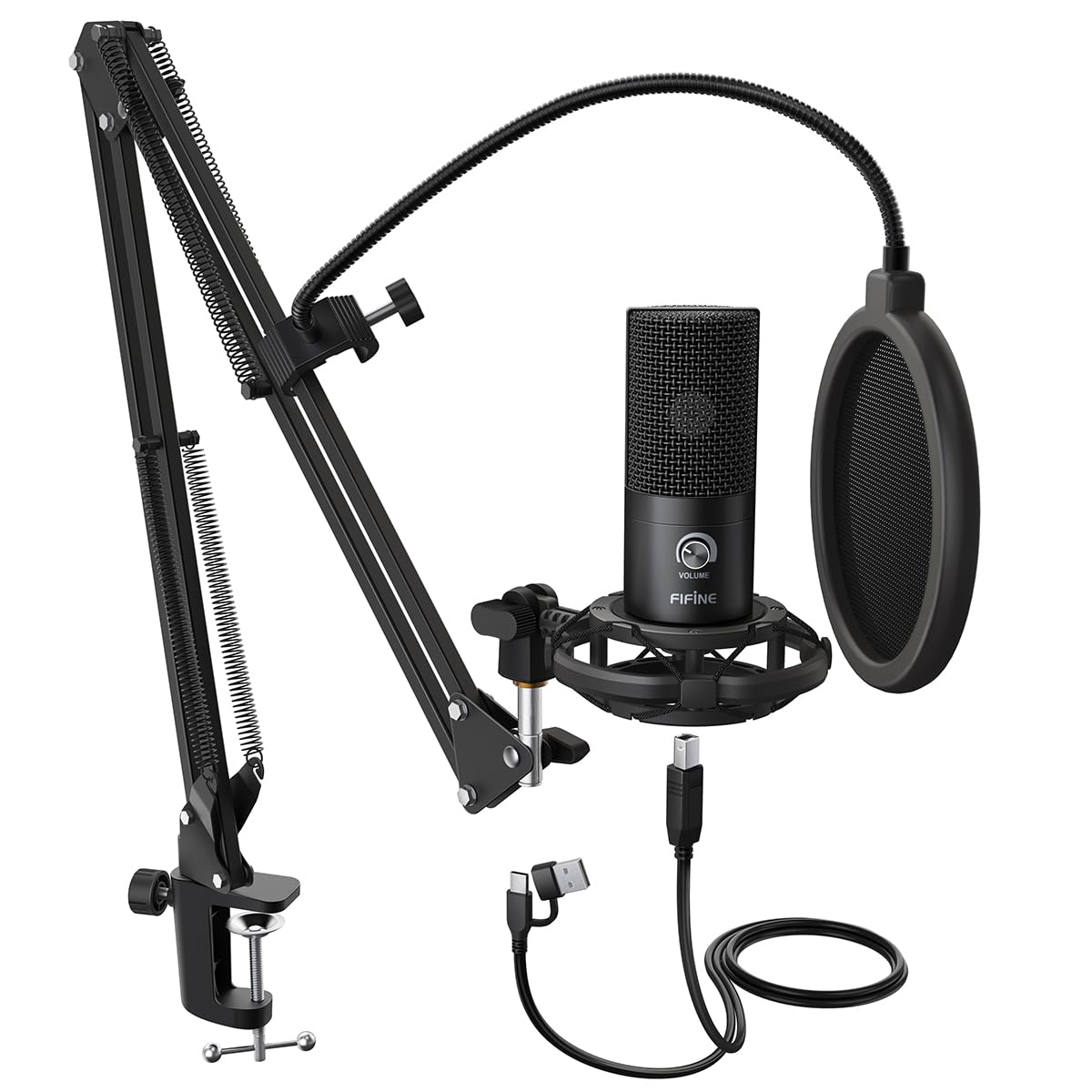
The FIFINE T669 kit provides a complete starter package: USB condenser mic, boom arm, shock mount, and pop filter, delivering clear vocal capture for spoken word. Unlike the top pick's multi-pattern versatility, this cardioid mic is best used in quiet rooms where background noise can be controlled. The included boom arm and clamp may loosen over several months, and the condenser design picks up ambient sounds - acceptable tradeoffs for budget-conscious podcasters who prioritize cost over longevity.

tip: Use a noise gate or speak close to the mic to minimize background pickup.

Bottom line: If you have a quiet room and need the most affordable complete setup to start podcasting, this kit is a practical choice.

6

Elgato Wave:3 MK.2

Elgato Wave:3 MK.2

Streamers, podcasters

Our Score 9.4/10
Check Price

Worth Noting

  • Some units may develop issues after a few months of use.
Type
Condenser
Controls
DSP, EQ, compressor
Connectivity
USB-C
Polar Pattern
Super Cardioid

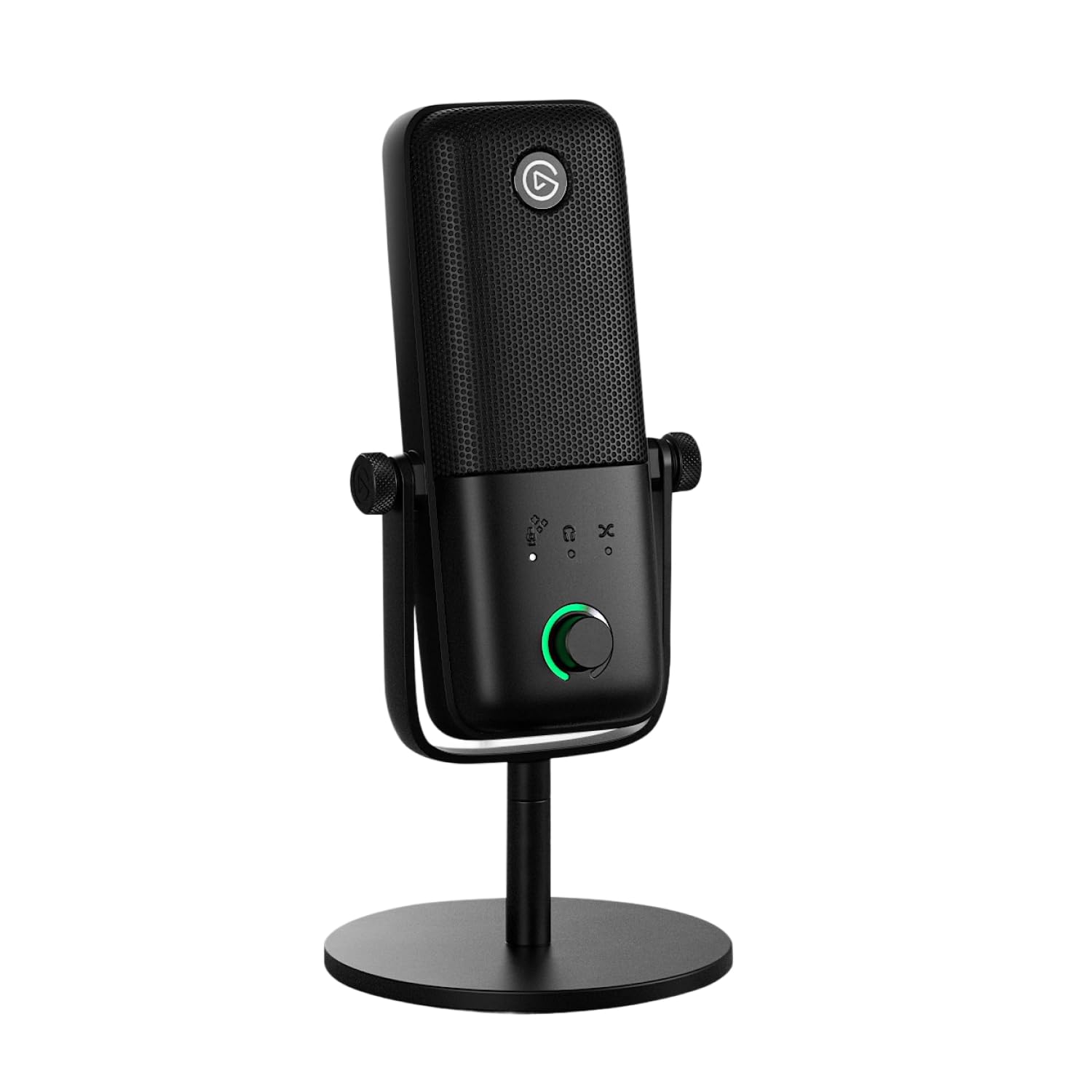
The Elgato Wave:3 MK.2 delivers clear, professional-grade audio with onboard DSP effects and Clipguard distortion prevention, making it a strong choice for streamers who want software-driven control. However, its price is higher than the top pick, and a subset of units may develop issues after a few months of use, affecting long-term confidence.

Bottom line: A capable USB mic for creators who want onboard DSP and are willing to accept some durability uncertainty over a simpler plug-and-play option.

7

Audio-Technica AT2020

Audio-Technica AT2020

Home studio, podcasters

Our Score 9.4/10
Check Price

Worth Noting

  • Does not include XLR cable, stand, or any accessories
Type
Condenser
Controls
None
Connectivity
XLR
Polar Pattern
Cardioid

The AT2020 delivers studio-grade clarity for vocals and acoustic instruments at a cost-effective price, built with a rugged all-metal body. It is not a complete package — you will need to buy an XLR cable, stand, and audio interface separately. Its condenser design picks up background noise, so a treated room or close-mic technique is necessary.

Bottom line: Ideal for podcasters or home studio vocalists who already own an XLR interface and can control room acoustics — factor in $30-50 for a cable, stand, and shock mount.

8

Shure SM58-LC

Shure SM58-LC

Live, budget podcasters

Our Score 9.6/10
Check Price

Worth Noting

  • Designed for handheld use
Type
Dynamic
Controls
None
Connectivity
XLR
Polar Pattern
Cardioid

The SM58-LC delivers the warm vocal clarity and rugged build that have made it a live sound staple. For podcasters, its XLR requirement and handheld form mean you'll need an audio interface and a desk stand — not a plug-and-play USB solution. It's a cost-effective choice if you already own XLR gear and prioritize background noise rejection over desktop convenience.

Bottom line: Best for live performers and podcasters who already have an audio interface and want a bulletproof dynamic mic with legendary sound quality.

9

HyperX SoloCast

HyperX SoloCast

Gamers, streamers

Our Score 9.2/10
Check Price

Worth Noting

  • Picks up background noise in untreated rooms
Type
Condenser
Controls
Tap-to-mute
Connectivity
USB-C
Polar Pattern
Cardioid

The SoloCast delivers clear vocal pickup for podcasting in a compact, plug-and-play package. Its tap-to-mute sensor is a standout for quick silencing during streams or recordings. However, it is limited to cardioid only and its noise handling is average – background noise from keyboards or room echo will be present without a quiet space or software filters. This places it a step below multi-pattern USB mics like the QuadCast 2, making it a solid option for solo podcasters who can control their environment.

Bottom line: A suitable entry-level USB mic for solo podcasters in a quiet room who don't need multi-pattern options or advanced noise rejection.

10

FIFINE AM8

FIFINE AM8

Budget podcasters, gamers

Our Score 9.2/10
Check Price

Worth Noting

  • Reliability can vary
Type
Dynamic
Controls
Mute, headphone jack
Connectivity
USB / XLR
Polar Pattern
Cardioid

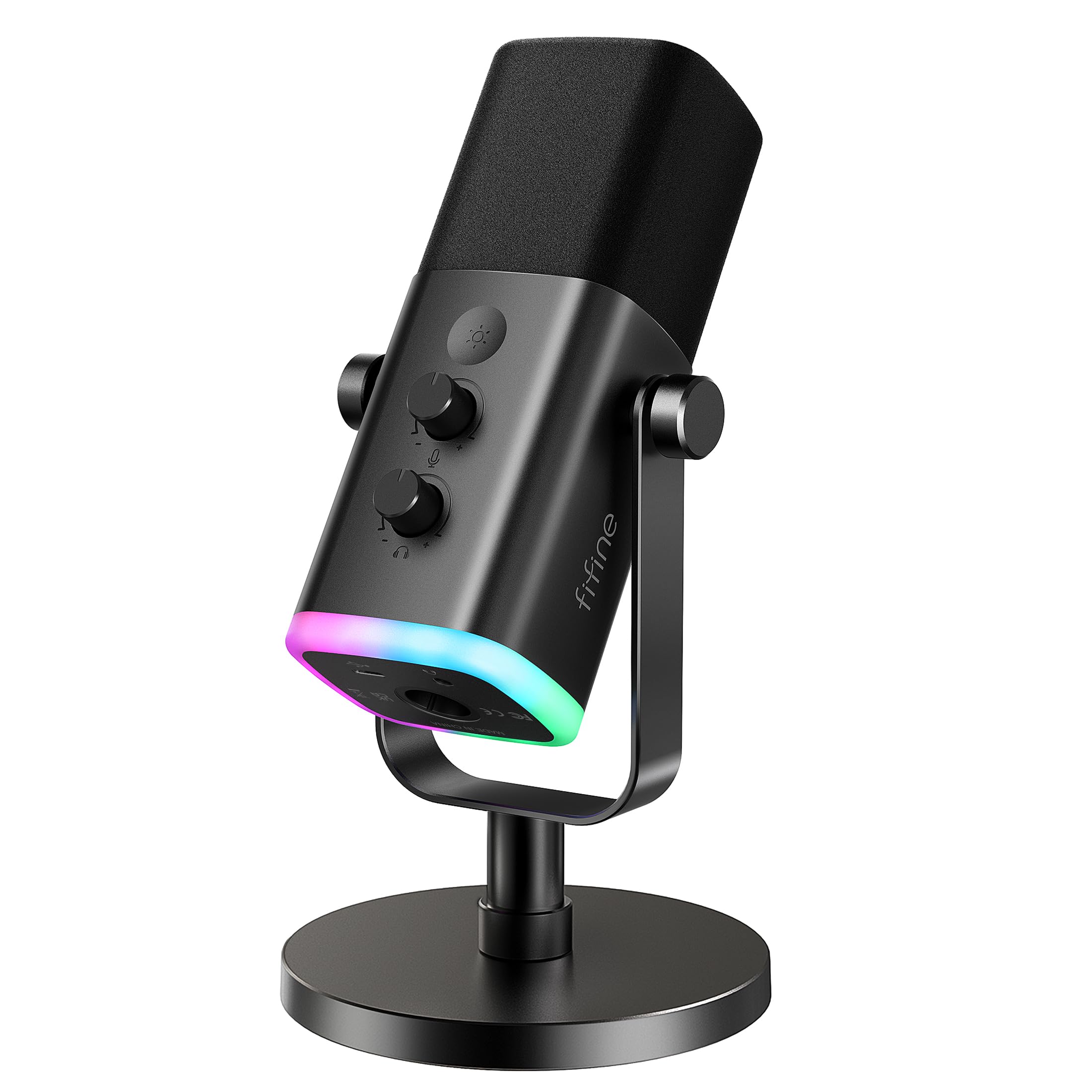
The FIFINE AM8 delivers clear, professional sound with good background noise rejection thanks to its dynamic design – a rarity at this entry-level price. The dual USB/XLR ports offer a practical upgrade path, though the RGB lighting and mute button only function in USB mode. Build quality varies: some units may develop issues after a few months, so this mic suits budget-conscious podcasters willing to accept some unit variance in exchange for an all-in-one starter setup.

Bottom line: A cost-effective entry point for podcasters who want to test dynamic mics and eventually move to XLR, provided you're comfortable with possible quality variance.

11

FIFINE A6V

FIFINE A6V

Beginners, students

Our Score 9.0/10
Check Price

Worth Noting

  • Picks up background noise in untreated rooms
Type
Condenser
Controls
Mute, gain, RGB
Connectivity
USB
Polar Pattern
Cardioid

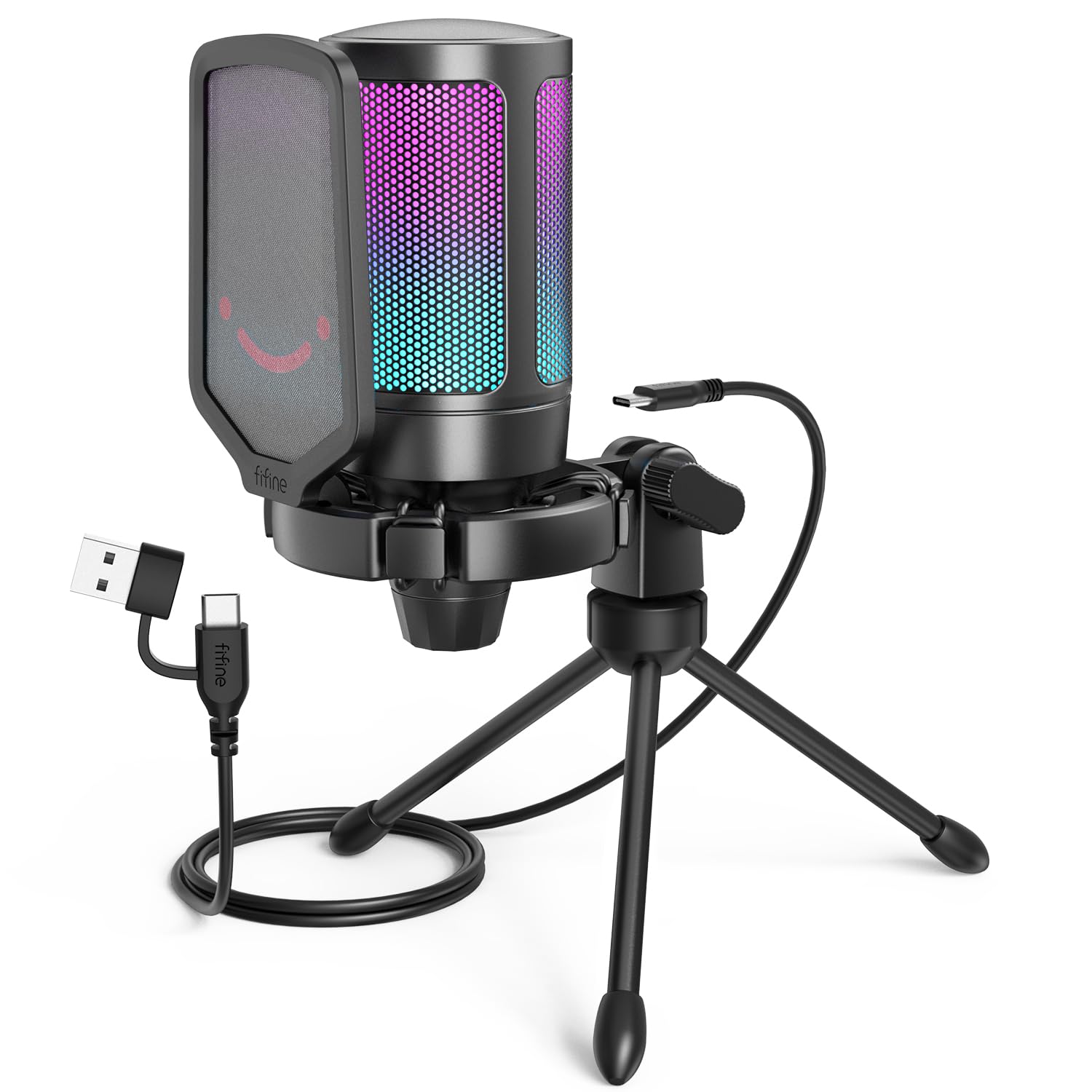
The FIFINE A6V delivers surprisingly clear sound for under $30, making it a viable starter mic for podcasting on a tight budget. Setup is plug-and-play with RGB lighting that adds a gaming vibe. However, as a condenser, it will pick up background noise in untreated rooms, and some units may not hold up long-term — both typical trade-offs at this price point.

Bottom line: Best for first-time podcasters with quiet spaces and a tight budget, not for serious audio quality or noisy rooms.

12

Blue Yeti Nano

Blue Yeti Nano

Travel, small desks

Our Score 9.2/10
Check Price

Worth Noting

  • USB port may become unreliable or stop functioning over time
Type
Condenser
Controls
Mute, gain
Connectivity
USB
Polar Pattern
Cardioid / Omnidirectional

The Blue Yeti Nano packs good sound quality into a small, travel-friendly body – its cardioid pattern captures voice with enough clarity for podcasting on the go. However, the USB port has been noted to cause intermittent disconnections or stop working entirely in some units, making it a better fit for light-duty or backup use rather than daily heavy recording.

Bottom line: Best for podcasters who need a portable mic and can accept the occasional USB glitch – not the pick for daily heavy use without a backup plan.

13

FIFINE AM8T

FIFINE AM8T

Budget podcasters, streamers

Our Score 9.2/10
Check Price

Worth Noting

  • Some units may stop working after several months; the boom arm can feel flimsy
Type
Dynamic
Controls
Mute, headphone jack
Connectivity
USB / XLR
Polar Pattern
Cardioid

The FIFINE AM8T delivers clear, warm vocal pickup with solid background noise rejection thanks to its dynamic capsule, making it a practical choice for podcasters in untreated rooms. The kit includes a boom arm and cable, and the dual USB/XLR connectivity lets beginners start with USB and later move to an XLR interface. However, some units may stop working after months of use, and the included boom arm can feel flimsy under heavier mics or frequent adjustments. This setup works best for someone who wants to try dynamic mic recording on a tight budget and is willing to accept possible accessory or long-term durability trade-offs.

Bottom line: A low-cost entry to dynamic mics for someone who prioritizes immediate affordability and noise rejection over long-term build confidence.

How to Choose

Connectivity: USB vs XLR

USB mics plug directly into your computer with no extra gear – true plug-and-play. XLR mics require an audio interface or mixer, adding $100–$200 to your setup cost. The trade-off: USB is simple but limits upgradeability; XLR gives you cleaner signal paths and the option to add compressors, EQs, or multiple mics.

If you record solo and never plan to expand, USB is fine. If you want to run multiple podcast guests or need pristine audio for broadcast, XLR pays off over time.

Polar Pattern: Cardioid vs Multi-Pattern

A cardioid pattern picks up sound from the front and rejects sound from the sides and rear – ideal for solo podcasting. Multi-pattern mics let you switch between cardioid, omnidirectional (360-degree), bidirectional (front and back), and stereo. The hidden cost: multi-pattern mics are typically condenser types, so they pick up more ambient noise in untreated rooms.

If you do solo shows, stick with cardioid. If you host interviews or want to record two people face-to-face, a multi-pattern mic with a bidirectional option saves you from buying a second mic.

Microphone Type: Condenser vs Dynamic

Condenser mics are sensitive and capture detail – they hear every breath, desk tap, and fan hum. Dynamic mics are less sensitive and naturally reject background noise, making them the go-to for untreated rooms. The trade-off: dynamic mics need more gain (typically 50–60 dB) from your interface or preamp, while condensers work fine with standard USB power.

If your recording space is quiet and treated, a condenser gives you the widest frequency response. If you have a noisy environment (PC fans, outside traffic), a dynamic mic reduces post-production work dramatically.

Signal-to-Noise Ratio

SNR measures how much noise the microphone itself generates internally. A higher number (e.g., 80 dB vs 65 dB) means the mic adds less hiss to your recording. However, this spec is easily misleading: a high SNR condenser in a noisy room will still pick up external noise. The number only matters when comparing mics of the same type in a controlled environment.

Ignore SNR as a primary buying factor. Focus on mic type and environment first – a dynamic mic with 60 dB SNR in a real-world room often sounds cleaner than a condenser with 100 dB SNR.

Onboard Controls

Physical controls like gain, mute, and headphone monitoring save you from diving into software mid-session. USB mics often include these; XLR mics rarely do. A tap-to-mute sensor or mute button is especially useful for podcasters who need to cough or adjust equipment without cutting audio.

If you prefer to control everything from your soundboard or DAW, onboard controls are unnecessary. But for quick adjustments during live streams or unscripted episodes, they are a real time-saver.

Frequently Asked Questions