Cameras & Photography

4 Best Instant Camera of 2026: Save Money on Film Costs

Which instant camera delivers the fun without wasting film? This guide helps you choose between analog simplicity and hybrid flexibility to match your budget and photo habits.

Instant cameras promise instant nostalgia, but many buyers find their prints come out blurry or overexposed. Combined with the high cost of film packs, a playful purchase can quickly become a money pit. The real challenge isn't finding a camera—it's finding one that consistently delivers good results without wasting film.

The market offers two approaches: simple analog models that shoot without preview, and hybrid cameras that let you review and edit before printing. The right choice depends on your tolerance for imperfect prints and your budget for ongoing film. This guide matches you with the camera that aligns with your habits and expectations.

1

Fujifilm Instax Mini EVO

Top Pick
Fujifilm Instax Mini EVO

Creative hybrid users

Our Score 9.2/10
Check Price

Worth Noting

  • Price point may give cost-conscious buyers pause compared to simpler Instax models.
  • Battery or screen issues have been noted in a minority of units after extended use.
Camera Type
Hybrid
Ease of Use
Easy for all ages
Film Format
Instax Mini
Creative Controls
100 effects, Bluetooth, app

The Instax Mini EVO is the most feature-rich instant camera in Fujifilm's lineup, blending a digital sensor with instant film output. Its 2-inch LCD screen lets you preview and select shots before printing, eliminating the guesswork and wasted film typical of analog models. With 10 lens effects and 10 film effects — totaling 100 combinations — you can dial in everything from vintage vignettes to vivid monochrome without needing an editing app.

Print quality holds up well across both camera-captured and smartphone-imported images, with consistent color reproduction and sharpness for the Instax Mini format. Bluetooth connectivity makes it simple to print from a phone, and the accompanying app offers basic editing and framing tools. On the durability front, a minority of units may develop battery or screen anomalies after several months of use — a note to keep warranty information handy rather than a reason to avoid the model outright.

This hybrid is best suited for creative users who enjoy experimenting with effects and want the convenience of printing from their phone. It also appeals to social media sharers who like to hand out physical copies of digital memories. It is not ideal for analog purists who prefer fully manual controls, nor for budget buyers who cannot justify the mid-range price. Quality control can vary, so checking the warranty terms is sensible.

Tip: Register your camera and keep the receipt — if battery or screen anomalies appear, warranty coverage can address them.

Bottom line: For anyone who wants the creative freedom of 100 effects plus the flexibility of printing digital photos, the Instax Mini EVO is the most practical choice in the hybrid instant camera market.
2

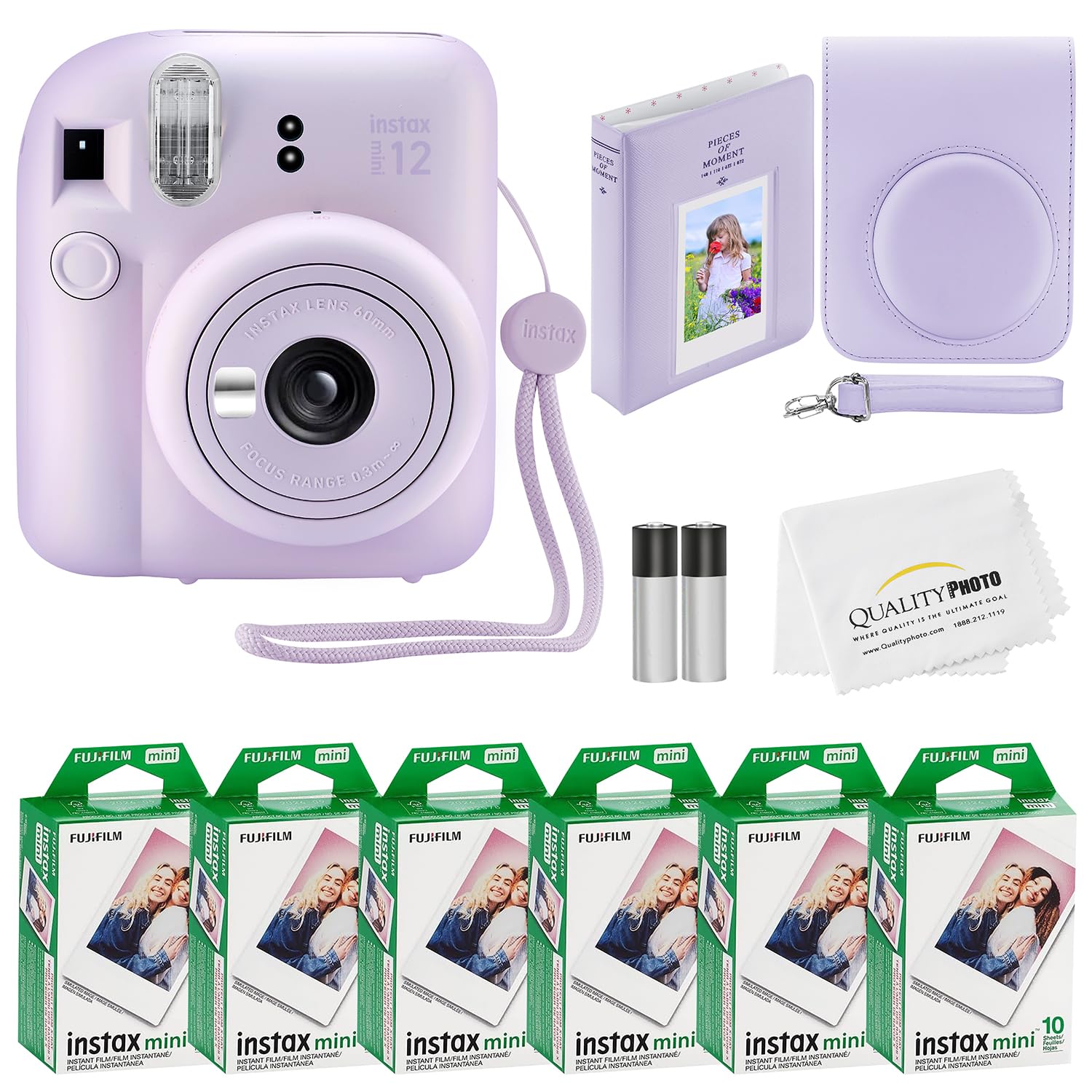
Fujifilm Instax Mini 12 Bundle

Fujifilm Instax Mini 12 Bundle

First-time buyers

Our Score 9.4/10
Check Price

Worth Noting

  • Inconsistent picture quality: images can be overexposed or blurry, especially in bright sunlight
  • Ongoing film refills are costly, making each print expensive over time
Camera Type
Analog
Ease of Use
Very easy, ideal for kids
Film Format
Instax Mini
Creative Controls
None (automatic)

The Fujifilm Instax Mini 12 Bundle stands out as the most complete instant camera kit for first-time buyers, bundling 60 film sheets with a camera that requires no setup beyond inserting batteries and loading film. Compared to the model with digital previews and creative effects, this one sticks to pure analog simplicity — press the button and get a print.

This kit is best for children, teens, and party hosts who want instant prints without fuss. However, picture quality can be overexposed or blurry in bright conditions, and refill film packs push the ongoing cost higher than the bundle's initial price suggests. If you need consistent image quality or shoot frequently, the per-print expense adds up.

The included film pack of 60 prints significantly offsets the per-shot cost compared to buying the camera and film separately, making this a cost-effective entry point. The limited manual control means you trade creative freedom for ease of use — no settings to adjust, just point and shoot.

d Tip: Use the close-up lens mode for subjects within arm's reach and avoid harsh sunlight to reduce the chance of overexposure.

Bottom line: This bundle delivers exactly what it promises: a fun, easy instant camera with plenty of film to start. It suits casual users who value convenience over image perfection.

3

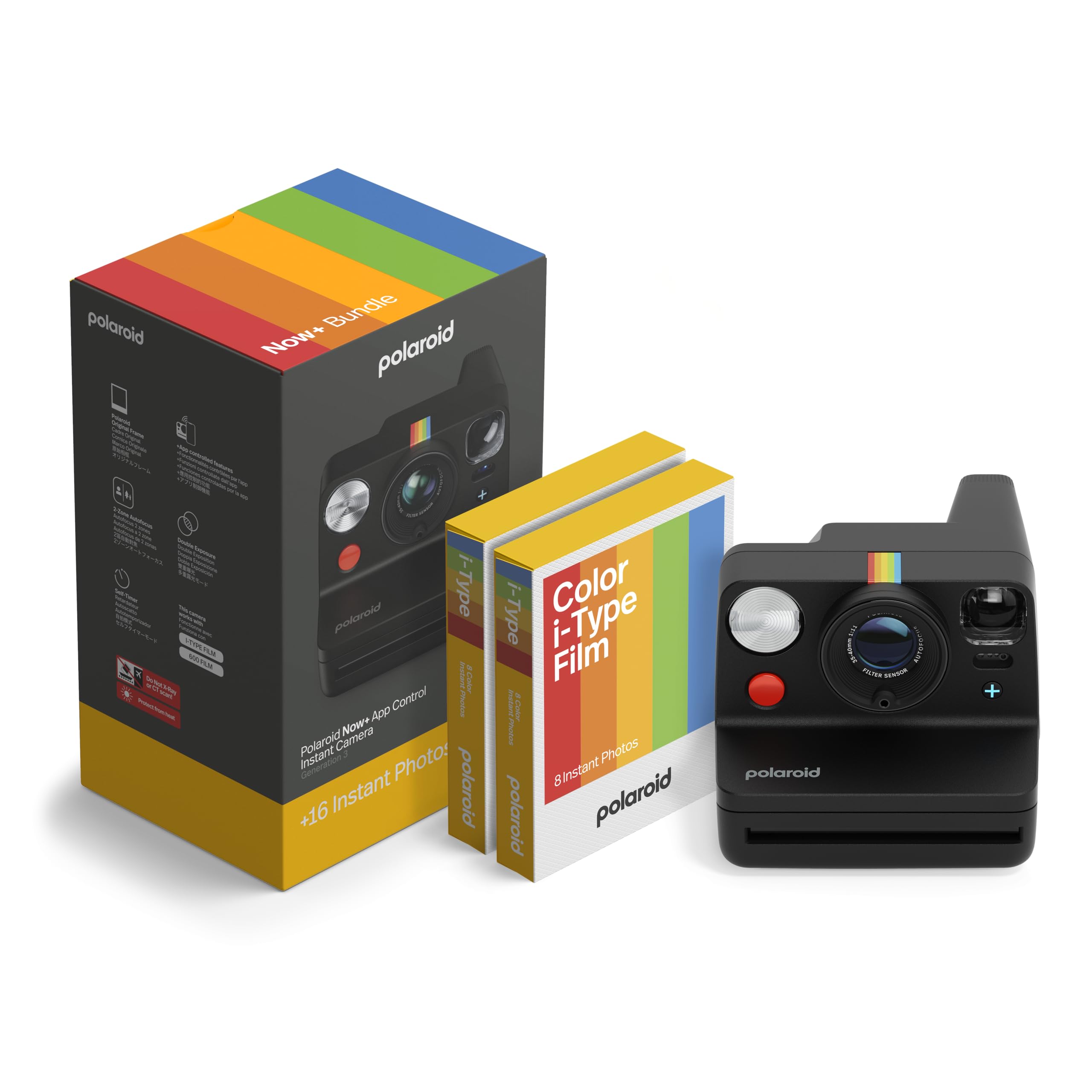
Polaroid Now+ Gen 3

Polaroid Now+ Gen 3

Polaroid fans

Our Score 9.0/10
Check Price

Worth Noting

  • Battery life may require mid-session charging for users who shoot more than 15 packs at a stretch.
  • Full-size Polaroid film is pricier per print than Instax mini film, raising long-term costs.
Camera Type
Analog with app
Ease of Use
App adds complexity
Film Format
Polaroid i-Type/600
Creative Controls
App manual, double exposure

The Polaroid Now+ Gen 3 is the only full-size instant camera with Bluetooth app control, offering manual settings, double exposure, and a self-timer through your phone. It uses standard i-Type and 600 film, produces the classic 3.1x3.1 inch prints, and charges via USB-C (rated for up to 15 film packs per charge). Autofocus and a tripod mount are included, making it a more capable tool than basic Polaroid models.

This camera is best for Polaroid fans who want modern connectivity and hands-on creative control over their analog prints. It suits users comfortable with app-based adjustments who value full-size results over the smaller Instax format. However, because no user review data is yet available, the day-to-day reliability and image consistency remain unverified – early adopters should purchase with that awareness.

Tip: Keep a USB-C cable handy for extended shoots – charging is quick, so a short break can replenish enough for another pack or two.

Bottom line: If you want a full-size Polaroid with app-driven creative controls and don't mind being an early adopter without community feedback, this is the most feature-packed option available.

4

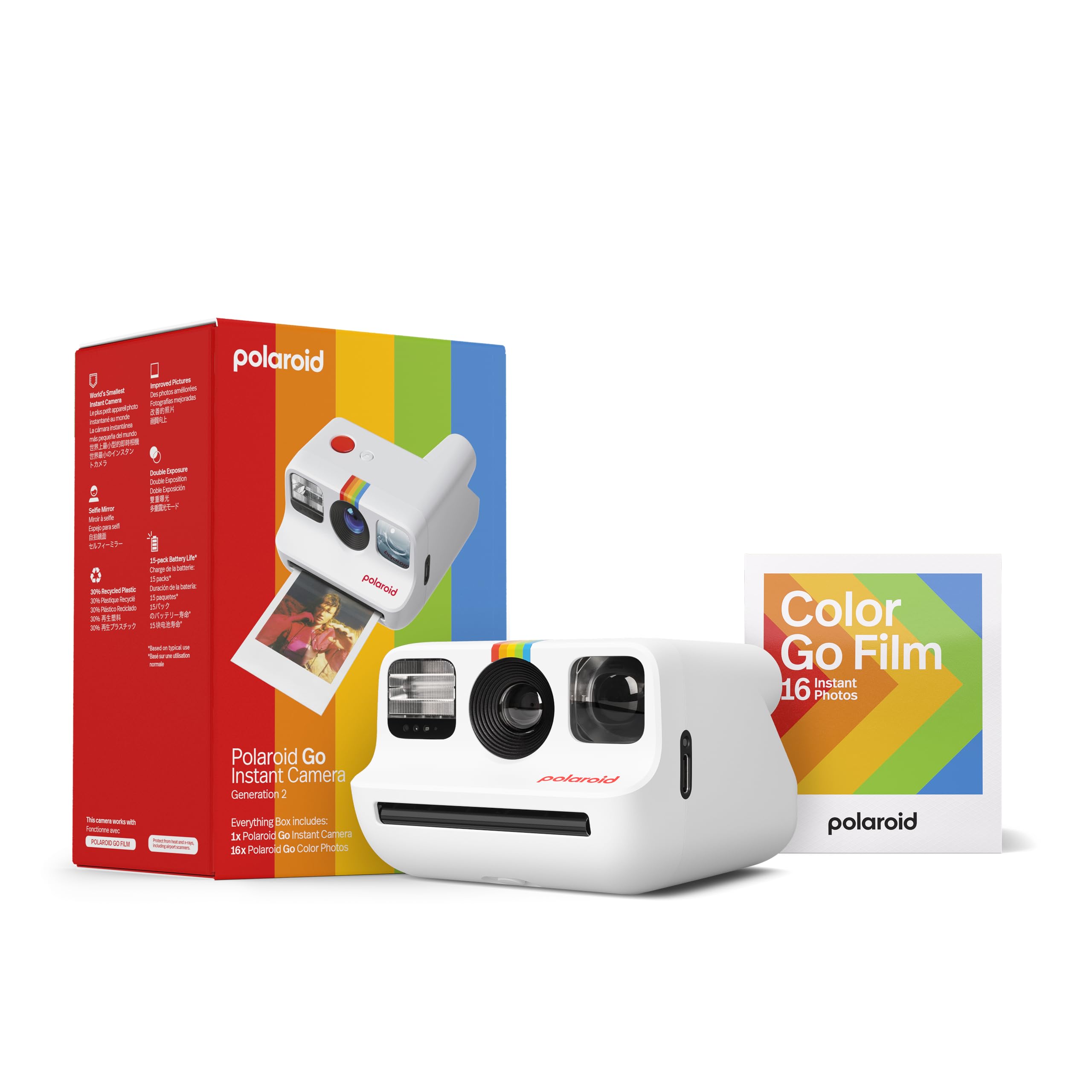
Polaroid Go Gen 2

Polaroid Go Gen 2

Travelers

Our Score 8.4/10
Check Price

Worth Noting

  • Polaroid Go prints are about the size of a credit card
  • No digital preview means wasted film during learning
Camera Type
Analog
Ease of Use
Compact, simple
Film Format
Polaroid Go
Creative Controls
Double exposure, self-timer

The Polaroid Go Gen 2 packs a full instant-film experience into a body smaller than a deck of cards, and its USB-C charging eliminates the need for disposable batteries. Where the top pick blends digital preview with analog output, this camera is pure film — each shot is a surprise until it develops. The tradeoff for that tiny silhouette is a small print format: Polaroid Go film produces postage-stamp sized images that suit albums or gift tags more than wall display.

This camera fits travelers who value pocketability above all else and Polaroid loyalists who want the brand’s signature look on a budget. The lack of buyer feedback means performance and consistency are unconfirmed — early adopters should go in aware that long-term reliability hasn’t been verified by the community. For those who enjoy the gamble of analog and prioritize portability, the Go Gen 2 delivers on its compact promise.

Tip: Charge after each day out — the battery lasts about 15 packs, enough for a weekend trip.

Bottom line: If you want the most portable analog instant camera and accept that its track record is unverified, this is the only option at this size.

How to Choose

Film Format: Size Matters

Instax Mini film is the most common and affordable, producing credit-card-sized prints. Polaroid film is larger (about 3x3 inches) but costs more per shot. Instax Wide offers the biggest print at the highest price per image. Choose Mini for pocket-friendly sharing, Wide for group shots and wall displays, and Polaroid for that classic larger aesthetic.

Analog vs Hybrid: The Preview Trade-off

Analog models shoot blind—you press the shutter and wait for the print to develop. Hybrid cameras have a digital screen that lets you preview, edit, and choose which shots to print. Hybrids save film because you only print the keepers, but they add electronics that can fail over time. Buyers who prioritize consistency and lower waste should lean hybrid.

Ease of Use: Simple or Feature-Rich

Analog cameras are point-and-shoot with no menus—great for kids, parties, and casual use. Hybrids introduce buttons, apps, and settings that can confuse non-tech-savvy users. If the camera is for a child or a gift recipient who wants zero learning curve, an analog Instax is the safer bet. For creative users who enjoy tweaking effects, hybrid offers more.

Image Quality: Accepting Imperfection

Instant film has inherent limitations: exposure varies with lighting, colors shift, and sharpness is soft. Even the best models produce blurry or overexposed shots in bright sun or dim rooms. Hybrids help by letting you delete bad shots before printing, but the underlying film constraints remain. Manage expectations—these are nostalgic keepsakes, not portraits.

Creative Controls: Filters and Effects

Some models offer double exposure, color filters, and exposure compensation. Hybrids like the Mini EVO give you 100 virtual combinations of lens and film effects. These features add fun but aren't essential for casual users. If you enjoy experimenting, creative controls turn each print into a unique piece. If you just want a quick souvenir, automatic mode is fine.

Frequently Asked Questions