Tools & DIY

11 Best Cordless Soldering Iron 2026: Power That Matches Your Tasks

Which cordless soldering iron – butane, USB-C, or battery adapter – actually delivers consistent heat for your electronics projects? Find the right tool for short bursts or all-day field work.

Many cordless soldering irons promise freedom from outlets but deliver inconsistent heat or finicky ignitions. The source of power – butane, USB-C rechargeable, or tool-system battery – determines how well the tool matches your actual soldering tasks.

Butane models offer extreme portability and multi-function heat, but their ignition systems often fail after a few months. USB-C pens heat instantly and intelligently, yet struggle on larger joints. Battery adapters for tool systems provide unlimited runtime if you already own the batteries, but add bulk.

This guide focuses on matching your work style to the right power source, cutting through specs to highlight real-world heat consistency and durability – so you can solder with confidence whether at a bench or in the field.

1

Milwaukee M12 2488-20

Top Pick
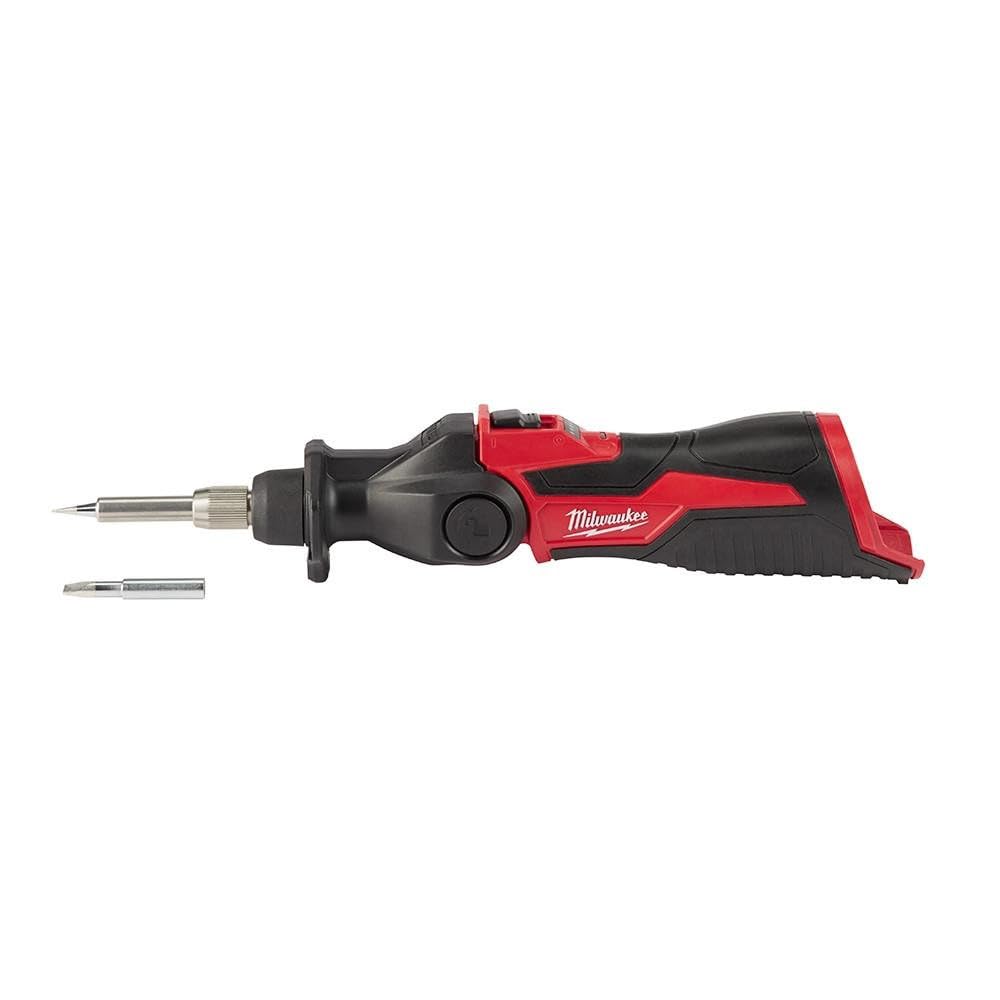
Milwaukee M12 2488-20

Professional field use

Our Score 9.4/10
Check Price

Worth Noting

  • Small 1.5 or 2.0Ah batteries drain quickly; a 3.0Ah or larger pack is needed for steady work
  • Attaching a bigger battery makes the iron heavier and less nimble for delicate soldering
Tips
Pivoting head
Temp Range
Up to 750°F
Power Source
M12 Battery

The Milwaukee M12 soldering iron reaches working temperature in 18 seconds and holds it steady even on larger joints. The 3-stop pivoting head lets you adjust the angle without shifting your grip — a clear advantage for automotive electrical work and tight compartments where a corded iron or butane torch can't fit.

This is a bare tool, so you need an M12 battery and charger. For tradespeople already in the Milwaukee ecosystem, it's a natural addition. New buyers face a premium upfront cost for the battery — and a 3.0Ah or larger pack is needed to avoid swapping batteries mid-job. The added weight of a big battery is noticeable during fine work, which makes the LEXIVON butane kit a lighter alternative for occasional use.

Tip: Use a 3.0Ah or larger M12 battery for consistent runtime without swapping packs mid-task.

Bottom line: If you already own M12 batteries, this is the most reliable cordless iron for daily field use. New buyers should weigh the battery investment against how often you need portable heat.

2

LEXIVON LX-770 Butane Kit

LEXIVON LX-770 Butane Kit

DIY versatile use

Our Score 9.0/10
Check Price

Worth Noting

  • The built-in igniter may misfire or stop sparking after weeks to months of use.
  • Heating speed can be inconsistent; some units take longer to reach soldering temperature, especially with lower-grade butane.
Tips
7-piece set
Temp Range
1100°F (soldering)
Power Source
Butane

The LEXIVON LX-770 runs up to 75 minutes on a single butane fill and includes seven tips – a soldering tip, hot knife, and heat shrink attachment – making it a complete kit for DIY field work. Portability and ease of use are strong suits for automotive or remote jobs. It suits hobbyists and auto electrical users who need an outlet-free solution. The tradeoff: the igniter can develop spark issues after weeks to months, and heating speed varies with butane quality – using premium fuel helps consistency.

Tip: For best heating consistency, use premium butane and allow a longer warm-up period before soldering.

Bottom line: A cost-effective cordless option for DIYers who need tip variety and portability, but those requiring consistent daily performance should consider the top pick's more robust build.

3

Fanttik T1 Max

Fanttik T1 Max

Hobbyist precision work

Our Score 8.8/10
Check Price

Worth Noting

  • Heating consistency may not hold steady for large or thermally demanding joints
  • Battery life at higher temperature settings can run short during longer repair sessions
Tips
4x C210
Temp Range
390-840°F
Power Source
Battery + USB-C

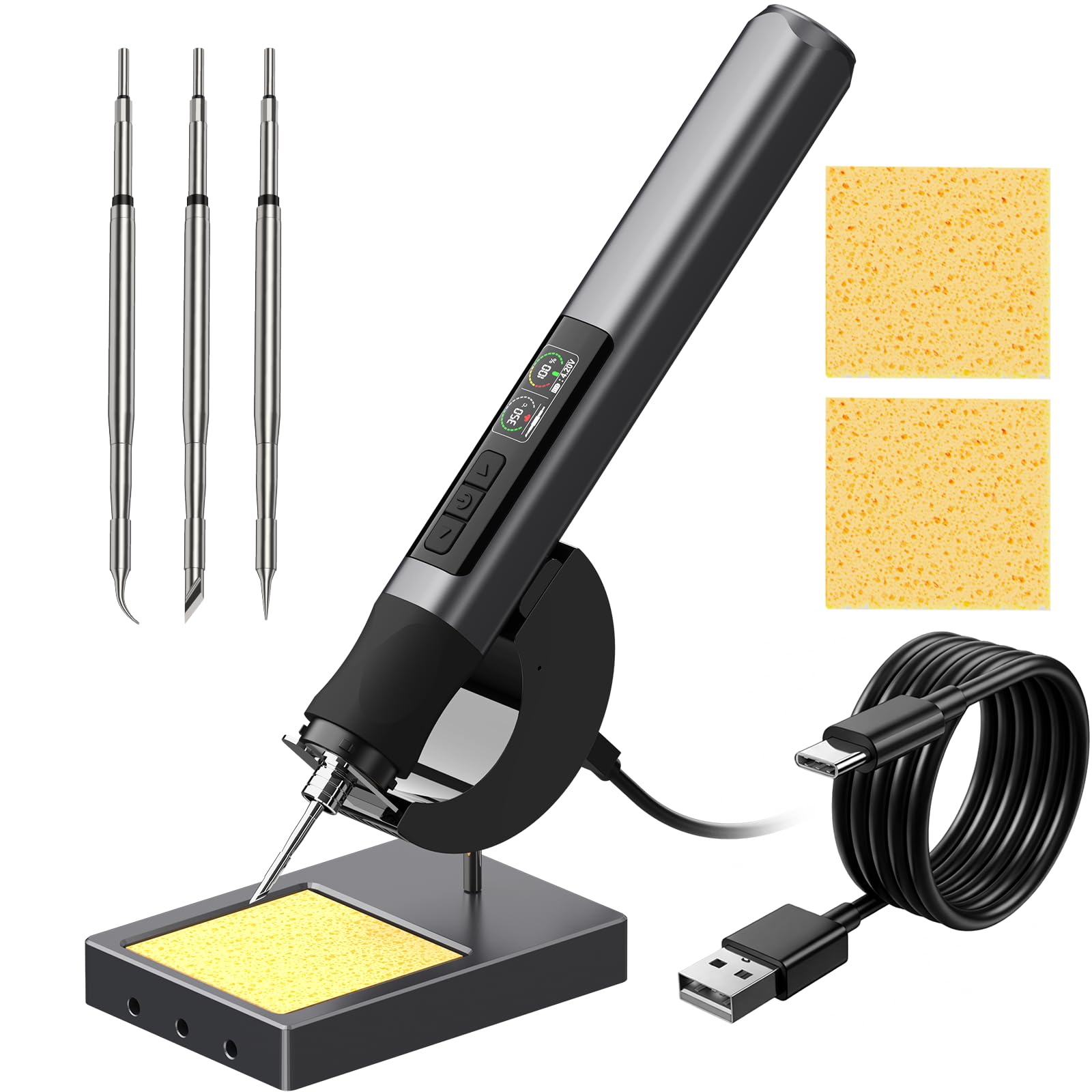
The Fanttik T1 Max reaches 840°F in about 7 seconds and includes a gravity sensor that automatically puts the iron to sleep when set on its 360° swivel stand. The C210 tip system offers four options for detailed work, all powered by a built-in 2600mAh battery or USB-C for wired operation.

This iron suits hobbyists focused on precision electronics like circuit board repair, where its compact pen-like shape and quick heat-up reduce fumbling. Heating consistency can vary between units, and larger joints may require repeated passes. Battery runtime sits around 60 minutes at max temperature — fine for a session at the bench, but less forgiving for extended field use.

Tip: Plug into a USB-C power bank during longer tasks to bypass battery limits and maintain full temperature.

Bottom line: A feature-packed cordless iron for hobbyists who prioritize precision and instant sleep over sustained heavy-duty soldering — bring a USB-C pack if the job runs long.

4

Master UT-100SiK

Master UT-100SiK

Professional durable iron

Our Score 9.2/10
Check Price

Worth Noting

  • Proprietary tips are expensive and need regular replacement.
  • Some units may develop igniter issues after extended use.
Tips
Proprietary
Temp Range
Up to 932°F
Power Source
Butane

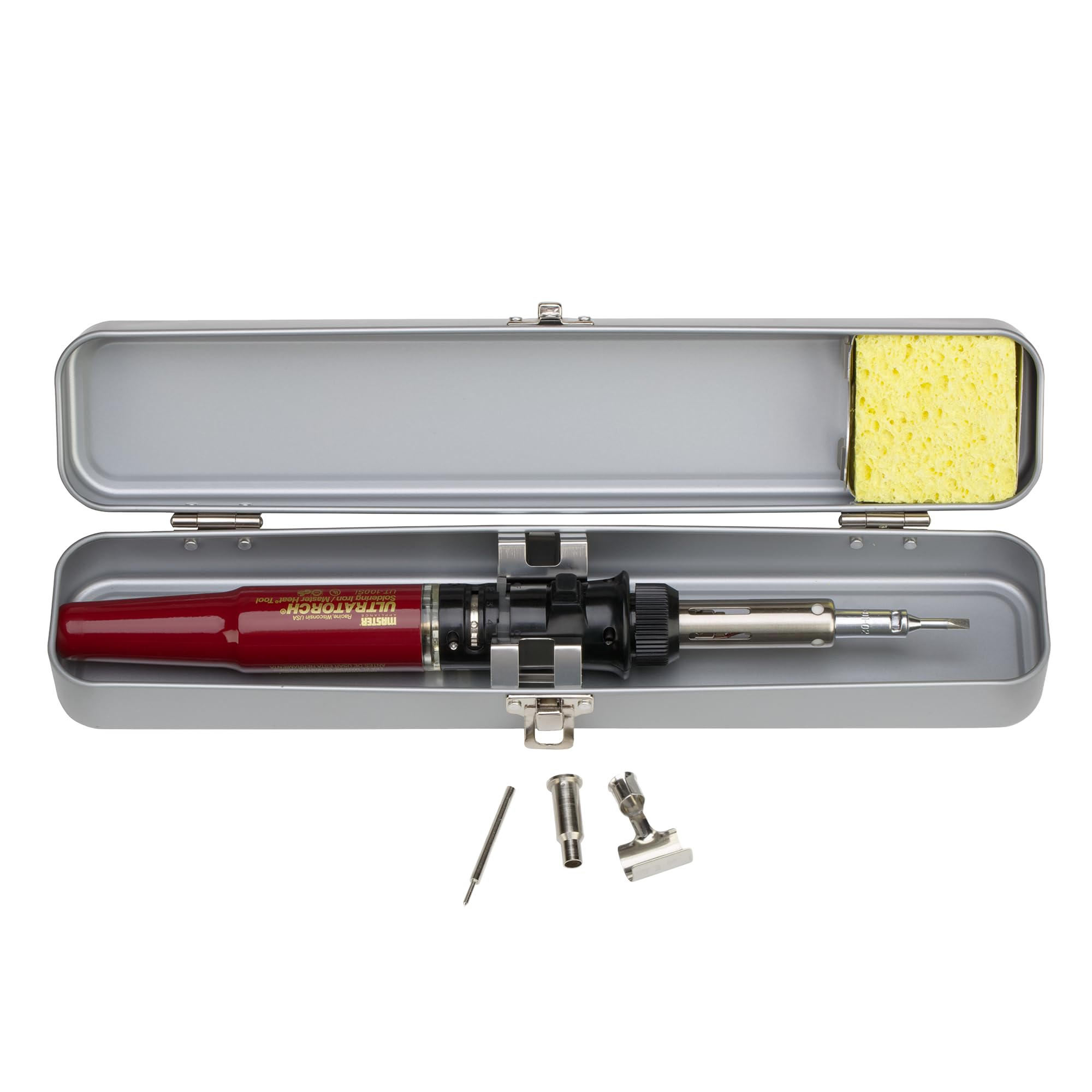
Heats up to soldering temperature in 30 seconds and delivers flameless hot air up to 1202°F, making it a capable 3-in-1 tool for wire connectors and heat shrink. The butane-powered design runs for about 2 hours without a cord, and the metal case protects it in a tool bag.

This USA-made iron is built for professionals who need long-term durability — many units exceed five years of regular use. That reliability comes at a premium purchase price and with proprietary tips that must be replaced as they wear, so occasional users may find the cost hard to justify. Some units may develop igniter issues after extended use, but overall durability is solid.

Tip: Buying a spare tip set upfront can reduce downtime when the working tip eventually wears.

Bottom line: For electricians and technicians who need a cordless soldering iron that can survive years of field use, the UT-100SiK delivers — as long as the ongoing tip cost is factored into the tool budget.

5

Larlarsa USB-C Pen

Larlarsa USB-C Pen

Light electronics repair

Our Score 8.8/10
Check Price

Worth Noting

  • Continuous use is limited to about 10 minutes before recharge is needed.
  • Not powerful enough for larger joints or thick wires; only suitable for small electronics.
Tips
3 tips
Temp Range
500-788°F
Power Source
Battery + USB-C

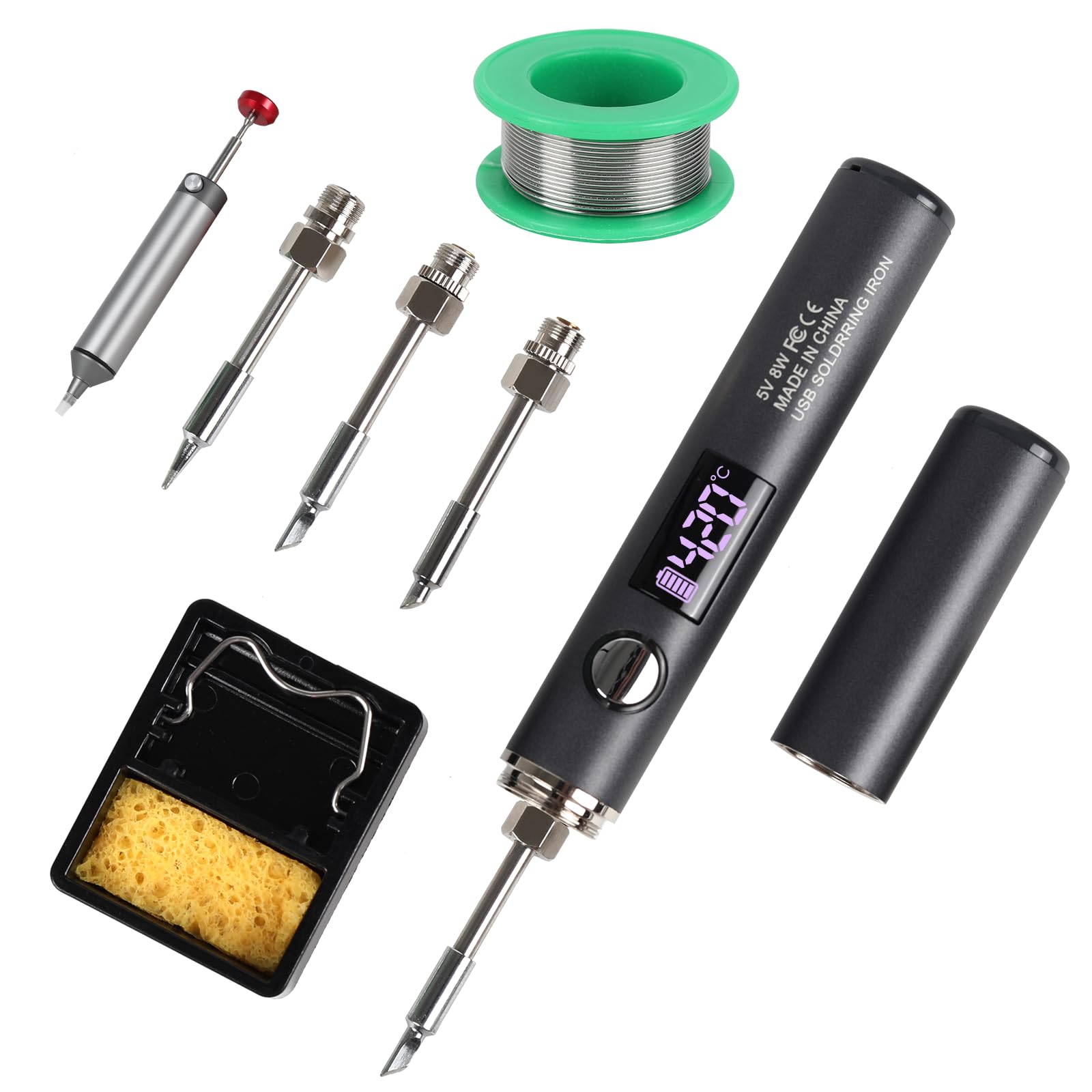
Heats up quickly and holds temperature well for small joints, all in a compact pen that charges via USB-C. The trade-off is about 10 minutes of continuous use — enough for a handful of small connections, but not for sustained work. This suits hobbyists and occasional DIYers who need a cheap, portable iron for field repairs of phones or RC gear, not for large-gauge wires or automotive connectors.

Tip: Charge via USB-C between tasks; the battery recovers quickly for intermittent use.

Bottom line: A capable cordless iron for light work at a very low price — just plan around the short runtime.

6

ANBES XF001 75W PD

ANBES XF001 75W PD

Light electronics repair

Our Score 9.2/10
Check Price

Worth Noting

  • Some units may arrive with broken parts or experience tip failure.
Tips
Temp Range
356-896°F
Power Source
18000mAh + USB-C

This USB-C hybrid combines a battery-powered pen with a 75W wired backup for times when a wall outlet is available. The kit includes everything a beginner needs, heats in seconds, and the LCD displays temperature clearly. However, durability can vary — some units may arrive with damaged parts or experience tip failure after light use, and heating performance on larger joints can be inconsistent. This iron suits occasional hobbyist soldering where portability and wired flexibility are priorities, but it's not built for daily field work.

Bottom line: A capable starter kit for light DIY repairs, best for those who value the option of a 75W wired connection without investing in a premium tool.

7

Berkling BSG-568 Butane

Berkling BSG-568 Butane

Budget heat tool

Our Score 9.0/10
Check Price

Worth Noting

  • Ignition may be inconsistent and tips can wear out sooner than expected.
Tips
2 conical tips
Temp Range
2400°F flame
Power Source
Butane

The Berkling BSG-568 combines soldering, torch, and heat gun functions at a budget-friendly price. It handles wiring and heat shrink in the field with one-handed ease. Ignition can be inconsistent across units and tips may wear quickly, so this suits occasional DIY use rather than frequent or professional work.

Bottom line: A low-cost option for occasional DIY soldering or heat shrink tasks, but skip this if you need consistent performance for regular use.

8

Dremel Versatip 2000

Dremel Versatip 2000

Multi-craft use

Our Score 9.0/10
Check Price

Worth Noting

  • For electronics soldering, tip temperature consistency may vary between uses.
Tips
7 interchangeable
Temp Range
2192°F
Power Source
Butane

The Dremel Versatip 2000 packs seven tips for soldering, wood burning, and cutting, backed by a recognizable brand. But the kit is designed more for crafts than electronics, and user feedback is too sparse to verify soldering performance. It fits best if you need a single butane tool for light soldering and creative projects.

Bottom line: Best for hobbyists who want one tool for light soldering, wood burning, and cutting - not for dedicated PCB repair.

9

Weller PSI100K Butane

Weller PSI100K Butane

Field technicians

Our Score 9.2/10
Check Price

Worth Noting

  • Self-ignition can require manual lighting in some cases
Tips
6-piece kit
Temp Range
1076°F
Power Source
Butane

This butane iron heats quickly and the ceramic element holds temperature well for field repairs. However, the self-ignition system can be temperamental, and the premium price does not guarantee a long service life when compared to simpler butane models with fewer ignition parts. For technicians who value brand name and need a backup iron for occasional use, the Weller kit makes sense but it is not the most consistent daily driver.

Bottom line: Best suited as a backup butane iron for field technicians who prioritize brand name over price and are willing to work around occasional ignition hiccups.

10

Deackimei Milwaukee 18V

Deackimei Milwaukee 18V

Milwaukee 18V users

Our Score 8.6/10
Check Price

Worth Noting

  • Temperature can drop when soldering larger surfaces, limiting extended heavy work.
Tips
Temp Range
392-896°F
Power Source
Milwaukee 18V battery

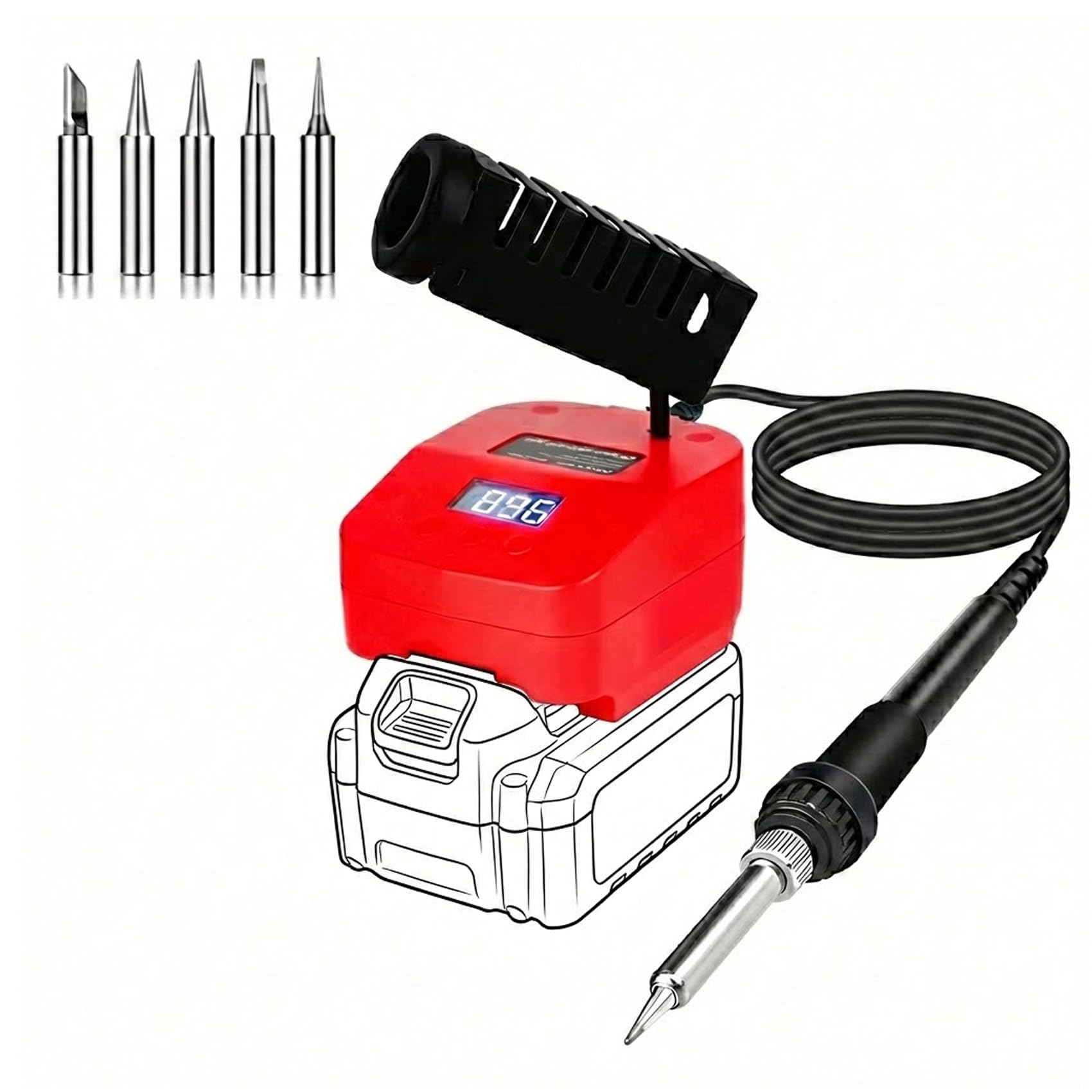
This station works with Milwaukee 18V batteries to deliver fast heat-up and an OLED display for temperature control. Build quality feels less robust than the official M12 iron, and some units may lose temperature when soldering larger joints — fine for light field repairs, not for sustained heavy use.

Bottom line: Best suited for Milwaukee 18V users who need a backup station or occasional soldering without investing in a new battery system.

11

Fiihio Craftsman Adapter

Fiihio Craftsman Adapter

Craftsman 20V users

Our Score 9.0/10
Check Price

Worth Noting

  • Drains smaller batteries quickly; a 6Ah+ pack is recommended for longer sessions.
Tips
Temp Range
180-480°C
Power Source
Craftsman 20V battery

This Fiihio station delivers fast heat-up and adjustable temperature at a budget-friendly price for anyone with a compatible Craftsman 20V battery. It draws power quickly from smaller 4Ah packs, making a 6Ah+ battery advisable for extended use, and the included stand is light and may tip over if bumped. These tradeoffs place it as a practical option for occasional DIY tasks rather than daily precision work.

Bottom line: Best for Craftsman 20V owners who need a cheap portable option for occasional automotive or appliance repairs and already own a high-capacity battery.

How to Choose

Power Source

Butane irons offer extreme portability and multi-function heat (torch, hot air) but require premium fuel and the igniter can fail after weeks. USB-C rechargeable pens heat instantly and include smart features like auto-sleep, but they have limited battery life and often lack the thermal mass for large joints. Tool-system battery adapters provide virtually unlimited runtime if you already own the batteries, but they add weight and bulk to the handle.

Heating Time

Fast heating (under 10 seconds) is common in USB-C and some battery models, but speed alone doesn't guarantee enough thermal mass to solder large connectors or ground planes. Butane irons typically take 18–30 seconds to reach temperature but maintain heat longer because of the continuous flame. A quick-heating iron that struggles on bigger joints is a poor fit for automotive or heavy-duty work.

Temperature Range

Adjustable temperature lets you match the solder type and component sensitivity. Butane irons often have limited or no control; you adjust by fuel flow. USB-C models offer precise digital control (typically 392–932°F). Higher maximum temperatures (above 840°F) help with heavy joints, but for fine electronics, lower temperature (600–700°F) prevents damage. Precision matters more than raw top temp.

Run Time

Butane irons typically run 60–120 minutes per fill; USB-C pens last 30–60 minutes at high heat. Tool-system batteries give longer runtime but drain faster on smaller capacity packs. Consider your typical session: a 10-minute repair is fine for USB-C; all-day fieldwork needs butane or a large battery. Swapping batteries is faster than refilling butane, but butane is lighter to carry.

Tip Compatibility

Tips determine what you can solder. Fine conical tips for circuit boards, larger chisel tips for wires and connectors. Butane kits often include 7+ tips for versatility, but quality varies. USB-C pens commonly use standard C210 tips that are easy to replace. Tool-system adapters may have limited tip options. Check if replacement tips are available and affordable; proprietary tips (like Master Appliance) are costly over time.

Frequently Asked Questions