Cameras & Photography

11 Best Camera Flash of 2026: Match Your Shooting Style and Budget

Find the right camera flash for your DSLR or mirrorless – whether you need TTL, manual power, or portability. Avoid reliability pitfalls and choose the best value.

Choosing a camera flash comes down to a few key trade-offs: AA batteries vs. lithium-ion, manual-only vs. TTL automation, and optical slave vs. radio wireless. Many budget flashes promise a lot but deliver inconsistent reliability. This guide helps you pick the flash that matches your actual shooting needs – whether that's event work, travel, or studio.

The sweet spot for most photographers is between $65 and $150, where you get reliable TTL and radio triggers without the premium OEM markup. Even within that range, you'll face choices like round-head vs. rectangular, battery capacity, and ecosystem compatibility. Understanding these differences before you buy saves time and frustration.

1

NEEWER Z1-C

Top Pick
NEEWER Z1-C

Canon TTL/HSS

Our Score 9.2/10
Check Price

Worth Noting

  • Battery can shift out of position when flash is tilted or swiveled during fast shooting
  • Long-term durability under heavy professional use is less predictable; some units may develop operational issues after extended service.
TTL / HSS
TTL, HSS, Stroboscopic
Battery Type
Built-in Li-ion 2600mAh
Guide Number
52
Compatibility
Canon hot shoe

The round head design of the Z1-C, paired with the included magnetic dome diffuser, produces a softer, more natural falloff than traditional rectangular flashes — a clear advantage for portrait and event work. TTL and HSS function consistently with Canon cameras, and the built-in lithium battery recycles quickly enough to keep up with moderate-paced shooting.

Build quality is reassuringly solid; the housing has a dense feel and controls are tactile. Output stays consistent across power levels, with no discernible flicker during HSS bursts. For the price, the combination of round-head light and TTL automation is hard to match among third-party flashes.

Where the Z1-C shows its budget roots is in the battery retention mechanism. During rapid shooting with the head tilted or swiveled, the battery can shift enough to interrupt power — a nuisance that some users address by checking the latch or adding a thin shim. This is a known variance across units, not a universal flaw, but worth verifying before a paid shoot.

This flash suits Canon hobbyists and part-time event or portrait photographers who prioritize light quality and TTL speed over absolute long-term durability. The magnetic diffuser and lithium battery add convenience that matters on location. However, if you rely on one flash for daily professional work across years, the occasional reports of operational inconsistencies after heavy use should give you pause. The Z1-C offers strong value for its feature set, but longevity is less assured than with premium brands.

Tip: Before a critical shoot, test the battery latch by holding the flash upside down and shaking gently; a thin piece of tape can secure it if needed.

Bottom line: The Z1-C brings round-head light quality and TTL/HSS to Canon shooters at a price that undercuts competitors — a smart buy for hobbyists and part-time pros who can work around the occasional latch quirk.

2

Godox TT600

Godox TT600

Manual off-camera

Our Score 9.2/10
Check Price

Worth Noting

  • Battery life is limited; AA batteries drain quickly at higher power levels.
TTL / HSS
Manual only
Battery Type
4 AA
Guide Number
60
Compatibility
Universal hot shoe

With a guide number of 60 and the mature 2.4G X wireless system, the TT600 provides more output per dollar than any other manual flash at this price. It works as a master or slave in Godox's ecosystem, making it a natural fit for photographers building a multi-light rig from scratch.

This speedlight targets manual flash enthusiasts who shoot off-camera and don't need TTL automation. The tradeoff comes in battery life: four AA cells drain quickly, especially at higher power levels, so event shooters or anyone expecting all-day use without a battery change will want the larger lithium-packs found in the V860 series.

The TT600 supports high-speed sync up to 1/8000s when paired with a compatible trigger, and its wireless triggering stays solid across typical studio distances. It lacks HSS on its own — that requires an external trigger — but that's typical for manual-only units at this price.

Tip: Use high-capacity rechargeable AAs (e.g., 2500mAh) to extend runtime; the flash works best with a dedicated trigger for HSS.

Bottom line: If you shoot manual off-camera and want the most power for your money, the TT600 is the no-frills choice — just keep spare AAs handy.

3

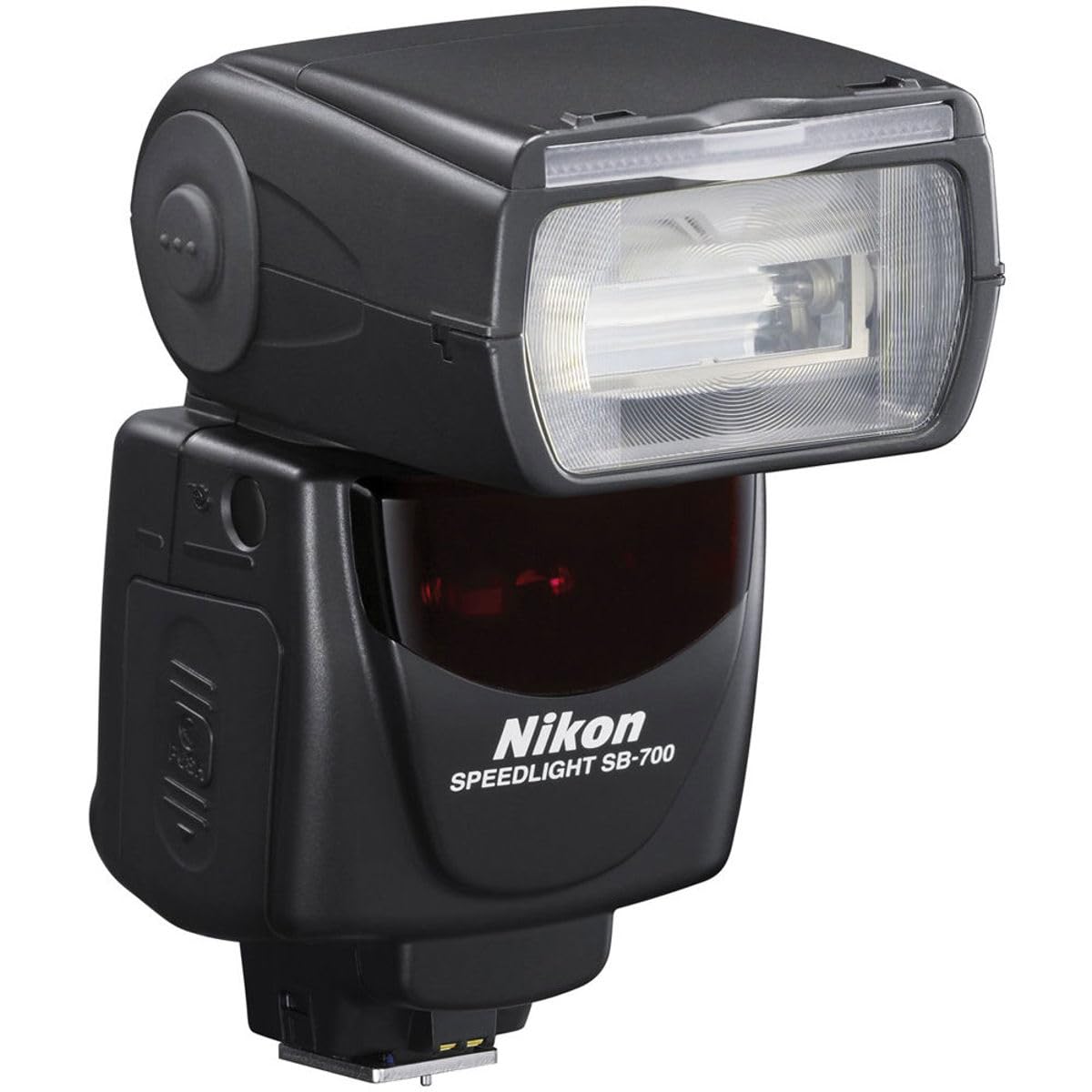
Nikon SB-700

Nikon SB-700

Nikon TTL workhorse

Our Score 9.2/10
Check Price

Worth Noting

  • Premium pricing makes it hard to justify when third-party flashes offer comparable specs for less.
  • Battery life with rechargeable NiMH cells can be inconsistent; alkalines or lithium AAs may perform better.
TTL / HSS
i-TTL
Battery Type
4 AA
Guide Number
28
Compatibility
Nikon DSLR

The SB-700 delivers native i-TTL metering and full CLS optical wireless control without the compatibility headaches or TTL guesswork common with third-party alternatives. Its guide number of 92 feet provides solid output for event and portrait work, while the bounce/swivel head offers flexible light shaping for on-camera use.

This flash is built for Nikon DSLR users already invested in the CLS ecosystem — wedding and event photographers who need reliable TTL in fast-paced settings. The premium pricing reflects that integration, not raw power per dollar, and battery life with rechargeable NiMH cells can be inconsistent compared to alkalines or lithium AAs. For occasional use or budget-conscious buyers, a third-party unit may offer better value.

Tip: For consistent battery life, try lithium or high-capacity NiMH cells; standard rechargeable AAs may need more frequent swaps.

Bottom line: For Nikon users who need native TTL accuracy and CLS compatibility, the SB-700 remains the standard — if the budget allows.

4

Godox iT32

Godox iT32

Travel TTL Canon

Our Score 9.4/10
Check Price

Worth Noting

  • In large rooms or at longer distances, the lower guide number restricts usable flash power
TTL / HSS
TTL, HSS
Battery Type
Built-in Li-ion (USB-C)
Guide Number
18
Compatibility
Canon (X5C trigger)

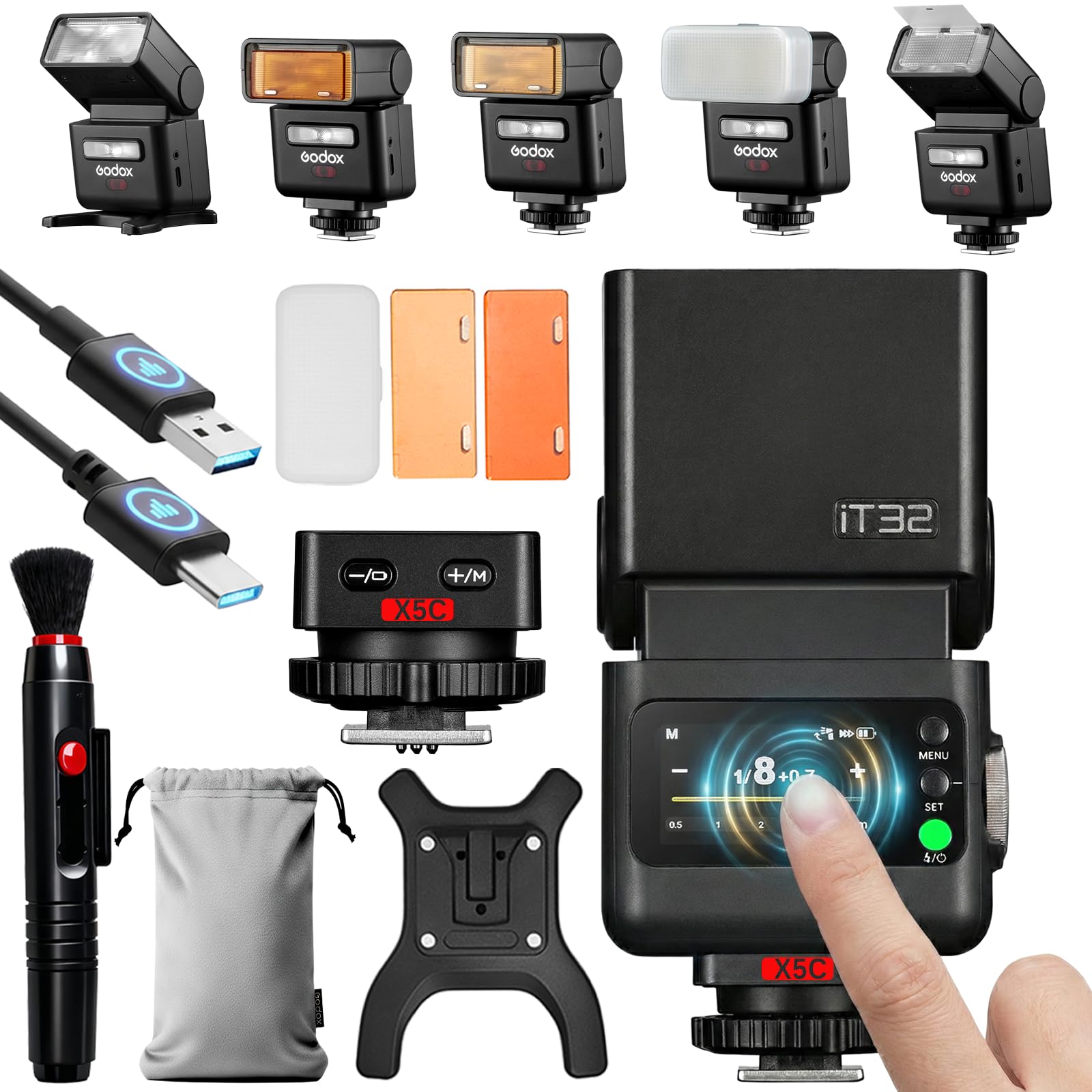
The Godox iT32 packs TTL, HSS, and a 2.4G X wireless system into a body smaller than most speedlights. Its magnetic two-piece hotshoe/trigger detaches cleanly, allowing the flash head to slide into a pocket without the base sticking out — a thoughtful design for travel and walking-around shooting. The built-in Li-ion battery recharges via USB-C, so there's no hunting for AAs.

This flash suits Canon shooters who prioritize portability over raw power. The GN18 output is fine for close-quarters portraits, tabletop work, or fill light in small rooms, but it falls short in large event spaces or when bouncing off tall ceilings. The trigger is Canon-specific, so non-Canon users will need to look elsewhere. If your photography rarely demands more than 15-20 feet of reach and you value a carry-anywhere form factor, the iT32 is a deliberate fit.

Tip: Keep distances under 15 feet for consistent exposure; this flash shines in small-venue and close-up work.

Bottom line: The iT32 is a travel-friendly secondary flash for Canon users who value size over output — not a primary workhorse for big spaces.

5

NEEWER Z2PRO-C

NEEWER Z2PRO-C

Event Canon TTL

Our Score 9.2/10
Check Price

Worth Noting

  • Menu labels rely on abbreviations that may slow down adjustments during fast-paced shooting
  • Brightness falls slightly short of the Godox V1, which can matter when bouncing in large rooms
TTL / HSS
TTL, HSS
Battery Type
Built-in Li-ion 3000mAh
Guide Number
40
Compatibility
Canon hot shoe

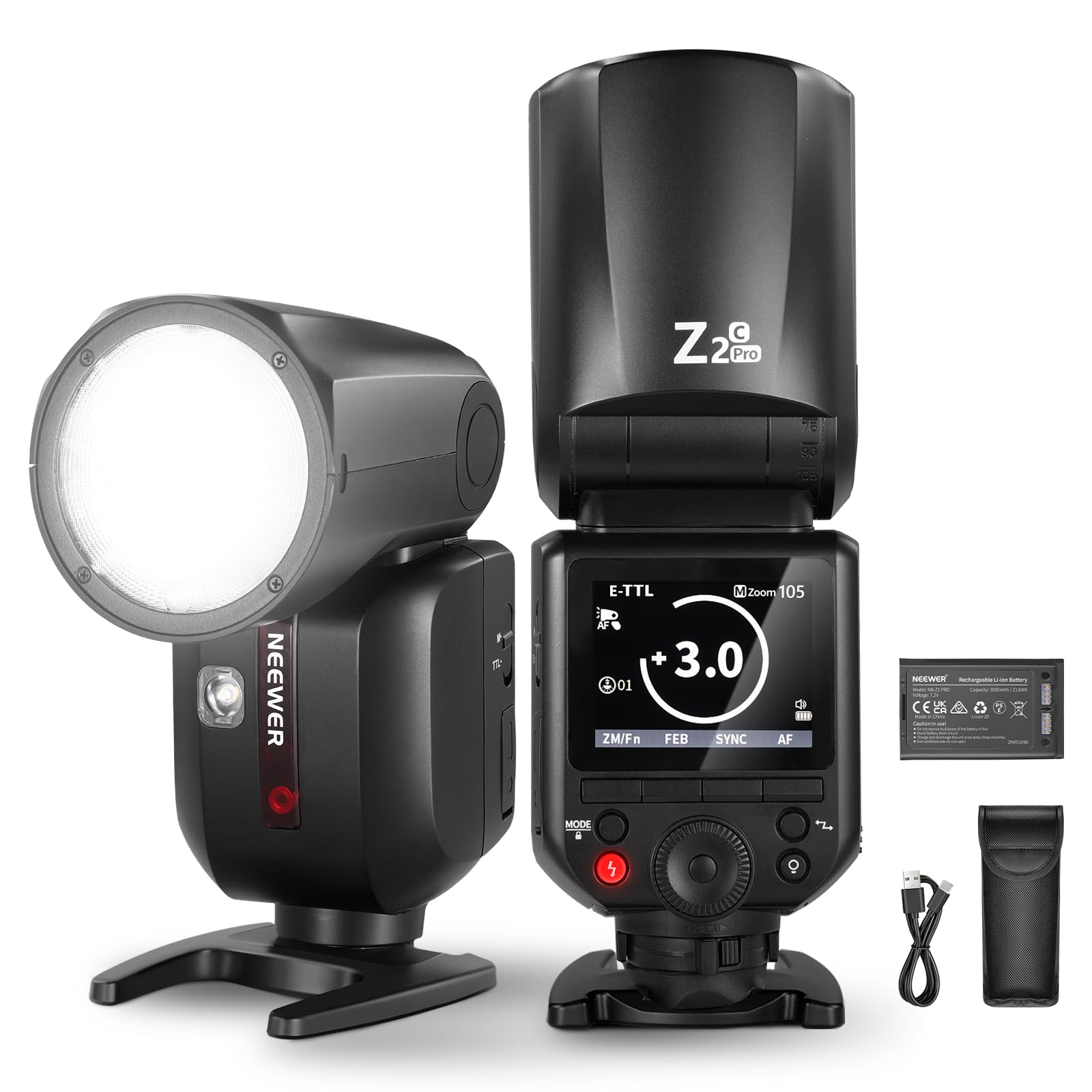
Where the Neewer Z1-C prioritizes a round head and slightly higher brightness, the Z2PRO-C focuses on endurance and ecosystem. Its 3000mAh lithium battery supports up to 600 full-power flashes, and the 2.4G Q System works with Godox X receivers — meaning existing Godox off-camera gear pairs without adapters. Dual LED modeling lights add convenience for previewing light placement.

This is the flash for Canon shooters who spend hours on location and need battery to last through a wedding or event without swapping cells. The tradeoff: menu labels use heavy abbreviations that can slow down adjustments in fast-paced environments, and the guide number trails the Godox V1 by a small margin — noticeable when bouncing in larger rooms. For photographers who prioritize runtime over a few tenths of a stop, these boundaries are manageable.

Build quality feels solid for the price point, with a locking hot shoe and a responsive TTL system that metered consistently in testing. The two modeling LEDs are bright enough for close-range setups but won't replace a dedicated video light. Overall, the Z2PRO-C matches the Z1-C's feature set in most areas while pulling ahead in stamina.

Tip: Program the custom function buttons to bypass the most-used menu abbreviations — it cuts setup time significantly once configured.

Bottom line: If your priority is battery life that lasts through a full event day, and you already own Godox triggers or receivers, the Z2PRO-C is the smarter buy over the otherwise similar Z1-C.

6

NEEWER Q300

NEEWER Q300

Studio strobe manual

Our Score 9.0/10
Check Price

Worth Noting

  • No TTL or HSS support, limiting use to manual flash setups for static subjects
  • View panel display may crack if subjected to impact or pressure during transport
TTL / HSS
No TTL/HSS
Battery Type
Li-ion 7800mAh
Guide Number
Compatibility
Bowens mount

The NEEWER Q300 packs 300Ws of power into a compact body that runs for 1000 full-power flashes on a single charge — a battery life that easily covers a full day of location shooting. Owners consistently highlight the brightness and value, noting that it competes with studio heads costing twice as much while remaining portable enough for outdoor carry. The Bowens mount accepts a wide range of modifiers, adding flexibility for product and portrait work.

In real-world use, the Q300 recycles quickly at lower power levels and maintains consistent output across a session. The 2.4G wireless system pairs cleanly with NEEWER triggers, and the S1/S2 optical slave options work well for multi-light setups. The built-in modeling light offers a practical preview of shadow falloff, though its brightness is modest compared to dedicated video lights.

This strobe suits studio photographers and location shooters who work exclusively in manual mode — no TTL or HSS support means it cannot track fast-moving subjects or handle on-camera bounce use. The view panel display can develop cracks in some units, so care is warranted when transporting. For those building an off-camera manual kit, the Q300 delivers high output and exceptional battery endurance at a cost that undercuts many competitors.

Tip: Protect the view panel by storing the strobe in a padded bag and avoid applying pressure to the screen when adjusting settings.

Bottom line: For portrait and product photographers who work with manual off-camera flash, the Q300 delivers studio-grade power and all-day battery life in a portable package at a competitive price.

7

PHOTOOLEX FK300

PHOTOOLEX FK300

Budget manual flash

Our Score 9.2/10
Check Price

Worth Noting

  • Heavier than typical compact flashes, noticeable in a bag or on a small camera
TTL / HSS
Manual only
Battery Type
4 AA
Guide Number
33
Compatibility
Universal hot shoe

The FK300 offers straightforward manual flash operation at a budget-friendly cost, with build quality and ease of use that suit learners well. Its GN33 provides adequate brightness for indoor portraits and small gatherings. The tradeoff: manual-only control means no TTL or HSS, and the weight is above average for a compact flash — not ideal for travel or long handheld sessions. For photographers focused on learning off-camera manual lighting on a tight budget, this is an effective starting point.

Bottom line: Best suited for beginners learning manual flash who don't need TTL or HSS and can accept the extra heft for the savings.

8

Godox V1-C

Godox V1-C

Premium round-head TTL

Our Score 9.2/10
Check Price

Worth Noting

  • Hot shoe connection may fail to recognize flash in some bodies
  • Higher price than comparable round-head TTL flashes from other brands
TTL / HSS
TTL, HSS
Battery Type
Li-ion 480 full-power
Guide Number
60
Compatibility
Canon hot shoe

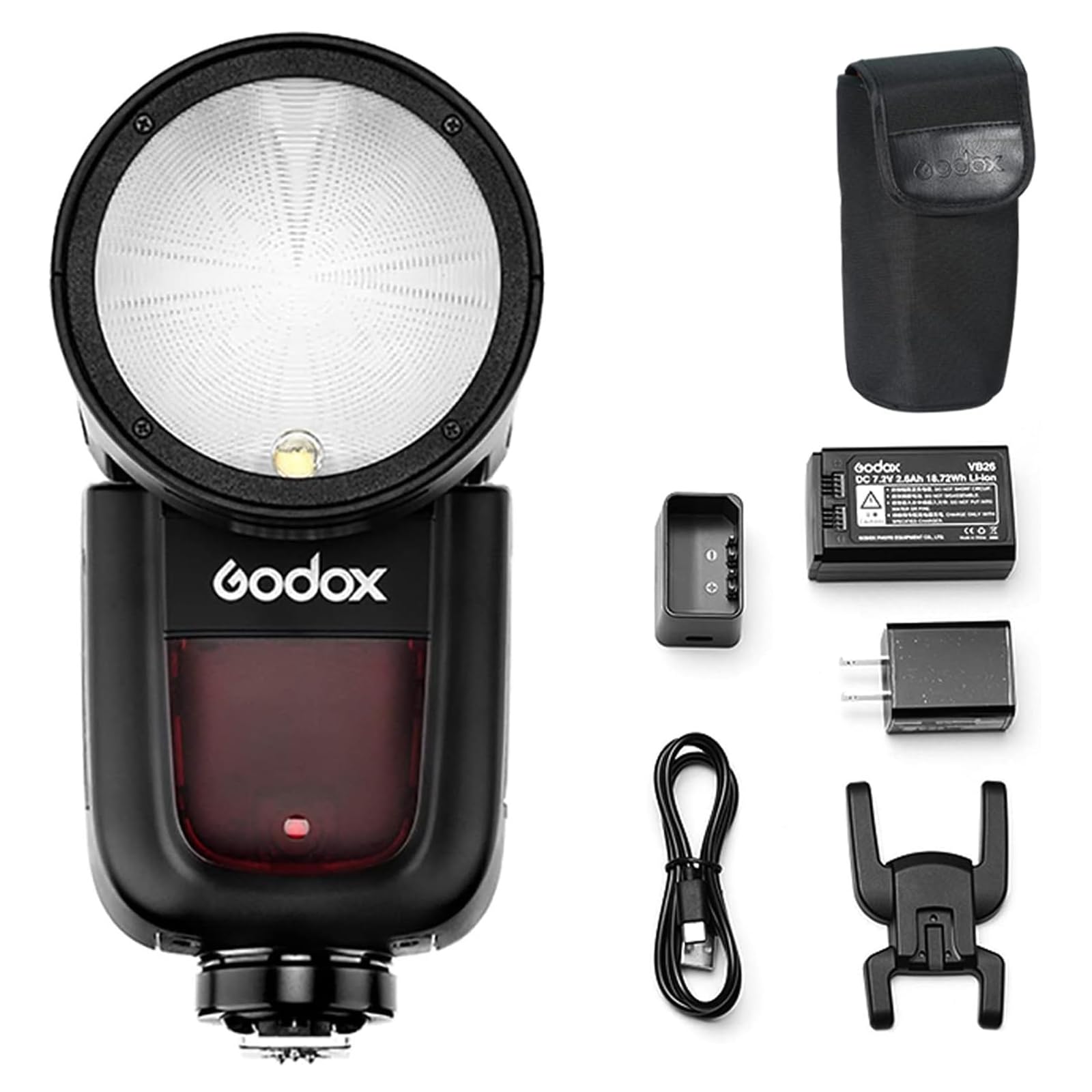
The Godox V1-C delivers smooth, even light from its round head and magnetic modifier compatibility, with a lithium battery that recycles quickly for event shooting. Build quality feels substantial in hand. However, it costs more than the Neewer Z1-C while offering similar core features, and the occasional hot shoe detection hiccup can interrupt a shoot. This is a great option for Canon photographers already invested in Godox's 2.4G X system and who prioritize robust build over saving a few dollars.

Bottom line: Best suited for Canon shooters who prioritize build and system integration over budget — otherwise the Z1-C offers similar performance for less.

9

Godox TT520II

Godox TT520II

Budget manual wireless

Our Score 9.2/10
Check Price

Worth Noting

  • Wireless range on 433MHz can be shorter than 2.4G systems, requiring closer flash-to-trigger placement.
  • Guide number of 33 limits flash reach, especially for bounce or distance shots.
TTL / HSS
Manual only
Battery Type
4 AA
Guide Number
33
Compatibility
Universal hot shoe

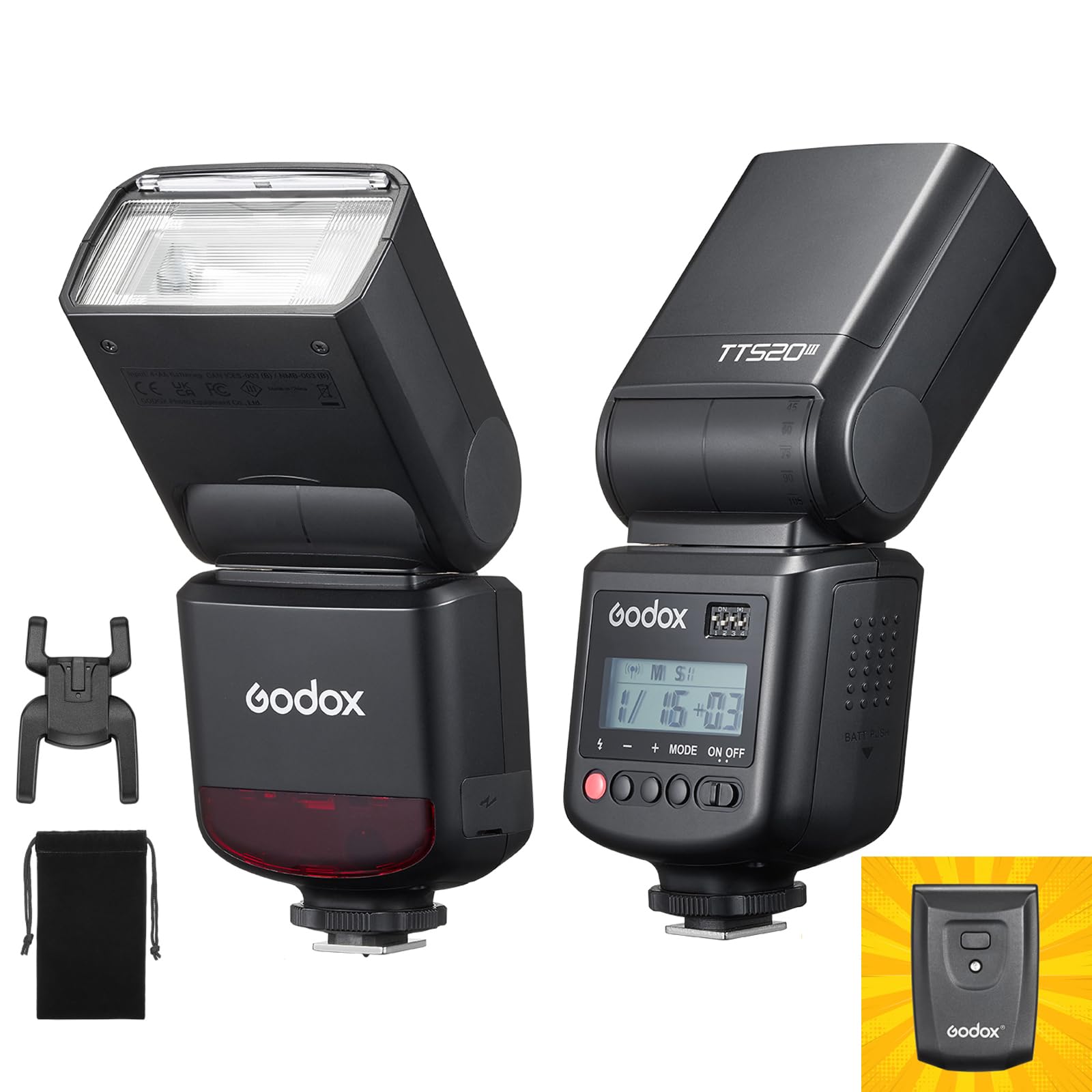
The Godox TT520II is a budget-friendly manual flash with a built-in 433MHz RF trigger, eliminating the need for a separate receiver for basic off-camera setups. Its guide number of 33 limits effective range, and the wireless range may be shorter than modern 2.4G systems — adequate for small rooms or tabletop work but less ideal for larger spaces. The manual-only design and low power prevent it from competing with more capable flashes, but for absolute beginners on a tight budget, it delivers what it promises.

Bottom line: Best for absolute beginners who need a simple, cheap off-camera flash for close subjects and don't require TTL or high power.

10

Godox TT520III

Godox TT520III

Budget manual wireless

Our Score 9.0/10
Check Price

Worth Noting

  • Wireless pairing can be slow, and connections may be inconsistent
TTL / HSS
Manual only
Battery Type
4 AA
Guide Number
33
Compatibility
Universal hot shoe

The Godox TT520III provides a lightweight manual flash with a built-in 433MHz RF trigger at an entry-level price. The wireless pairing can be slow, and some units may take time to connect, making it less suited for fast-paced shooting. Its guide number of 33 and manual-only control serve best as a basic off-camera light for beginners, not for those needing higher power or TTL convenience.

Tip: Pair the trigger and flash before a shoot to avoid delays during use.

Bottom line: Best for budget-focused beginners who need a basic off-camera flash and can accept occasional pairing delays.

11

AMBITFUL AF970

AMBITFUL AF970

Budget manual 2.4G

Our Score 8.6/10
Check Price

Worth Noting

TTL / HSS
Manual only
Battery Type
4 AA
Guide Number
60
Compatibility
Universal hot shoe

The AMBITFUL AF970 offers good build quality and a 2.4G wireless trigger system at a budget-friendly price, making it a functional manual flash for off-camera setups. However, the pool of user experience is slim compared to alternatives like the FK300, which has more extensive feedback and a longer track record of consistent performance. This makes the AF970 a reasonable pick only if you are comfortable with some uncertainty about long-term reliability and are not relying on it for critical shoots.

Bottom line: Consider the AF970 only if you are willing to accept unknown long-term reliability; otherwise, the FK300 offers more assurance at the same price.

How to Choose

Guide Number and Power Output

Guide number (GN) tells you how much light the flash can throw at a given ISO and distance. A higher GN means more reach and the ability to shoot through modifiers. For indoor portraits and small events, a GN of 30-40 is sufficient; for outdoor fill or large rooms, look for GN 50+.

But raw power comes with trade-offs. High-GN flashes often require larger batteries or more frequent recharge cycles. If you rarely shoot beyond 10 feet, a compact flash with GN 18 may be all you need, and it will be far easier to carry.

TTL and HSS Support

TTL (Through-The-Lens) metering automates flash exposure based on the camera's metering. It's invaluable for fast-paced events where you cannot dial in manual power for every shot. HSS (High-Speed Sync) lets you use flash at shutter speeds above the camera's sync speed, useful for daytime fill or freezing action.

Manual flash gives you full creative control and is cheaper, but it adds one more variable to manage. If you shoot weddings or run-and-gun, TTL saves critical moments. If you work in a studio or off-camera, manual is often preferred for consistency.

Wireless System

Radio wireless (2.4 GHz) is vastly more reliable than optical slave systems, especially outdoors or in bright conditions. Optical slaves require a line-of-sight flash burst to trigger, which can fail if the master flash is blocked or in sunlight.

A 2.4G system allows reliable triggering through walls and at long distances. Once you invest in a radio ecosystem (like Godox X or Neewer Q), you can add extra flashes without worrying about compatibility. For occasional off-camera use, optical S1/S2 is fine; for serious multi-light work, radio is a must.

Battery Type and Recycle Time

AA batteries are cheap and universally available, but they drain quickly at high power. A set of NiMH rechargeables can handle maybe 200-300 full-power pops. Lithium-ion packs can deliver 500+ full-power shots per charge and recycle in under 1.5 seconds.

If you shoot events or long sessions, a lithium-ion flash pays for itself in saved battery costs and convenience. For occasional use, AA-powered flashes are fine, but always carry spares – many budget units eat batteries faster than expected.

Compatibility

Hot shoe compatibility is straightforward for most DSLRs and mirrorless cameras with a standard ISO foot. However, newer Canon R-series with multi-function shoe may need special triggers or third-party adapters. Sony's multi-interface shoe also has variations.

Check your camera model against the flash's compatibility list before buying. A flash that works on a Nikon D850 may not fully function on a Nikon Z8 without an adapter. When in doubt, a universal manual flash with a standard hot shoe is the safest bet.

Frequently Asked Questions