Cameras & Photography

13 Best Drone with Camera of 2026: Find True Flight Time & Best Value

Which sub-249g drones deliver real 4K video and honest flight times, not marketing hype? This guide cuts through spec claims to match you with the right camera drone for your budget and skill level.

Every drone maker claims 30-plus minutes of flight time, but real-world conditions — wind, cold, aggressive flying — cut that by 20 to 30 percent. The sub-249g category forces a clear trade-off: portability versus endurance. This guide focuses on drones that deliver usable flight time and honest 4K footage, so you know what to expect before you launch.

The market splits between DJI’s proven ecosystem and Potensic’s aggressive value plays. The deciding factor often comes down to how much you value obstacle avoidance and real-time transmission stability. Whether you are a first-time flyer or an experienced hobbyist, the right drone balances weight, camera quality, and safety features without leaving you grounded after 15 minutes.

1

DJI Mini 3 Pro

Top Pick
DJI Mini 3 Pro

Enthusiasts & travelers

Our Score 9.4/10
Check Price

Worth Noting

  • Random shutdowns or GPS errors can occur on some units
  • Arms and gimbal are fragile and may break on hard landings
Camera
4K/60fps, 48MP
Weight
<249g
Flight Time
34 min
Obstacle Avoidance
Tri-directional

The camera delivers sharp 4K video and 48MP stills with good low-light handling, while the tri-directional obstacle sensing adds a layer of safety for new pilots. Flight controls are intuitive, and the claimed 34-minute battery lasts closer to 25-28 minutes in real-world use, which is still enough for multiple passes over a subject. The sub-249g weight means no FAA registration is needed, making it a practical travel companion.

This drone suits enthusiasts who want pro-level imagery in a carry-on-friendly package and travelers who prefer to skip registration. That said, some units may experience random shutdowns or GPS glitches, and the lightweight build means the arms or gimbal can crack on a hard landing. These are boundaries rather than deal-breakers — careful operation and a soft landing pad minimize the risk.

Tip: Use a landing pad to reduce the chance of gimbal damage on uneven or hard surfaces.

Bottom line: The DJI Mini 3 Pro delivers the best balance of camera quality, obstacle avoidance, and portability in the sub-250g class — handle it with care and it will reward you.

2

DJI Mini 4 Pro

DJI Mini 4 Pro

Serious content creators

Our Score 9.0/10
Check Price

Worth Noting

Camera
4K/60fps HDR, 48MP
Weight
<249g
Flight Time
45 min
Obstacle Avoidance
Omnidirectional

Omnidirectional obstacle avoidance and 4K/60fps HDR video set the Mini 4 Pro apart from its predecessor. True vertical shooting and a 48MP f/1.7 sensor give content creators more framing options.

This drone best suits enthusiasts who want maximum safety and image quality from a sub-250g platform. The real-world battery life sits around 30 minutes per battery — not the claimed 45 — and the Fly More Combo carries a high price. Those who can accept these limits get the most capable camera drone under 249 grams.

Bottom line: Right for serious hobbyists who prioritize obstacle avoidance and image quality over cost and battery endurance.

3

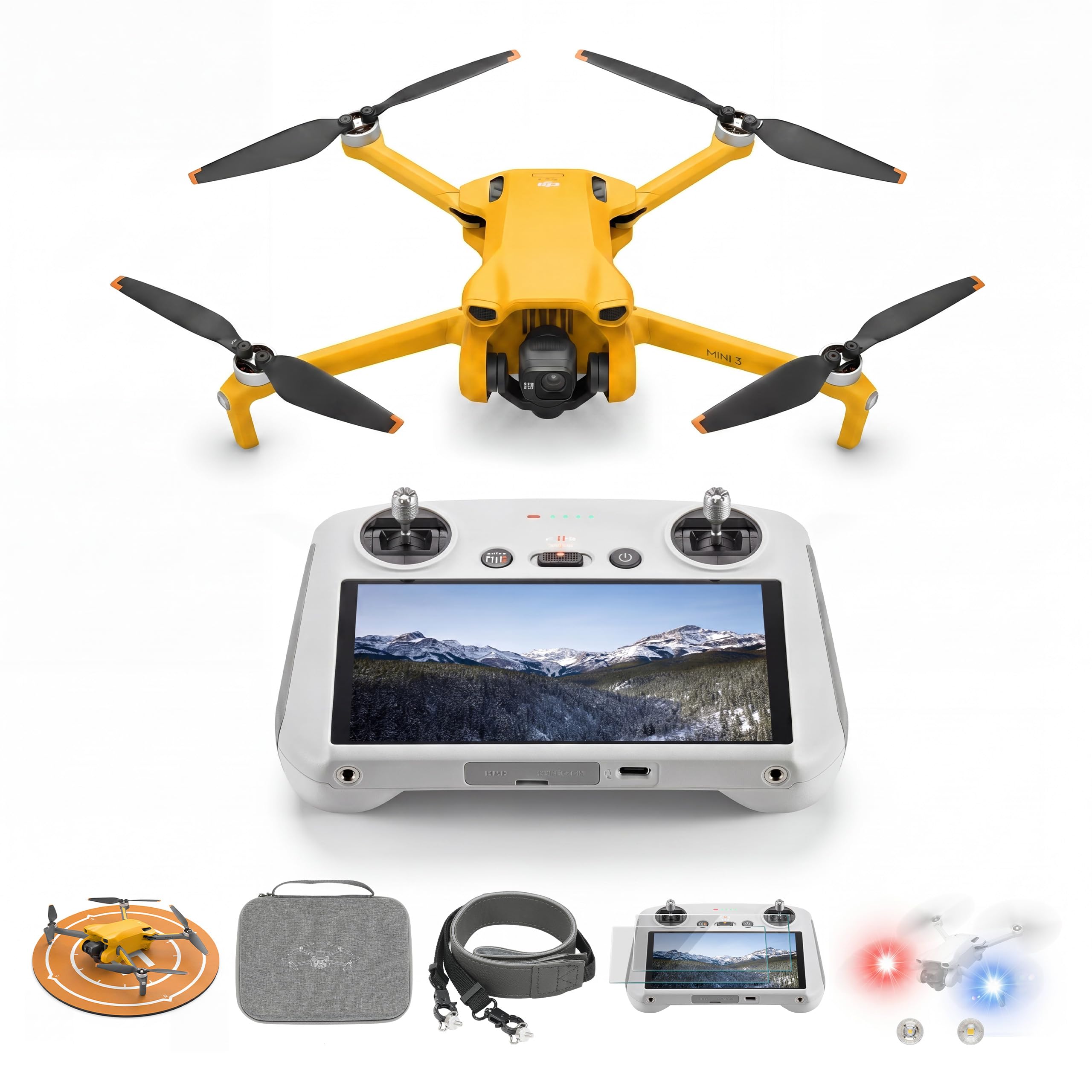
DJI Mini 3

DJI Mini 3

Budget enthusiasts

Our Score 9.0/10
Check Price

Worth Noting

  • Battery life runs 25-30 minutes in real flight, not the advertised 38
  • Some units can lose connection or become unresponsive during flight
Camera
4K HDR, 48MP
Weight
<249g
Flight Time
38 min
Obstacle Avoidance
None

The Mini 3 pairs a 4K HDR camera with a mechanical 3-axis gimbal for smooth footage, all in a sub-249g frame that avoids FAA registration. Its vertical shooting mode is a real plus for social-media creators, and the claimed 10km transmission range gives plenty of freedom for open-area flights.

Where this drone differs from pricier models like the Mini 3 Pro is the absence of obstacle avoidance, so you'll need clear open spaces and steady hands. Real-world battery life lands around 25-30 minutes per charge, and a small number of units have shown occasional signal dropouts or unresponsiveness mid-flight. For first-time flyers who prioritize cost over safety sensors, this remains a solid entry point into DJI's ecosystem.

Tip: To maximize battery life, avoid strong winds and let the battery cool before recharging.

Bottom line: If you can accept the lack of obstacle avoidance and occasional flight quirks, this is the best entry point into DJI's ecosystem under $400.

4

Potensic Atom 2

Potensic Atom 2

Tech-savvy beginners

Our Score 9.0/10
Check Price

Worth Noting

  • Camera sharpness is slightly behind DJI’s premium models
  • Motor or app glitches can occur in some units; warranty protection is advisable.
Camera
4K/30fps HDR, 48MP
Weight
<249g
Flight Time
96 min (3 bat)
Obstacle Avoidance
None

The Potensic ATOM 2 packs AI tracking, vertical shooting, and a 10km transmission range into a sub-250g frame at a price that undercuts the DJI Mini 3. In windy conditions, the 3-axis gimbal keeps footage stable, and the three-battery combo delivers roughly 80 minutes of real-world flight time — enough for multiple shooting sessions.

Content creators looking for AI features without paying DJI premiums will find strong value here. The camera produces 4K video that’s slightly softer than premium DJI models — fine for social media and casual projects, but not for large prints. Some units may exhibit motor or app glitches, so checking the warranty is wise.

Tip: Consider an extended warranty or purchase protection given possible unit variation.

Bottom line: The Potensic ATOM 2 is the best option for budget-conscious content creators who want AI tracking and vertical shooting without the DJI price tag.

5

DJI Air 3S

DJI Air 3S

Professionals

Our Score 9.4/10
Check Price

Worth Noting

  • Premium price narrows the audience to those who genuinely need dual cameras and advanced sensing.
  • At 724g, FAA registration and some no-fly zone restrictions apply, limiting spontaneous use.
Camera
Dual 1" CMOS, 4K/60fps
Weight
724g
Flight Time
45 min
Obstacle Avoidance
Omnidirectional + LiDAR

The Air 3S stands out with a dual-camera system combining a 1-inch CMOS wide-angle and a medium telephoto lens, both capable of 4K/60fps HDR video. The forward LiDAR and omnidirectional sensors provide near crash-proof operation in normal conditions.

This drone is built for professionals who need the telephoto reach and low-light performance, and who value collision avoidance enough to accept the trade-offs: the 724g weight requires FAA registration and may be restricted in some areas. Real-world flight time around 35 minutes per battery supports extended shoots.

Tip: Register it with the FAA before your first flight, and check local drone ordinances for areas that restrict heavier drones.

Bottom line: The Air 3S delivers unmatched imaging and safety for aerial photography pros, but only if you can work within its weight and budget constraints.

6

Potensic ATOM

Potensic ATOM

Budget first-timers

Our Score 9.2/10
Check Price

Worth Noting

  • No obstacle avoidance
  • Battery packs can degrade over time, with some units showing reduced capacity after months of use.
Camera
4K/30fps, 12MP
Weight
<249g
Flight Time
96 min (3 bat)
Obstacle Avoidance
None

The Potensic ATOM delivers a mechanical 3-axis gimbal and a Fly More Combo with three batteries at a price under $300 – a combination that rivals drones twice the cost. The gimbal smooths 4K footage even in light wind, and the GPS return-to-home makes it approachable for first-time pilots. This drone suits budget-minded adults who want proper aerial photography without spending premium money, and who focus on open-field flying and scenic landscapes where the drone's design is most effective.

Bottom line: For beginners on a tight budget who prioritize gimbal video and multiple batteries, the Potensic ATOM offers the most value in its class.

7

DJI Mini 4K

DJI Mini 4K

Beginners & upgraders

Our Score 9.0/10
Check Price

Worth Noting

  • No obstacle avoidance
Camera
4K UHD, 12MP
Weight
<249g
Flight Time
93 min (3 bat)
Obstacle Avoidance
None

The DJI Mini 4K Fly More Combo delivers a complete kit for beginners: three batteries, 4K gimbal, and DJI's intuitive controls. It lacks obstacle avoidance, so careful flying near trees or walls is needed, and actual battery life runs closer to 25 minutes per battery. This uses slightly older tech than the Mini 3, but the bundle's value makes it a sensible entry-level choice.

Bottom line: Best for beginners who want a ready-to-fly DJI kit under $400 and can manage without obstacle avoidance, accepting real-world battery life around 25 minutes per battery.

8

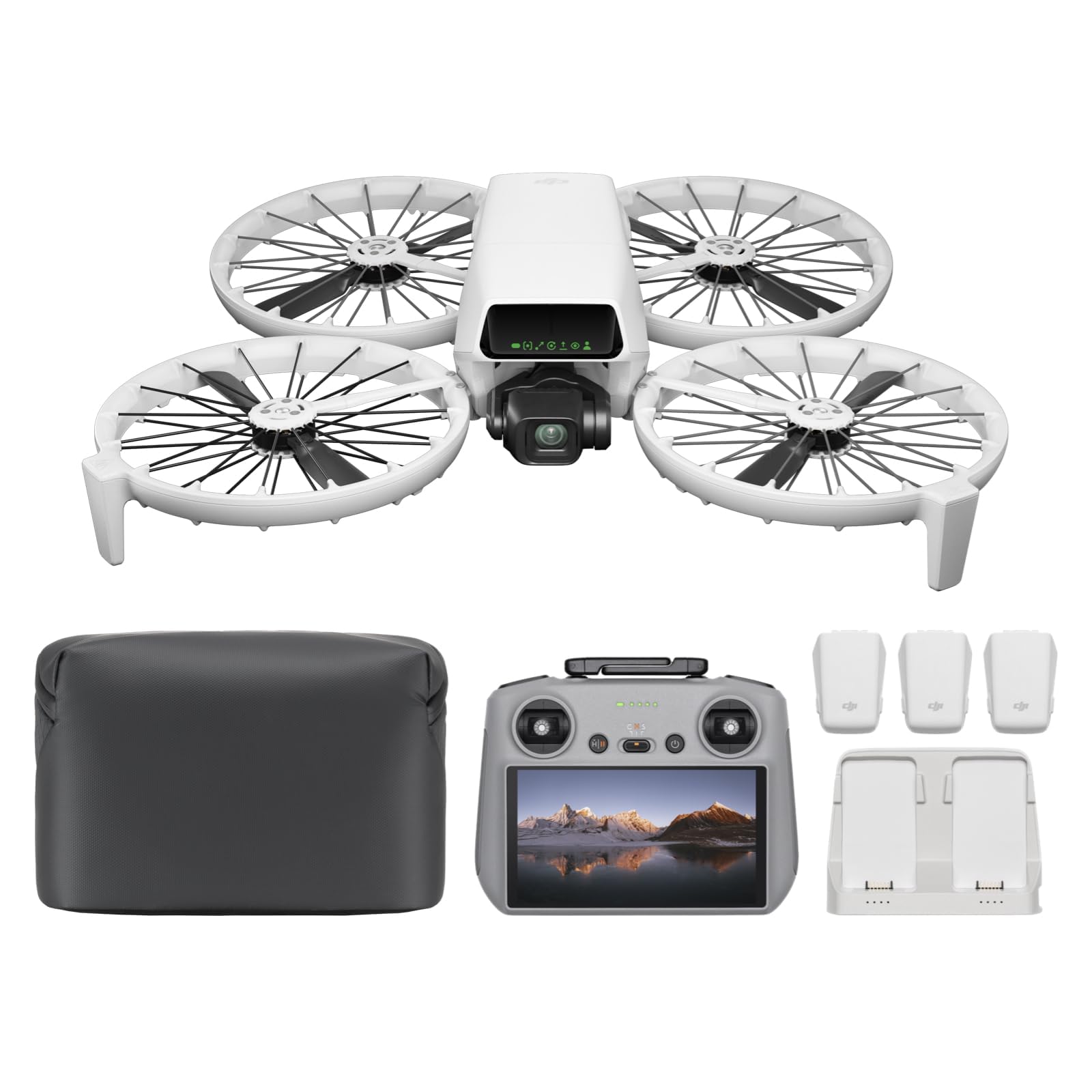
DJI Flip

DJI Flip

Indoor nervous beginners

Our Score 9.2/10
Check Price

Worth Noting

  • Battery life can be inconsistent, with some flights lasting around 20 minutes per battery.
Camera
4K/60fps HDR, 48MP
Weight
<249g
Flight Time
93 min (3 bat)
Obstacle Avoidance
None (prop guards)

Full-coverage guards and intuitive controls make indoor flying worry-free, ideal for real estate tours or first-time flyers. The 4K camera delivers sharp footage. However, no active obstacle avoidance means thin branches or wires can still cause crashes, limiting outdoor versatility. This is a niche drone for safe indoor use rather than a general-purpose flyer.

Bottom line: Pick the DJI Flip if your flying is mostly indoors and crash protection matters more than obstacle sensing or long flight times.

9

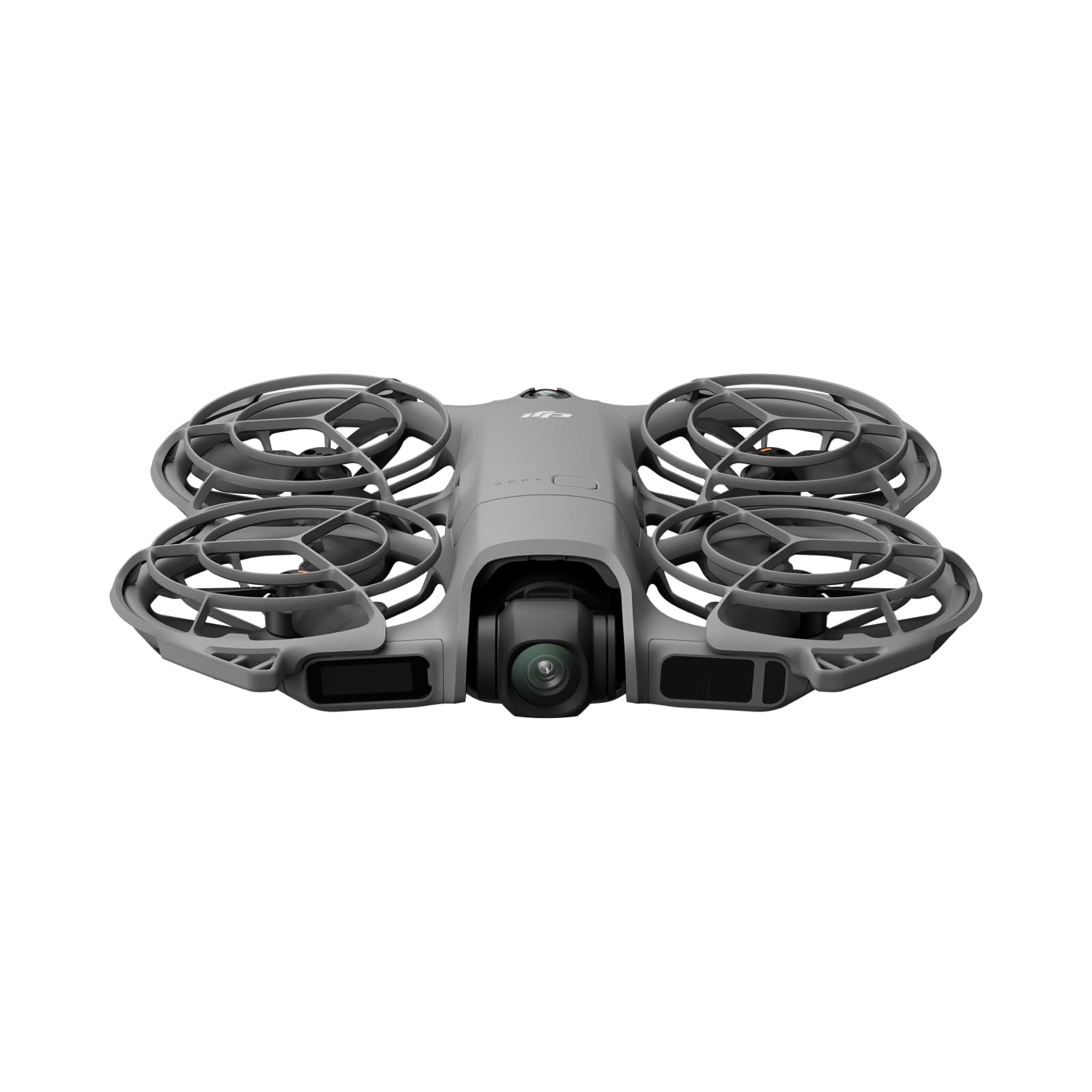
DJI Neo 2

DJI Neo 2

Vloggers & travelers

Our Score 9.2/10
Check Price

Worth Noting

  • Battery gives about 10 minutes of flight
Camera
4K, 12MP
Weight
151g
Flight Time
~10 min
Obstacle Avoidance
Omnidirectional

The DJI Neo 2 is a 151g pocket drone that launches from your hand and follows your gestures for effortless selfie shots. Its 4K video is crisp for the size, and omnidirectional obstacle sensing adds peace of mind. The catch? Flight time is roughly ten minutes per battery, and there’s no included remote – you pilot via phone app. That makes this a travel novelty or secondary drone for short, spontaneous footage, not a primary aerial tool for serious photography.

Bottom line: Best for vloggers or travelers who need a tiny, grab-and-go selfie drone for quick moments; skip it if you want a controller or longer flight times.

10

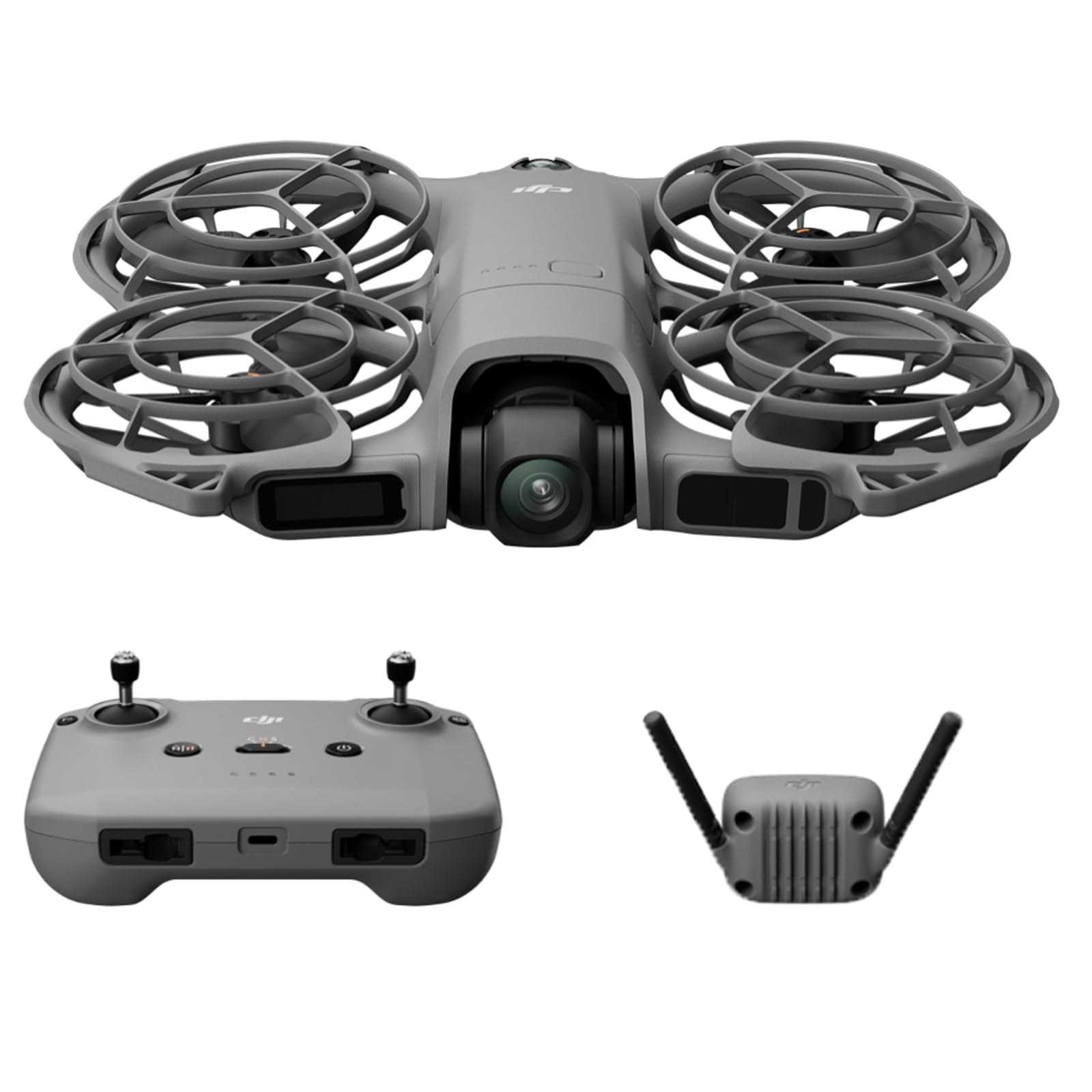
DJI Neo Motion

DJI Neo Motion

FPV & casual

Our Score 9.2/10
Check Price

Worth Noting

  • Each battery provides roughly 10-15 minutes of flight time, limiting extended outings
Camera
4K UHD, 12MP
Weight
135g
Flight Time
~15 min
Obstacle Avoidance
None (guards)

The DJI Neo Motion delivers an immersive FPV experience with its motion controller and goggles in a 135g frame that slips into any bag. That hands-free flying and subject tracking make it genuinely fun for quick creative shots. But short battery life (10-15 minutes per charge) and wind sensitivity mean it's best reserved for calm, short sessions in sheltered spots — not for serious photography or blustery outdoor flights.

Bottom line: A playful FPV toy for calm-weather quick flights, not a platform for serious photography or windy conditions.

11

DJI Neo 2 Combo

DJI Neo 2 Combo

New pilots, value

Our Score 9.4/10
Check Price

Worth Noting

  • Flight time in real conditions is around 20 minutes per battery
Camera
4K, 48MP
Weight
151g
Flight Time
34 min
Obstacle Avoidance
Omnidirectional

This bundle pairs the Neo 2 with a screen controller and omnidirectional obstacle avoidance – a complete setup for new pilots. The 4K camera delivers sharp footage. Flight time in real use is around 20 minutes per battery, and some units may have GPS lock delays before takeoff. This kit suits buyers who want a screen controller without extra purchases.

Bottom line: Best for beginners who want a screen controller bundled from day one and are okay with shorter flight times and occasional GPS quirks.

12

Potensic ATOM SE

Potensic ATOM SE

Ultra-budget beginners

Our Score 8.8/10
Check Price

Worth Noting

  • Some units may develop motor or camera problems after a few flights, less ideal for long-term dependability.
Camera
4K EIS, 12MP
Weight
<249g
Flight Time
62 min (2 bat)
Obstacle Avoidance
None

The Potensic ATOM SE delivers impressive value with its GPS return, two batteries, and simple controls for under $250. The 4K camera uses electronic stabilization rather than a mechanical gimbal, which introduces some wobble in fast movements but is acceptable for casual recording. Occasional reliability concerns mean this drone suits absolute beginners learning the basics before stepping up to a more robust model.

Bottom line: Best for beginners on a tight budget who want a low-risk way to practice flying and capture casual footage without a major investment.

13

DJI Mavic Air 2

DJI Mavic Air 2

Mid-range workhorse

Our Score 9.4/10
Check Price

Worth Noting

  • Requires FAA registration due to 570g weight
Camera
4K/60fps, 48MP
Weight
570g
Flight Time
34 min
Obstacle Avoidance
3-directional

The Mavic Air 2 delivers sharp 4K/60fps footage and consistent ActiveTrack 3.0 tracking. At 570g, it requires FAA registration, which newer Mini models avoid while offering similar image quality. A capable option if you don't mind the paperwork, but lighter alternatives with similar specs exist.

Bottom line: Best suited for pilots comfortable with registration who prioritize flight time and tracking over portability.

How to Choose

Camera Resolution and Sensor Size

A 4K camera is the baseline for usable aerial footage, but the sensor size determines low-light quality and dynamic range. Larger sensors (1/1.3-inch or bigger) capture more light and produce sharper images in dim conditions.

Megapixel counts above 12MP matter mostly for cropping stills; video quality depends on bitrate and stabilization. A mechanical gimbal beats electronic stabilization for smooth footage in wind.

Real-World Flight Time

Manufacturer flight times are measured in perfect indoor conditions with no wind. In real use — light breeze, standard maneuvers, recording video — expect 20 to 30 percent less. A battery that claims 38 minutes typically delivers 25 to 28 minutes.

Extra batteries from a Fly More Combo are the only way to extend total time. Plan for at least three batteries if you want 60-plus minutes of cumulative flying.

Obstacle Avoidance Capabilities

Obstacle avoidance uses sensors to detect objects in the flight path. Tri-directional covers forward, backward, and downward; omnidirectional adds side and upward sensing. This is a safety net, not a crash-proof system.

Thin branches, power lines, and low-light conditions still fool sensors. If you fly in tight spaces or near trees, omnidirectional sensing is worth the extra cost. For open fields, basic forward/downward is sufficient.

Weight and Registration Requirements

Drones under 249 grams are exempt from FAA registration in the US, making them the simplest choice for casual flyers. Models above that threshold require registration and must display your FAA number on the drone.

Heavier drones often carry larger cameras and longer battery life, but they face more flight restrictions. If you travel frequently or want hassle-free flying, the sub-250g category is the clearest path.

Video Transmission Range

Transmission range determines how far the drone can fly while maintaining a live video feed to the controller. DJI's OcuSync delivers stable video up to 10-20 km in open areas, while budget drones often manage 4-6 km.

Real-world range is shorter due to buildings, trees, and interference. A 10 km claim usually means about 3-5 km in suburban environments. For most hobbyists, 5-8 km of reliable range is more than enough.

Frequently Asked Questions