Cameras & Photography

12 Best Drone for Beginners 2026: Get Real Flight Times and Reliable Safety

Which beginner drones actually deliver on flight time and safety features—without the risk of flyaways or inflated specs.

Most beginner drone listings promise flight times of 30 minutes or more. In real-world use, those numbers shrink by 15-20% once wind, camera operation, and battery chemistry are factored in. The gap between marketing and reality is one of the biggest frustrations for first-time flyers.

Safety features are another area where expectations differ from experience. GPS return-to-home sounds like a safety net, but on budget drones it can be unreliable—leading to flyaways rather than rescues. The right drone for a beginner is one that honestly delivers on battery and provides dependable, not just advertised, safety.

This guide focuses on sub-250g and FAA-friendly models that balance real-world flight time with trustworthy controls. Whether you want smooth 4K video or just a stable platform to learn, these picks are grounded in what works for someone picking up a controller for the first time.

1

DJI Mini 3

Top Pick
DJI Mini 3

Social media creators

Our Score 9.0/10
Check Price

Worth Noting

  • In areas with heavy Wi-Fi or radio interference, the video link can cut out
  • Real-world flight time averages around 30 minutes rather than the advertised 38
Weight
Under 249g
GPS & RT-H
Yes
Flight Time
~30 min per battery
Transmission Range
10 km

The 4K HDR video and 3-axis gimbal produce smooth, detailed footage that holds up in moderate wind, giving first-time flyers immediate confidence in their shots. Battery life under typical use lands closer to 30 minutes than the advertised 38, and the video link can drop in areas with dense Wi-Fi or radio interference — both are manageable for most open-air flying but worth knowing ahead of time.

This drone suits beginners who want a camera that delivers without fiddling, travelers who appreciate the 248g weight (no FAA registration), and social media creators who can frame vertical video in-camera. The tradeoffs in battery and signal matter less if you stick to parks or fields, but if your flying involves consistent interference or you need every minute of flight, plan for shorter sessions or buy spare batteries.

Tip: Avoid flying near large metal structures or strong Wi-Fi routers to reduce the chance of signal interruption.

Bottom line: For beginners who want a capable camera in a portable, regulation-friendly drone, the Mini 3 delivers where it counts — image quality and flight stability — with manageable tradeoffs for typical outdoor flying.

2

Potensic ATOM

Potensic ATOM

Value-conscious beginners

Our Score 9.2/10
Check Price

Worth Noting

  • Gimbal protector can crack easily, and the drone is less forgiving in hard landings than more expensive alternatives.
  • Battery longevity may degrade in some units over time, reducing per-battery flight time.
Weight
Under 249g
GPS & RT-H
Yes
Flight Time
~30 min/batt, 96 total
Transmission Range
6 km

With three batteries totaling 96 minutes of flight time and a 3-axis gimbal, the ATOM delivers core features that cost more from the market leader. The controls are intuitive, with GPS-assisted return-to-home and visual tracking making it approachable for beginners. However, the gimbal protector can crack with minor bumps, and the drone is less durable in hard impacts than premium models — a tradeoff for the lower price.

Bottom line: If saving money matters more than absolute durability, the ATOM gives you gimbal video and generous battery life at a price that's hard to beat for a first drone.

3

Ruko F11PRO 2

Ruko F11PRO 2

Gimbal-quality seekers

Our Score 8.8/10
Check Price

Worth Noting

  • Heavier than 249g, so FAA registration is required
  • Some units may have camera or gimbal calibration issues out of the box
Weight
357g
GPS & RT-H
Yes
Flight Time
~35 min/batt, 70 total
Transmission Range
10,000 ft

The Ruko F11PRO 2 brings a 3-axis gimbal and a combined 70-minute flight time to the mid-range segment. While the top pick's Mini 3 offers a more established track record, this model delivers comparable camera stability for less upfront cost. It suits beginners who prioritize smooth footage and longer sessions over absolute portability — the 357g weight means FAA registration is required, and a minority of units may need gimbal calibration out of the box.

Tip: Register the drone with the FAA before your first flight — the 357g weight exceeds the 249g threshold.

Bottom line: Best suited for beginners who want gimbal-stabilized video and longer sessions, provided they are comfortable with the FAA registration step.

4

Potensic ATOM 2

Potensic ATOM 2

Tech-savvy beginners

Our Score 9.0/10
Check Price

Worth Noting

  • Per-battery flight time is 25-30 minutes and can drop under 20 in sport mode
  • Isolated cases of motor failure have been noted within early hours of use
Weight
Under 249g
GPS & RT-H
Yes
Flight Time
~30 min/batt, 96 total
Transmission Range
10 km

The Potensic ATOM 2 brings AI subject tracking and night mode to a sub-249g package, features rarely seen at this price point. It includes a three-battery combo for up to 96 minutes of total flight time, though each battery delivers 25-30 minutes in normal use and less in sport mode. The gimbal-stabilized 4K video and 48MP photos produce clean footage for beginners exploring creative shots.

This drone suits tech-savvy beginners who want AI tracking and vertical shooting without moving up to premium models. However, the model is newer to market, so its long-term reliability track record is shorter than the DJI alternative. Buyers comfortable with some early-adopter uncertainty will find strong value here.

Tip: To maximize per-battery flight time, avoid sport mode and keep flights under 25 minutes.

Bottom line: The Potensic ATOM 2 packs advanced AI features into a sub-250g drone at a mid-range price, making it a compelling option for beginners willing to accept a shorter reliability track record compared to the DJI Mini 3.

5

DJI Neo 2

DJI Neo 2

Indoor safety beginners

Our Score 9.2/10
Check Price

Worth Noting

  • Battery life per battery is about 10 minutes, requiring frequent swaps for longer outings.
  • ESC or gimbal malfunctions have been noted in some units shortly after purchase.
Weight
151g
GPS & RT-H
No
Flight Time
~10 min/batt, 30 total
Transmission Range

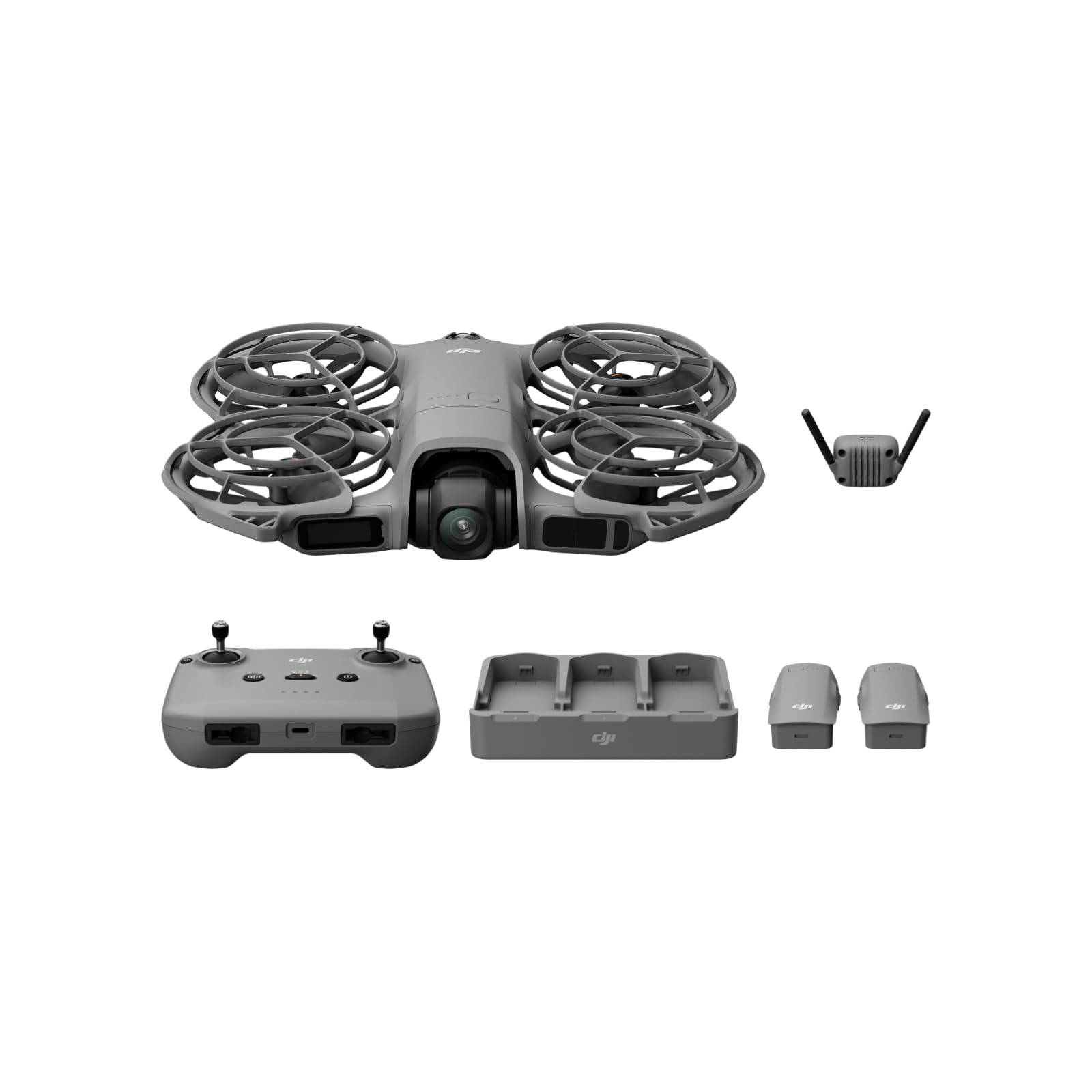
The Neo 2’s omnidirectional obstacle sensing makes it a strong choice for beginners flying near walls or furniture, reducing the risk of crashes. Each battery delivers roughly 10 minutes of flight, so rotating the three packs is necessary for longer sessions. Some units have shown ESC or gimbal issues shortly after purchase, so this drone suits buyers who prioritize collision avoidance over extended continuous flight.

Tip: Keep extra batteries charged and ready; the total flight time with all three is around 30 minutes.

Bottom line: Best for beginners who want robust crash prevention and don’t mind short per-battery flights; the three-pack bundle keeps sessions going with quick swaps.

6

DJI Mini 4K

DJI Mini 4K

Brand-conscious beginners

Our Score 9.0/10
Check Price

Worth Noting

  • Real-world battery life around 25 minutes, shorter than advertised
Weight
Under 249g
GPS & RT-H
Yes
Flight Time
~25 min per battery
Transmission Range
10 km

Delivers solid 4K footage with 3-axis gimbal stabilization and beginner-friendly flight controls. Battery life runs closer to 25 minutes, and Android users need to manually install the DJI Fly app. For a similar price, the Mini 3 offers longer flight time and fewer reliability concerns.

Bottom line: A solid entry point for those who prioritize DJI brand recognition and can manage shorter flight times or invest in extra batteries.

7

DJI Neo

DJI Neo

Ultra-portable casual

Our Score 9.0/10
Check Price

Worth Noting

  • Battery life is short at about 15 minutes, and the drone can occasionally lose control and drift away.
Weight
135g
GPS & RT-H
No
Flight Time
~15 min per battery
Transmission Range

The DJI Neo is impressively portable at 135g and easy to operate with palm takeoff and subject tracking. However, the real-world flight time hovers around 15 minutes, and some units have been known to lose control and drift away. This makes it better suited for casual, short-range use than for learning the basics of drone flight.

Bottom line: A good option for experienced travelers wanting a pocket drone for quick shots, but not the best training platform for new pilots due to battery and control quirks.

8

Potensic ATOM SE

Potensic ATOM SE

Budget GPS beginners

Our Score 8.8/10
Check Price

Worth Noting

  • Some units may stop working or lose camera function after a few flights.
Weight
Under 249g
GPS & RT-H
Yes
Flight Time
~30 min/batt, 62 total
Transmission Range
4 km

The Potensic ATOM SE offers a 4K EIS camera and GPS features at a budget-friendly price, making it a tempting entry-level option. However, the electronic stabilization struggles in wind compared to gimbal-equipped drones, and some units may experience camera or flight issues after limited use. It suits beginners who can accept these tradeoffs for the low cost.

Bottom line: A reasonable choice for beginners who prioritize budget over smooth footage and long-term dependability.

9

BLINORY HK55

BLINORY HK55

Budget GPS followers

Our Score 8.8/10
Check Price

Worth Noting

  • Each battery delivers roughly 15 minutes of flight time, requiring frequent swaps for extended sessions.
Weight
Under 250g
GPS & RT-H
Yes
Flight Time
~15 min/batt, 32 total
Transmission Range
5G

This GPS drone packs auto return, follow me, and waypoint flying into a budget-friendly frame. The 2K camera delivers acceptable daytime footage. However, each battery lasts about 15 minutes, and occasional GPS lock delays can interrupt a session. These tradeoffs keep it from competing with higher-priced models but fit a starter on a tight budget.

Bottom line: Best for beginners on a budget who prioritize GPS autonomous modes over battery endurance and are willing to swap batteries frequently.

10

RELIDOL PK01

RELIDOL PK01

Screen controller fans

Our Score 9.0/10
Check Price

Worth Noting

  • 1080p footage can be shaky without stabilization and each battery provides roughly 10 minutes of flight.
Weight
~200g
GPS & RT-H
No
Flight Time
~10 min/batt, 25 total
Transmission Range

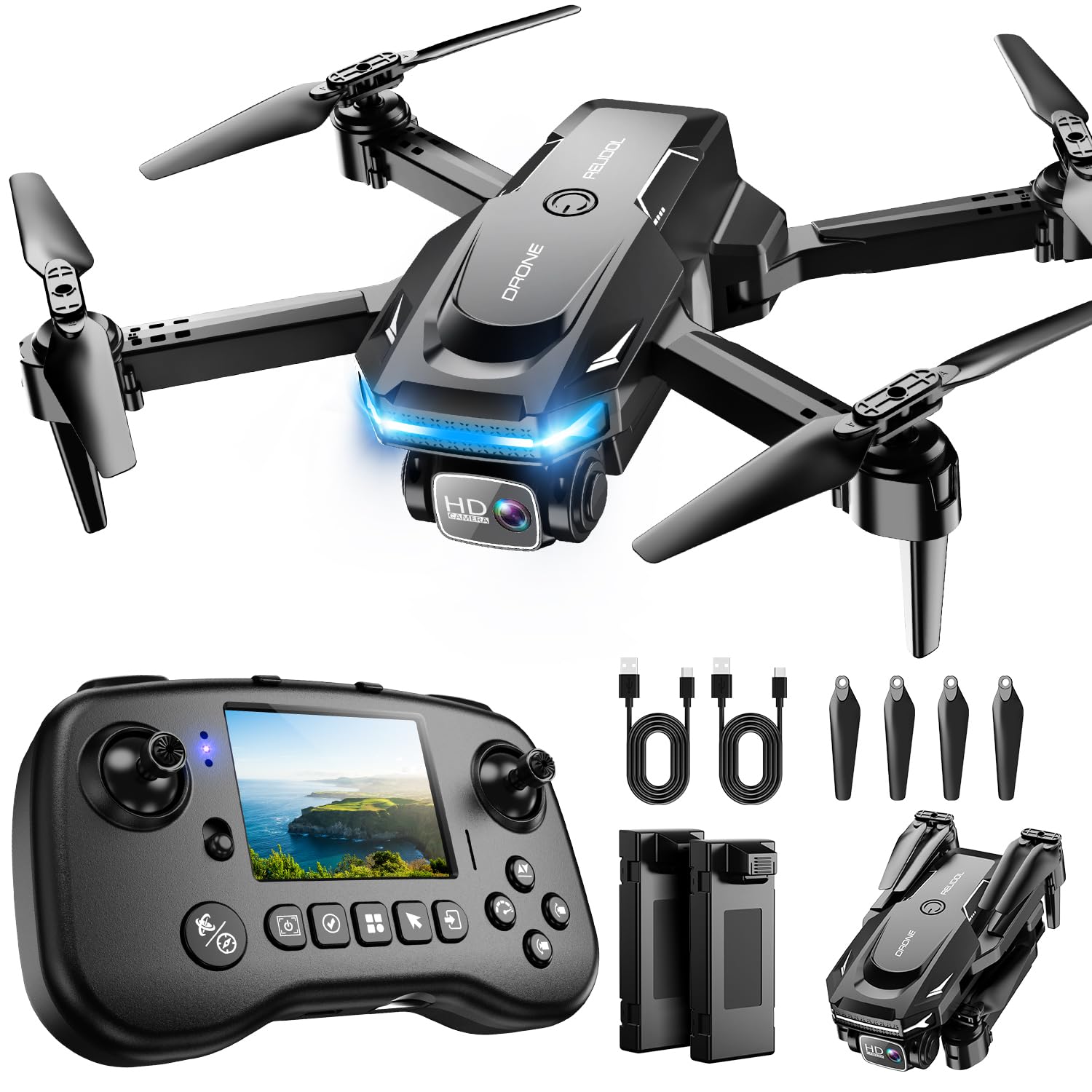
The controller's built-in screen eliminates phone pairing, making it intuitive for beginners. The kit includes an extra battery and carrying case for extended play. For the price, comparable drones with gimbal stabilization offer better video and longer flight time.

Bottom line: Best for beginners who value the integrated screen controller and are comfortable with modest camera performance and short flight sessions.

11

Oddire HD Drone

Oddire HD Drone

Budget beginners

Our Score 9.0/10
Check Price

Worth Noting

  • Footage may appear shaky due to lack of gimbal stabilization—suits casual recording but not smooth video.
Weight
~200g
GPS & RT-H
No
Flight Time
~12 min/batt, 25 total
Transmission Range

The Oddire Drone includes a carrying case, extra props, and two batteries for under $45—impressive for the price. The 1080p camera and easy controls suit beginners. However, each battery delivers about 12-14 minutes despite higher claims, and the lack of a gimbal means video stability is basic. This limits it compared to models with gimbal stabilization.

Bottom line: This drone is best for budget-conscious beginners who want a full accessory kit and don't need smooth video.

12

Holy Stone HS110D

Holy Stone HS110D

Absolute beginners

Our Score 8.4/10
Check Price

Worth Noting

  • Short flight time per battery and occasional motor reliability concerns
Weight
~149g
GPS & RT-H
No
Flight Time
~8 min/batt, 20 total
Transmission Range

This drone offers altitude hold, headless mode, and gesture control for easy flying, plus a 1080p camera with live video to your phone. Each battery provides roughly 8 minutes of flight, so two batteries give under 20 minutes total. Some units may experience motor or propeller inconsistencies, making this best for brief indoor practice sessions where you don't mind swapping batteries and accepting some unit-to-unit variance.

Bottom line: For absolute beginners on a tight budget who want to learn basic controls and snap a few aerial photos indoors, this drone works — just plan for frequent battery swaps and keep expectations modest for long-term durability.

How to Choose

Camera and Stabilization

The biggest difference in video quality comes from the stabilization system. A 3-axis mechanical gimbal physically counteracts drone movement, producing smooth footage even in moderate wind. Electronic image stabilization (EIS) crops the frame and can introduce latency or wobble, especially during fast turns or gusts.

For beginners who plan to share video online, a gimbal is worth the extra cost. If you only need a casual record of flights, EIS can be acceptable in calm conditions. Check the spec: if it says 'EIS' or 'stabilized video' without mentioning a gimbal, expect softer results.

Flight Time

Advertised flight times are measured in ideal lab conditions—no wind, steady hover, and a fresh battery. In real outdoor use, expect 15-20% less. A drone claiming 30 minutes will typically land after 22-25 minutes. Wind, camera use, and temperature all drain the battery faster.

The practical solution is to buy a 'Fly More' combo with extra batteries. A single battery gives you barely enough time to get comfortable; three batteries let you practice for an hour without waiting for charges. Also note that lithium polymer batteries degrade over time, so a drone with a quick-release battery helps you swap fresh ones easily.

Weight and FAA Registration

Drones under 249 grams (including battery and propellers) are exempt from FAA registration and can be flown with fewer restrictions. This makes them ideal for travelers and casual flyers. However, lighter drones are more susceptible to wind—above 30 mph gusts they can struggle to hold position.

Models over 249 grams require FAA registration (a small fee) and must display the registration number. In exchange, they often have more mass for stability in breezy conditions and can carry larger batteries for longer flight times. Weigh the convenience of no registration against the need for wind resistance.

GPS and Return-to-Home

GPS-based return-to-home (RTH) is the most important safety feature for a beginner. When the signal is lost or the battery hits a critical level, the drone automatically flies back to its takeoff point. Reliable RTH requires a good GPS lock before takeoff and a drone that maintains position during flight.

Budget drones often advertise RTH but may have weak GPS modules or software bugs that cause flyaways. Look for models with a dedicated RTH button and a track record of consistent performance. Reading user reviews about 'flyaway' incidents is more revealing than the spec sheet.

Video Transmission Range

Transmission range determines how far the drone can fly before the video feed breaks up or the control signal drops. For beginners, a range of 4-6 km is more than enough—most flying happens within 500 meters. Longer ranges (10 km) are useful for exploring landscapes but introduce more risk of signal interference.

The transmission frequency matters too: 2.4 GHz penetrates obstacles better, while 5.8 GHz offers lower latency but is blocked more easily. Many drones use dual-frequency systems that auto-switch. For open fields, either works; for wooded areas, prioritize 2.4 GHz stability.

Frequently Asked Questions