Home Appliances & Robots

8 Best Air Purifier 2026: Real Coverage for Your Room

Which air purifier actually cleans your room? We cut through exaggerated coverage claims to find models that deliver real allergen, smoke, and odor removal for your space.

Most air purifiers claim coverage for massive rooms, but that number is typically based on just one air change per hour. For allergy relief, you need four to five air changes per hour. That difference can turn a 1,500 sq ft claim into a 300 sq ft reality.

The real spec to trust is the Clean Air Delivery Rate (CADR). It measures how fast a unit removes smoke, dust, and pollen. Higher CADR means faster cleaning, but it often comes with louder operation or higher filter costs. Your choice depends on room size, noise tolerance, and budget.

This guide focuses on matching each purifier to its intended use. Whether you need near-silent sleep mode, smart controls, or raw power for a large open floor plan, the right pick balances CADR, noise, and long-term running costs.

1

Levoit Core 300-P

Top Pick
Levoit Core 300-P

Quiet Allergy Relief

Our Score 9.4/10
Check Price

Worth Noting

  • Noise on higher fan speeds will be distracting in very quiet rooms
  • Plug connection may require occasional adjustment after several months
Filter Type
3-in-1 HEPA-grade
Noise Level
24 dB Sleep Mode
Room Coverage
1073 sq ft (1x/hr)
Smart Features
None

The Levoit Core 300-P moves air quietly enough to place in a bedroom without disturbing sleep. In sleep mode the fan produces 24 dB — barely distinguishable from ambient background noise. For allergy sufferers who need filtration running overnight, this is the core appeal.

On higher fan speeds the noise jumps noticeably, typical of any purifier pushing enough air to clean a 222 sq ft room at 4.8 air changes per hour. The CADR ratings of 143/153/167 CFM for smoke/dust/pollen mean it handles moderate pet dander and cooking odors well. The 3-in-1 filter captures particles down to HEPA-grade, and carbon layer reduces smoke and pet smells.

This unit is best for someone who wants effective allergen and odor control without paying for smart features they won't use. There is no WiFi or app — control is manual via buttons. That keeps the price mid-range and the operation simple. The occasional plug connection issue has been noted; a secure plug fit and minimal cord movement reduces the chance of that happening.

Tip: Keep the power cord fully inserted and avoid yanking it — this reduces the likelihood of connection looseness over time.

Bottom line: For homes where quiet sleep-mode filtration and straightforward control matter more than app integration, the Levoit Core 300-P delivers consistent performance at a practical price.
2

Winix 5520

Winix 5520

Large Rooms & Pets

Our Score 9.2/10
Check Price

Worth Noting

  • Lacks a numeric PM2.5 display; auto mode uses colored lights that some find less informative.
  • At maximum speed, fan noise may be too loud for quiet environments
  • After extended use, some units may develop an audible motor hum.
Filter Type
True HEPA, carbon, pre-filter
Noise Level
23.5 dB lowest
Room Coverage
1882 sq ft (1x/hr)
Smart Features
WiFi, app, auto mode

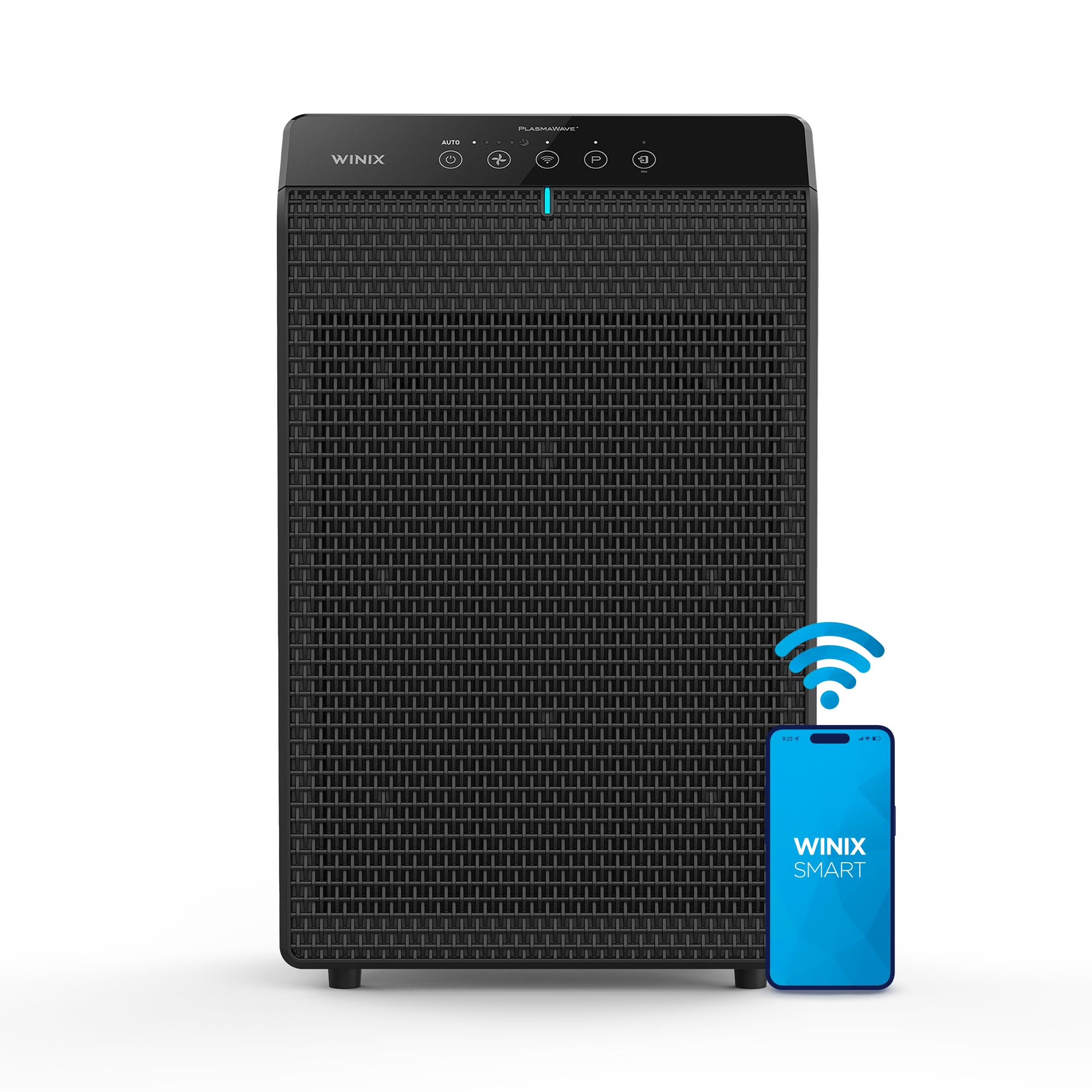
The Winix 5520 stands out for its whisper-quiet low-speed operation at 23.5 dB, making it one of the quietest air purifiers in its class. Combined with a washable pre-filter and a carbon layer that tackles cooking smells and pet odors, it handles the kind of airborne challenges that often plague open-concept homes. Unlike the Levoit Core 300-P, this model covers up to 1882 square feet at one air change per hour, though its auto mode relies on colored light indicators rather than a numeric PM2.5 readout.

This purifier suits buyers who want a near-silent background cleaner for a large living area or a dedicated pet room. The low-speed noise is low enough to go unnoticed, but the turbo setting produces a noticeable roar — acceptable for quick odor blasts during cooking or after vacuuming. The lack of a precise PM2.5 number means you’ll judge air quality by the colored ring, which some find less informative than a numerical display.

The washable pre-filter cuts down on replacement costs, and feedback points to a meaningful reduction in visible dust and allergens over time. After a few years of use, a small number of units may develop an audible motor hum — worth factoring in if you plan to keep it running continuously.

Tip: Keep it on low or medium for quiet operation; turbo is best reserved for quick smoke clearance during cooking.

Bottom line: For large open spaces and pet households that prioritize quiet low-speed operation over real-time PM2.5 numbers, the Winix 5520 delivers effective odor control and dust reduction with minimal ongoing filter costs.

3

Coway Airmega AP-1512HH

Coway Airmega AP-1512HH

Medium Room Premium

Our Score 9.2/10
Check Price

Worth Noting

  • High-speed noise (53.8 dB) can be disruptive in quiet spaces
  • A chemical smell may occur on first use and persist in some units
Filter Type
4-stage True HEPA
Noise Level
24.4-53.8 dB
Room Coverage
361 sq ft max
Smart Features
Eco mode, auto, timer

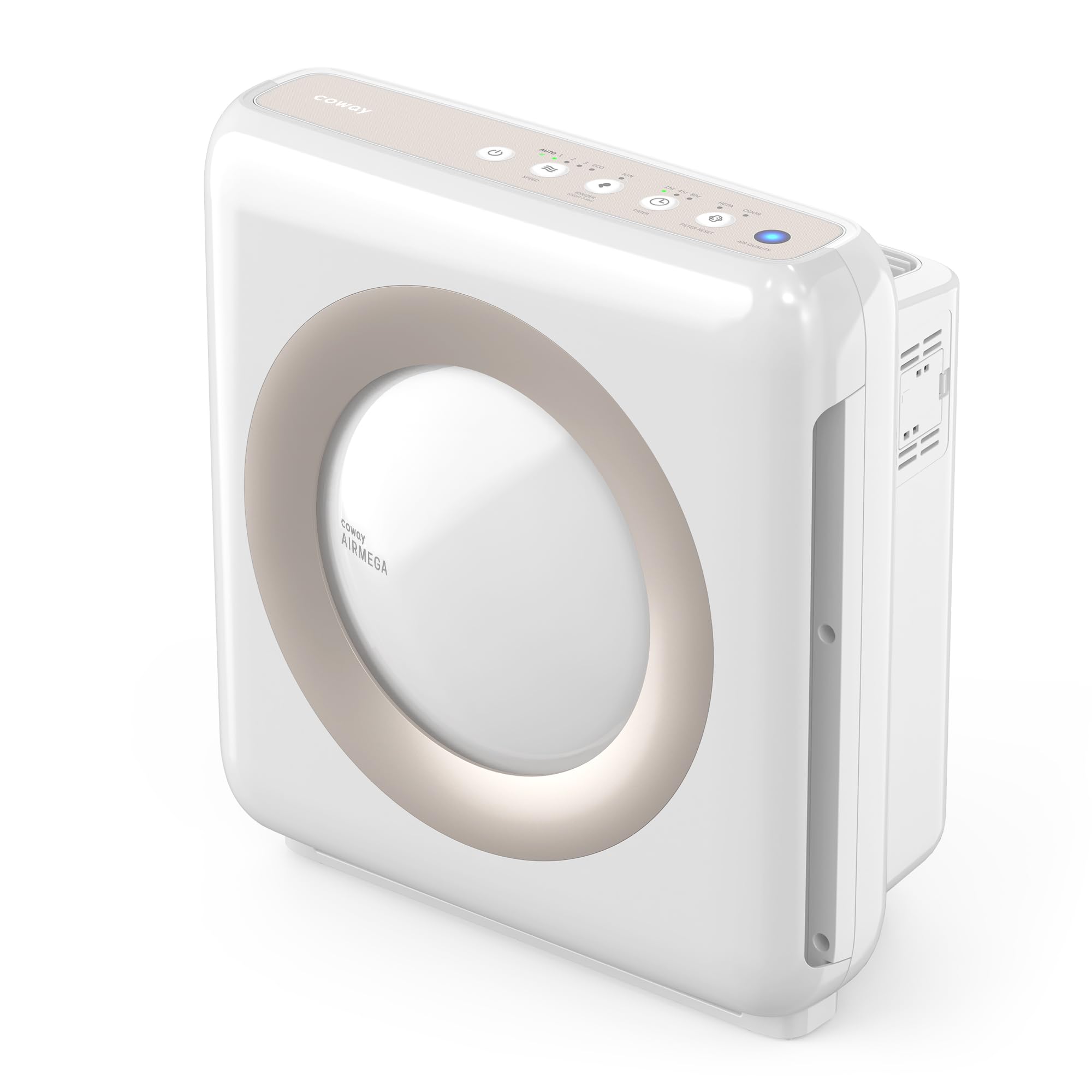
The Coway Airmega AP-1512HH earns consistent praise from independent testers for its 4-stage filtration — pre-filter, deodorization, True HEPA, and vital ion — and CADR figures (246 CFM dust, 240 CFM pollen, 233 CFM smoke) that effectively clean rooms up to 361 square feet. Long-term owners report the unit maintains its performance over years, with solid construction that holds up to daily use.

This purifier suits buyers who value filtration quality and expert validation over whisper-quiet operation. The auto mode and Eco function reduce energy use when air is clean, but at high speed the fan reaches 53.8 dB — noticeable in a quiet bedroom. Also, a chemical odor can appear on first use and may persist in some units. Those sensitive to fan noise at night will likely prefer the top pick’s quieter low-speed performance.

Tip: Run the purifier on high in a ventilated room for a few hours to reduce any initial chemical odor before placing it in a bedroom.

Bottom line: If filtration quality and independent awards matter more than silent operation, the Coway Airmega delivers — just factor in the noise on its highest fan speed.

4

AROEVE MK01

AROEVE MK01

Budget Small Room

Our Score 9.0/10
Check Price

Worth Noting

  • No air quality display or app controls
  • Coverage limited to about 287 sq ft
Filter Type
H13 True HEPA
Noise Level
22 dB Sleep Mode
Room Coverage
287 sq ft (1x/hr)
Smart Features
None

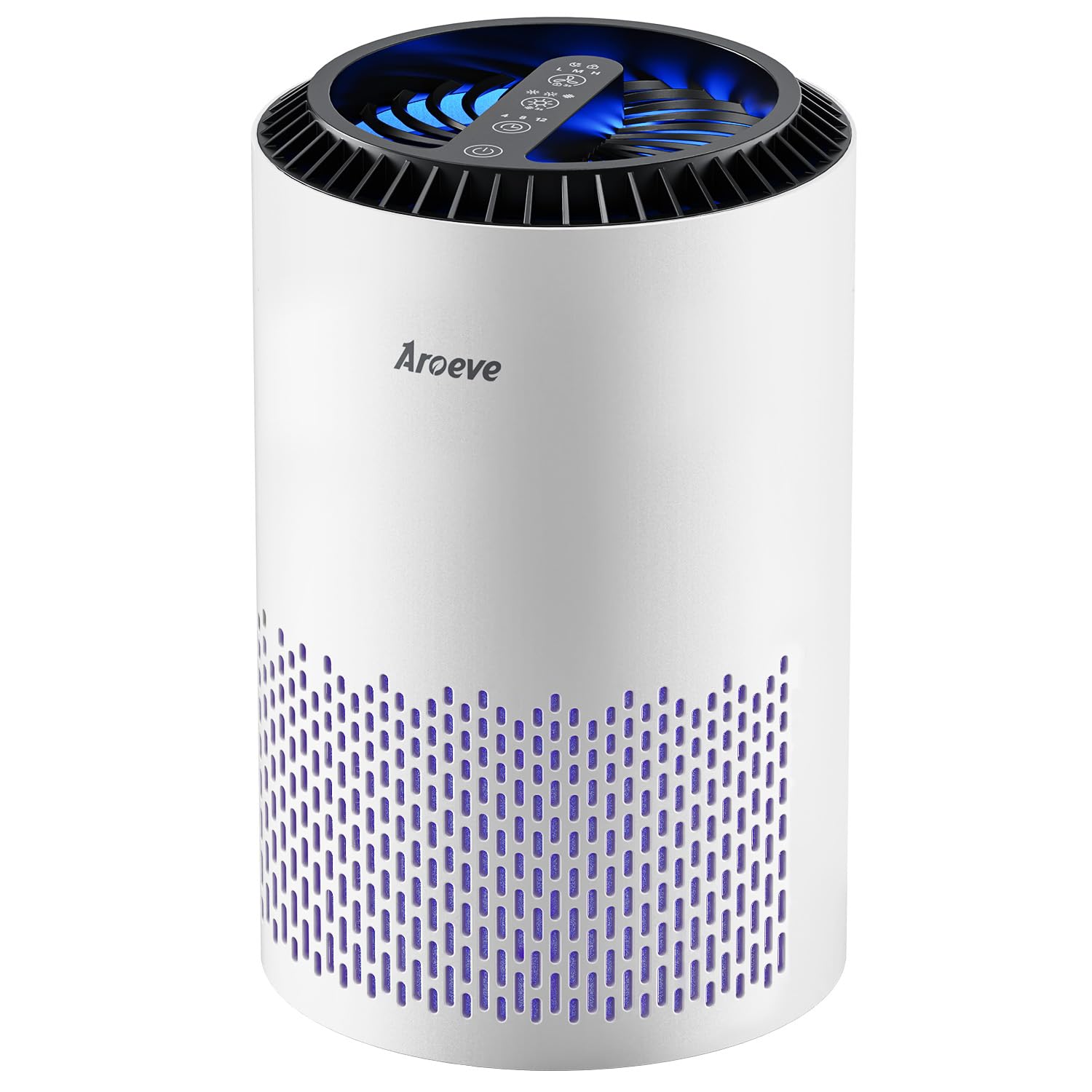
At under $40, the AROEVE MK01 achieves a near-silent 22 dB sleep mode that rivals purifiers costing twice as much. While smart compact alternatives add app control, this unit focuses on the basics: effective HEPA filtration and quiet operation without a premium price tag. The included essential oil tray offers a simple way to freshen the air, and the three fan speeds give enough flexibility for day and night use.

This purifier fits best in small bedrooms, dorms, or home offices up to 287 sq ft. It handles smoke, pet dander, and dust well, and the sleep mode is genuinely unobtrusive. But it’s not suitable for larger living areas or open floor plans — if your room exceeds 300 sq ft, consider a higher-CADR model like the top-pick Levoit Core 300-P. Also, there is no air quality display or app control, so you adjust speed manually.

Bottom line: The AROEVE MK01 is a smart buy if you want a quiet, effective purifier for a single small room and don’t need smart features.

5

Levoit Core 200S-P

Levoit Core 200S-P

Smart Small Room

Our Score 9.4/10
Check Price

Worth Noting

  • In a quiet bedroom, the highest fan speed is noticeably loud and may be distracting.
  • Some units may develop a squeaking noise from the fan after a year or two of use.
  • Covers only 140 sq ft at 4.8 air changes per hour
Filter Type
3-in-1 HEPA-grade
Noise Level
27 dB lowest
Room Coverage
140 sq ft (4.8x/hr)
Smart Features
WiFi, app, voice control

The Levoit Core 200S-P brings app and voice control to the compact air purifier segment at a price that undercuts most alternatives. Its sleep mode is near-silent — fine for light sleepers — and the 3-in-1 HEPA-grade filter handles common allergens and smoke well in small spaces.

This purifier is best suited for a small bedroom or dorm room where the convenience of scheduling and voice commands matters. Its effective coverage tops out around 140 square feet, so it will not clean a living room or open floor plan. On the highest fan speed, noise climbs to a level that makes it more comfortable in a separate room or during the day.

In a typical 120 sq ft bedroom, the Core 200S-P noticeably reduces airborne dust and pollen, with the activated carbon layer cutting mild cooking odors and smoke. Users consistently see less sneezing and congestion in the room where it runs. The tradeoff for the quiet sleep mode is that faster speeds are noticeably louder — a reality shared with most compact purifiers.

Tip: If you hear a squeak after extended use, check the fan for dust buildup – cleaning can sometimes resolve it without replacement.

Bottom line: For a small bedroom or dorm where smart control matters more than room-filling power, the Core 200S-P delivers quiet, effective filtration at a budget-friendly price — just keep expectations on coverage realistic.

6

MOOKA PR1

MOOKA PR1

Budget Pet Odor

Our Score 9.2/10
Check Price

Worth Noting

  • PM2.5 display can show erratic readings in some units
  • Fan motor may stop working after extended use in isolated cases
Filter Type
4-stage washable pre-filter
Noise Level
26 dB Sleep Mode
Room Coverage
2200 sq ft claimed
Smart Features
PM2.5 display, auto, pet mode

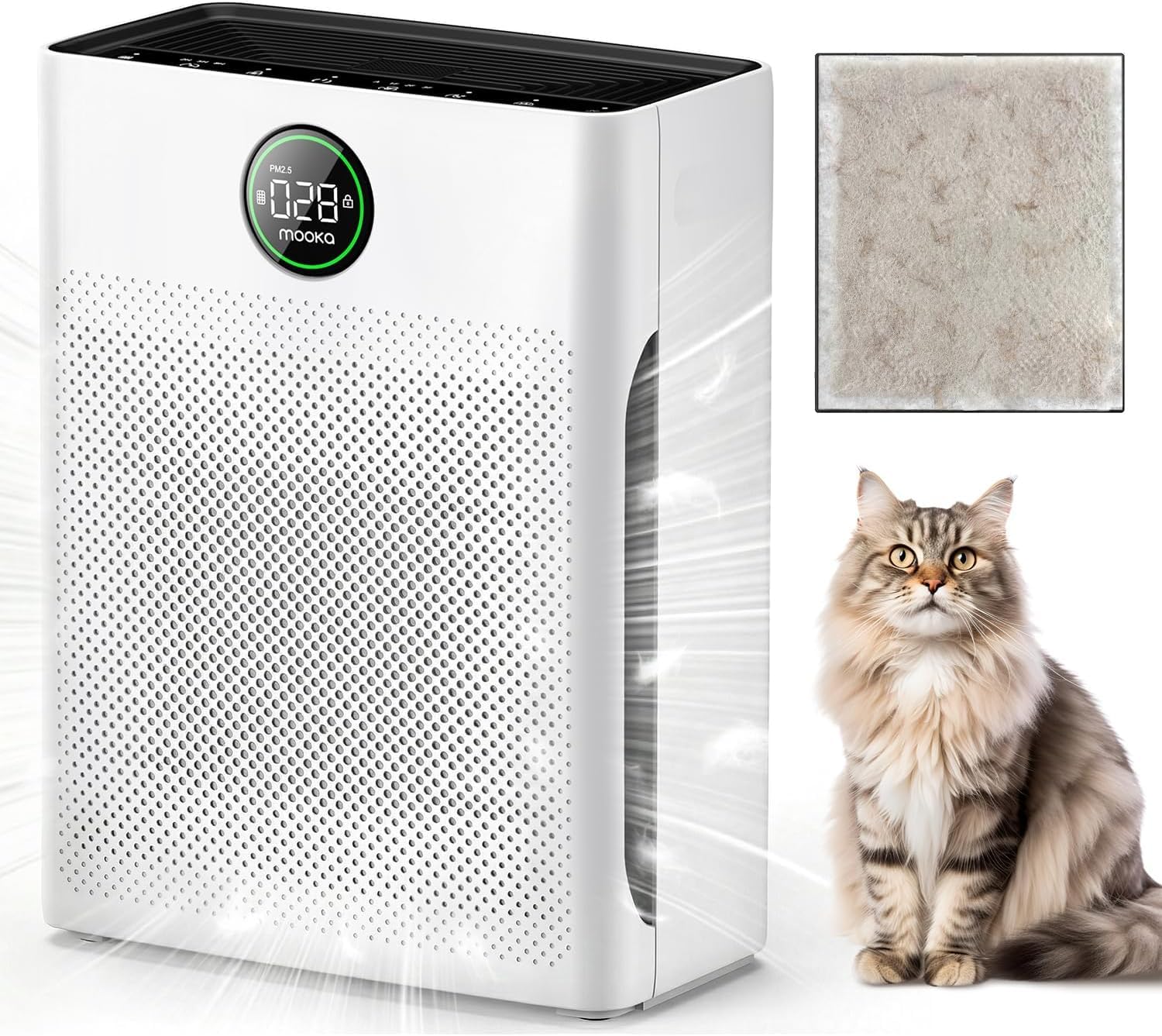
The MOOKA PR1 packs useful features at a low price: a PM2.5 display, a dedicated pet mode, and an aroma pad for essential oils. Noise is very low in sleep mode, and the washable pre-filter reduces ongoing costs. For pet owners on a budget, it handles hair and odors well in rooms up to 400 sq ft. However, the advertised 2200 sq ft coverage is based on 1 ACH, not practical CADR performance. The PM2.5 sensor can show erratic readings (e.g., a stuck 005), and some units have developed fan issues after several months of use. These tradeoffs make it best suited for casual use in a bedroom or office rather than whole-home coverage.

Bottom line: This purifier works for pet owners on a budget who need PM2.5 feedback in a medium room and don't mind occasional sensor quirks.

7

KNKA APH4000

KNKA APH4000

Ultra-Quiet Sleep

Our Score 9.4/10
Check Price

Worth Noting

  • Replacement filters are pricey, raising long-term ownership cost
Filter Type
Dual 3-stage HEPA carbon
Noise Level
22-24 dB Sleep Mode
Room Coverage
1695 sq ft (1x/hr)
Smart Features
AQI display, auto, pet mode

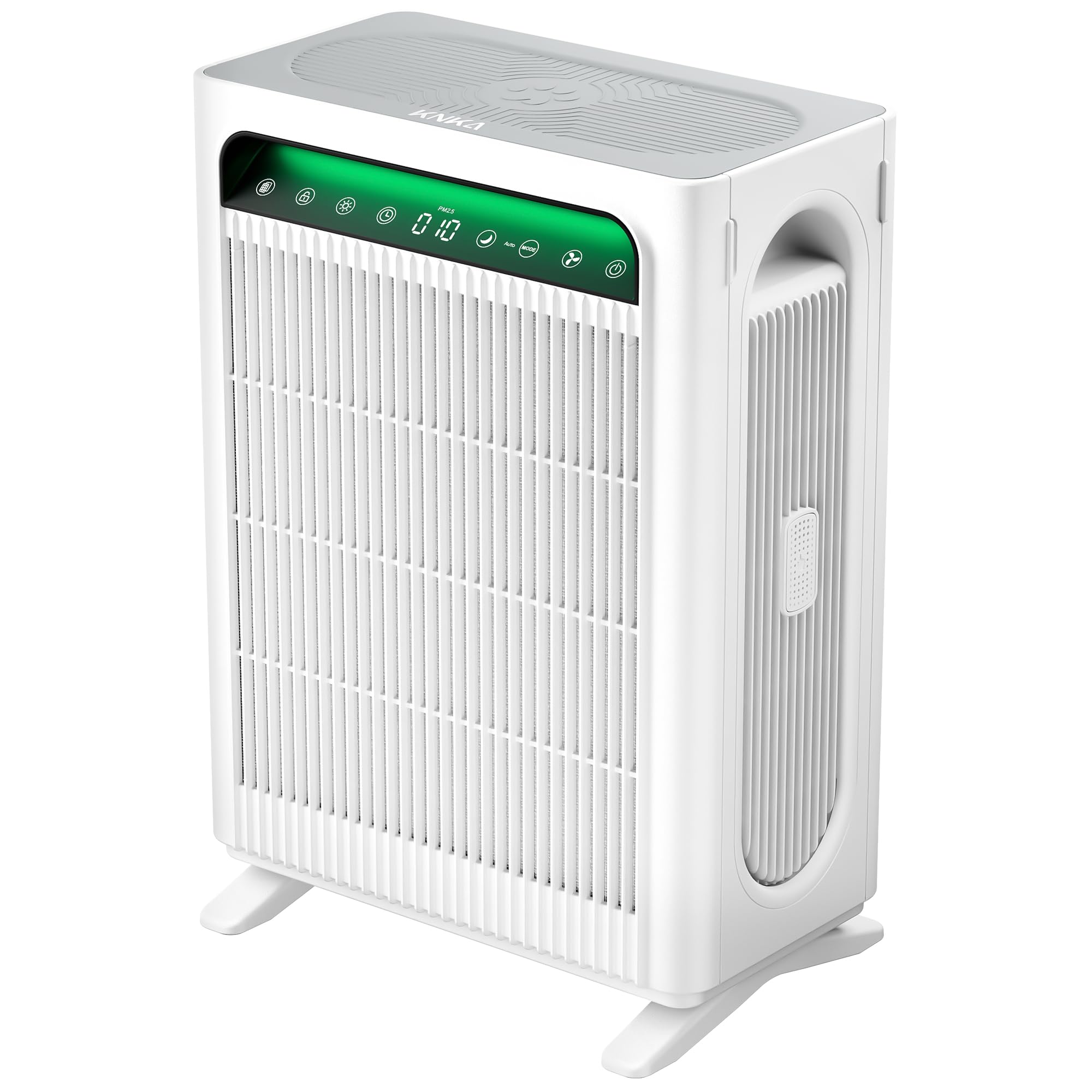
The KNKA APH4000 is a strong contender for anyone who prioritizes a near-silent bedroom environment. Its sleep mode runs at 22-24 dB, which is genuinely unnoticeable even in a quiet room. The dual 3-stage filters (washable pre-filter, HEPA, activated carbon) do a thorough job on dust, pollen, and pet dander, and setup takes under five minutes. However, this is a newer brand with limited long-term reliability data compared to established models like the Levoit Core 300-P. Replacement filters also carry a higher ongoing cost, which adds up over time. For buyers willing to accept those tradeoffs, the APH4000 offers immediate performance and exceptional nighttime comfort.

Bottom line: Best suited for sleep-focused buyers in medium to large rooms who value near-silent operation and are comfortable with higher ongoing filter costs.

8

Shark HP201

Shark HP201

Also Great

Our Score 9.2/10
Check Price

Worth Noting

  • Premium price for the coverage area
  • Possible unit failure after 8-12 months of use makes long-term dependability unclear.

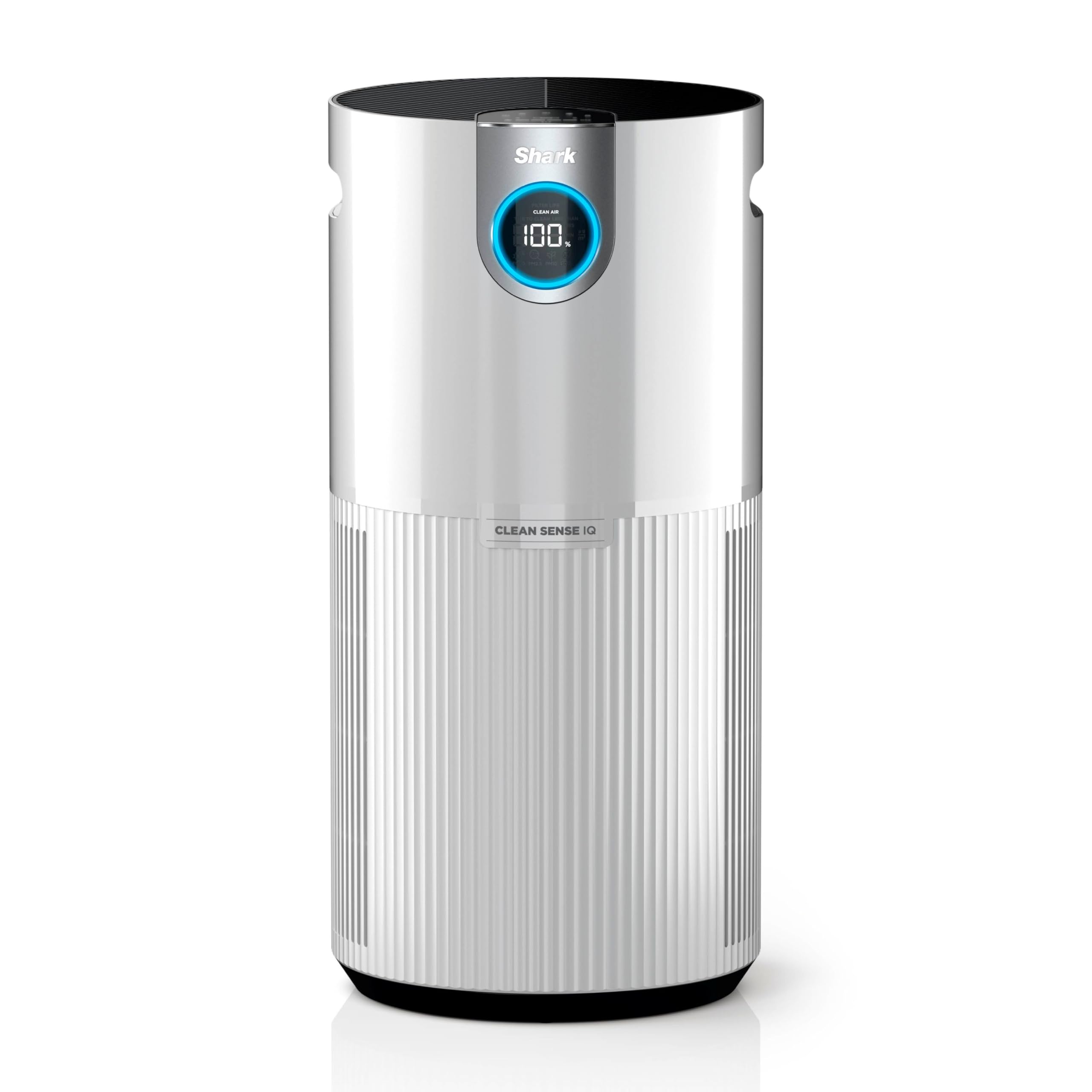
The Shark HP201’s CleanSense display shows the percentage of clean air in real time, and its Nanoseal HEPA captures 99.98% of particles, making it a capable performer for large rooms up to 1,000 sq ft. It runs quietly on lower speeds and is simple to set up. At a premium price for its coverage area, the HP201 carries some uncertainty: a minority of units may cease to function after several months of use, so it suits buyers who prioritize the display feature and are comfortable with possible early replacement.

Bottom line: For buyers who value the real-time air quality percentage display and accept the possibility of early replacement, the HP201 delivers strong filtration in a large room.

How to Choose

Clean Air Delivery Rate (CADR)

CADR measures cubic feet per minute of air cleaned for smoke, dust, and pollen. A higher CADR means faster filtration, but it also demands a more powerful fan, which can increase noise and energy use. For a 200 sq ft bedroom, a CADR of at least 100 CFM for smoke is a reasonable target. In wildfire or heavy smoke areas, prioritize smoke CADR over dust or pollen.

Room Coverage

Pay attention to whether the coverage number is based on 1 air change per hour or 4.8. Most listings use 1 ACH, which is fine for general air maintenance but insufficient for allergy relief. A purifier rated for 1,000 sq ft at 1 ACH may only effectively cover 200 sq ft at 4.8 ACH. Match the 4.8 ACH coverage to your room size for noticeable improvement.

Noise Level

Sleep mode noise ratings of 22-27 dB are typical and barely audible. But higher fan speeds can exceed 50 dB, which is loud enough to disrupt conversation or sleep. If you need quiet overnight, look for a unit with a sleep mode that stays below 30 dB. Units with larger fans often move more air at lower speeds, reducing noise.

Filter Type and Replacement Cost

True HEPA filters capture 99.97% of particles, while HEPA-grade (as used by Levoit) meets a slightly lower standard but still performs well. Activated carbon layers handle odors and VOCs. Washable pre-filters extend main filter life and lower annual costs. Replacement filter prices vary from $15 to $50; factor that into your total cost of ownership over two years.

Smart Features

WiFi, app control, and voice commands offer convenience like scheduling, remote operation, and air quality monitoring. Auto mode adjusts fan speed based on real-time pollution levels. These features add $20-50 to the upfront cost but don't affect cleaning performance. If you don't need them, a simpler unit delivers the same air quality at a lower price.

Frequently Asked Questions