Wearables & Health

7 Best Smart Glasses 2026: Camera, Battery, and Build You Can Trust

Find smart glasses that actually deliver on camera quality, battery life, and durability — without the hidden reliability risks.

Smart glasses promise hands-free photo, video, and AI assistance, but many buyers find that battery life falls to half the advertised number, speakers stop working within months, and frames can snap under normal use. The gap between marketing and real-world performance is wider than most expect, leaving owners frustrated after a few weeks.

This guide focuses on models that deliver on their core promises — sharp camera, usable battery, and a frame that holds up to daily wear. It also flags the specific trade-offs you need to accept, like shorter battery for a lower price or better reliability for a premium. Knowing these boundaries upfront saves you from buying something that only works well in a demo.

The right choice comes down to how you use them: short casual clips or all-day recording. No single pair does everything well, so matching the tool to your routine is what makes the difference.

1

Ray-Ban Meta Gen 1

Top Pick
Ray-Ban Meta Gen 1

Hands-free capture

Our Score 8.6/10
Check Price

Worth Noting

  • Battery lasts around two hours
  • Speaker or overall functionality can degrade on some units after a few months
  • Frame arms may snap under normal use
Camera
12 MP ultra-wide
Battery Life
~2 hours real-world
Audio Quality
Open-ear speakers
AI & Translation
Meta AI assistant

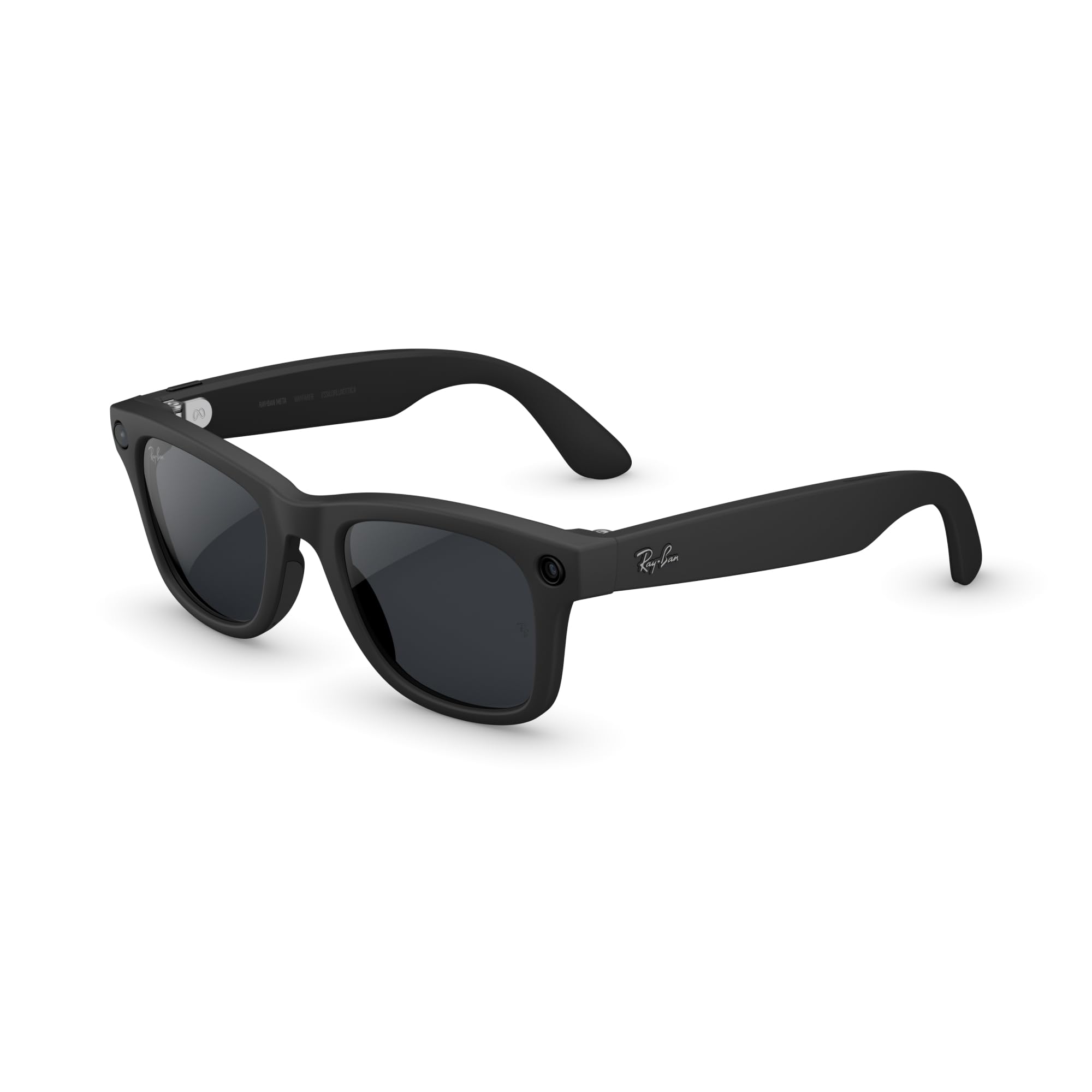
The Ray-Ban Meta Gen 1 stands out for its ability to capture crisp 12 MP photos and stable video while looking like a pair of everyday Wayfarer sunglasses. The open-ear speakers provide clear audio for calls and music without blocking ambient sound, making them suitable for casual walks or quick errands. The ultra-wide lens captures a broad field of view, and image quality holds up well in varied lighting conditions.

Battery life runs about two hours of active use — enough for a handful of short recording sessions but not a full day of heavy shooting. Some units have shown speaker or functionality hiccups after a few months, and the frame arms can snap under stress. These issues are not universal, but they are worth checking for if you plan to rely on the glasses daily.

This pair suits fashion-conscious users who want hands-free photo and video capture for social sharing, short walks, or quick notes. It also fits Meta ecosystem fans who appreciate the built-in AI assistant for voice commands. If you need all-day battery life or rugged durability for outdoor sports, the newer Gen 2 model (with roughly four times the battery) is a better fit — though at a higher price.

Tip: Keep a portable charger handy if you plan to record more than a few clips throughout the day.

Bottom line: If you want the best balance of style, camera quality, and price in a smart glasses package — and can live with a two-hour battery and occasional hardware variance — this is the pick to beat.
2

Meta Ray-Ban Gen 2

Meta Ray-Ban Gen 2

Content creators

Our Score 8.2/10
Check Price

Worth Noting

  • In heavy-use scenarios, battery life may fall short of the 8-hour claim.
  • Audio from the open-ear speakers can degrade or become intermittent after weeks of use.
  • Frame part connections (nose pad, hinge) may loosen over time under daily wear.
Camera
12 MP, 3K Ultra HD
Battery Life
Up to 8h claimed
Audio Quality
Open-ear speakers
AI & Translation
Meta AI

The Meta Ray-Ban Gen 2 delivers noticeably longer battery life and sharper 3K video than its predecessor, keeping the same iconic Wayfarer silhouette that passes for standard sunglasses. Where the top pick prioritizes proven performance at a lower price, the Gen 2 leans into endurance and image quality for those who need extended recording sessions without stopping to recharge.

Battery life is solid for casual use, but heavy continuous streaming or constant video capture can drain it faster than the advertised 8-hour mark. The open-ear speakers work well in quiet indoor settings, though some units have shown intermittent audio output over time. The frame’s hinges and nose pad have also seen occasional reports of loosening, which matters most if the glasses are your daily driver in active environments.

This is the right fit for content creators who prioritize hands-free recording duration and want the latest camera upgrade, provided they accept that hardware variability — particularly speaker longevity and battery consistency — can occur. It is less suited for buyers who need long-term, worry-free daily wear or who are on a tighter budget; the Gen 1 or alternatives with stronger track records may serve them better.

Tip: Keep a small power bank handy for days when you plan to record or stream heavily; topping off during breaks ensures you don't hit the battery ceiling early.

Bottom line: If extended recording time and 3K video matter more than the lower price and established track record of the top pick, the Gen 2 is a worthwhile upgrade — just be aware that speaker and frame consistency can vary between units.

3

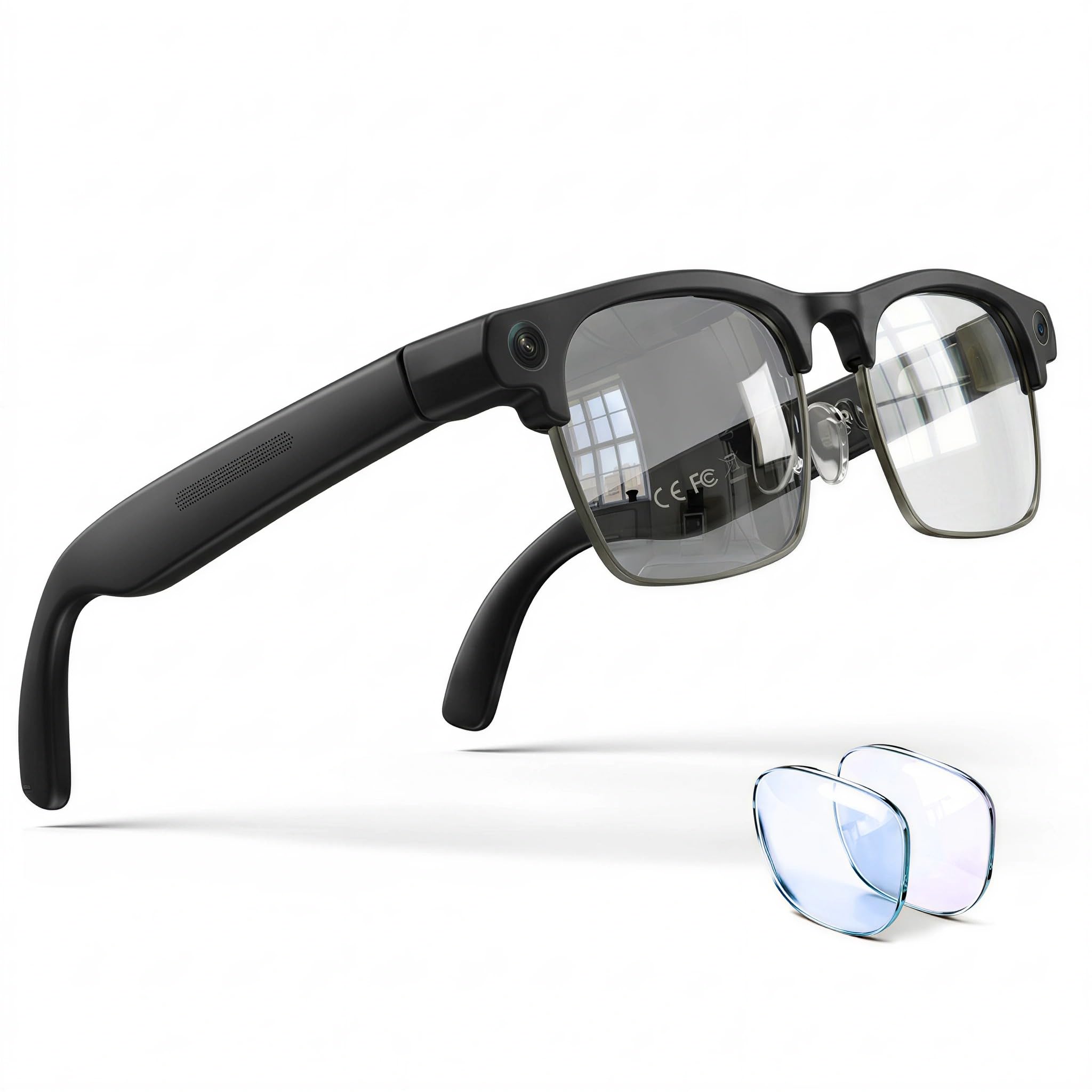
Plunthorn AI Glasses

Plunthorn AI Glasses

Ultra-budget recording

Our Score 8.4/10
Check Price

Worth Noting

  • Video resolution does not satisfy high-quality recording demands
Camera
4K video (claimed)
Battery Life
290 mAh, 7h music
Audio Quality
Open-ear
AI & Translation
Real-time translation

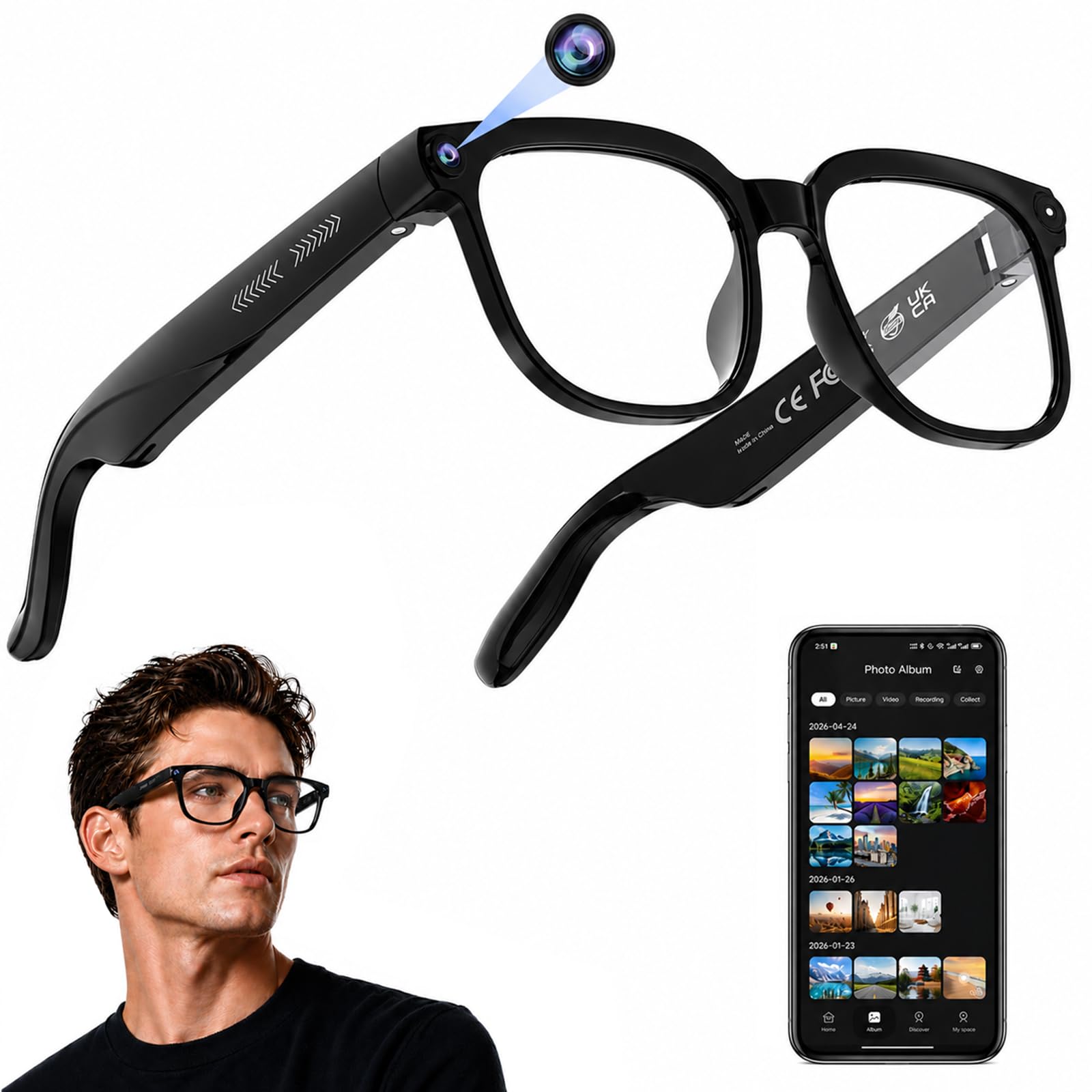
Good video quality for the price, a comfortable lightweight frame, and simple setup make the Plunthorn AI Glasses an appealing entry point for budget buyers. Video captures are clear enough for casual sharing and recording, though they do not match the sharpness of more expensive models. The open-ear audio is adequate for quick listening, and real-time translation works as advertised.

These glasses are best suited for first-time smart glasses users who want to experiment with recording and translation without a large investment. They work well for occasional use in well-lit settings. Buyers who need higher resolution or plan to use the glasses daily should consider a more advanced model.

Bottom line: For the price, the Plunthorn offers a functional set of features for casual users, provided they keep expectations aligned with the budget tier.

4

EGQINR AI Smart Glasses

EGQINR AI Smart Glasses

Budget travelers

Our Score 8.8/10
Check Price

Worth Noting

Camera
8 MP, 4K video
Battery Life
300 mAh, 7h music
Audio Quality
Open-ear with ENC
AI & Translation
130+ languages

The 8MP camera captures detailed photos and 4K video that hold up well for casual vlogging and travel documentation. The open-ear audio with ENC keeps calls clear, and the translation feature supports 130-plus languages — a practical tool for navigating foreign environments. The frame is lightweight and comfortable for all-day wear. However, because the product has not been used extensively across a wide user base, its long-term reliability remains an open question. For buyers seeking a low-cost introduction to smart glasses with camera and AI assistance, this model offers a compelling feature set without demanding a high investment.

Bottom line: A budget-friendly entry point for first-time smart glasses buyers who want camera and translation features without committing to a higher price point or a brand with a long track record.

5

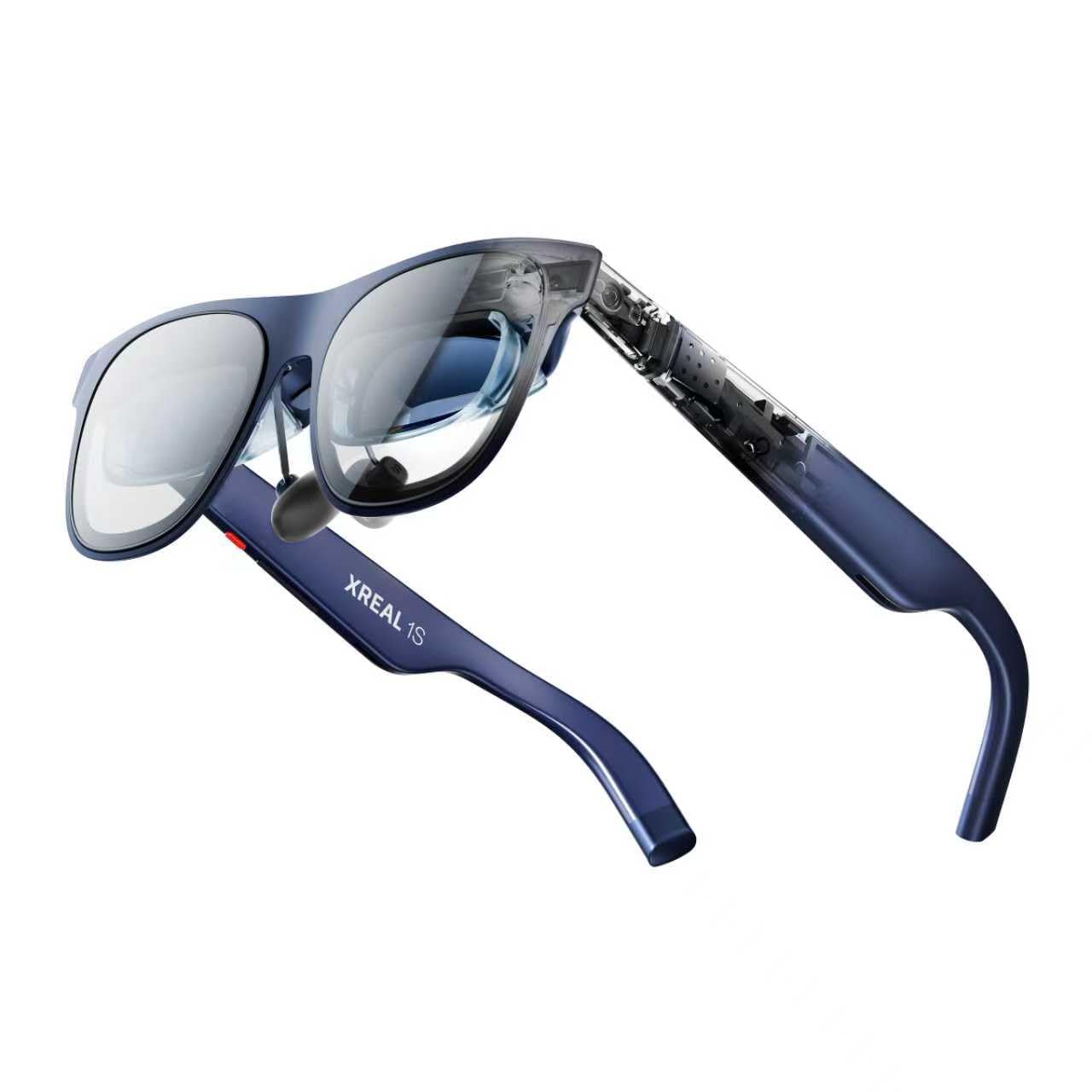
XREAL 1S AR Glasses

XREAL 1S AR Glasses

Also Great

Our Score 8.2/10
Check Price

Worth Noting

  • In bright rooms, reflections on the lenses can reduce visibility
  • During extended viewing sessions, the fit may feel heavy or warm

The XREAL 1S delivers an immersive 500-inch virtual screen with native 3DoF tracking, making it a strong choice for portable media consumption and productivity with multiple monitors. Bose audio and 120Hz refresh enhance the experience. However, this is a display-only device: no camera, no recording, no AI assistant. Image clarity may not be sharp edge-to-edge, and reflections can appear in bright environments. Comfort can diminish during longer sessions. For those seeking a large virtual screen for gaming or movies, it delivers – but it does not compete with smart glasses that capture video or offer AI.

Bottom line: Best suited for users who prioritize a large portable virtual display over camera or AI features – ideal for movie streaming and light productivity on the go.

6

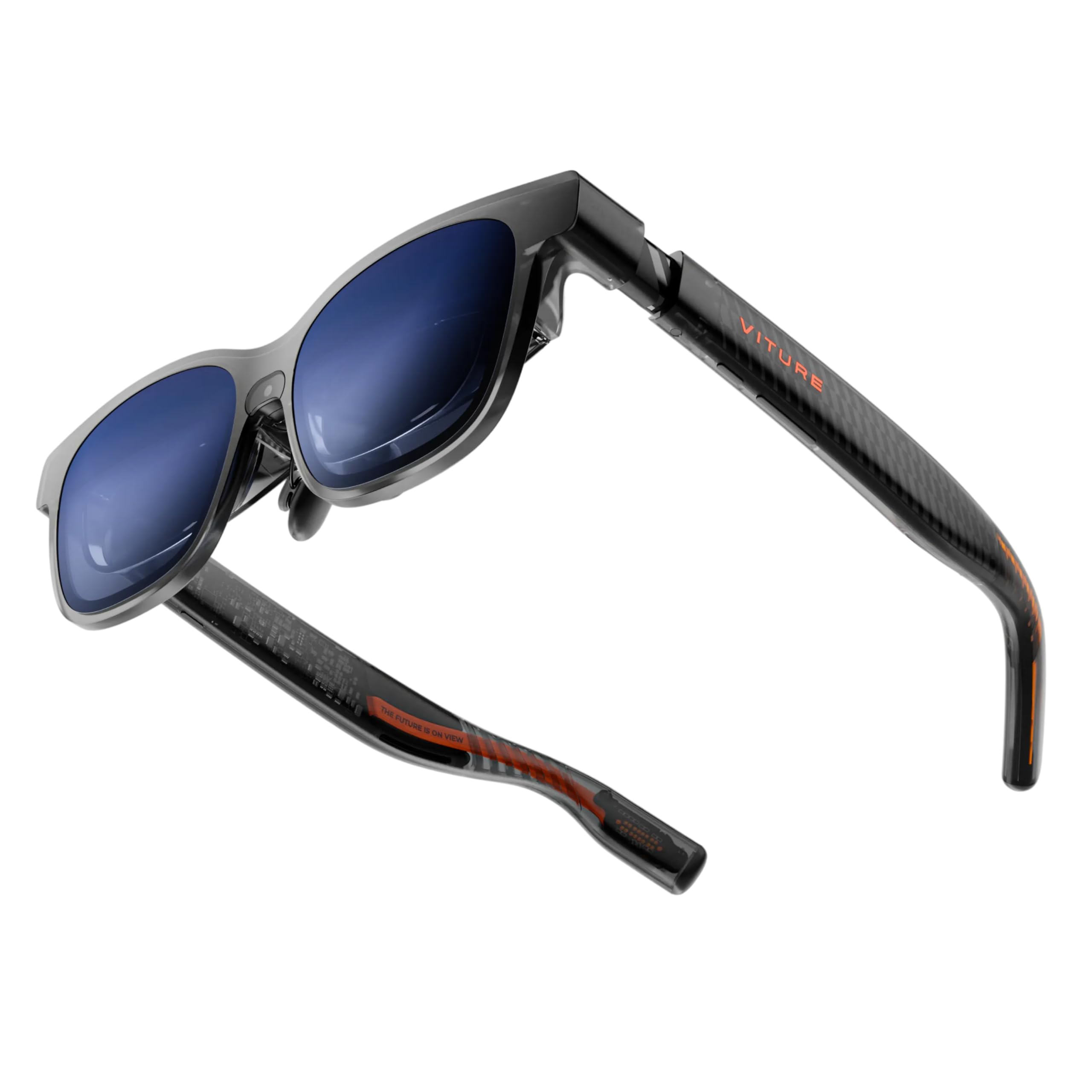
VITURE Luma Pro XR

VITURE Luma Pro XR

Also Great

Our Score 8.2/10
Check Price

Worth Noting

  • In bright environments, lens reflections can reduce image clarity
  • Some units may not power on or function as expected, requiring warranty support.

The VITURE Luma Pro XR delivers a remarkably clear 152-inch virtual display at 1200p and 120Hz, with Harman-tuned audio and myopia adjustment up to -4.0D – ideal for immersive media consumption on the go. However, this is a dedicated AR monitor, not a smart glasses with camera or AI assistant. The lack of recording and smart features places it outside the scope of shoppers seeking integrated camera and AI. Additionally, some units may exhibit operational quirks, and in bright outdoor settings, reflections can reduce contrast – conditions that matter less for indoor or evening use.

Bottom line: Best suited for media enthusiasts who prioritize display quality over smart features and plan to use it in controlled lighting conditions.

7

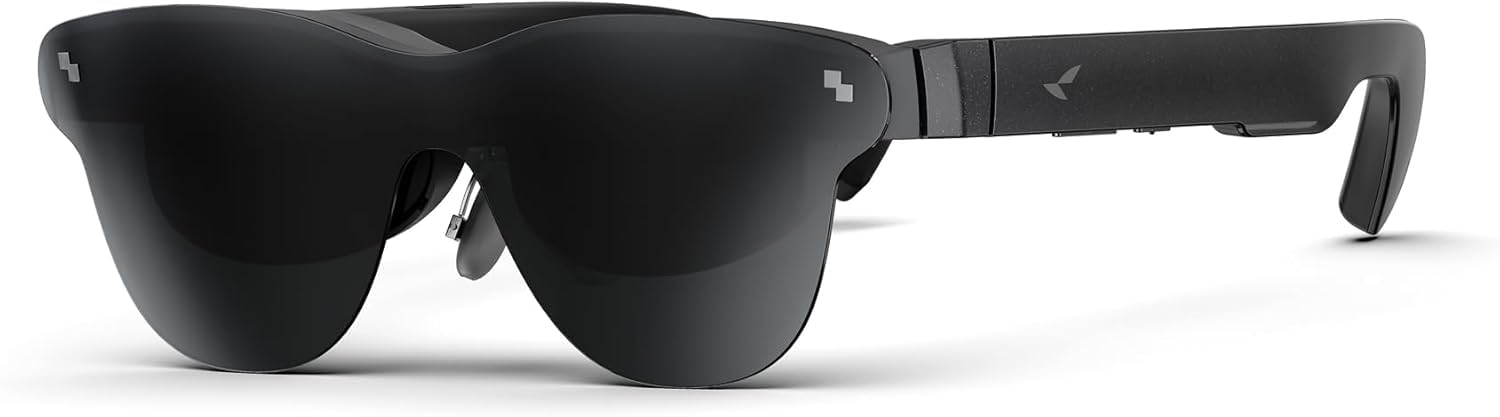
RayNeo Air 4 Pro

RayNeo Air 4 Pro

Also Great

Our Score 8.2/10
Check Price

Worth Noting

  • Nose bridge can cause pressure during extended wear
  • May not power on with some devices, so check compatibility

The RayNeo Air 4 Pro offers a bright HDR virtual screen and Bang & Olufsen sound, with a build that feels solid. This makes it a good fit for watching movies or playing games on a large 201-inch display. Some units may not power on with certain devices, and the nose bridge can press uncomfortably for some wearers during longer sessions. It has no camera, AI assistant, or recording capability, so it's not a replacement for smart glasses. This is a reasonable entry-level AR option for media-focused users on a budget.

Bottom line: Best for budget-conscious buyers who want a large portable display for media and have a compatible device, but not for those needing smart glasses features.

How to Choose

Camera Resolution and Video Quality

Camera specs like 12MP or 4K video are common, but real-world quality depends on sensor size, stabilization, and processing. A 4K claim on a budget pair may actually be upscaled 1080p, so check sample footage.

Meta's 12MP ultra-wide sensor consistently delivers sharp images with good dynamic range, while budget models often struggle in low light or with motion blur. For hands-free recording, look for electronic image stabilization to avoid shaky clips.

Battery Life (Real-World)

Battery life is the most exaggerated spec. Most brands advertise 8 hours of music playback, but actual use with camera, AI, and constant connectivity cuts that to 2-4 hours.

The chemistry of lithium-ion batteries also degrades over time, especially if you frequently drain them to zero. Some users report 20-minute battery after months of use, which points to a defect in certain units.

Audio Quality and Sound Leakage

Open-ear speakers let you hear your surroundings, but they also leak sound — people nearby can hear your calls or music. This is fine for short clips but not for private conversations.

Better models tune the speakers to minimize leakage, but no open-ear design is fully private. If audio isolation matters, consider wired earbuds as a backup.

AI Assistant and Translation Reliability

AI features like voice commands and real-time translation depend heavily on a stable internet connection via your phone. Translation accuracy varies widely between language pairs, with common languages like Spanish or French working well but rarer ones being unreliable.

Meta AI works within its ecosystem, while budget glasses often use third-party apps. The translation feature is a nice bonus, not a primary reason to buy.

Comfort, Fit, and Durability

Frame durability is a consistent weak point across all smart glasses. Arms can snap, nose pads fall off, and hinges loosen over weeks of daily use. Heavier frames also cause discomfort on the nose after an hour.

Look for models with reinforced hinges and lightweight materials like acetate. A good fit is crucial — if the glasses slide down, the camera and audio alignment suffer.

Frequently Asked Questions