Wearables & Health

13 Best Fitness Tracker for Women 2026: Long Battery & GPS, No Fees

Find the fitness tracker that lasts with accurate GPS and no hidden subscription fees – designed for women who want style and durability.

Many fitness trackers marketed to women promise lasting performance but run out of steam within a year – dead batteries, failed charging, or syncing headaches. The gap between advertised battery life and real-world use often hits 30-50%, and subscription fees can add hundreds annually. This guide focuses on the trackers that actually deliver on battery, GPS accuracy, and reliability without forcing you into a paid plan.

The biggest hidden trade-off? Choosing between premium materials like sapphire glass and leather straps versus a device with a proven record of long battery life and accurate GPS. Your decision comes down to whether you value daily wear elegance or weekend endurance.

1

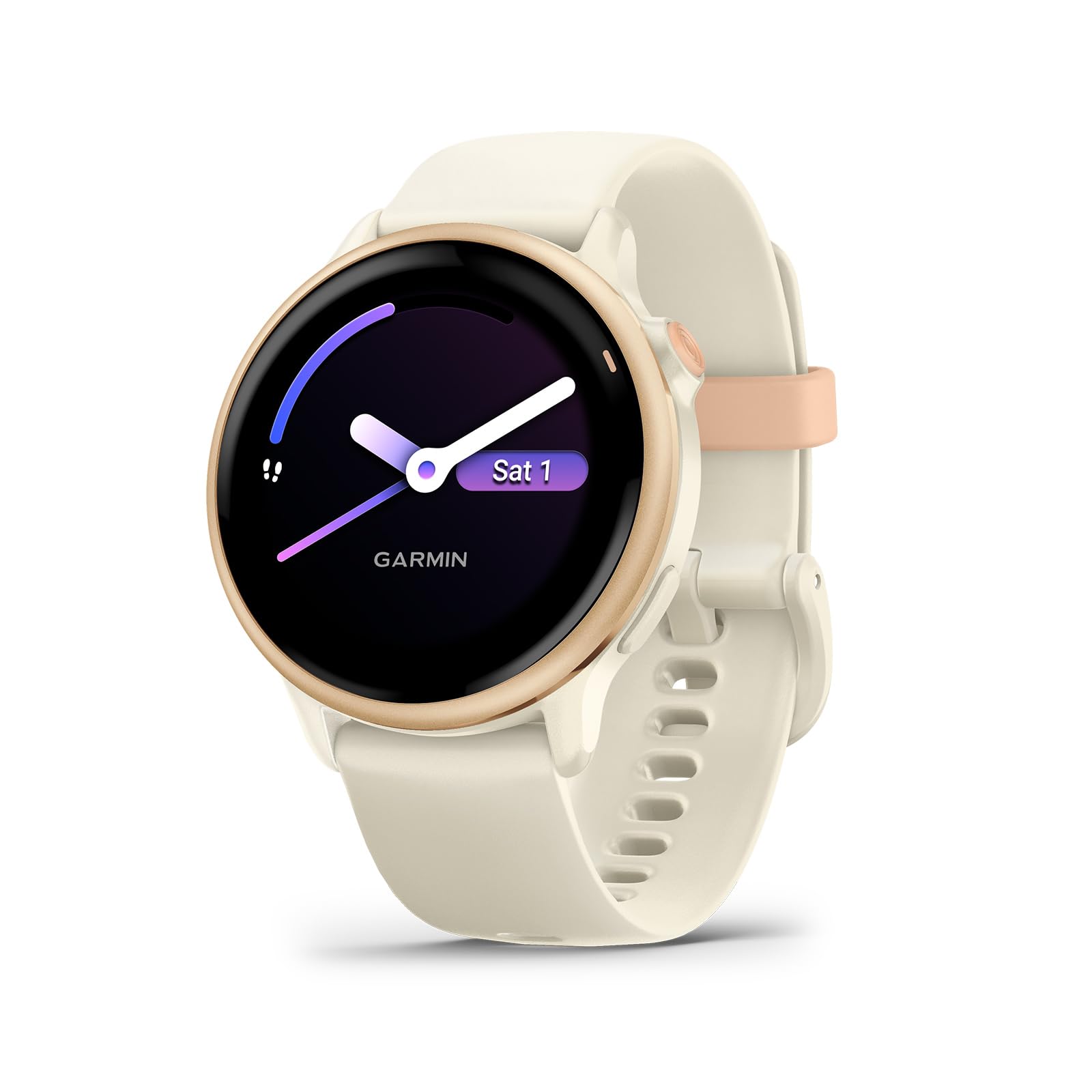
Garmin vivoactive 5

Top Pick
Garmin vivoactive 5

Runners & outdoors

Our Score 8.6/10
Check Price

Worth Noting

  • Battery life under heavy use may fall to 5 days rather than the advertised 11
  • Software performance can vary between units, with some experiencing glitches
Display
1.2" AMOLED
GPS Type
Built-in
Battery Life
5-7 days
Compatibility
iOS & Android

The Garmin vivoactive 5 delivers a real-world 5-7 day battery life with built-in GPS tracking, all without a subscription fee – a combination that sets it apart from many competitors. The AMOLED display is bright and responsive, and the tracking for steps, heart rate, and sleep is consistent across daily use.

Battery life varies with usage; with always-on display enabled, expect closer to 5 days, while limiting GPS to workouts extends it toward the 7-day mark. GPS tracks accurately on runs and hikes with minimal signal loss. Bluetooth connectivity can drop occasionally during syncs, but this doesn't affect stored data – a minor inconvenience for most users.

This watch is well-suited for women who prioritize battery longevity and accurate health metrics over premium materials. The Ivory finish and slim profile fit smaller wrists comfortably, and the lack of a mandatory subscription makes it a cost-effective long-term companion. Those switching from Fitbit will appreciate the more consistent tracking and fewer durability concerns – though the interface takes a few days to learn.

The silicone band is soft and breathable, and the watch face options include subtler styles that suit everyday wear. While it doesn't match the Amazfit Active 2 Premium's sapphire glass or leather strap in elegance, the vivoactive 5's build quality feels solid and ready for daily activity.

With over 30 workout modes, stress tracking, and 50-meter water resistance, the feature set covers everything most fitness-focused users need. Compatibility with both iOS and Android adds flexibility, and the absence of a paid tier for advanced metrics is a standout advantage at this mid-range price.

Tip: For best battery life, disable always-on display and use GPS only during workouts.

Bottom line: For women seeking a no-subscription fitness watch with dependable battery and GPS, the Garmin vivoactive 5 delivers without fuss.

2

Apple Watch SE 2nd Gen

Apple Watch SE 2nd Gen

iPhone users

Our Score 9.2/10
Check Price

Worth Noting

  • Battery life under 24 hours with typical use requires nightly charging.
Display
Retina LTPO OLED
GPS Type
Built-in
Battery Life
18 hours
Compatibility
iPhone only

From the moment you pair it with an iPhone, the Apple Watch SE operates as an extension of the phone – notifications, calls, messages sync instantly, and features like crash detection and fall alerts are ready without extra setup. The Starlight aluminum case and Starlight Sport Band give it a clean, neutral look that fits a variety of personal styles, including those seeking a more feminine aesthetic.

For iPhone users who want a health and fitness tracker that tracks steps, heart rate, sleep, and activity with minimal fuss, this watch handles those metrics capably through the familiar watchOS interface. The design – slim 40mm case, soft metal finish – avoids a bulky or overly sporty appearance, making it a natural choice for women who prioritize both function and a refined look. The tradeoff is battery life: under 24 hours with typical use means you will need to charge it daily, which can interrupt sleep tracking unless you charge earlier in the evening.

The Retina OLED display remains readable in direct sunlight, and the 50m water resistance lets you wear it while swimming or showering. While the battery limitation is real, the watchOS ecosystem – combined with crash detection and seamless iPhone integration – creates a dependable daily companion for those who charge nightly like their phone.

Tip: Charge the watch during your morning routine or while getting ready to ensure it lasts through the night for sleep tracking.

Bottom line: For iPhone users who value seamless integration and safety over multi-day battery life, the Apple Watch SE is a straightforward choice that pairs design appeal with solid health tracking.

3

Samsung Galaxy Watch 7

Samsung Galaxy Watch 7

Samsung users

Our Score 9.0/10
Check Price

Worth Noting

  • Can require daily charging to get through a full day of use with health tracking enabled.
  • Phone pairing may drop during tracked activities, needing a manual reconnect.
Display
AMOLED 40mm
GPS Type
Built-in
Battery Life
2 days
Compatibility
Android only

Samsung's Galaxy Watch 7 pairs a sleek 40mm AMOLED design with an Energy Score and AI-driven wellness tips that adapt to your daily patterns – a level of health analysis absent from most competitors. The build is polished, and watch face customization is nearly endless, giving it a premium feel that matches its price.

This watch works best for Samsung phone owners who want deep integration with Samsung Health and AI-powered insights. Its compact 40mm case and customizable faces appeal to those who prioritize style. The tradeoff is a two-day battery life that requires nightly charging, and occasional phone-pairing drops have been noted – acceptable for daily routines but a limitation for longer trips or heavy GPS use.

Tip: Place a charger on your nightstand – daily top-ups keep the watch ready for morning workouts.

Bottom line: This is the smartwatch to choose if you own a Samsung phone and want AI-powered health analytics with a premium design – just plan for a nightly charge.

4

Amazfit Active 2 Premium

Amazfit Active 2 Premium

Fitness & GPS

Our Score 8.8/10
Check Price

Worth Noting

  • Occasional software freezes may interrupt tracking; a restart resolves the issue but can be inconvenient.
Display
1.32" AMOLED
GPS Type
Built-in
Battery Life
10 days
Compatibility
iOS & Android

Sapphire glass and genuine leather elevate the Active 2 Premium beyond typical mid-range trackers. The round 1.32-inch AMOLED display looks sharp on the wrist, and the dual-band GPS (5 satellites) delivers accurate outdoor route tracking. Where the top-pick Garmin vivoactive 5 prioritizes software reliability, this Amazfit counters with longer claimed battery life (10 days) and a more elegant finish – all at a lower price.

This watch targets women who want a daily wearable that tracks steps, heart rate, sleep, and activity without subscription fees. The included leather strap dresses up for the office, while the sport band handles workouts. The tradeoff: occasional software glitches – brief freezes or missed notifications – have been noted, so those who need flawless operation may want to look at the Garmin.

The 10-day battery claim holds up well under typical use; with continuous heart rate monitoring and an hour of GPS activity daily, expect about a week. The heart rate sensor provides consistent readouts during steady-state cardio, though rapid interval changes may lag slightly. Sleep stage tracking is reasonably accurate, matching patterns from dedicated sleep trackers.

Tip: If you experience a freeze, hold the crown button for 10 seconds to force restart – the watch resumes tracking normally.

Bottom line: For buyers who value design and battery life over a perfectly polished software experience, the Amazfit Active 2 Premium delivers impressive features at a cost that undercuts its main rival.

5

Samsung Galaxy Fit 3

Samsung Galaxy Fit 3

Android users

Our Score 8.8/10
Check Price

Worth Noting

  • Battery life falls short of the advertised 14 days; typical use gets 4-7 days
  • With extended daily use, some units may become unresponsive after several months
Display
1.6" AMOLED
GPS Type
Connected GPS
Battery Life
4-7 days
Compatibility
Android (limited iOS)

The Galaxy Fit 3 stands out in the budget tier with its sharp 1.6-inch AMOLED display, offering clear visibility even in direct sunlight. For under $50, this band packs a premium look and feel – slim, lightweight, and comfortable for all-day wear. It’s a purpose-built tracker, not a smartwatch clone, focusing on the essentials: steps, heart rate, sleep, and activity logging.

This band is best suited for Android users, particularly those with a Samsung phone, who want a no-fuss fitness tracker that blends into daily life. The design is understated and works well with smaller wrists, making it an easy choice for women who prefer a sleek band over a bulky watch. However, iOS compatibility is limited – iPhone owners should look elsewhere, as core features like notifications and detailed syncing won’t function properly.

Samsung claims 14 days of battery life, but real-world usage typically delivers between 4 and 7 days depending on display settings and notification load. The always-on display and frequent heart-rate checks will pull it closer to 4 days; a more conservative setup stretches toward a week. That’s still respectable for an AMOLED band, though it requires more frequent charging than the headline suggests.

Tip: To extend battery life, disable the always-on display and limit notifications; you can expect closer to 6-7 days with those settings.

Bottom line: For Android users who value a bright display and basic fitness tracking in a slim band, the Galaxy Fit 3 offers strong value – just plan for weekly charging and keep long-term expectations modest.

6

WHOOP 5.0

WHOOP 5.0

Athletes

Our Score 8.6/10
Check Price

Worth Noting

  • Heart rate and step tracking can be off during vigorous movement or loose fit
  • A small number of units may become unresponsive after extended use
  • Mandatory annual subscription adds ongoing cost beyond the initial purchase
Display
None
GPS Type
None
Battery Life
14 days
Compatibility
iOS & Android (sub req)

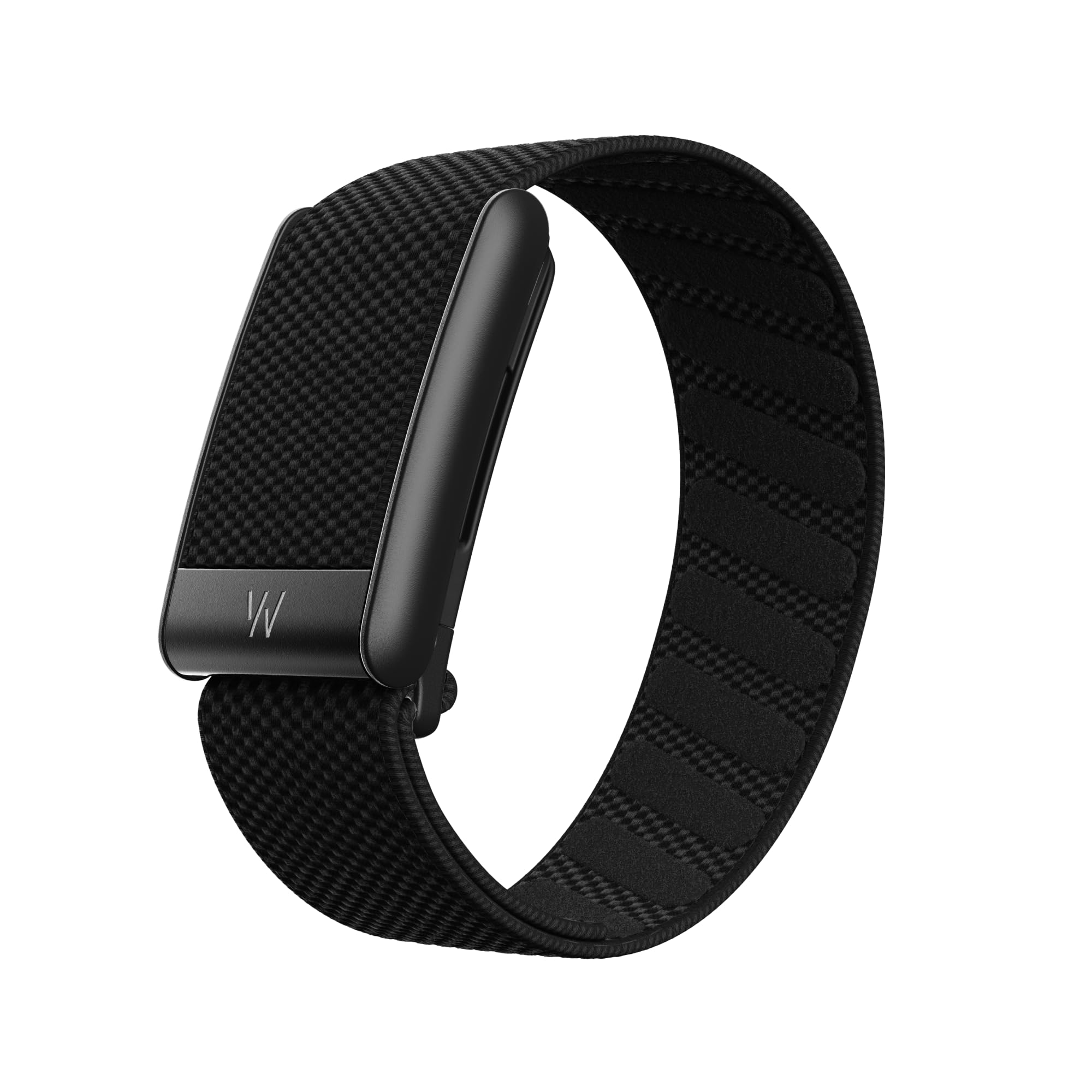
The WHOOP 5.0 trades a display and built-in GPS for a singular focus on recovery, strain, and sleep – delivering data depth that most wrist-worn devices can't touch. Its 14-day battery and comfortable, lightweight build make it easy to wear 24/7 without thinking about charging. Where the Garmin vivoactive 5 balances screen and metrics for everyday use, the WHOOP goes all-in on performance optimization for those who want to minimize distractions.

This tracker suits athletes who live for training load and recovery scores, not step counts or notifications. The mandatory subscription (around $200/year) and the lack of a screen are central to the experience – you interact through the phone app. Heart rate accuracy can be thrown off by movement or loose placement, which matters most during high-intensity intervals. For someone seeking a stylish watch-like design to wear daily, the WHOOP offers a minimalist band aesthetic but no watch face or feminine detailing.

Build quality is strong with soft, flexible materials that stay comfortable during sleep and workouts. The sleep tracking provides detailed stages (REM, deep, light) and a daily recovery score that correlates well with how you feel. Over weeks, the strain coach adjusts recommendations based on your unique physiology, helping avoid overtraining. These insights are actionable for anyone serious about improving performance through rest management.

Tip: For more consistent heart rate readings, wear the band snugly above the wrist bone and avoid shifting during workouts.

Bottom line: Serious athletes who prioritize recovery data over style or smartwatch features will get the most from the WHOOP – the subscription fee and screenless design are deliberate tradeoffs that match that focus.

7

aeac Smart Watch (AMOLED)

aeac Smart Watch (AMOLED)

Budget style

Our Score 8.8/10
Check Price

Worth Noting

  • Bluetooth connectivity may drop during extended use, requiring re-pairing
  • Functionality can be inconsistent; some units pause unexpectedly
Display
1.32" AMOLED
GPS Type
Connected GPS
Battery Life
10 days
Compatibility
iOS & Android

The aeac Smart Watch pairs a sharp 1.32-inch AMOLED display with a design that leans feminine, including customizable watch faces. It tracks steps, heart rate, sleep, and SpO2, and can take calls when paired with a phone. Battery life holds up to the claimed 10 days for typical use. The trade-off: Bluetooth connectivity can drop unexpectedly, and some units show intermittent pauses in function. This watch suits buyers who value screen quality and style over flawless connectivity.

Bottom line: A solid pick for budget-conscious women who prioritize display quality and battery life over flawless connectivity — treat it as a stylish daily wear, not a critical health monitor.

8

aeac Smart Watch (HD LCD)

aeac Smart Watch (HD LCD)

Budget style

Our Score 8.6/10
Check Price

Worth Noting

  • Sleep tracking may not log consistently, making it less suitable for those prioritizing sleep analysis.
  • LCD display lacks the vibrancy of AMOLED screens found on some alternatives at similar prices.
Display
1.85" HD LCD
GPS Type
Connected GPS
Battery Life
7 days
Compatibility
iOS & Android

The aeac Smart Watch brings an HD LCD display, two bands, and IP68 water resistance at a budget-friendly price point, closely mimicking the Apple Watch design. Solid build quality and a week of battery life support daily activity tracking and call handling. However, sleep tracking can be inconsistent in logging data, and the LCD screen is less vibrant than the AMOLED displays on alternatives like the round smartwatch in this set. This makes the aeac a good choice for women who want an attractive, no-fuss smartwatch for basic health metrics and style, but should be passed over by those who need accurate sleep analytics.

Bottom line: Best for budget-conscious women who prioritize style and basic activity tracking, and can accept occasional sleep tracking gaps.

9

Quican Smartwatch for Women

Quican Smartwatch for Women

Budget features

Our Score 8.8/10
Check Price

Worth Noting

  • Water resistance is limited; swimming may lead to moisture ingress.
  • Bluetooth connection can be inconsistent, requiring occasional re-pairing.
Display
1.85" HD LCD
GPS Type
Connected GPS
Battery Life
7 days
Compatibility
iOS & Android

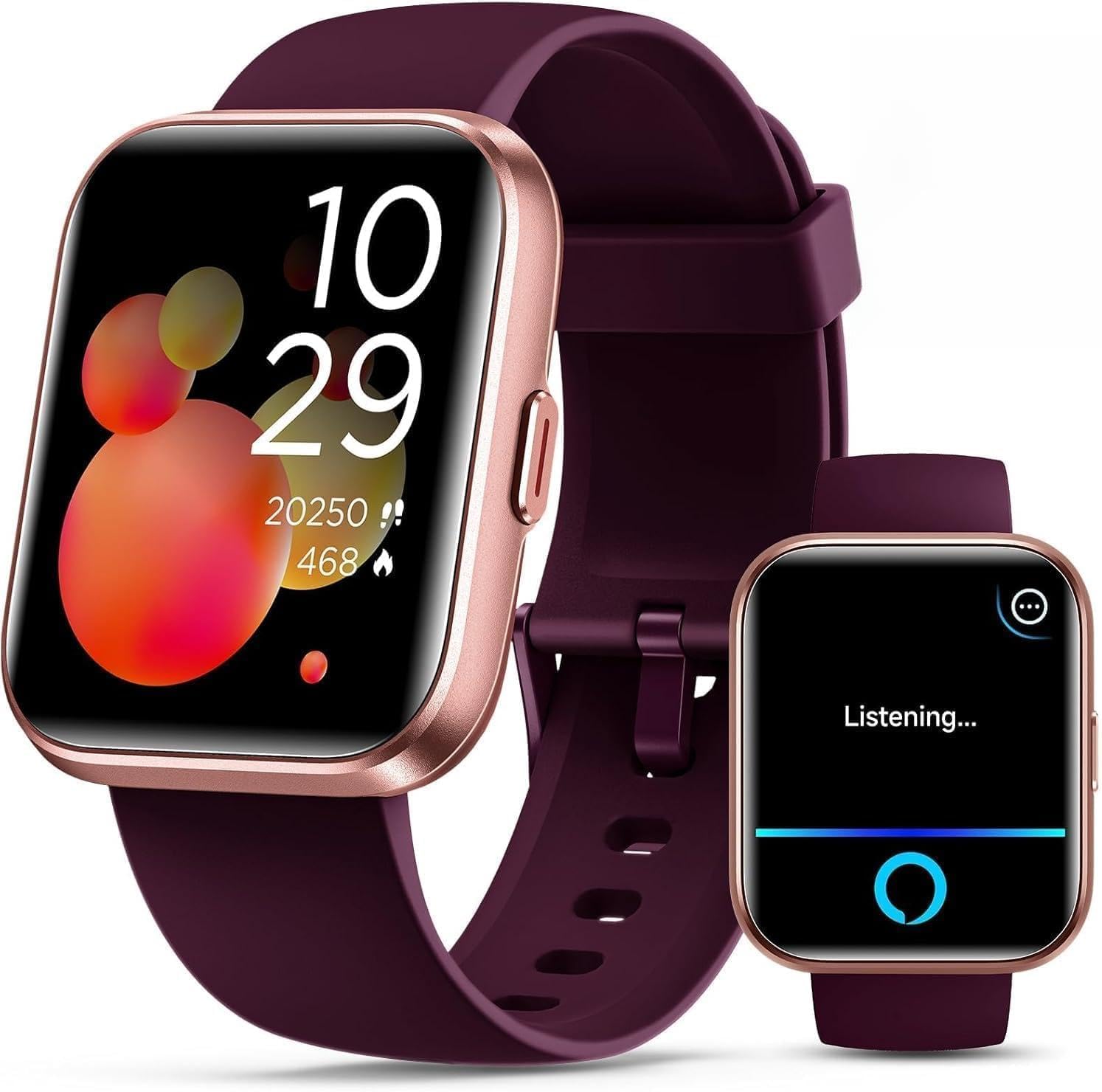
The Quican Smartwatch for Women includes Alexa voice control, 120 sport modes, and a week of battery life at a budget-friendly price. Its water resistance is limited to splashes and sweat — submersion may cause damage, and the brand is less established. Bluetooth connectivity can occasionally drop during use, but for everyday step and heart rate tracking on dry land, it's a functional choice.

Bottom line: If you do not need a swim-proof tracker and can accept occasional Bluetooth hiccups, this budget watch delivers Alexa, activity tracking, and long battery life at a low cost.

10

Fitbit Versa 2 SE

Fitbit Versa 2 SE

Budget smartwatch

Our Score 9.0/10
Check Price

Worth Noting

  • Some units may cease functioning after extended use, making long-term ownership a gamble
  • Battery life can fall short of expectations, often needing a daily top-up
Display
Always-on AMOLED
GPS Type
Connected GPS
Battery Life
~3 days
Compatibility
iOS & Android

The Fitbit Versa 2 SE delivers a full health tracker with heart rate, sleep stages, swim tracking, and step counting, plus the convenience of offline music and hands-free Alexa. For the price, it packs a lot of functionality. However, some units may stop functioning reliably after several months of use, and battery life can require daily charging rather than the advertised multi-day span. These quirks make it a better fit for budget-conscious buyers who prioritize features over long-term certainty, or for those already invested in the Fitbit ecosystem who want an inexpensive entry point.

Bottom line: A solid choice for Fitbit loyalists on a budget who want music and Alexa, but only if shorter battery life and possible longevity issues are acceptable.

11

Fitbit Inspire 3

Fitbit Inspire 3

Basic tracking

Our Score 8.4/10
Check Price

Worth Noting

  • Bluetooth connectivity may drop during sync, requiring re-pairing.
  • Charging failures can occur after months of use, affecting long-term reliability.
Display
0.76" digital
GPS Type
Connected GPS
Battery Life
7 days
Compatibility
iOS & Android

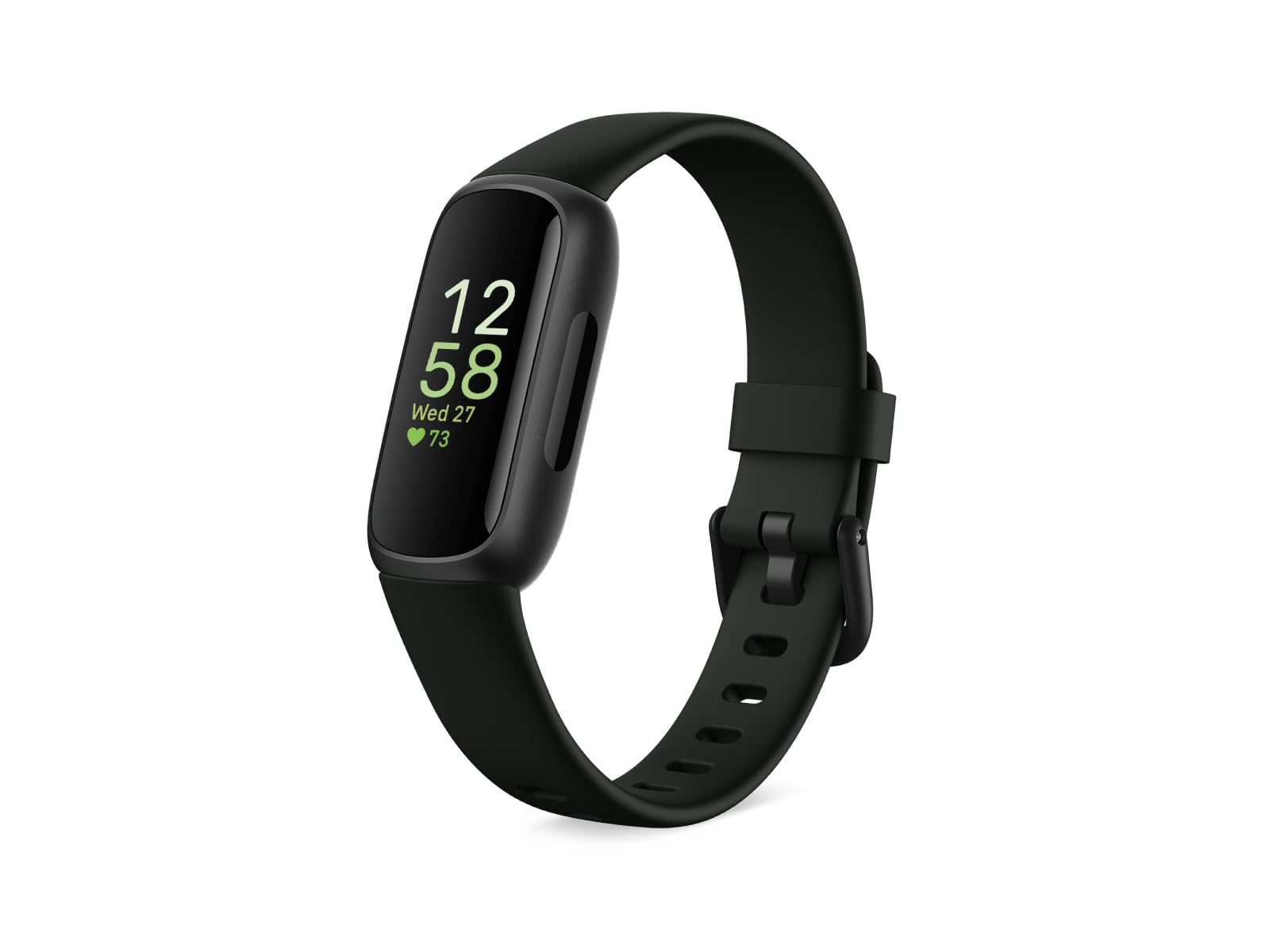
The Fitbit Inspire 3 is notably compact and lightweight, making it an unobtrusive option for step tracking, heart rate glances, and sleep stage logging at a low entry cost. However, the trade-off for that price and size shows up in consistency: syncing between the device and app can be intermittent, and some units may develop charging issues after extended use. Feature set is deliberately minimal — no built-in GPS, no music storage, and a small 0.76-inch display limits on-wrist interaction. It works well for someone who wants a simple step counter with heart rate and isn't bothered by occasional Bluetooth drops or potential hardware hiccups.

Bottom line: A functional step tracker for short-term use or as a starter wearable, as long as you can accept occasional syncing and charging quirks.

12

Garmin vivoactive 6

Garmin vivoactive 6

Garmin fans

Our Score 8.8/10
Check Price

Worth Noting

  • Interface has a learning curve; menuing can feel unintuitive.
  • Some units may shut down without warning, interrupting activity logging.
Display
1.2" AMOLED
GPS Type
Built-in
Battery Life
8-11 days
Compatibility
iOS & Android

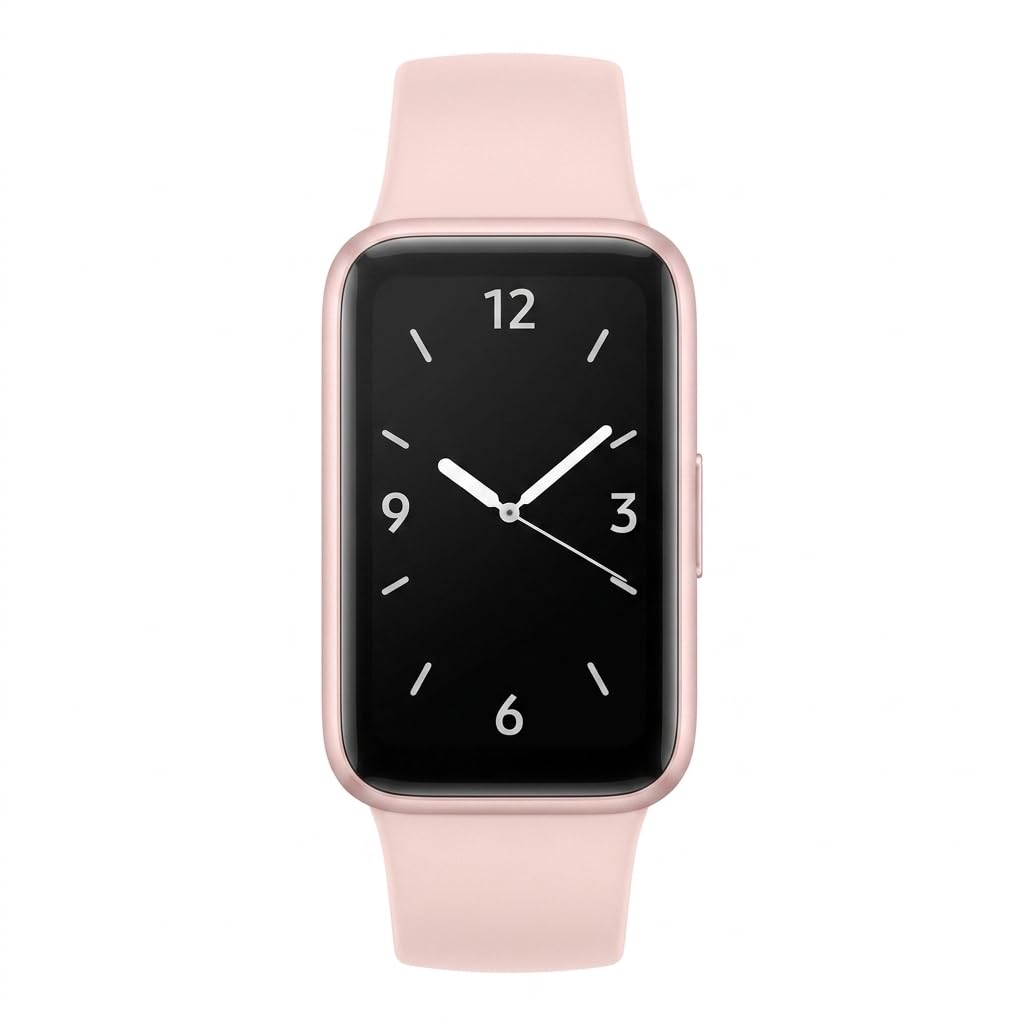
The vivoactive 6 brings Garmin's newest health features — animated on-screen workouts, a smart alarm, and updated wellness metrics — to a stylish metallic pink design. For Garmin fans, these additions make it a meaningful upgrade. However, the interface is less intuitive than the vivoactive 5, requiring more time to navigate, and some units have been noted to shut down randomly under certain conditions. At a premium price over the vivoactive 5, it is a worthwhile option only if you specifically want the animated workouts and are comfortable with a mild learning curve and the possibility of occasional restarts.

Tip: Give yourself a few days to learn the menu layout; the animated workouts are more rewarding once you have set them up.

Bottom line: This model suits Garmin loyalists who want the latest workout guidance and can accept a less polished interface and occasional shutdowns for the new features.

13

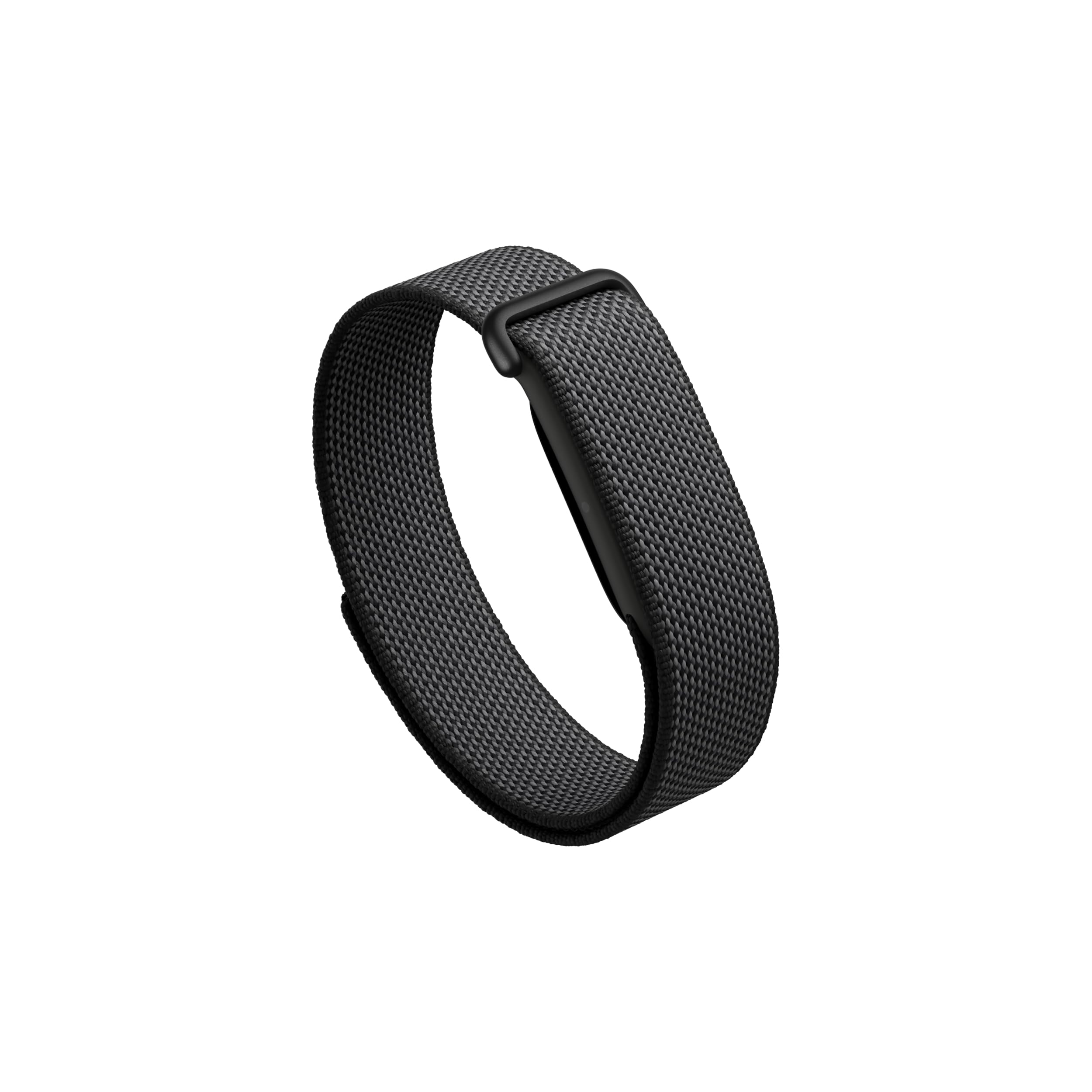
Fitbit Air

Fitbit Air

Screenless

Our Score 8.8/10
Check Price

Worth Noting

  • Sleep tracking may not accurately reflect sleep stages in some cases
  • Step count can be inaccurate due to arm motion rather than actual steps
Display
None
GPS Type
Connected GPS
Battery Life
7 days
Compatibility
iOS & Android (sub req)

The Fitbit Air delivers a lightweight, high-quality build that stays comfortable on the wrist all day, making it a solid choice for anyone who wants basic activity tracking without screen distractions. Google Health’s AI coaching adds personalization, but step counting can be thrown off by normal arm movement and sleep stage detection may not align with expectations. The bigger trade-off: many features — including detailed insights and coaching — are locked behind a Fitbit Premium subscription, which effectively raises the long-term cost. This is a niche device best suited for users already invested in Fitbit’s ecosystem who value a minimalist design and are willing to pay for the subscription. For buyers seeking accurate tracking without recurring fees, alternatives like the top pick offer more consistent performance.

Bottom line: This tracker fits best if you want a screen-free experience and are already paying for Fitbit Premium; otherwise, similar-priced alternatives deliver more accurate tracking without subscription fees.

How to Choose

Battery Life: Real-World vs. Advertised

Manufacturers often quote battery life under ideal conditions with the always-on display off and minimal notifications. In real-world use with continuous heart rate and GPS, expect 30-50% less than the claim. A tracker advertised as 7 days typically delivers 3-5 days with moderate use.

The hidden trade-off: larger batteries mean thicker cases. If you prioritize slim design, you'll trade off a day or two of charge. For weekend trips without a charger, aim for a tracker that claims at least 10 days – that usually translates to 5-7 days of practical use.

GPS Type: Built-In vs. Connected

Built-in GPS means the tracker records your route without a phone, while connected GPS relies on your phone's signal. Built-in GPS is more accurate and independent, but it drains battery faster – expect a 20-30% reduction in battery life when using it actively.

For runners and hikers who want reliable distance and pace data, built-in GPS is the better choice. If you always carry your phone during workouts, connected GPS is sufficient and saves battery.

Display: AMOLED vs. LCD

AMOLED displays offer deep blacks, vibrant colors, and better outdoor visibility, but they consume more power – an always-on AMOLED can cut battery life in half. LCD displays are more power-efficient but look less sharp and can be harder to read in bright sunlight.

If you want a smartwatch that looks like a traditional watch, AMOLED is worth the battery cost. For basic step and time display, an LCD is fine and helps a budget tracker last the whole week.

Water Resistance: What the Numbers Mean

A rating of 50m means the tracker can handle swimming and shallow water, but not high-pressure jets or diving. IP68 is a dust and water protection standard that usually allows submersion to 1.5m for 30 minutes. The catch: water resistance degrades over time as seals wear, especially with exposure to chlorine or saltwater.

If you swim laps regularly, choose a tracker with a 50m rating and good reviews from swimmers. Avoid IP68-only models for frequent pool use, as they are more likely to develop condensation over months.

Compatibility: Ecosystem Lock-In

The biggest compatibility trap is assuming all trackers work equally well with both phone platforms. Apple Watch works only with iPhone. Samsung Galaxy Watch works fully only with Android, especially Samsung phones. Fitbit, Garmin, and Amazfit are cross-platform but lose some features on the non-native OS.

The hidden cost: switching phone platforms later may force you to replace the tracker. If you're a long-term iOS user, the Apple Watch gives the deepest integration. Android users get AI health features from Samsung's ecosystem, but cross-platform options like Garmin avoid lock-in entirely.

Frequently Asked Questions