TVs & Video

6 Best QLED TVs of 2026: Deep Blacks and Glare-Free Clarity

Find the best QLED TV for bright rooms—ones that pair real local dimming with anti-glare, not just marketing claims.

A 'Mini-LED' badge on a QLED box doesn't tell you anything about how it handles dark movie scenes or sunlit afternoon sports. Many edge-lit designs co-opt the name without the full-array local dimming that produces genuine deep blacks and contrast. In a bright living room, even a high-brightness spec can't compensate for a glossy screen that acts like a mirror.

The right QLED transforms your daily viewing, but the wrong one leaves you squinting at reflections and wrestling with muddy shadows. This guide zeroes in on the models that combine proper local dimming, high native refresh rates for smooth motion, and effective anti-glare coatings—so you get a picture that holds up no matter the time of day.

1

Hisense U6SF Pro

Top Pick
Hisense U6SF Pro

Mixed-Light Viewing

Our Score 9.2/10
Check Price

Worth Noting

  • Fire TV platform can stutter through menus; adding a streaming stick yields a consistently smooth interface.
Screen Size
65-inch
Refresh Rate
144Hz native
Smart Platform
Fire TV (FireOS)
Display Technology
Mini-LED, Full-Array Local Dimming

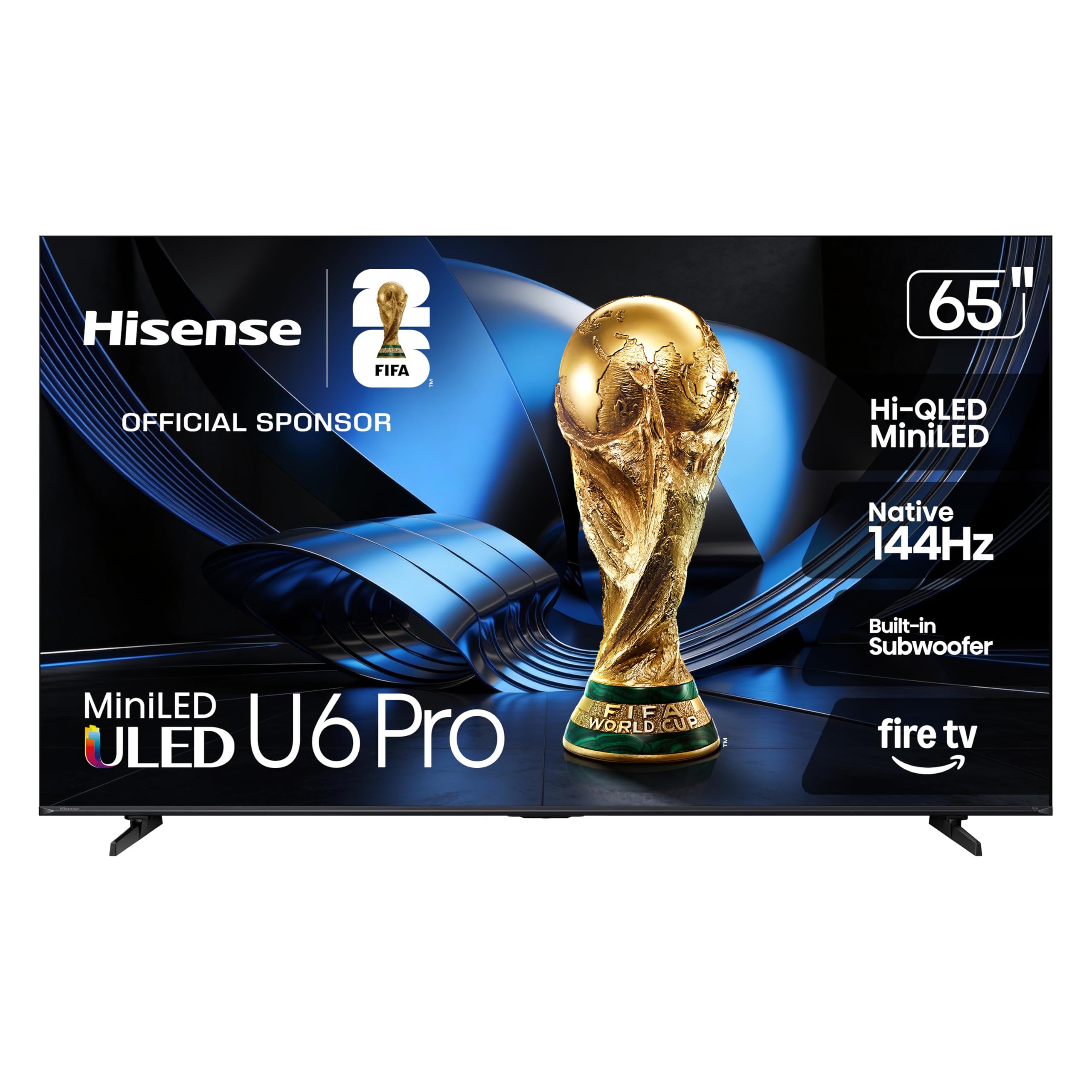
Hisense loads the U6SF Pro with genuine full-array Mini-LED backlighting, a design that pairs deep shadow detail with punchy highlights. Dolby Vision IQ and HDR10+ Adaptive automatically adjust the image to room light, preserving near-black textures in dark scenes while keeping specular details crisp. A native 144Hz refresh rate and low input lag handle fast sports and gaming without motion blur, placing this set firmly among 65-inch panels that prioritize smooth action.

The glare-free coated screen fights bright-room washout better than most mid-range competitors. Sunlight and overhead lamps bounce off the panel as a faint haze rather than a mirror reflection, so movies stay watchable during daytime viewing. Setup is equally painless: the Fire TV on-screen wizard steps through Wi-Fi, app sign-ins, and Alexa voice search in minutes, with the remote's click-to-command control saving typing time.

Audio receives more attention than expected. A 2.1-channel system with a built-in subwoofer gives dialog a clear, forward presence and lends bass scenes surprising weight — enough that a dedicated soundbar feels optional for everyday watching. DTS Virtual:X processing widens the soundstage perceptibly, though hardcore action fans may still want separate speakers for the lowest rumble.

Buyers who care most about cinematic Mini-LED contrast and high-refresh gaming will find the U6SF Pro punches far above its cost. The Fire TV platform runs all major apps smoothly, but those who prefer the gesture-driven fluidity of Google TV or Tizen might pair it with a streaming stick for a more tailored experience. This set makes the most sense in mixed-light living rooms where deep blacks and vibrant colour take priority over smart platform polish.

Bottom line: The U6SF Pro brings together cinematic Mini-LED contrast and fluid 144Hz gaming at a price where those features rarely coexist, making it the most compelling 65-inch option for value-driven viewers.

2

Samsung QN90F

Samsung QN90F

Bright Room Viewing

Our Score 8.8/10
Check Price

Worth Noting

  • Out-of-box setup may require a power cycle or replacement on some units.
Screen Size
75-inch
Refresh Rate
165Hz native
Smart Platform
Tizen
Display Technology
Neo QLED Mini-LED, Full Array

Samsung's Glare-Free coating and 2000-nit peak brightness set the QN90F apart from its own Neo QLED siblings and the broader Mini-LED field. Where the step-down QN85F offers Mini-LED contrast without the anti-reflective treatment, this panel effectively erases window glare and overhead lights, preserving deep blacks and vibrant color even under direct sun.

The AI upscaling processor sharpens lower-resolution content with surprising clarity, and the 165Hz refresh rate with VRR delivers smooth, low-latency gaming that rivals dedicated monitors. Object Tracking Sound+ combined with a 4.2.2-channel Dolby Atmos system creates a wide, precise soundstage — dialogue stays crisp and effects have genuine spatial placement, avoiding the hollow audio common on large panels.

Home theater enthusiasts with open-plan living spaces and floor-to-ceiling windows will appreciate daylight-watching capability that OLEDs struggle to match. Gamers demanding high frame rates and minimal input lag get a responsive display without needing to darken the room. The tradeoff: some units ship with firmware that requires a power cycle or exchange out of the box, so a retailer with a flexible return policy is essential. At this premium tier, a dark-room cinephile is better served by an OLED, and budget-conscious shoppers will find stronger value in mid-range Mini-LEDs.

Tip: Power on the TV immediately after unboxing; if there is no response, a full power cycle often solves it — and fast returns are simpler with a flexible retailer.

Bottom line: If reflections are the enemy, the QN90F's Glare-Free display is a rare bright-room specialist. Plan to buy from a retailer with smooth exchange policies so a possible setup stumble doesn't become a headache.

3

Samsung QN70F

Samsung QN70F

Samsung All-Purpose

Our Score 9.0/10
Check Price

Worth Noting

  • Alexa integration can drop unexpectedly; input switching may occasionally glitch—plan on using Bixby or Google Assistant for reliable voice control
Screen Size
65-inch
Refresh Rate
144Hz
Smart Platform
Tizen
Display Technology
Neo QLED Mini-LED, Edge-lit

While the top-tier Samsung panels chase sunlit rooms with anti-glare coatings and sky-high brightness, the QN70F sticks to what makes Neo QLED feel premium inside four walls—sharp contrast, vibrant color, and fluid 144Hz motion. The result is a 65-inch screen that favors everyday movie nights and gaming sessions over spec-sheet extremes.

This TV lands best with buyers who want the Neo QLED experience without the premium-tier price tag. Casual gamers and sports fans will appreciate the 144Hz VRR and low-latency Game Mode, while Tizen's interface keeps streaming simple. It's less suited to sun-drenched rooms, where glare intrudes more than on a glare-free panel; edge-lit Mini LED also means per-zone contrast falls short of full-array local dimming, though mixed lighting performance remains impressive.

Mini LED backlighting pushes peak brightness past standard QLEDs, and Samsung's processing ensures HDR10+ content retains shadow detail without blooming. The 20W 2.0-channel speakers deliver clear dialog at moderate volumes, buying time before a soundbar joins the setup, though a subwoofer would add depth for cinematic gaming. For a mid-range set, picture and audio hold their own without dramatic compromise.

Tip: For voice control, stick with the built-in Bixby or Google Assistant via Tizen, as Alexa pairing can be unreliable; use high-speed HDMI cables to avoid input-switching hiccups.

Bottom line: For a 65-inch screen that balances vibrant Mini LED color with 144Hz gaming fluidity at a sensible price, the QN70F hits a sweet spot where fewer dollars don't necessarily mean fewer thrills.

4

Hisense E7SF

Hisense E7SF

Big-Screen Cinema

Our Score 8.8/10
Check Price

Worth Noting

Screen Size
85-inch
Refresh Rate
144Hz
Smart Platform
Fire TV (FireOS)
Display Technology
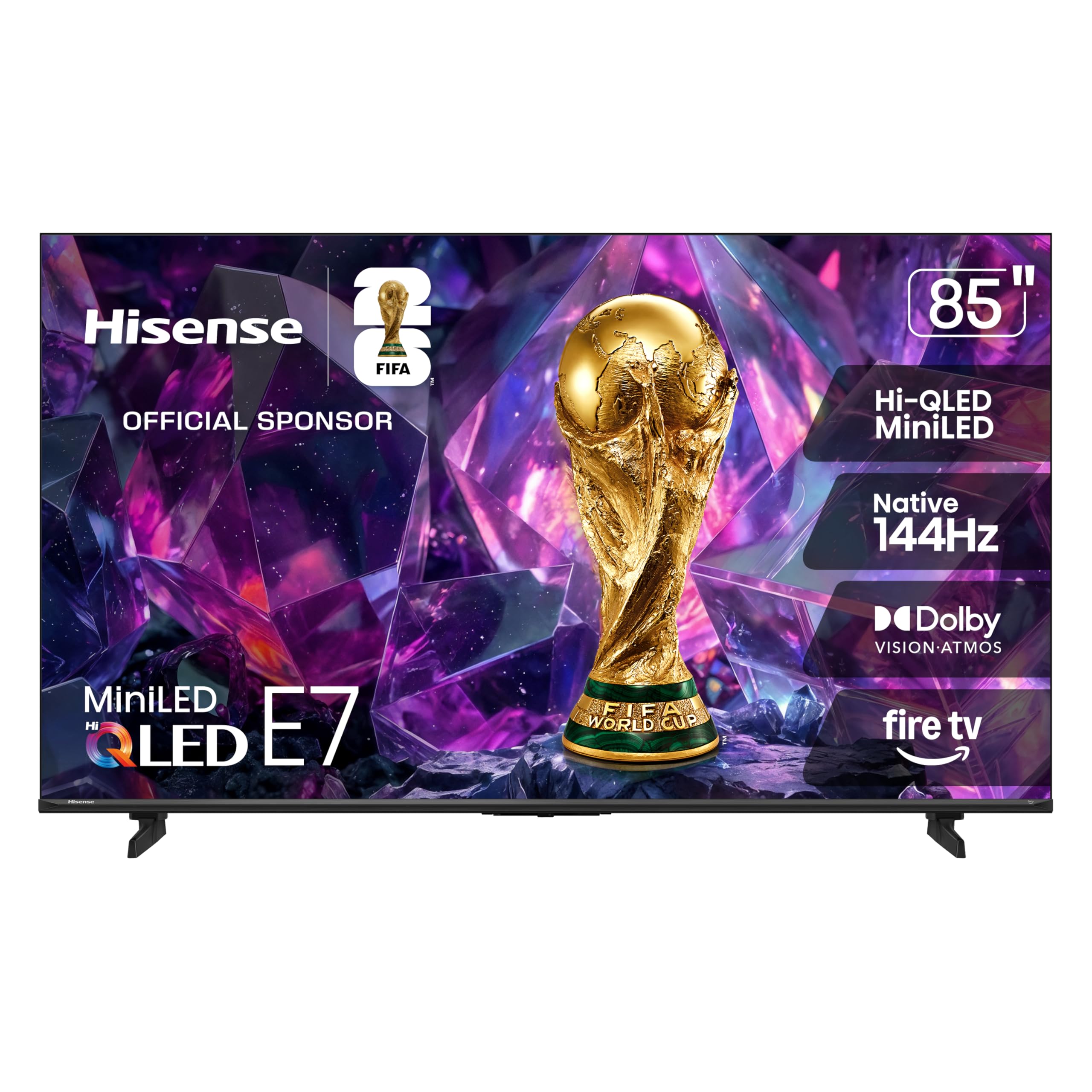
Mini-LED, Full Array Local Dimming

Where the top pick wins on integrated audio and balanced sizing, the E7SF goes all-in on scale. The 85-inch screen transforms a living room into a private cinema — and the Mini-LED panel with full-array local dimming holds contrast and shadow detail across that vast canvas. Dolby Vision IQ and HDR10+ Adaptive handle scene-by-scene tone mapping, making dark movie scenes tense and daylight sequences vivid without washing out.

This is for buyers with the wall space and viewing distance to accommodate an 85-inch display. It suits home theater fanatics who want movie-theater scale without crossing into four figures, and large family rooms where the screen becomes the social anchor. Those with tighter spaces or a preference for a faster smart platform should consider the 65-inch top pick; Fire OS here is responsive but can lag behind Google TV in fluidity for heavy app-switching. The review pool remains small, though early feedback shows no functional shortcomings.

Gaming at 144Hz feels fluid, and the Mini-LED backlight keeps motion clear without smearing. The built-in 20W speakers with Dolby Atmos decode create a spacious soundstage for a TV this thin, though a soundbar fills the room more convincingly.

Bottom line: For those with the space, this 85-inch Mini-LED delivers movie-night immersion and crisp motion at a price that undercuts most 75-inch edge-lit models.

5

TCL 75T7

TCL 75T7

Budget Gaming

Our Score 8.8/10
Check Price

Worth Noting

  • Occasional freezing or power-on failures may require a hard restart.
Screen Size
75-inch
Refresh Rate
144Hz
Smart Platform
Google TV
Display Technology
QLED, Direct LED

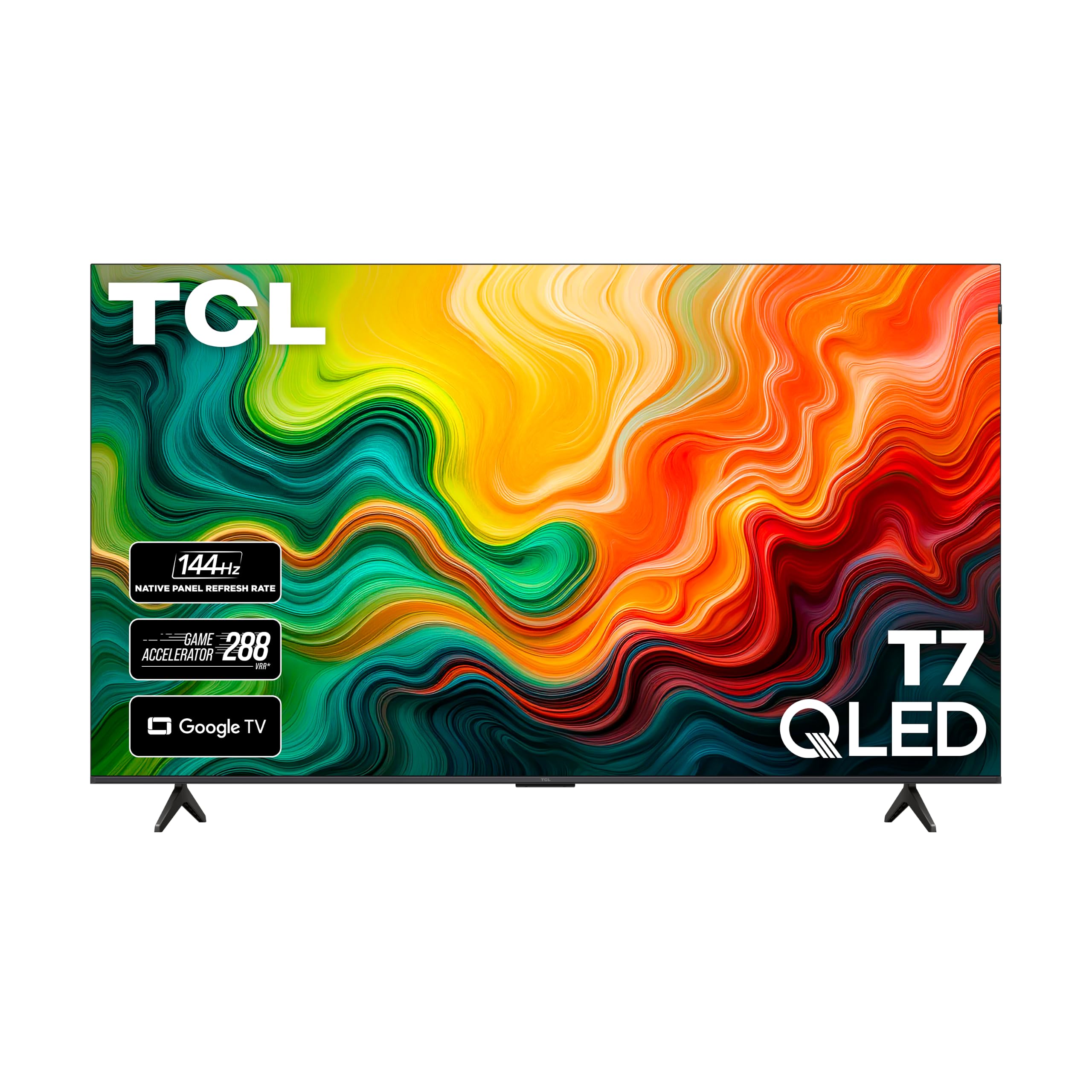
The TCL 75T7 brings 75 inches of QLED and a 144Hz native refresh rate to a mid-range price point, carving out a space for big-screen gaming that the budget 55-inch QLED option can't touch. Where that smaller model keeps costs down, the 75T7 scales up immersion with VRR support up to 288Hz and a lag-free Game Mode, making high-refresh play accessible without stepping into the flagship tier.

Dolby Vision and HDR10+ push vibrant colors and solid brightness on the direct-LED panel, and the 30W Dolby Atmos audio provides clear dialogue without an immediate soundbar. Google TV setup is straightforward, pulling streaming apps into a unified interface that feels snappy out of the box.

Gamers upgrading to a living-room centerpiece and sports fans who want fluid motion on a huge canvas will find the 75T7's value hard to match. Large, bright rooms benefit from the screen size and QLED pop. Occasional freezing or power-on failures can occur, however, requiring a hard restart via the power button. This makes the TV a poor fit for households that need absolute, hands-off stability — a minor troubleshooting step that some will accept for the price, but a dealbreaker for those who'd rather pay more for guaranteed uptime.

Tip: If the screen freezes, holding the power button for 10 seconds forces a restart without unplugging.

Bottom line: For gamers and sports enthusiasts who want a huge, fluid display without flagship prices, the TCL 75T7 delivers the screen size and refresh rate that matter most — just be ready to power-cycle occasionally.

6

TCL Q65

TCL Q65

Entry-Level 4K

Our Score 8.6/10
Check Price

Worth Noting

  • Google TV interface may lag and apps occasionally freeze, but using an external streamer bypasses it entirely.
  • Wi-Fi may drop in areas with weak coverage; a wired Ethernet connection is recommended for stability.
Screen Size
55-inch
Refresh Rate
60Hz
Smart Platform
Google TV
Display Technology
QLED, Direct LED

The TCL Q65 anchors its appeal on QLED color volume and Dolby Vision support, pulling well-saturated, punchy images that rarely look like a budget set. DTS Virtual:X processing gives the built-in speakers a wider soundstage than expected, and Dolby Atmos passthrough works cleanly over eARC. The 60Hz panel won’t satisfy competitive gamers chasing 120fps clarity, but for film and streamed content the motion handling is steady. The bigger caveat is the Google TV smart interface, which can stumble loading apps and requires patience — a Fire TV Stick or Roku plugged into an HDMI port transforms the experience and fully unlocks the screen’s value.

Bottom line: Hard to beat for a 55-inch QLED with Dolby Vision at this price — plan on adding a streaming stick to bypass the sluggish interface.

How to Choose

Screen Size

Larger screens pull you into the action, but they also magnify every source imperfection—1080p content can look soft on an 85-inch panel if upscaling is weak. Viewing distance matters more than raw inches: from 6 to 8 feet, a 65-inch screen fills your field of view without overwhelming the room.

Measure your wall and seating position before buying. A 55-inch model works for bedrooms or smaller living spaces, while 75 inches and above suits dedicated home theaters.

Display Technology

QLED by itself only refers to quantum dot color enhancement. The real contrast driver is the backlight: standard edge-lit arrays struggle to dim specific zones, causing blooming around bright objects on dark backgrounds. Mini-LED paired with full-array local dimming puts hundreds of tiny LEDs behind the screen, each dimmable independently, so dark scenes stay inky even near bright highlights.

Check the spec sheet for 'full array' or 'direct full array'—if it only says Mini-LED without clarifying, assume edge-lit and expect moderate contrast.

Refresh Rate

A 60Hz panel refreshes 60 times per second; motion-smoothing interpolation can't fill in the gaps, so fast sports and panning shots blur. A native 144Hz panel quadruples that, keeping rapid action crisp and reducing input lag for gaming. Even if you don't play competitive titles, 144Hz makes everyday scrolling and sports noticeably smoother.

Don't confuse 'Motion Rate 240' marketing with native Hz. Always verify the panel's native refresh rate; 60Hz models with MEMC add artificial soap-opera effect without solving blur.

Smart Platform

Processor speed determines whether apps launch instantly or leave you tapping the remote. Budget QLEDs often use entry-level chips that cause Fire TV or Google TV to stutter and freeze after a few months of updates. Tizen on Samsung TVs tends to remain fluid, but any platform can slow down over time.

The simplest fix for a sluggish smart TV is a dedicated streaming stick plugged into an HDMI port. It bypasses the TV's processor entirely and gives you a snappy interface for a small added cost.

Anti-Glare & Brightness

Peak brightness specs are meaningless if the screen reflects your window like a mirror. Glossy panels bounce overhead lights directly into your sightline, washing out dark scenes. Glare-free or matte coatings scatter reflections, preserving contrast even at lower nits. In a room with multiple windows, a 500-nit matte screen will often look better than a 1,500-nit glossy one.

High sustained brightness matters most for HDR highlights, but without effective anti-glare, you'll never see them clearly during the day. Look for models explicitly listing 'glare-free' or 'anti-reflection' treatments.

Frequently Asked Questions