Power & Charging

8 Best Portable Power Station 2026: Fast Charging & Real Capacity

Avoid the common pitfalls of portable power stations - find models with reliable capacity, fast charging, and honest weight for your camping or home backup.

A portable power station's spec sheet often promises more than it delivers. A 1,000Wh unit with a 1,800W inverter sounds impressive until you plug in a fridge and the battery drains in under an hour. Worse, some units shut off unexpectedly or arrive defective. The key is matching the ratings to your actual devices and outage length.

The good news is that LiFePO4 chemistry and fast charging have become standard, but claimed cycle life and charge times vary widely. This guide focuses on the models that balance real-world capacity, output, and portability without the hidden trade-offs that cause buyer's regret.

Whether you need a lightweight unit for a weekend camping trip or a whole-home backup that can run a refrigerator for days, understanding the difference between rated and usable power is the first step.

1

Jackery Explorer 1000 v2

Top Pick
Jackery Explorer 1000 v2

Camping, home backup

Our Score 9.4/10
Check Price

Worth Noting

  • Occasional units may arrive with power issues or fail shortly after purchase
Weight
23.8 lbs
Battery
LiFePO4
Capacity
1070Wh
AC Output
1500W

The Jackery Explorer 1000 v2 charges fully in about one hour, a pace that most competitors in this capacity range can't match. At 23.8 pounds, it's also one of the lighter units for its 1070Wh capacity, making it genuinely portable for camping or moving between rooms during a power outage. The LiFePO4 battery chemistry adds longevity, and the solid construction gives it a tank-like feel without excessive weight.

Output is straightforward: three AC outlets handle up to 1500W continuous (3000W surge), plus USB-C and DC ports for smaller devices. The fast charge works from a standard wall outlet, and the unit itself runs quietly during operation. In real-world use, the Explorer 1000 v2 powers a mini-fridge, lights, and phone charging for several hours, or runs a CPAP machine through a full night without issue.

This power station fits campers, RVers, and anyone needing short-term home backup for essentials. The 1500W continuous output covers most portable appliances, but continuous loads above that (like large space heaters) are beyond its capability. A small number of units may arrive with power issues or stop working early, though the overall track record across a high volume of sales is strong enough to make this the safest bet in the 1kWh tier.

Bottom line: If you need a 1kWh power station that charges fast, travels light, and has a strong real-world track record, this is the one to get.
2

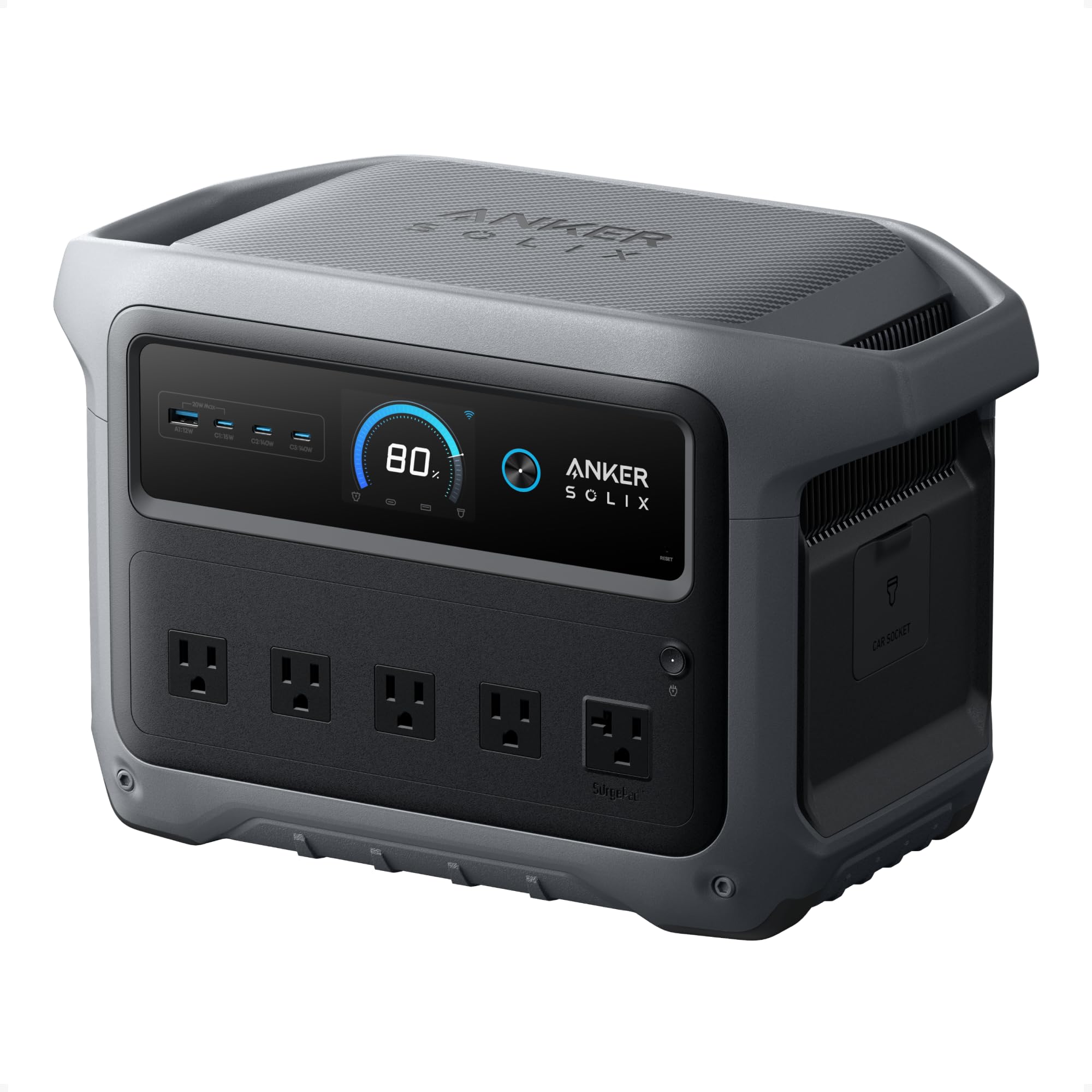
Anker SOLIX C1000 Gen 2

Anker SOLIX C1000 Gen 2

Home backup, camping

Our Score 9.4/10
Check Price

Worth Noting

  • Battery drain can occur in some units during storage, reducing hold charge over time.
Weight
24.9 lbs
Battery
LiFePO4
Capacity
1024Wh
AC Output
2000W

The Anker SOLIX C1000 Gen 2 recharges from empty to full in 49 minutes, the fastest we have seen in the 1kWh class. That speed pairs with 2000W AC output, enough to run most refrigerators and power tools during a blackout. At 24.9 pounds, it is not the lightest option, but the weight is reasonable for a unit that delivers this much power so quickly.

Using the included AC charger, the unit reaches full in under 50 minutes, a notable convenience when time is short. The app provides clear battery status and output control, making it easy to check charge level from across the room or schedule charging during off-peak hours. The 2000W continuous output with 3000W surge handles startup loads on fridge compressors and power tools, a bonus for emergency use.

This station suits home backup and RV owners who value rapid turnaround over shaving a couple of pounds off the carry weight. The intuitive app gives real-time control and monitoring, a feature that makes setup and status checks simple. However, a small number of units have shown battery drain or capacity loss over time, so checking the unit after purchase and keeping it topped off is wise for long-term storage.

Tip: If storing the unit for extended periods, periodically check the battery level and recharge to 80% to maintain health.

Bottom line: The Anker SOLIX C1000 Gen 2 is the fastest way to replenish a 1kWh battery, ideal for those who need quick power replenishment and can accept the occasional battery inconsistency.

3

Jackery Explorer 2000 v2

Jackery Explorer 2000 v2

Home backup, RV

Our Score 9.2/10
Check Price

Worth Noting

  • Moving the 39.5 lb unit between rooms or loading into a vehicle may feel heavier than expected for a 2kWh power station.
Weight
39.5 lbs
Battery
LiFePO4
Capacity
2042Wh
AC Output
2200W

Fast charging to 80% in 66 minutes and a 2,042Wh capacity make the Explorer 2000 v2 a strong choice for extended outages or RV trips where power demands exceed what smaller 1kWh units provide.

The 2,200W AC output runs refrigerators, space heaters, and power tools consistently, while the 20ms UPS ensures smooth transition during grid drops – a practical feature for home backup.

This unit suits home backup and RV users who prioritize runtime over portability. The 39.5 lb weight is manageable for occasional moves but may feel heavy if you need to relocate it frequently – something to consider versus the lighter Explorer 1000 v2.

Tip: Use the built-in handles and consider a dolly or second person for frequent repositioning.

Bottom line: For RV owners or home users needing 2kWh of backup with UPS protection, the Explorer 2000 v2 delivers – just plan for its weight when moving it.

4

Anker SOLIX C300

Anker SOLIX C300

Backpacking, travel

Our Score 9.2/10
Check Price

Worth Noting

  • In a kitchen or workshop, the 288Wh capacity won’t power refrigerators, power tools, or space heaters
  • For multi‑day off‑grid trips without solar, the battery depletes quickly and needs recharging from a wall outlet.
Weight
9.1 lbs
Battery
LiFePO4
Capacity
288Wh
AC Output
300W

The Anker SOLIX C300 packs a 288Wh battery into a 9.1 lb frame — noticeably lighter than most 300W‑class power stations. Its fan hums at just 25dB, barely audible in a tent or hotel room. The 140W USB‑C port handles two‑way charging, so you can top up the station from a wall outlet or power bank in about 50 minutes to 80%.

This unit is built for lightweight device charging — phones, tablets, laptops, camera batteries, and LED lights. The 288Wh capacity means it won’t run a refrigerator, power tools, or a space heater; for those needs, look at larger 1kWh+ stations. Extended off‑grid use without a solar panel will drain it quickly, so pack a small panel if you plan multiple nights out.

The LiFePO4 chemistry supports up to 3,000 charge cycles, so daily use won’t degrade it fast. The 300W AC output (600W surge) handles most small electronics, and the two USB‑C ports (including one 140W) keep modern gear topped off quickly. For anyone prioritizing weight and silence over raw capacity, the C300 hits a sweet spot.

Bottom line: If you need a power station that fits in a backpack and won’t wake the tent, the Anker SOLIX C300 delivers on portability and quiet operation — just keep your expectations at the device‑charging level.

5

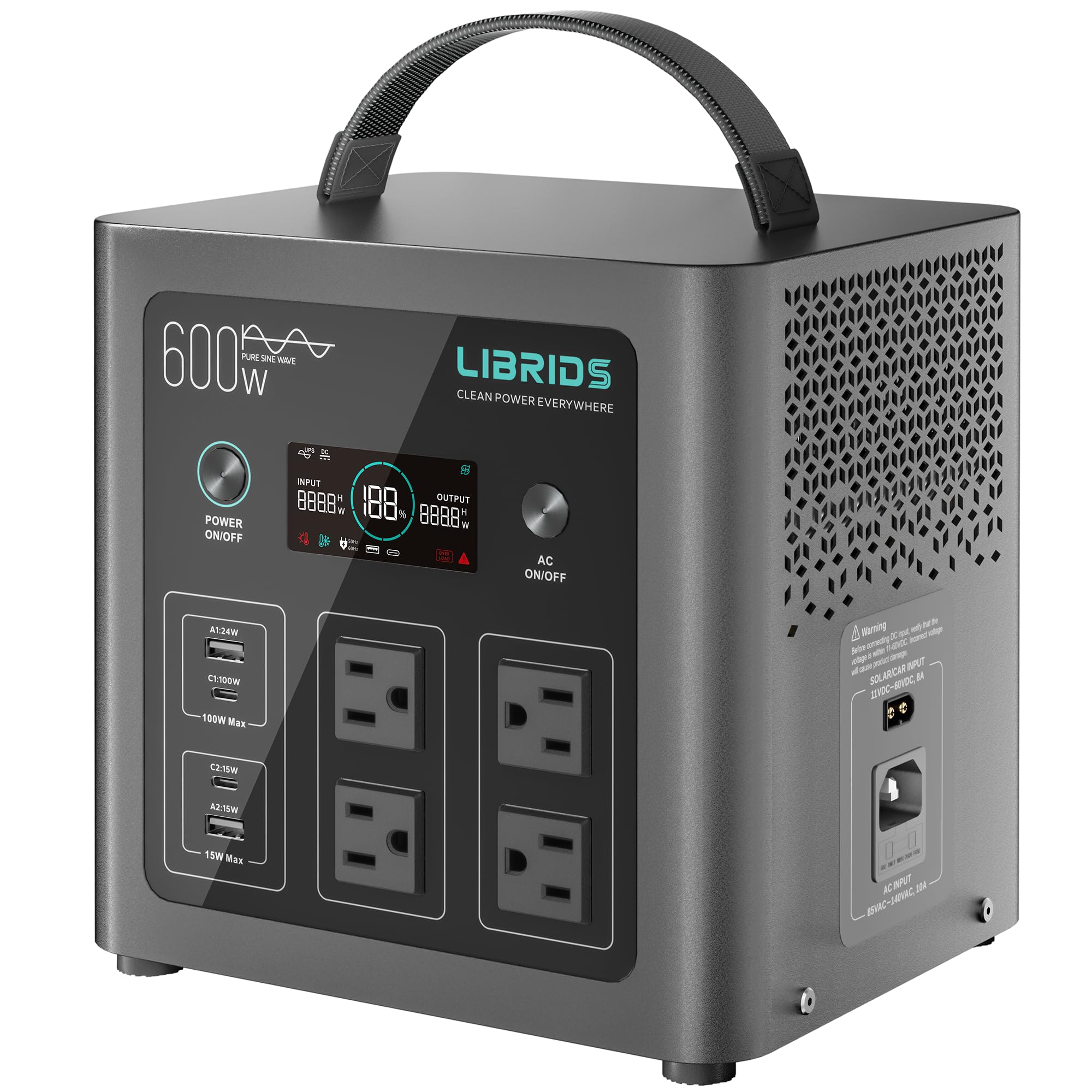
LIBRIDS C600

LIBRIDS C600

Camping, emergency

Our Score 9.6/10
Check Price

Worth Noting

  • 600W output limit means it won't power larger appliances like refrigerators or power tools
  • 640Wh capacity is enough for small electronics but insufficient for extended home backup or high-draw devices
Weight
~14 lbs
Battery
LiFePO4
Capacity
640Wh
AC Output
600W

The LIBRIDS C600 delivers a 1.5-hour full recharge and a metal enclosure that feels more substantial than the plastic shells on ultra-budget units. Combined with four AC outlets, it manages to cover basic needs without the reliability gamble of the cheapest options.

This 640Wh station fits best for campers needing to recharge phones, lights, and a cooler, or as a secondary backup for small appliances like a modem and a fan. The 600W output is enough for most electronics but won't run a refrigerator or power tool. For extended home backup beyond a few hours, a larger capacity unit makes more sense.

At its price point, the C600 offers a solid mix of fast charging, durable build, and enough ports to serve multiple devices at once. It's a straightforward, no-frills solution for those who don't need gigawatt-hours of capacity.

Bottom line: For light camping and emergency device charging on a budget, the LIBRIDS C600 delivers fast charging and solid build without breaking the bank.

6

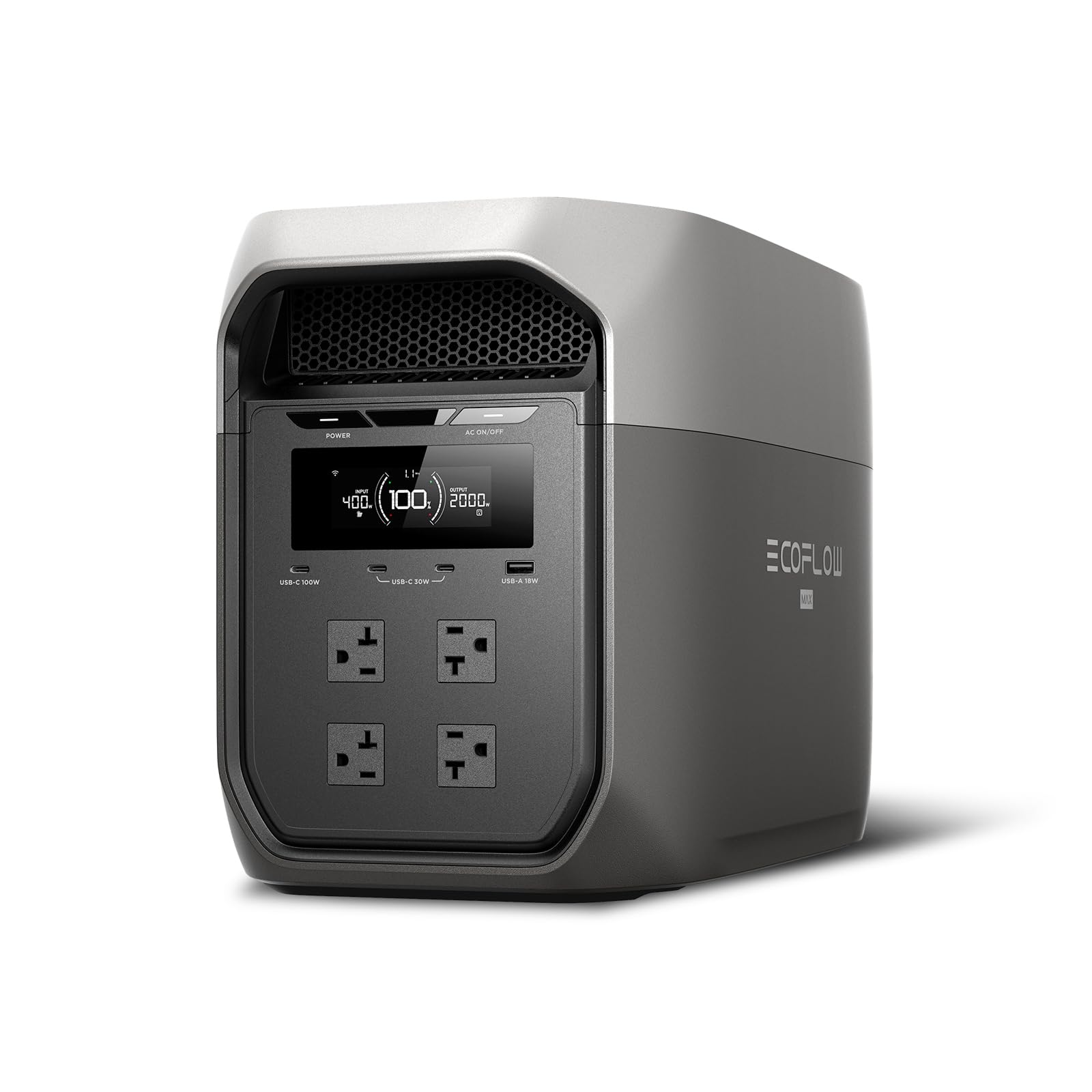
EcoFlow DELTA 3 Max

EcoFlow DELTA 3 Max

Home backup, RV

Our Score 9.2/10
Check Price

Worth Noting

  • Premium price above $700 may deter cost-conscious buyers.
  • At around 50 lbs, it is less portable for frequent transport compared to lighter 2kWh units.
Weight
~50 lbs
Battery
LiFePO4
Capacity
2048Wh
AC Output
2400W (3400W boost)

The EF ECOFLOW DELTA 3 Max delivers a strong combination of large capacity and rapid charging, with 3,400W X-Boost surge capable of running refrigerators and power tools. Its 1.13-hour partial charge time is among the fastest in the 2kWh class. However, it carries a premium price and is heavier than some alternatives, making it less suited for frequent portable use. Additionally, capacity expansion requires purchasing an extra battery, adding cost. Compared to the established Jackery 2000 v2, this unit offers faster surge capability but has a shorter market presence, so long-term feedback is less extensive. It's a solid choice for home backup or RV users who prioritize power and charging speed over portability and budget.

Bottom line: If you need high surge output and fast charging for home backup or RV use, and can accept the weight and price, this is a capable alternative to the more established Jackery 2000 v2.

7

EcoFlow DELTA 2

EcoFlow DELTA 2

Home backup, camping

Our Score 9.4/10
Check Price

Worth Noting

  • In a home backup scenario where continuous power is critical, the unit can stop supplying power or switch to overload without warning.
  • At 27 pounds, it's not the lightest option for backpacking or frequent transport.
Weight
27 lbs
Battery
LiFePO4
Capacity
1024Wh
AC Output
1800W

The EcoFlow DELTA 2 delivers fast recharging and expandable capacity that other units at this price don't offer. Its LiFePO4 battery and solid metal build feel premium for camping and RV use. However, the primary limitation is power output consistency: some units may unexpectedly stop supplying power or enter overload status under load. This makes it a better fit for non-critical backup or recreational use rather than essential home systems where uptime matters.

Bottom line: Best suited for users who value fast charging and expandability over absolute reliability — fine for camping and general home backup, but not for critical loads.

8

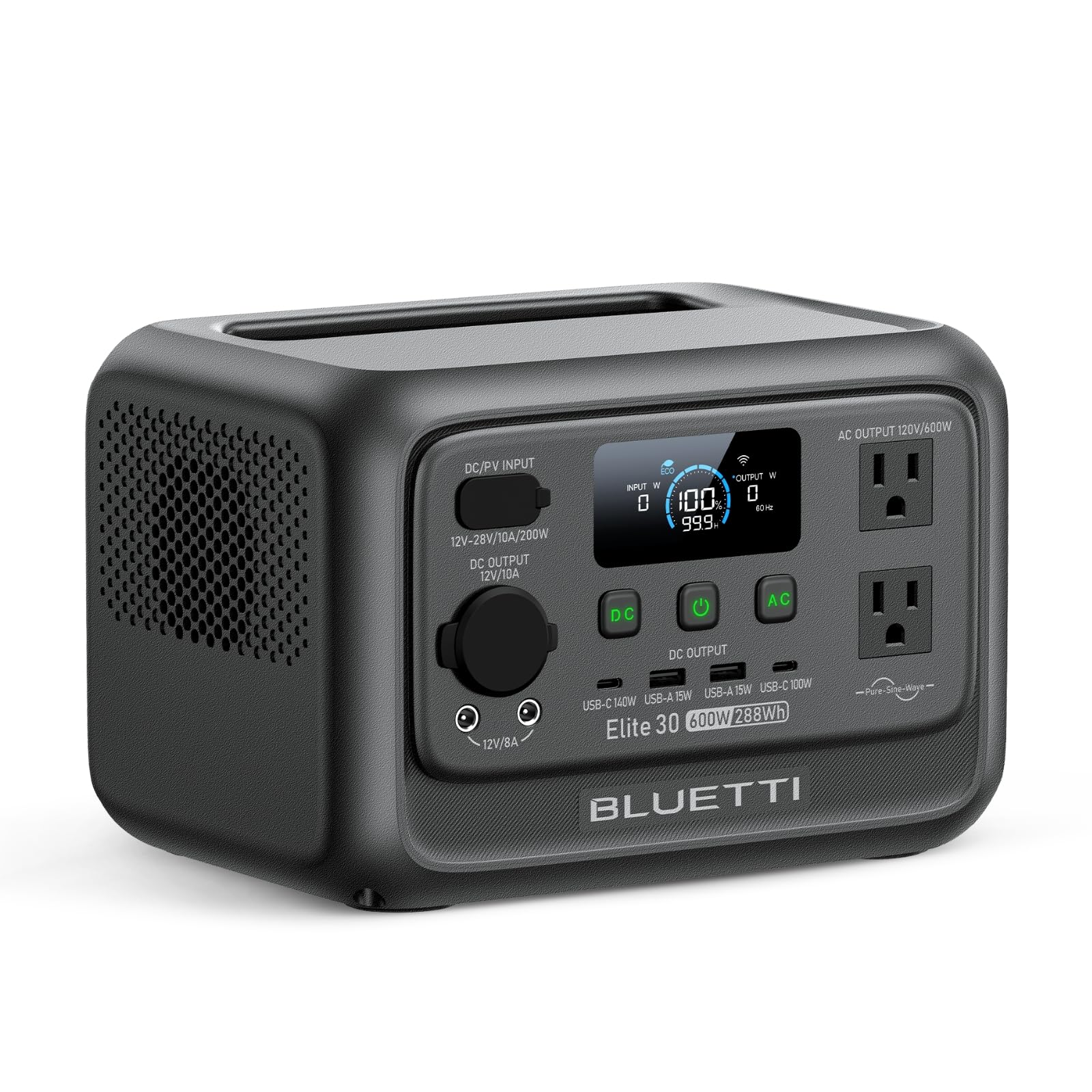
BLUETTI Elite 30 V2

BLUETTI Elite 30 V2

Light camping, travel

Our Score 9.0/10
Check Price

Worth Noting

  • Some units may lose capacity or stop working after weeks of use
  • Limited 288Wh capacity won't power most kitchen appliances or large electronics.
Weight
9.4 lbs
Battery
LiFePO4
Capacity
288Wh
AC Output
600W

The Elite 30 V2 packs a 288Wh LiFePO4 battery into a 9.4 lb frame, making it easy to toss in a daypack. It charges from 0 to 80% in 45 minutes, which is notably fast for its size and price range.

Where it falls short is long-term dependability — some units have been noted to lose capacity or stop working within weeks, so it's best suited for casual outings where a power loss is an inconvenience rather than a crisis.

Tip: Run a full discharge/charge cycle within the first week to confirm the battery holds its rated capacity.

Bottom line: This BLUETTI works well for topping off phones, laptops, and USB fans during a day trip — just don't count on it for repeated home backup or extended use without verifying performance.

How to Choose

Capacity (Wh)

Higher capacity means longer runtime, but usable capacity depends on inverter efficiency and your load. A fridge that draws 100W average will run for roughly 10 hours on a 1,000Wh unit, but startup surges can trigger shutdown if the inverter is too weak.

For a single overnight camping trip, 500Wh may be enough. For extended outages, 2,000Wh or more is safer. Always calculate your device's actual watt-hour consumption, not just its rated power.

AC Output (W)

The inverter's continuous wattage determines what you can plug in simultaneously. A 1,500W unit can run a small fridge (200W) and a TV (100W) but not a microwave (1,200W) plus a coffee maker (900W). Surge ratings matter for starting motors - fridges and pumps can spike 3x their running wattage.

Weight

Weight is often underappreciated until you carry a 40 lb unit up stairs. A 20 lb unit is manageable, but 30+ lbs typically requires wheels or a dolly for any real movement. Portable stations under 15 lbs are ideal for hiking or car camping where you'll move them often.

Charge Time (AC)

Fast charging (under 1.5 hours) is convenient but generates heat that can reduce battery lifespan over time. Slower charging (2-4 hours) is gentler on cells. If you need to recharge quickly between uses, prioritize fast AC input. Solar charging times depend on panel wattage and sunlight.

Battery Chemistry

LiFePO4 is the current standard, offering 3,000-6,000 cycles at 80% depth of discharge. However, claimed cycle life is tested in ideal lab conditions. Real-world longevity depends on temperature, discharge rate, and how often you fully deplete the battery. Avoid units that don't specify chemistry.

Frequently Asked Questions