Car & GPS

7 Best GPS Tracker for Dogs of 2026: Track Reliably Without Subscription Surprises

Find a dog GPS tracker that matches your off-leash habits—whether you need cellular, no subscription, or long battery life. We break down the trade-offs so you pick the right tool.

Most dog GPS trackers promise long battery life and reliable location updates, but real-world performance often falls short—especially in wooded terrain or when you need fast fixes. The fundamental choice between cellular (with monthly fees) and radio-based (no subscription but limited range) determines both your upfront cost and long-term flexibility.

For everyday pet owners, a cellular tracker with health monitoring offers convenience, but only if your home has strong cell coverage. Hunters and outdoor enthusiasts are better served by radio-based systems that work off-grid and eliminate recurring costs. This guide categorizes the best options by use case, so you can pick the tracker that matches your actual environment and habits.

1

Dogtra Pathfinder 2

Top Pick
Dogtra Pathfinder 2

Off-leash training

Our Score 9.2/10
Check Price

Worth Noting

  • Collar can be heavy or oversized for small breeds
  • Battery performance may be inconsistent, with some units showing charging difficulties or shorter runtime
Battery Life
Subscription
None
Tracking Type
Radio frequency

The Pathfinder 2 combines reliable radio-based GPS tracking with multiple e-collar stimulation modes, all without a subscription. Its rugged build holds up to heavy outdoor use, and the app offers easy geofence setup and offline maps for remote areas. For hunters and off-leash trainers, this is a self-contained system that won't add recurring costs.

This collar suits active owners who want both tracking and correction in one device, especially those who train in woods or fields where cellular coverage is spotty. Battery life can vary between units — some owners find the collar stops charging properly or holds charge for less time than expected. It's also on the bulkier side, so very small dogs may find it uncomfortable.

Tip: Fully charge the collar before first use and monitor battery behavior early on; if runtime seems short, contact support while under warranty.

Bottom line: A strong investment for active dog owners who need dependable off-leash tracking and training without ongoing fees, provided the collar fits their dog's size and they're aware of possible battery variance.

2

Fi Series 3+ Dog Tracker

Fi Series 3+ Dog Tracker

Pet health tracking

Our Score 8.2/10
Check Price

Worth Noting

  • GPS location updates can lag, showing approximate rather than precise positions
  • Escape alerts may be delayed or not triggered for some escapes
Battery Life
Subscription
Required after 1st year
Tracking Type
Cellular (LTE)

The Fi Series 3+ stands out from the top pick by adding AI health monitoring, activity scoring, and Apple Watch support — features you won't find on radio-based trackers. Its cellular GPS works reliably in suburban areas with strong signal, but location updates can be delayed and escape alerts may not arrive in time for dogs that bolt. This collar is best for owners who want health data and peace of mind for dogs that stay in fenced yards, not for those needing immediate escape alerts or precise real-time tracking.

Tip: Plan to charge every few days — battery life suits daily walks but may require more frequent charging with active use.

Bottom line: Best for everyday suburban owners who value health insights and smartwatch integration over real-time location precision.

3

Garmin Alpha T 20

Garmin Alpha T 20

Hunting / field

Our Score 9.4/10
Check Price

Worth Noting

  • Collar size may be large for dogs under 30 pounds.
Battery Life
68-136 hours
Subscription
None
Tracking Type
Radio (handheld required)

The Garmin Alpha T 20 delivers up to 136 hours of tracking with its expanded battery pack and refreshes position every 2.5 seconds — the longest endurance in this roundup. This collar is a tracking-only accessory; it does not include a handheld display, so it's best suited for hunters who already own a compatible Garmin handheld and want extended field time without battery anxiety. The large collar design works well for big breeds but may be bulky for dogs under 30 pounds.

Bottom line: Best for large-breed hunters who already own a Garmin handheld and need the longest field endurance.

4

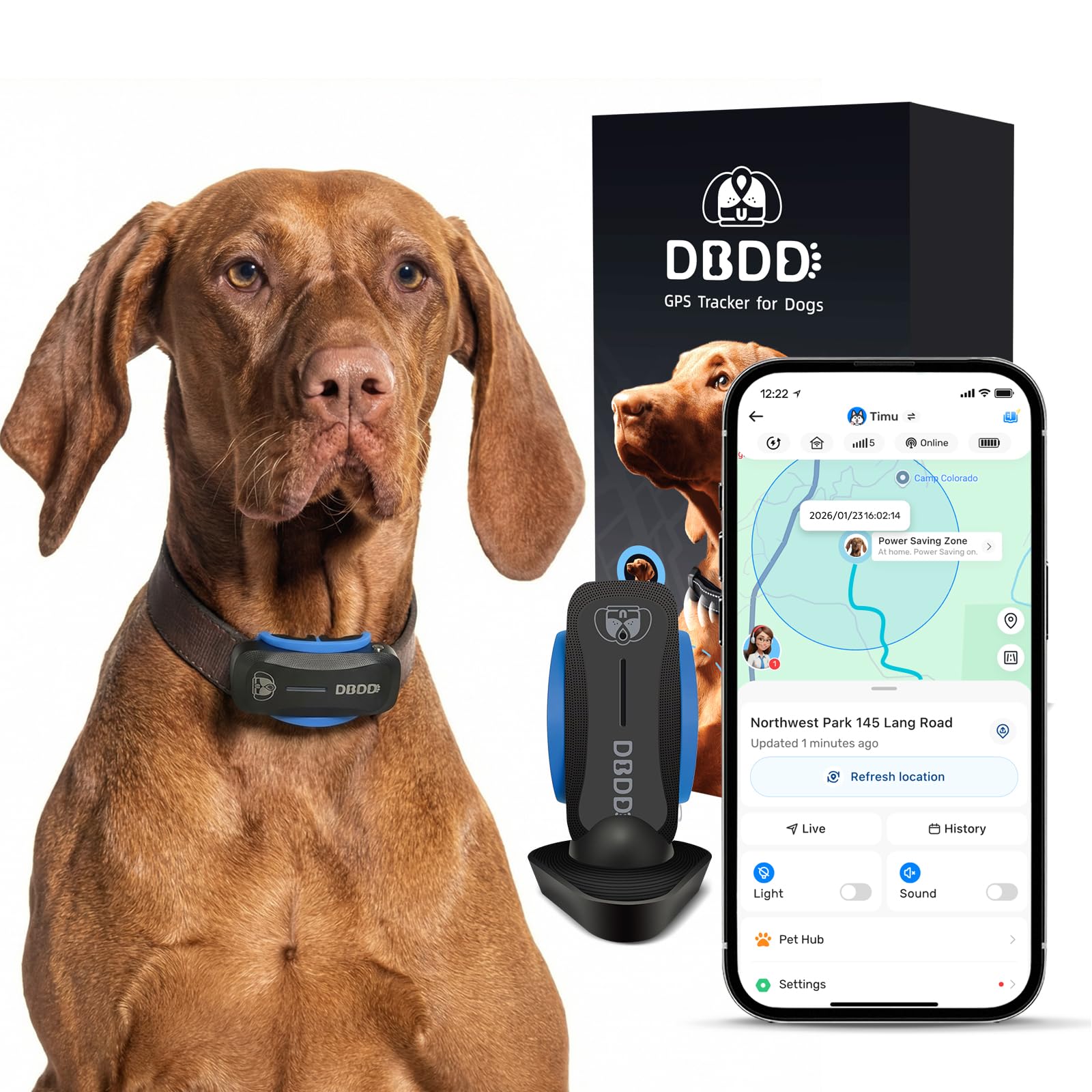
DBDD AI GPS Tracker

DBDD AI GPS Tracker

Budget tracking

Our Score 8.0/10
Check Price

Worth Noting

  • GPS location can be imprecise or slow to update, especially where cellular signal is weak
Battery Life
Weeks standby
Subscription
Required
Tracking Type
Cellular

The DBDD AI GPS Tracker delivers IP67 waterproofing, an AI health assistant, and customizable virtual fences at a fraction of the cost of similar-fea tured competitors. Setup is quick through the smartphone app, and the lightweight collar (1.44 oz) fits medium to large dogs comfortably. However, GPS location can be imprecise or slow to update in some conditions, so owners needing immediate, accurate tracking for escape-prone dogs may find it less dependable. This tracker suits budget-conscious buyers who prioritize health insights and fence alerts and can accept occasional location lag.

Bottom line: A capable entry-level option for owners who want smart features without the premium price tag, but accuracy tradeoffs mean it is not for critical escape prevention.

5

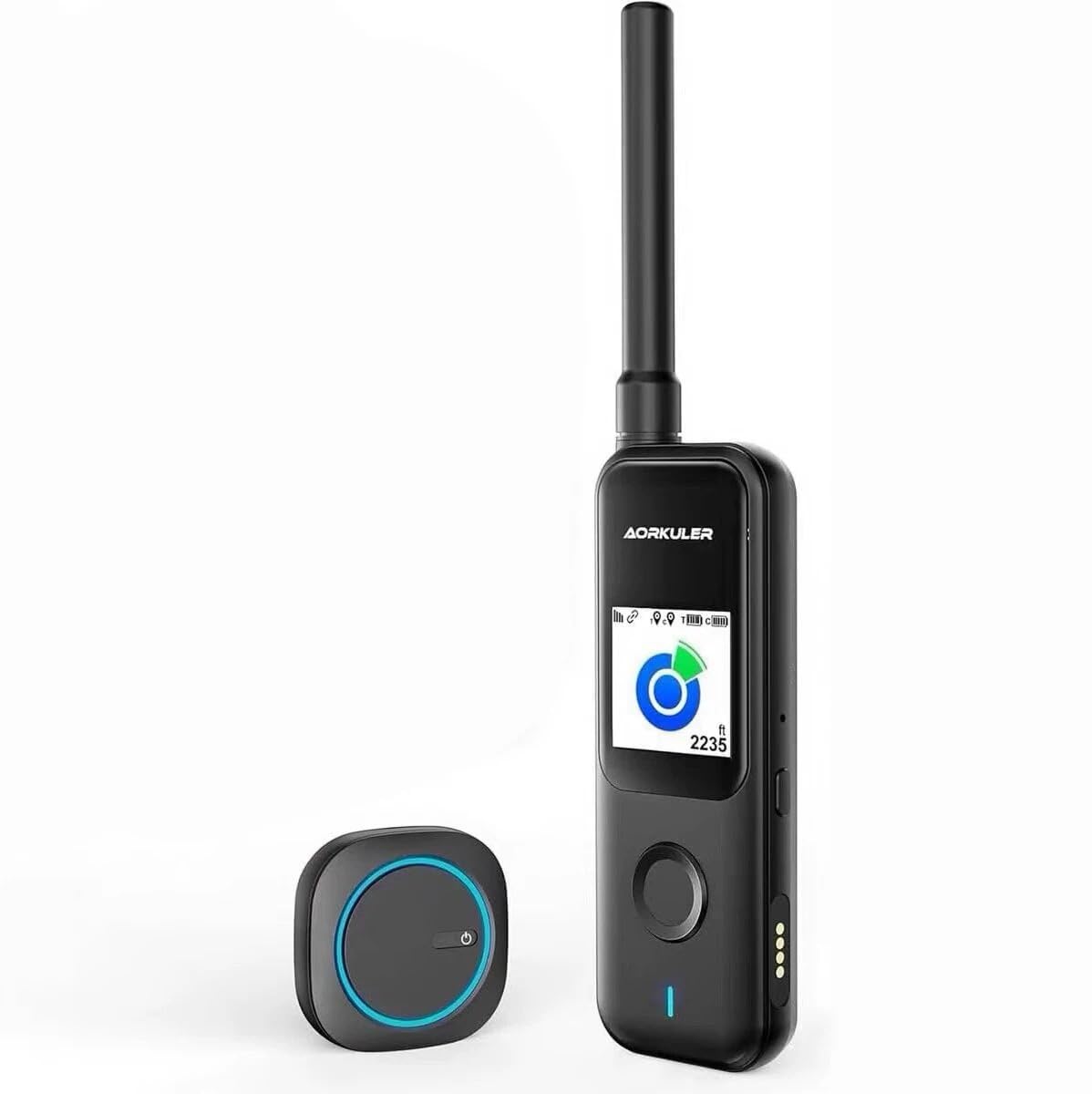
Aorkuler Tracker 2

Aorkuler Tracker 2

Off-grid use

Our Score 8.0/10
Check Price

Worth Noting

  • Active tracking can drain the collar battery within a day, less suited for all-day hikes without recharging.
  • In dense woods or heavy cover, the handheld may lose sync with the collar, delaying location updates.
Battery Life
24h continuous
Subscription
None
Tracking Type
Radio

The Aorkuler Tracker 2 works without cellular signal or subscription, using a lightweight collar and handheld unit to show direction and distance up to 3.5 miles. Unlike the top pick's combined e-collar and training features, this tracker focuses purely on location awareness for off-grid adventures, with a simple display that skips app-based mapping.

Best suited for hikers and farmers in remote areas where cell service is absent, the Tracker 2 eliminates monthly fees. Battery life may fall short of a full day of active tracking, and satellite lock can be slow or intermittent in dense woods — a tradeoff for the freedom of no subscription.

Tip: Turn off the collar when not actively tracking to conserve battery; standby mode can extend life to several days.

Bottom line: For off-grid owners who prioritize zero subscription costs over real-time mapping, the Aorkuler Tracker 2 delivers capable direction-finding — provided the battery and sync limitations are acceptable.

6

Garmin TT 15 Mini

Garmin TT 15 Mini

Small breed hunting

Our Score 9.4/10
Check Price

Worth Noting

  • Battery life can drop to around 8 hours during active use, well below the advertised 16-30 hours.
Battery Life
16-30 hours
Subscription
None
Tracking Type
Radio (handheld required)

At 7.5 ounces, the TT 15 Mini is the lightest GPS collar Garmin makes, sized for dogs with neck measurements as small as 9.5 inches. It pairs reliably with Garmin handhelds such as the Alpha and Astro series, but the collar cannot function without one — it is not a standalone tracker. This makes it a fit for owners who already own a Garmin handheld and need a lightweight tracking option for small breeds, particularly on shorter hunts or walks.

Tip: Enable the sleep mode when the dog is resting to stretch battery life during longer trips.

Bottom line: Best for small-breed owners already committed to the Garmin handheld ecosystem who need a lightweight collar for shorter outings.

7

Garmin Pro 550 Plus

Garmin Pro 550 Plus

Multi-dog training

Our Score 9.4/10
Check Price

Worth Noting

  • Occasional position lag or sync delays may occur, particularly in heavy cover or hilly terrain.
Battery Life
Subscription
None
Tracking Type
Radio (handheld included)

The Garmin Pro 550 Plus combines a handheld controller and collar for professional-grade training and GPS tracking of up to three dogs without needing a phone or subscription. Accuracy for distance and direction is solid, but some units may show occasional position lag or sync delays, especially in dense cover. The high cost and mixed dependability reports make this a tool for serious trainers and hunters who need the training features built into the same device, not a general-purpose tracker for casual owners.

Bottom line: Fits professional trainers and hunters who want training and tracking in one device, as long as they are comfortable with possible performance hiccups and the premium price.

How to Choose

Tracking Range: Cellular vs Radio

Cellular trackers (like Fi and DBDD) rely on cell towers, so they work wherever your phone has signal. Range is effectively unlimited in coverage areas, but the tracker becomes useless in dead zones—exactly where your dog might wander off. Radio-based trackers (Dogtra, Garmin, Aorkuler) use direct radio waves between collar and handheld. They work in remote areas without cell service but have a fixed range (typically 3–9 miles) and can lose signal behind hills or dense trees.

Battery Life Expectations

Battery life is the most overpromised spec in this category. Collars that claim weeks of standby often last only days with frequent updates. Real-world drain depends on update frequency, terrain, and temperature. Radio collars with user-replaceable packs (Garmin Alpha T 20) offer the longest field time—up to 136 hours—while slim cellular collars may need charging every 2–3 days if you enable continuous tracking.

Subscription Costs Over Time

Cellular trackers require a monthly data plan (typically $8–$15/month). Over three years, that adds $300–$540 to the purchase price—often more than the collar itself. Radio-based collars have no recurring fees but require a one-time handheld purchase ($200–$500). The break-even point is usually around 2–3 years; if you plan to keep the tracker longer, no-subscription models save money. Some radio systems like the Aorkuler include a handheld at a lower upfront cost, making them cheaper from day one.

Update Speed and Accuracy

Update rate (how often the location refreshes) directly affects how quickly you can find an escaping dog. Radio collars from Garmin and Dogtra offer 2.5-second updates—fast enough to track movement in real time. Cellular collars typically update every 30–90 seconds, and delays can mask a dog's direction. Accuracy also varies: radio signals are reliable in open fields but can bounce in forests; cellular triangulation is less precise near buildings. For escape-prone dogs, a radio system with sub-5-second updates is safer.

Waterproofing and Durability

A GPS collar must survive rain, streams, and mud. Look for an IP67 rating (DBDD) or rugged construction (Dogtra, Garmin). Most radio collars are built for hunting conditions with reinforced housings. Cellular collars tend to be lighter and may have less robust seals; check that the charging port is covered. A waterproof rating of IP67 guarantees submersion up to 1 meter for 30 minutes—adequate for swimming.

Frequently Asked Questions