Wearables & Health

9 Best Fitness Tracker 2026: Health Monitoring Without Trade-Offs

Find a fitness tracker that matches your phone, budget, and activity level – without exaggerated battery claims or accuracy surprises.

Most fitness trackers promise two-week battery life and pin‑point step accuracy — but after a few days, many users find themselves charging every other night and checking if that arm swing really counted as a step. The gap between marketing and lived experience is wider in this category than almost any other gadget.

The real difference isn't price alone. It's how a tracker handles the basic trade‑offs: battery vs. display brightness, built‑in GPS vs. phone‑dependent tracking, and health sensor depth vs. day‑to‑day comfort. A screenless band can give you seven days of wear and rich sleep data, but you lose the convenience of glancing at your stats. A premium smartwatch offers ECG and oxygen monitoring, but you'll charge it daily.

This guide focuses on trackers that earn their specs in real use — matching the right hardware to the way you actually move, sleep, and carry your phone. The best choice for a marathon runner is different from the best choice for someone who just wants to close their rings.

1

Apple Watch Series 11

Top Pick
Apple Watch Series 11

iPhone health monitoring

Our Score 9.4/10
Check Price

Worth Noting

  • GPS-heavy activities may require a midday charge
  • No Android support
GPS
Built-in (GNSS)
Battery Life
Up to 24 hours
Display Type
Always-on Retina OLED
Compatibility
iPhone only

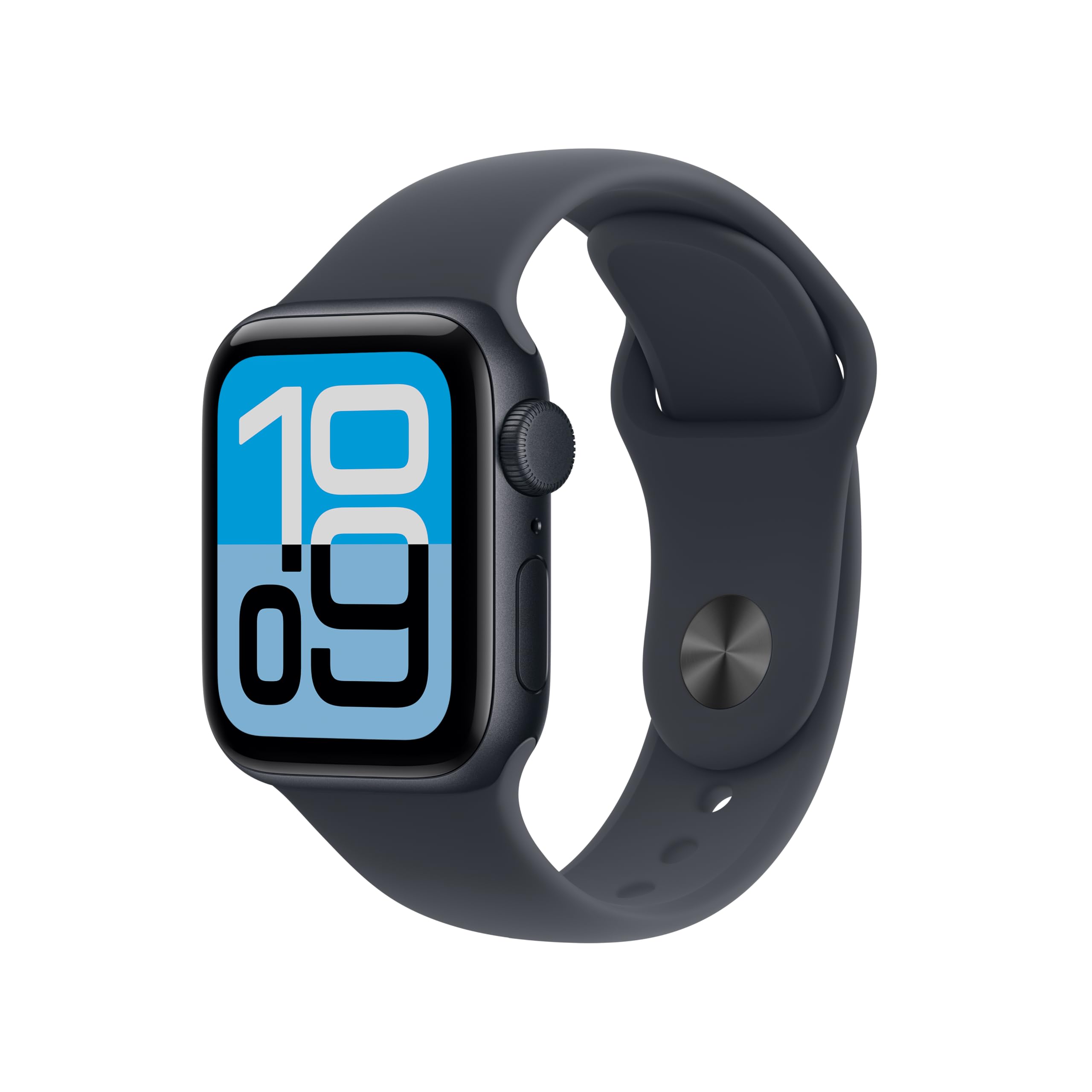
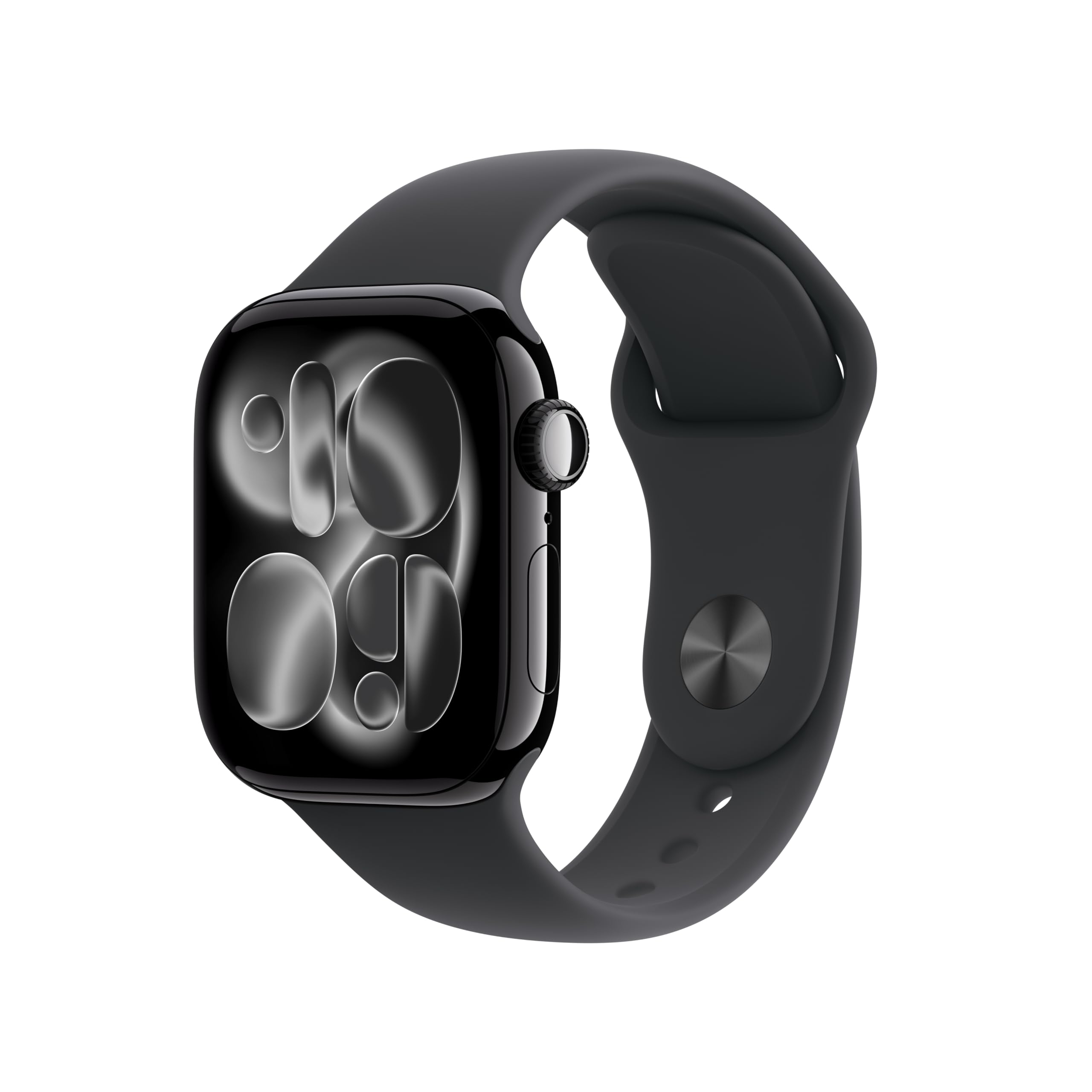
The Apple Watch Series 11 packs clinical-grade health sensors – ECG, sleep apnea detection, and hypertension trend monitoring – into a slim, always-on display package that feels more like a traditional watch than a medical device.

Battery life reliably covers a full day of mixed use with fast charging that refills to 80% in about 45 minutes, so a short shower or morning routine is enough to top up. During GPS-heavy runs or long hikes, the battery may need a midday boost – heavy outdoor users will want to plan around that.

This watch is for iPhone owners who want proactive health monitoring without juggling multiple devices – the ECG, sleep apnea alerts, and temperature sensing replace dedicated gear for many. The catch: it requires an iPhone and needs daily charging, which makes it a poor fit for Android users or anyone who prefers multi-day battery life.

Tip: Keep the charger nearby during the day if you plan long GPS sessions – fast charging can top up during a quick break.

Bottom line: The deepest health sensor set available on a smartwatch, paired with reliable all-day tracking – a strong option for iPhone users who prioritize proactive wellness monitoring and don't mind a daily charge.

2

Samsung Galaxy Watch 7

Samsung Galaxy Watch 7

Samsung phone users

Our Score 9.0/10
Check Price

Worth Noting

  • Battery life lasts 1–2 days in real-world use, well short of the 30-hour claim
  • No built-in GPS, so location tracking depends on a connected smartphone.
  • Screen adhesion may weaken over time, possibly leading to separation in isolated units.
GPS
Connected (via phone)
Battery Life
30 hours claimed
Display Type
1.3-inch AMOLED
Compatibility
Android only (Samsung)

Sleep apnea detection and AI-powered Energy Score set the Galaxy Watch 7 apart from typical fitness trackers. Samsung Health integration delivers a unified health dashboard, and the AMOLED display with premium build matches the aesthetic of Samsung phones.

In daily use, battery life with always-on display typically falls short of the claimed 30 hours, requiring a charge every evening. GPS tracking relies on a connected phone, so runners wanting independent location logging will need to carry their device. The wellness tips and sleep analysis remain useful through the day, but the charging rhythm is a fixed part of ownership.

This watch suits Samsung smartphone owners who value detailed sleep analysis and personalized AI wellness insights. Those expecting multi-day battery or built-in GPS will find the tradeoffs limiting — the watch assumes daily charging and phone proximity for location.

Tip: Charge nightly — the battery won't reliably last through a second day, especially with always-on display enabled.

Bottom line: This watch fits Samsung ecosystem users who prioritize sleep and wellness features over battery endurance and independent GPS.

3

Garmin Vivoactive 5

Garmin Vivoactive 5

Outdoor fitness GPS

Our Score 8.6/10
Check Price

Worth Noting

  • Occasional screen freezing or black screen has been reported in some units
GPS
Built-in (GPS+GLONASS)
Battery Life
11 days smartwatch mode
Display Type
1.2-inch AMOLED
Compatibility
iOS & Android

The Garmin Vivoactive 5 differentiates itself with accurate built-in GPS (GPS, GLONASS, Galileo) and a comprehensive set of health and recovery features – Body Battery, HRV, sleep coach, and stress tracking – that give athletes deep insight into their training load and readiness. This focus on independent GPS and recovery analytics sets it apart from the top pick, which offers broader smartwatch features but shorter battery and relies on phone GPS.

The 1.2-inch AMOLED display is bright and responsive, and the aluminum bezel with silicone band feels well-constructed. However, real-world battery life with always-on display active is typically 5-7 days, not the 11 days advertised – a tradeoff that still outperforms most smartwatches. Bluetooth connectivity to a phone can be inconsistent; some users experience periodic disconnections that interrupt notifications and data sync. This varies depending on the phone model and distance.

This watch is best for runners, cyclists, and hikers who want GPS independence and deep recovery metrics. The Bluetooth quirks and reduced battery with AOD are acceptable compromises for those who primarily use the watch for fitness tracking and can charge every few days. It is less suitable for users who need rock-solid phone connectivity or the absolute longest battery life – the Instinct series is a better fit for the latter.

Bottom line: For fitness-focused buyers who prioritize GPS and recovery data over seamless smartphone integration, the Garmin Vivoactive 5 delivers strong value – but only if you can accept Bluetooth quirks and a battery life that falls short of its claim.

4

Xiaomi Mi Smart Band 10

Xiaomi Mi Smart Band 10

Budget fitness tracker

Our Score 9.0/10
Check Price

Worth Noting

  • Band may detach during vigorous exercise due to a weak closure
  • Pairing can be finicky with some phone models, requiring re-sync
  • No built-in GPS
GPS
Connected (via phone)
Battery Life
21 days claimed
Display Type
1.72-inch AMOLED
Compatibility
iOS & Android

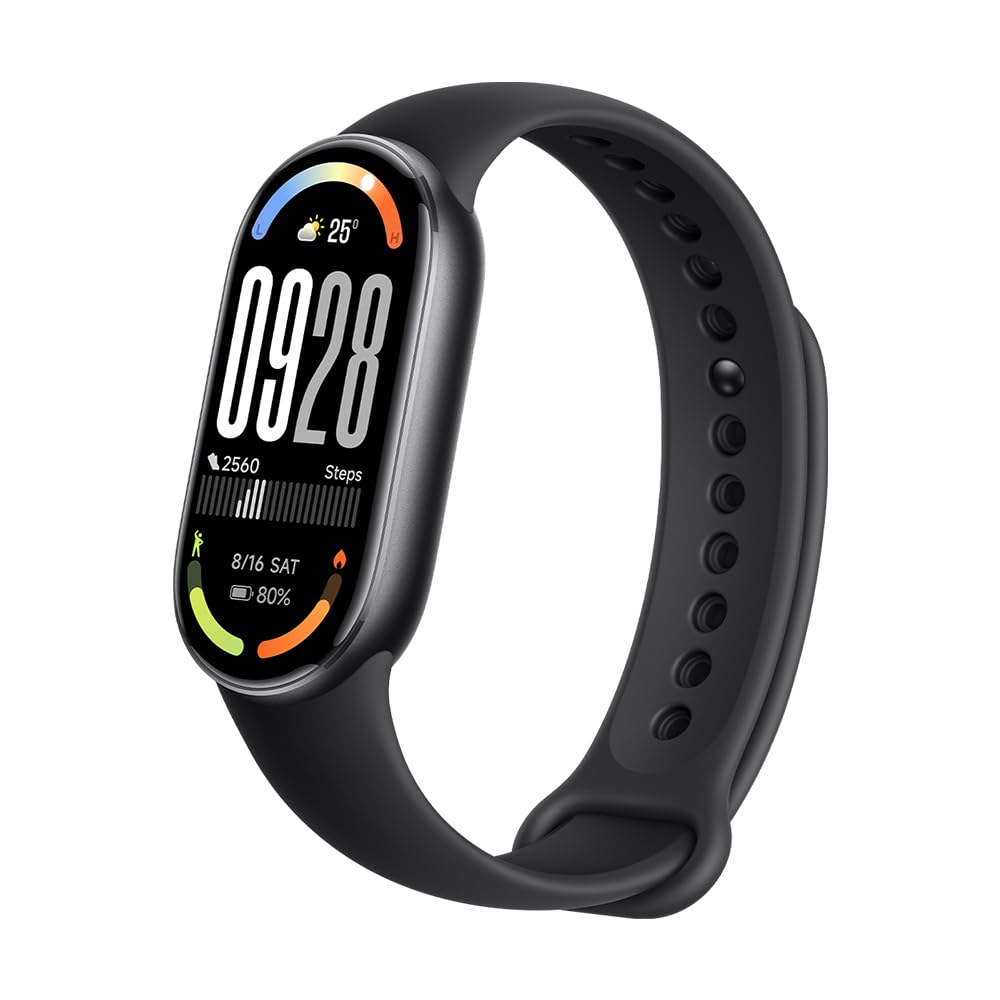
The Xiaomi Mi Smart Band 10 delivers a vivid 1.72-inch AMOLED display and a claimed 21-day battery life that, in real-world use, comfortably stretches to 7–10 days. That combination of screen quality and endurance is rare at this price point, making it a strong alternative to pricier trackers that struggle to last a week.

Core step and workout tracking is consistent, and the heart rate monitor provides useful trends for casual fitness. The 5ATM water resistance covers swimming and showering without issue. Where this band falls short is phone-dependent GPS—if you want distance and pace without carrying your phone, this isn't the right tool. The included band has been noted to loosen during high-movement exercises, and some users experience occasional pairing hiccups with certain Android phones.

Tip: For high-intensity workouts, consider a third-party band with a more secure clasp to avoid accidental drops.

Bottom line: If you can live with phone-tethered GPS and are okay checking the band occasionally, this is the budget tracker that gets the basics right — great screen, long battery, and solid day-to-day tracking.

5

Apple Watch SE 3

Apple Watch SE 3

Value iPhone watch

Our Score 9.4/10
Check Price

Worth Noting

  • On smaller wrists the 40mm display is adequate, but those preferring a larger dial may find it cramped
  • Heavy use may require a midday top-up to last through a full day
  • No ECG or blood oxygen monitoring—those sensors are reserved for the top-pick Series 11
GPS
Built-in (GNSS)
Battery Life
18 hours claimed
Display Type
Always-on Retina OLED
Compatibility
iPhone only

The Apple Watch SE 3 delivers fall detection, sleep apnea alerts, heart rate monitoring, and an always-on display at a price below the Series 11. It omits the advanced health sensors—ECG and blood oxygen—found on the top pick, and battery life holds to an 18-hour daily charge cycle rather than multi-day endurance.

This watch suits iPhone users who want reliable activity and sleep tracking without paying for medical-grade sensors. Battery life is a daily affair—expect to charge it each night—a tradeoff manageable for anyone accustomed to charging their phone daily. The 40mm case is comfortable for smaller wrists, and the always-on display keeps key stats visible during workouts.

Water resistance to 50m handles swim sessions, and built-in GPS tracks outdoor runs without a phone nearby. The interface remains intuitive, and setup with an iPhone takes under five minutes.

Tip: Charge at night while sleeping; the battery management handles a full day of moderate use with consistent timing.

Bottom line: The SE 3 is the right pick for iPhone users who want Apple's health and safety ecosystem at the lowest price, accepting daily charging and a narrower sensor set.

6

Fitbit Air

Fitbit Air

Screenless daily wear

Our Score 8.8/10
Check Price

Worth Noting

  • App interface may feel less intuitive after the switch to Google Health.
  • Step counting can overcount during hand-intensive movements like typing or sanding.
  • Sleep stage data may not consistently match your perceived rest quality.
GPS
Connected via phone
Battery Life
7 days claimed
Display Type
None (screenless)
Compatibility
iOS & Android

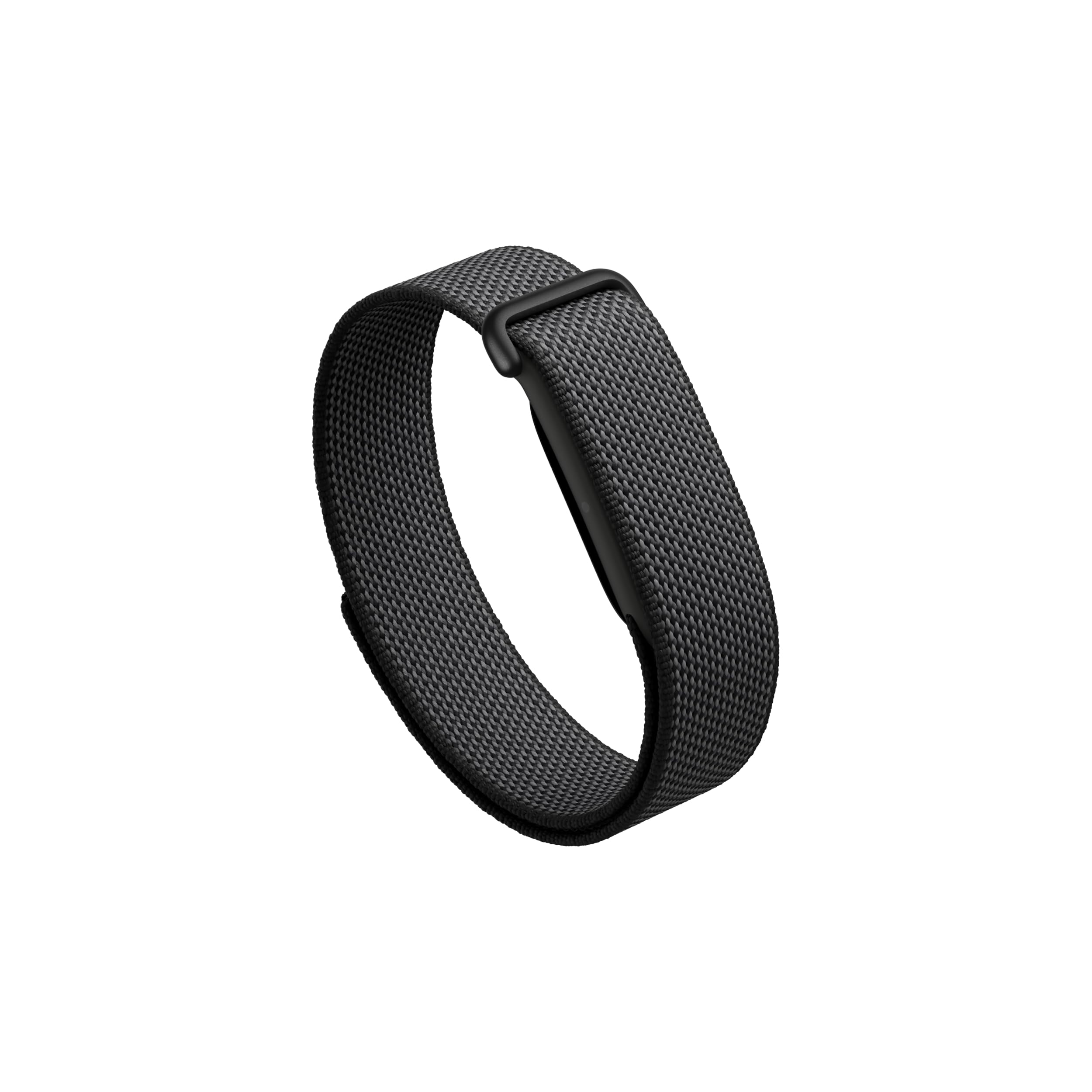
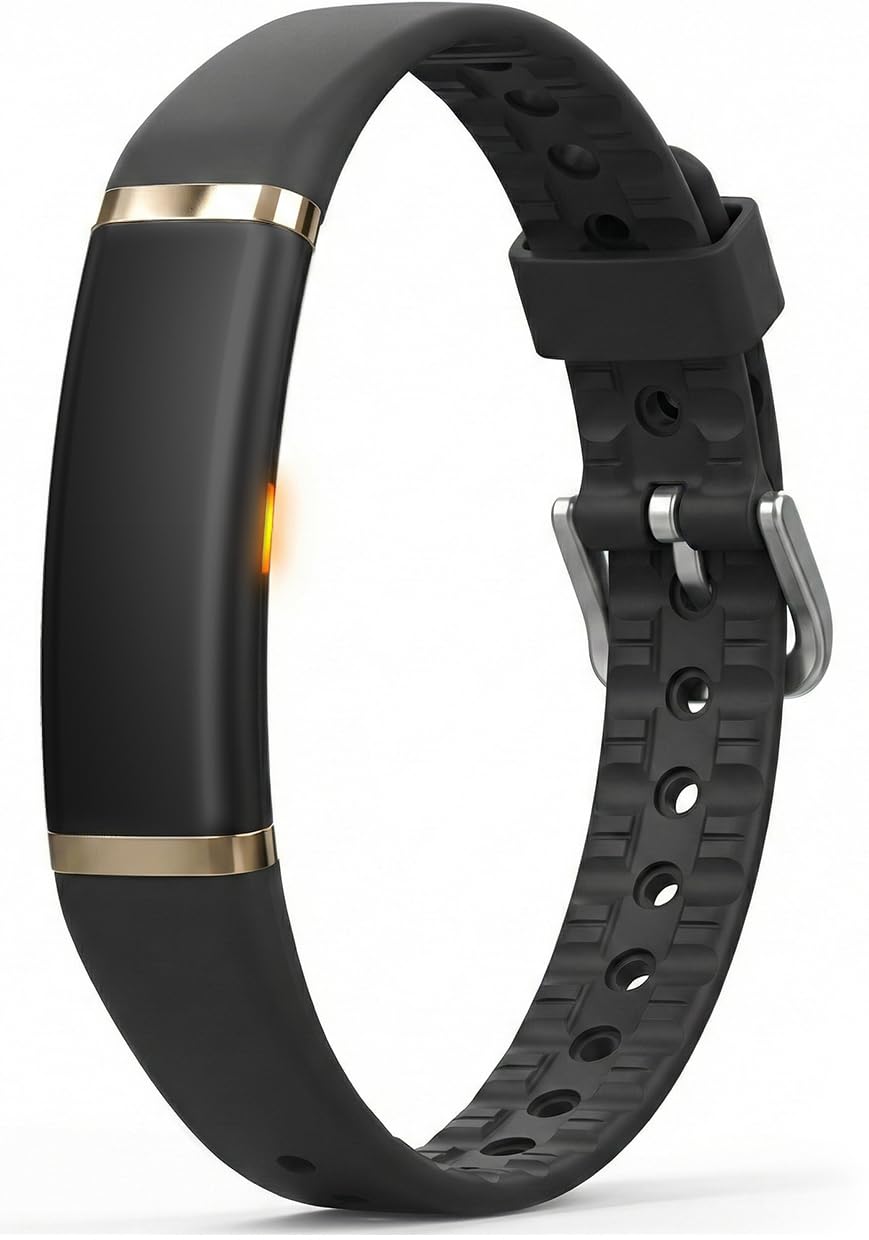
Fitbit Air strips away the screen to deliver a featherlight band that you can wear 24/7 without distraction. It packs optical heart rate, SpO2, and skin temperature sensors alongside a three-month trial of AI-powered coaching — similar to subscription-based trackers like Whoop, but without the ongoing fee. The result is a focused health monitor that logs activity, sleep, and recovery data through your phone instead of a wrist display.

This tracker suits anyone who dislikes wearing a screen — swimmers, sleepers, or those who want a wearable they forget they have. However, step counting can be inaccurate during hand-heavy tasks (typing, sanding), and sleep stage data may not always align with how rested you feel. These are acceptable tradeoffs for a zero-distraction experience, but buyers who need precise metrics should look elsewhere.

Battery life holds up to the seven-day claim under typical use, and the 50-meter water resistance handles pool swims and showers without issue. The hardware feels solid enough for daily wear, though the lack of a display means you rely entirely on phone notifications for real-time feedback — a deliberate design choice that reinforces the band‘s purpose as a background companion rather than a command center.

Tip: If step count accuracy matters, wear the band on your non-dominant ankle during activities with heavy hand use.

Bottom line: An ideal pick for those who want continuous health data without the pull of a screen — accepting that step and sleep accuracy are secondary to comfort and simplicity.

7

Samsung Galaxy Fit 3

Samsung Galaxy Fit 3

Android budget band

Our Score 8.8/10
Check Price

Worth Noting

  • Battery life in typical use reaches 4–5 days, well below the advertised 14-day claim.
  • Some units may develop issues after a few months, raising durability questions.
GPS
Connected via phone
Battery Life
14 days claimed
Display Type
1.6-inch AMOLED
Compatibility
Android only

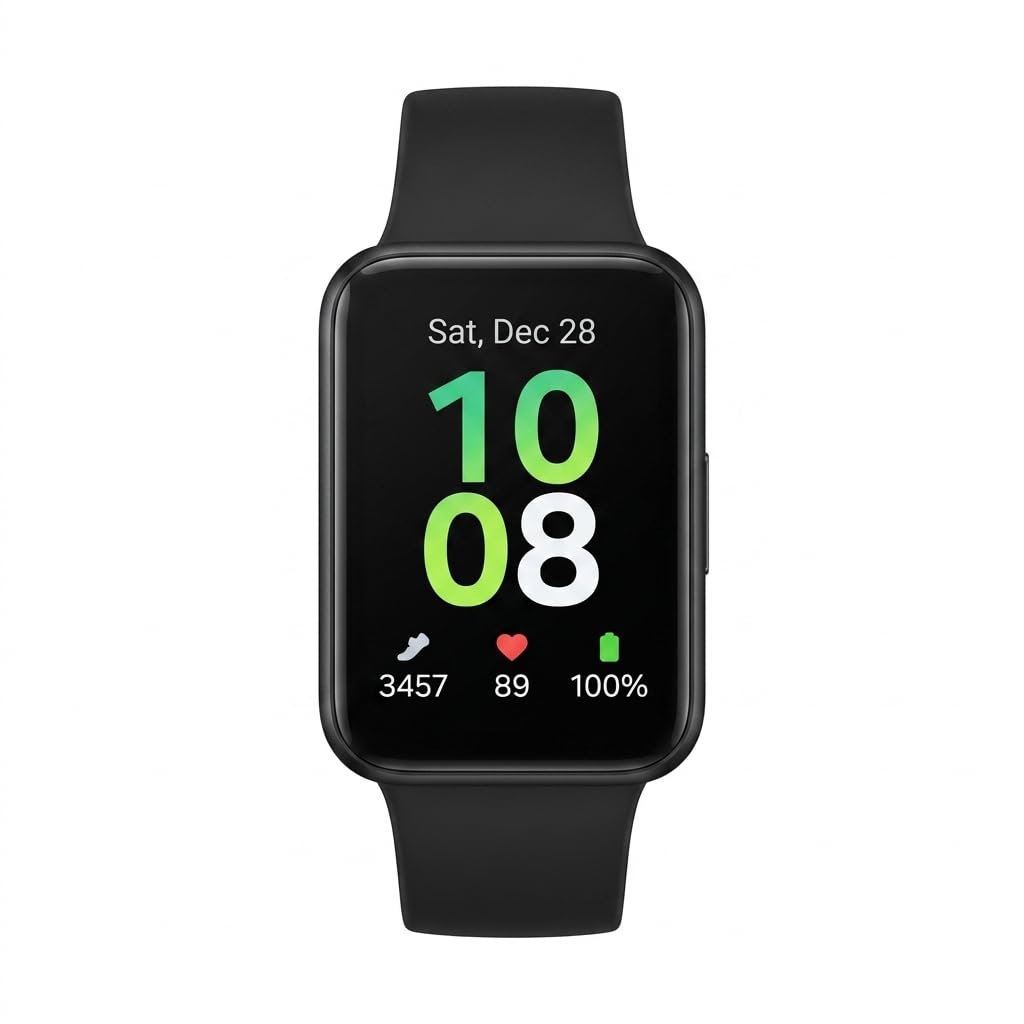
With a bright 1.6-inch AMOLED screen, 5ATM water resistance, and over 100 exercise modes, the Galaxy Fit 3 delivers features typically found in trackers costing twice as much. Pairing is quick with any Android phone, and the interface is intuitive. However, the 14-day battery claim doesn't hold up in normal use – expect 4 to 5 days between charges. More concerning, some units have stopped working after several months, which keeps this from being a top-tier recommendation. For Android users who want a low-cost band with a vivid display and don't rely on built-in GPS or long battery life, the Galaxy Fit 3 is worth considering.

Bottom line: A good fit for Android users on a tight budget who prioritize a bright screen and water resistance over long battery life and absolute reliability.

8

FITVII Screenless

FITVII Screenless

No-screen budget

Our Score 9.8/10
Check Price

Worth Noting

  • Health sensor accuracy may fall short of marketed performance
  • Screenless design means no on-wrist feedback during workouts; phone is required to check stats.
GPS
Connected via phone
Battery Life
10 days claimed
Display Type
None (screenless)
Compatibility
iOS & Android

The FITVII Screenless offers an appealing spec sheet for its price: no monthly fees, IP68 water resistance, and a claimed 10-day battery life. The lack of a display keeps the band lightweight and distraction-free, while connected GPS via phone covers outdoor routes. However, real-world performance remains unconfirmed — the health sensor accuracy, battery endurance under continuous use, and overall durability have not been verified through broad user experience. This makes it a gamble for anyone expecting consistent tracking day after day.

Bottom line: This tracker works for budget-minded buyers who want a no-subscription wearable and are comfortable accepting unverified accuracy and the need to rely on a phone for live data.

9

Fitbit Inspire HR

Fitbit Inspire HR

Simple Fitbit tracker

Our Score 8.8/10
Check Price

Worth Noting

  • Some units may cease to function within the first year, requiring replacement.
  • Battery life can shorten over time, and charger connection may become unreliable.
GPS
Connected via phone
Battery Life
5 days claimed
Display Type
OLED (small)
Compatibility
iOS & Android

Step and sleep tracking are the Inspire HR's primary strengths, and the large Fitbit community provides ample guidance for new users. The included small and large bands ensure a comfortable fit for most wrists. For everyday step counting and sleep monitoring, it performs consistently.

Durability concerns mean some units may cease to function before the first year is up, and battery life can diminish noticeably over time. Heart rate accuracy during intense workouts is also a known variable. The device uses phone GPS for location tracking, which works adequately for casual use. These tradeoffs make the Inspire HR a fit for buyers who prioritize basic tracking over long-term investment and are willing to replace the device if needed.

Bottom line: Best suited for users who want dependable step and sleep tracking without expecting long-term durability, and who are comfortable with the possibility of replacing the device after a year.

How to Choose

Display Type: AMOLED vs Screenless

AMOLED screens offer bright, always-on visibility but drain battery faster. Screenless trackers save power and reduce distractions but require checking your phone for data.

If you often glance at your wrist during workouts, a 1.2-inch to 1.7-inch AMOLED is worthwhile. For sleep tracking and all-day wear without interruptions, a screenless band keeps weight low and battery lasting days longer.

Battery Life: Real-World Expectations

Most trackers advertise optimistic battery figures under ideal conditions. Real-world usage with always-on display, frequent GPS, and notification sync typically cuts that claim by 40–60 percent.

For example, a band claiming 14 days often delivers 5–7 days. If you plan to run with GPS every day, expect even shorter intervals. Choose a device whose battery comfortably exceeds your daily routine to avoid midday charging.

GPS: Built-in vs Connected

Built-in GPS lets you run or bike without carrying your phone – the tracker maps your route independently. Connected GPS relies on your phone's GPS, which saves battery on the tracker but ties you to carrying the phone.

If you frequently run outdoors without a phone, invest in a tracker with built-in GPS. For gym workouts or walks where you keep your phone nearby, connected GPS is sufficient and keeps the band cheaper and lighter.

Compatibility: iPhone vs Android

Apple Watch only pairs with iPhones; Samsung trackers often lock into Android. Most budget bands work with both, but some advanced features (like ECG) remain exclusive to the brand's own ecosystem.

Before buying, confirm that the tracker syncs with your phone's health platform. An Android user buying a Galaxy Watch gets deep integration, while an iPhone user will miss out on core features.

Health Sensors: Accuracy and Depth

Optical heart rate sensors are standard, but their accuracy drops during high-motion activities like weightlifting or sprinting. SpO2 and sleep tracking vary widely – some trackers overcount steps from simple hand movements.

If you rely on heart rate zones for training, a tracker with a proven sensor (like Apple's or Garmin's) is more trustworthy. For casual fitness, a budget band's readings are fine for trends but not for clinical decisions.

Frequently Asked Questions