Wearables & Health

9 Best Fitness Tracker for Seniors 2026: Standalone Simplicity Without a Phone

Which fitness trackers actually suit seniors? The best choices prioritize large displays, simple interfaces, and no-phone operation for stress-free activity tracking.

Most fitness trackers assume you'll pair them with a smartphone app. But for many seniors, that added step turns a helpful tool into a frustrating puzzle. The result? Devices left in drawers rather than worn daily.

The real choice isn't between brands — it's between standalone simplicity and feature-rich smartwatches that demand app management. Three of the four highest-rated models for seniors don't need a phone at all. They just work out of the box with big screens and long battery life.

That doesn't mean advanced options are useless. Some seniors want GPS, sleep coaching, or ECG monitoring. This guide helps you pick the right balance based on comfort with technology and willingness to charge a device every few days.

1

Pautios Pedometer Watch

Top Pick
Pautios Pedometer Watch

No-phone simplicity

Our Score 8.0/10
Check Price

Worth Noting

  • Step counting can overcount or undercount
  • Durability has varied across units; some may stop working after a few months of use
  • Sleep tracking records only nighttime sleep, not suited for shift workers or naps
Battery Life
Up to 6 weeks
Phone Required
No
Water Resistance
IP68
Health Monitoring
HR, SpO2, sleep

The Pautios Pedometer Watch operates entirely without a smartphone, making it one of the few fitness trackers that works straight out of the box for seniors who don't use or want a phone. Its 1.4-inch color LCD shows large digits and icons that are easy to read at a glance, even for those with less-than-perfect vision. Battery life often stretches to several weeks between charges, reducing the need for frequent reminders.

Step counting is its most notable tradeoff — it can overcount or undercount compared to a dedicated pedometer, so it's best used for tracking daily activity trends rather than precise step totals. Durability has varied across units; some have been noted to stop functioning after a few months of use, though many continue working well beyond that. Sleep tracking is limited to nighttime sleep only, so those who work night shifts or nap irregularly will get limited use from that feature.

This watch is designed for seniors who want a no-fuss activity tracker without learning a phone app or dealing with connectivity issues. Caregivers looking for a simple way to monitor a loved one's daily movement and heart rate will find it practical, as will budget-conscious buyers who want basic health data (heart rate, SpO2 via manual measurement) at a low entry cost. It is not suited for those who need precise step counts, GPS tracking, or advanced sleep analytics — those use cases fall outside its intended scope.

Bottom line: For seniors who want a standalone tracker with a clear display and long battery, this is the most straightforward option — just keep its step accuracy limits in mind for casual activity monitoring.
2

DAVIKO Pedometer Watch

DAVIKO Pedometer Watch

No-phone alternative

Our Score 8.8/10
Check Price

Worth Noting

  • When tracking daily steps, the watch may overcount or undercount
  • Long-term durability is a question mark
  • Blood pressure and SpO2 readings are trend indicators, not medically accurate
Battery Life
7 days+
Phone Required
No (optional app)
Water Resistance
IP68
Health Monitoring
HR, SpO2, sleep

The DAVIKO Pedometer Watch earns a slightly higher customer rating than the Pautios and adds the option of app connectivity for those who want to dig into their data. That optional app means you can still use every core function — step counting, heart rate, sleep tracking — completely standalone, which is the key requirement for seniors who don't own a smartphone. The 1.4-inch color LCD is easy to read at a glance, and the large buttons plus touch operation are straightforward to use without glasses.

This watch is for seniors who want a simple, no-app-required fitness tracker with a clear display and decent battery life (seven days typical, up to two weeks with light use). The magnetic charger snaps on easily, a welcome detail for those with limited dexterity. However, step counting can overcount or undercount compared to a dedicated pedometer — useful for seeing activity trends, not for precise steps. Some units may stop working after a few months, so long-term reliability is a consideration. Blood pressure and SpO2 readings are for reference only, not medical-grade.

Tip: For more consistent step counts, wear the watch on your non-dominant wrist and compare it against a known walk distance to gauge its offset.

Bottom line: For seniors who want a standalone tracker with a large display and the option to check data on a phone, the DAVIKO is a strong alternative to the top pick — just keep in mind that step accuracy isn't perfect and some units have shown reliability issues.

3

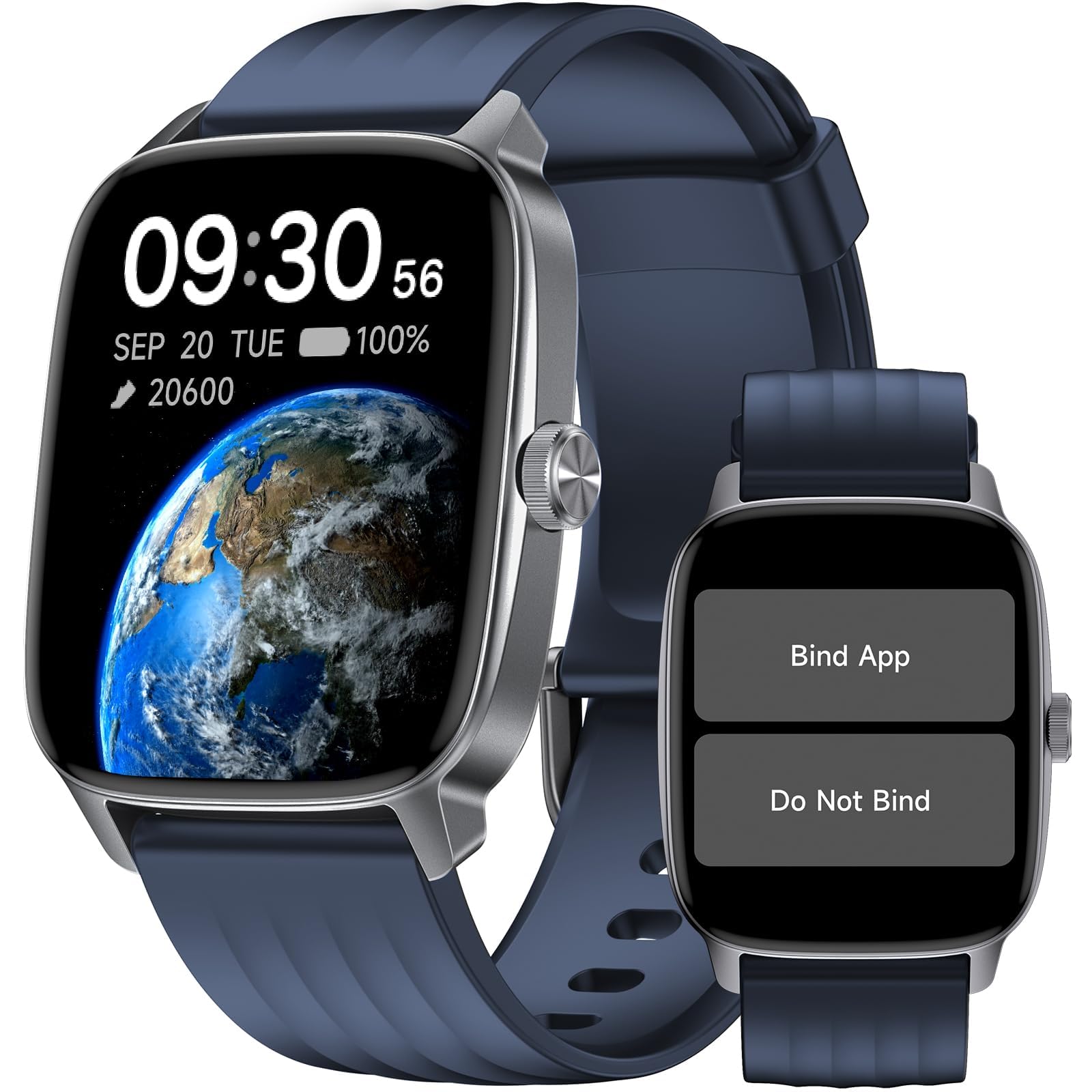
aeac Smart Watch

aeac Smart Watch

Budget smartwatch

Our Score 8.8/10
Check Price

Worth Noting

  • Bluetooth connection can drop occasionally if phone is out of range
  • Health readings (SpO2, heart rate) are for reference, not clinical use
  • A small percentage of units may stop working after several months
Battery Life
7-10 days
Phone Required
Yes (call function)
Water Resistance
3 ATM
Health Monitoring
HR, SpO2, sleep, stress

The aeac Smart Watch stands out with its 1.32-inch AMOLED display, delivering bright, crisp text and vibrant watch faces that are easy to read indoors and outdoors. Unlike the top pick standalone tracker, this watch pairs with a phone to let you answer calls directly from your wrist – a convenience for seniors who want quick access without digging for their phone.

This watch fits older adults who are comfortable with a simple app setup and don’t mind occasional Bluetooth hiccups. The health metrics – heart rate, SpO2, sleep – are useful for spotting general trends, but remember they are not medically validated. A small number of units may have longevity issues, so checking return policies is wise. The 7-10 day battery life means fewer charging reminders, and the user-friendly app makes tracking activity straightforward for those new to wearables.

Tip: Keep your phone within Bluetooth range (about 10 meters) to maintain a stable connection and ensure calls come through clearly.

Bottom line: For seniors who want a colorful, call-enabled smartwatch without paying premium prices, the aeac delivers strong value – just be aware that its health data is for trend monitoring, and occasional Bluetooth drops mean keeping your phone close by.

4

Garmin Vivoactive 5

Garmin Vivoactive 5

Active seniors

Our Score 8.6/10
Check Price

Worth Noting

  • Phone connectivity can drop unexpectedly, requiring a restart to re-pair.
Battery Life
Up to 11 days
Phone Required
Yes (app)
Water Resistance
5 ATM
Health Monitoring
Body battery, sleep coach, HR, SpO2

Sleep tracking goes beyond basic duration — a sleep coach scores each night and suggests improvements, while the body battery metric shows how your energy reserves recover. The 1.2-inch AMOLED screen stays readable in direct sunlight, making outdoor activity data easy to check at a glance.

This watch suits seniors who already navigate smartphones and apps and want detailed health analytics. The menu system has many layers — those who prefer a simple, glance-and-go interface will find it more complex than standalone trackers. GPS use cuts battery life significantly, but the bright display and robust health features reward the time spent learning the setup.

Unlike the standalone pedometer watches in this guide, the Vivoactive 5 requires a paired smartphone for full setup and data review. This makes it a better fit for seniors who carry a phone and are comfortable with app-based health tracking.

Tip: Full setup requires the Garmin Connect app — have your phone ready before unboxing.

Bottom line: Best for tech-savvy seniors who want deep sleep and energy insights and are willing to manage occasional connectivity hiccups and a learning curve for the menu system.

5

Withings ScanWatch 2

Withings ScanWatch 2

Medical-grade

Our Score 8.0/10
Check Price

Worth Noting

  • Step counts and sleep phases may not match dedicated fitness trackers in consistency.
Battery Life
Up to 35 days
Phone Required
Yes (app)
Water Resistance
10 ATM
Health Monitoring
ECG, HR, SpO2, sleep

The Withings ScanWatch 2 distinguishes itself from the all-screen smartwatches in this roundup by embedding an FDA-cleared ECG sensor into a traditional analog case. It runs for up to 35 days on a single charge, sidestepping the nightly charging routine common with fitness wearables. The built-in GPS tracks outdoor walks without needing a phone, while the hybrid design keeps health tech hidden behind a classic watch face.

This watch fits seniors who want medical-grade ECG readings without wearing a digital-first device. The tradeoff is a 0.63-inch digital screen that makes reviewing detailed health data a challenge — you will likely rely on the companion app for in-depth metrics. The premium cost reflects the clinical sensor, and some units may experience charging difficulties (ensuring clean contacts helps). For the buyer who values heart monitoring over fitness tracking and can work around the tiny display, the ScanWatch 2 offers a rare combination of analog looks and clinical utility.

Bottom line: Best for seniors who need ECG monitoring and prefer a watch that looks like a watch — budget and small display aside.

6

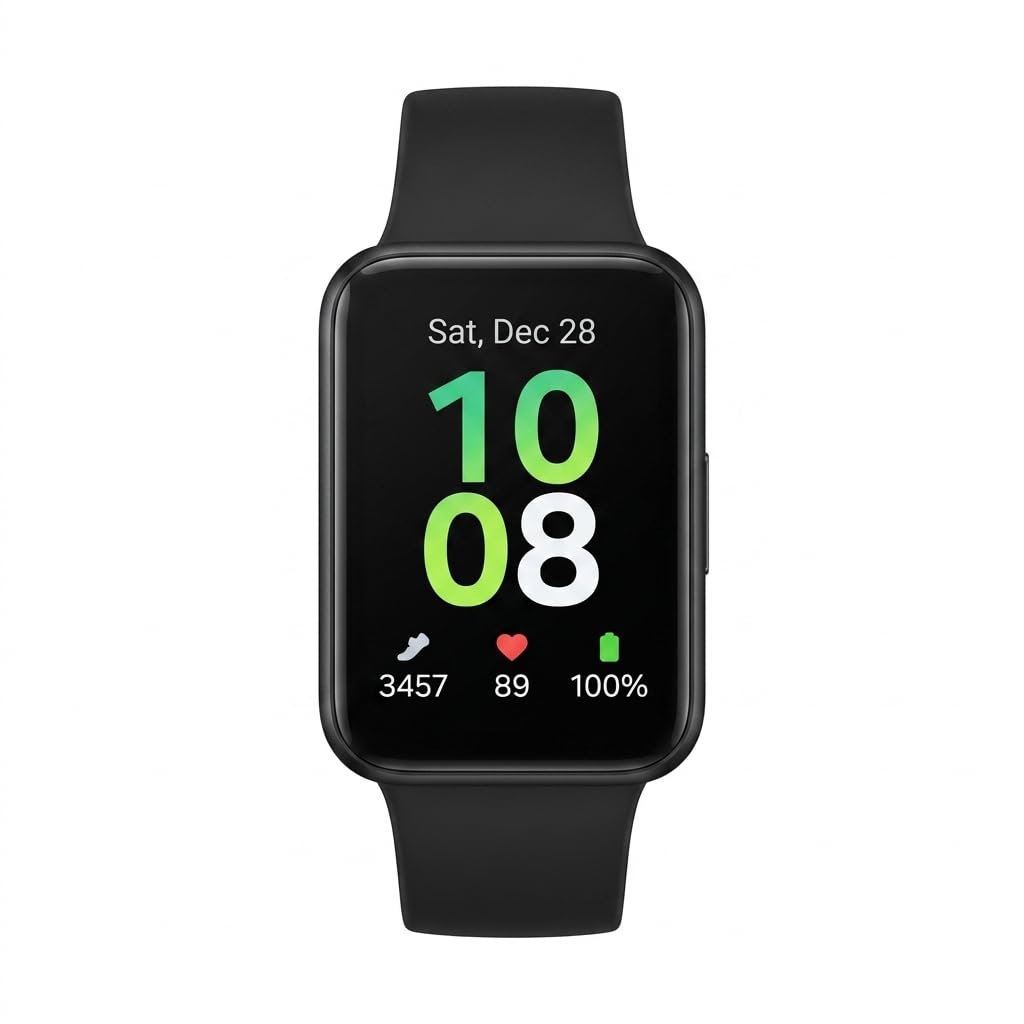
Samsung Galaxy Fit 3

Samsung Galaxy Fit 3

Budget Android

Our Score 8.8/10
Check Price

Worth Noting

  • Only compatible with Android phones; no iOS support.
  • Battery life may be shorter than advertised, especially with heavy use.
Battery Life
Up to 13 days (varies)
Phone Required
Yes (Android only)
Water Resistance
5 ATM
Health Monitoring
Step, HR, sleep

The Samsung Galaxy Fit 3 delivers a vibrant 1.6-inch AMOLED screen that is easy to read, alongside solid step tracking and a low price point for Android users. However, compatibility is limited to Android devices — iPhone owners cannot use it. Battery life may fall short of the advertised 13 days under heavy use, with some users seeing around 4 days between charges. Occasional reports of units not lasting long-term have also been noted. For seniors who already use a Samsung phone and prioritize a clear display without spending much, this is a reasonable option, but the top pick standalone tracker is better for those who prefer to avoid relying on a phone.

Bottom line: A good pick for Samsung phone users who want a bright screen on a tight budget, but those needing iPhone compatibility or longer battery life should look elsewhere.

7

Amazfit Active 2 Premium

Amazfit Active 2 Premium

Value GPS

Our Score 8.8/10
Check Price

Worth Noting

  • Some units may stop functioning after several months of use
  • Zepp app can have connectivity drops and occasional buggy behavior
Battery Life
Up to 10 days
Phone Required
Yes (app)
Water Resistance
5 ATM
Health Monitoring
BioTracker HR, sleep, SpO2, stress

This Amazfit delivers a sharp 1.32-inch AMOLED display that stays readable in direct sun, built-in GPS for tracking walks or hikes, and both leather and sport bands in the box. The 7-10 day battery with fast charging keeps it ready for daily wear. For seniors comfortable using the Zepp app on their phone, the health monitoring suite (heart rate, SpO2, stress) provides useful trend data. However, sleep tracking isn't on par with Garmin or Fitbit for precision, and some units have experienced early malfunctions — meaning this is a good value for those willing to accept occasional app connectivity quirks and possible unit variance.

Bottom line: Best suited for tech-comfortable seniors who want a feature-rich smartwatch on a budget and are okay with possible app hiccups or unit variance.

8

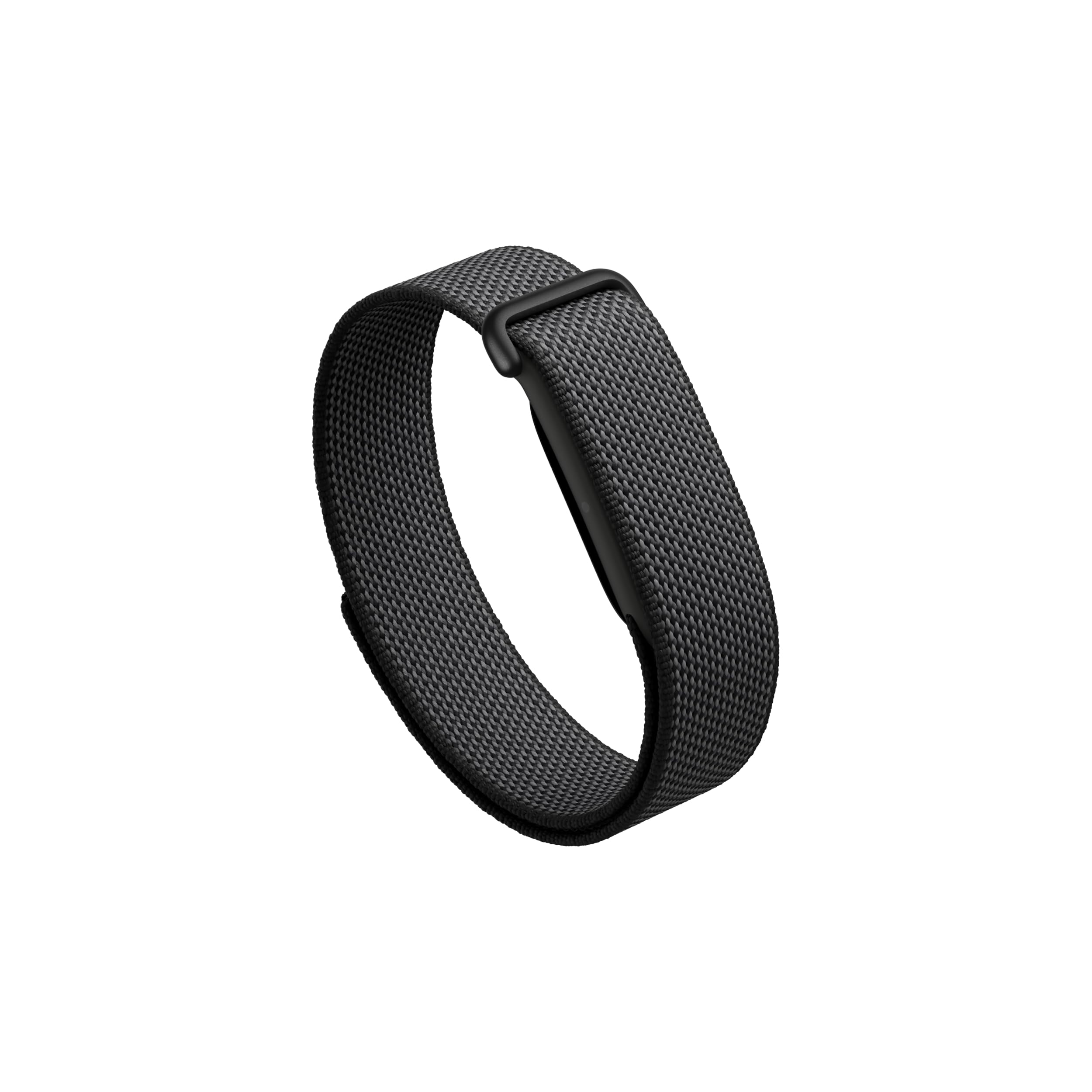
Fitbit Air

Fitbit Air

Screenless

Our Score 8.8/10
Check Price

Worth Noting

  • Step counting and sleep tracking can be inconsistent in accuracy
  • No screen means you must check your phone for time or health stats
Battery Life
Up to 7 days
Phone Required
Yes (app)
Water Resistance
50m
Health Monitoring
HR, SpO2, sleep

The Fitbit Air is an extremely comfortable, lightweight band that integrates seamlessly with Google Health for heart rate and sleep tracking. Its long battery life with fast charging is convenient. However, the screenless design means you must check your phone for time or health stats – no glanceable feedback. Step counting and sleep tracking can be inconsistent in accuracy, and full AI coaching requires a subscription. This suits seniors who always carry a phone and want a discreet tracker, but most will find a standalone display more practical.

Tip: The subscription for AI coaching is optional – basic tracking works without it, but deeper insights require payment.

Bottom line: Works for seniors who always keep their phone nearby and prefer a discreet tracker, but skip it if you want on-wrist stats or don't want a subscription for advanced features.

9

Moremore Fitness Tracker

Moremore Fitness Tracker

Extreme budget

Our Score 8.6/10
Check Price

Worth Noting

  • Blood pressure numbers are not reliable
  • Some units may stop operating after a few months of use, creating uncertainty about longevity
Battery Life
7 days
Phone Required
Yes (app)
Water Resistance
Health Monitoring
HR, SpO2, sleep, BP

The Moremore Fitness Tracker is the cheapest option with a bright 1.1-inch AMOLED screen and solid battery life for daily activity tracking. Heart rate and step counts are generally acceptable for casual use. However, blood pressure readings are not accurate enough to rely on, and a portion of units can stop operating within months of regular wear. Long-term durability is not well-documented, so this tracker suits the extreme budget buyer who treats health numbers as rough guidance rather than medical data.

Bottom line: If you want the absolute cheapest AMOLED tracker and accept that health metrics are approximate and longevity is uncertain, this fits. Seniors seeking trustworthy health monitoring should look at options with more customer history and proven accuracy.

How to Choose

Display Readability

A bright, large display matters more for seniors than for younger users. AMOLED screens offer high contrast and vivid colors, but even a well-lit LCD can be easier to read in direct sunlight if it has a larger font option.

Phone Requirement

Trackers that need a smartphone app add a layer of complexity. Many seniors find Bluetooth pairing, app downloads, and account setup frustrating. Standalone models show all data directly on the wrist and require no phone at all.

The trade-off is data depth. App-connected trackers can store historical trends, give AI-driven insights, and share data with doctors. If the senior is comfortable with basic app use, a connected device unlocks more value.

Health Monitoring Accuracy

Optical heart rate and SpO2 sensors are common, but their accuracy varies with skin tone, movement, and fit. Step counting from wrist motion is especially prone to overcounting — arm swings from typing or cooking can add phantom steps.

For medical-grade readings like ECG, look for FDA-cleared devices. Basic health metrics like sleep time and heart rate are useful for trends, not for diagnosis. Expect a 10-20% error margin on most consumer trackers.

Battery Life

Manufacturer claims often assume ideal conditions with minimal features enabled. Always-on displays, continuous heart rate monitoring, and GPS can cut battery life by 50% or more. Read recent user reviews for real-world numbers.

For seniors who may forget to charge, a tracker that lasts two weeks or longer is far more practical than one needing nightly charging. Standalone pedometer watches with LCD screens typically last the longest.

Water Resistance

Daily wear means exposure to sweat, hand washing, and rain. An IP68 rating guarantees survival in shallow water, while 5 ATM (50m) allows swimming. Avoid trackers without a stated rating for peace of mind.

Frequently Asked Questions