Smart Home & Security

10 Best Video Doorbell 2026: Battery Life and Video That Deliver

Which video doorbell actually gives you the battery life and video quality promised, without hidden subscription traps? We help you pick the right one for your setup.

Video doorbell makers love to advertise battery life in months or years, but real-world use often tells a different story. Cold weather, high traffic, and frequent motion events can drain a battery in weeks, not months. Many buyers discover this frustration only after installation.

That's not the only surprise. The choice between a well-known ecosystem with recurring subscription fees and a budget-friendly no-subscription model is a real dilemma. The former gives you deep smart home integration and proven support; the latter saves money upfront and over time, often with surprisingly good video quality.

The right doorbell depends on whether you value long-term ecosystem convenience or zero monthly costs, and how much you prioritize battery life versus video resolution. This guide breaks down the trade-offs so you can match a doorbell to your actual usage.

1

Ring Battery Doorbell (2nd Gen)

Top Pick
Ring Battery Doorbell (2nd Gen)

First-time buyers

Our Score 9.0/10
Check Price

Worth Noting

  • In high-traffic or cold conditions, battery may need recharging every 2-4 weeks
  • Motion detection can miss people or trigger on non-relevant movement; zone adjustments help but not fully resolve
Smart Home
Alexa
Power Source
Battery (rechargeable)
Subscription
Required for cloud
Field of View
Head-to-Toe

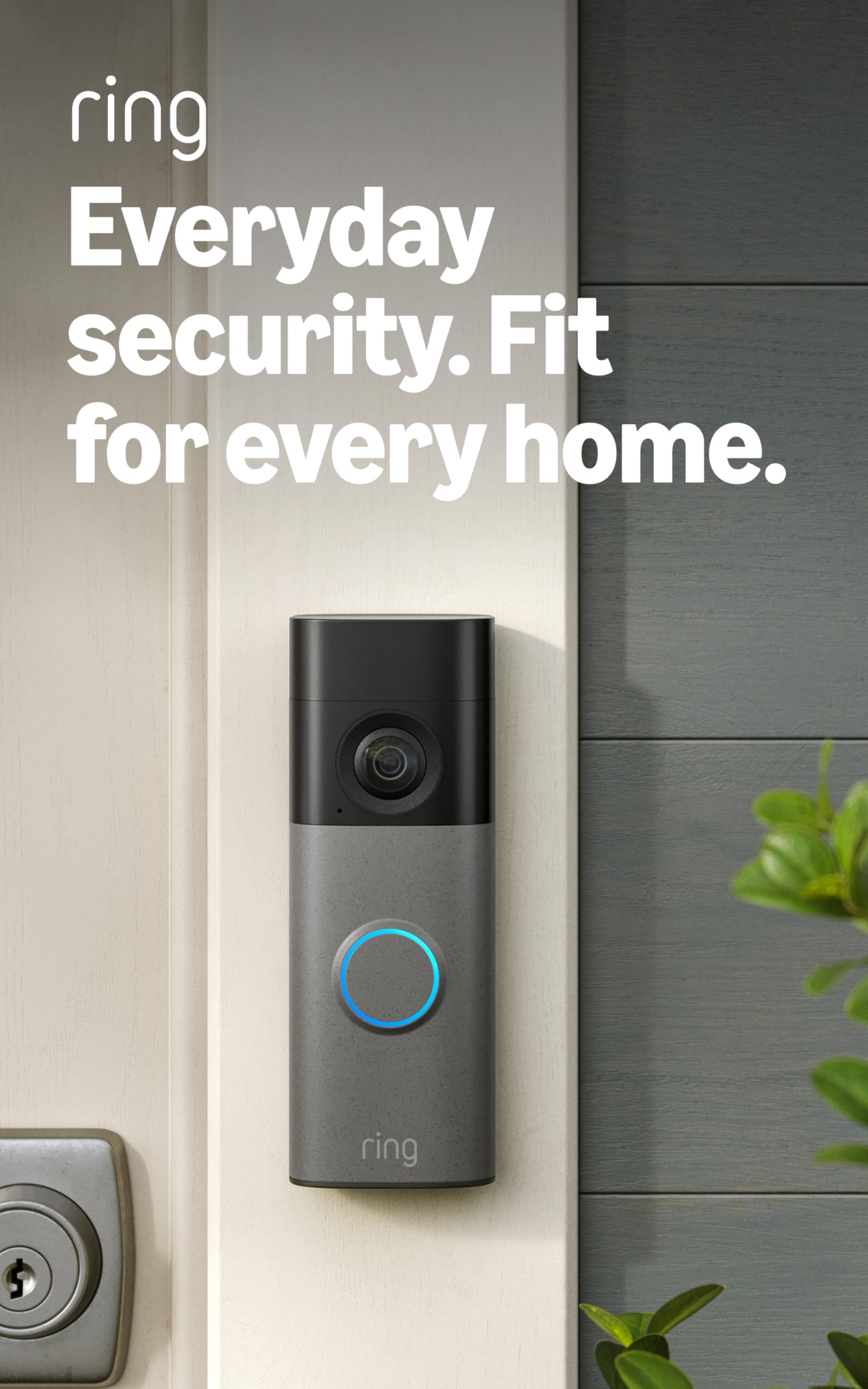
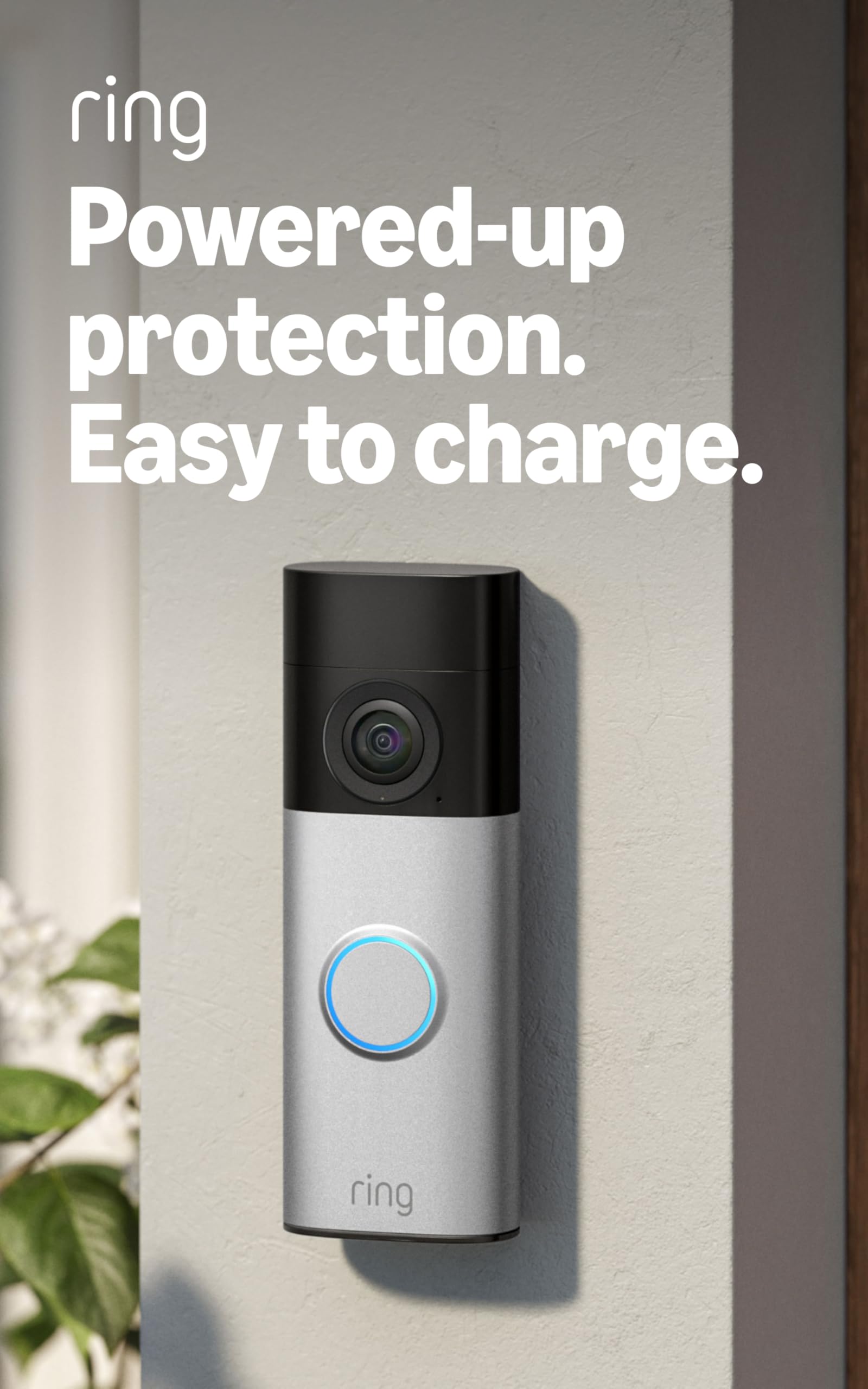
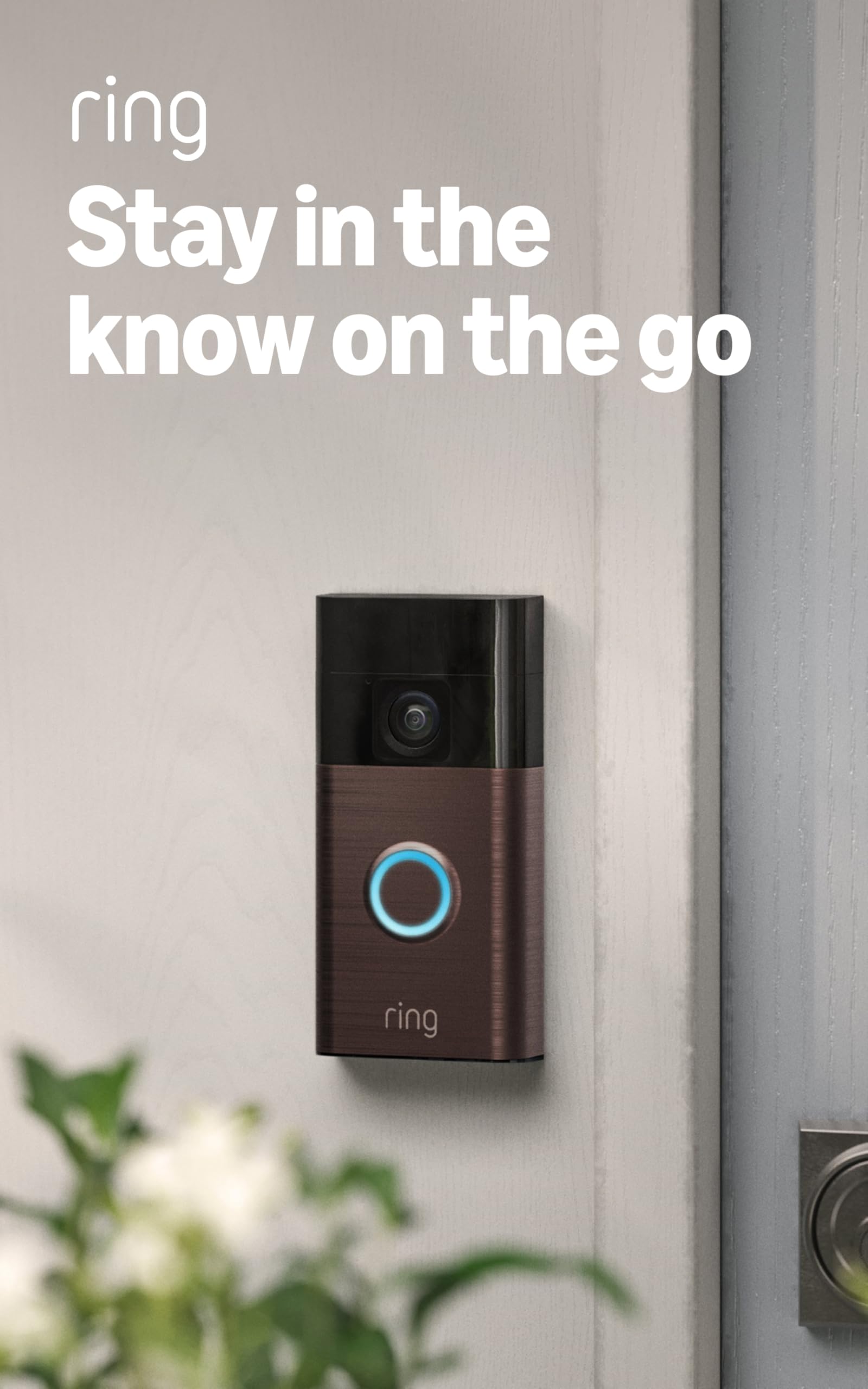
Getting a video doorbell on your door takes about ten minutes with Ring's battery model — no wiring, no drilling holes for power, and the app walks through each step. That ease of installation, combined with a field of view that catches packages at your feet (head-to-toe video), makes it a natural first stop for anyone new to smart doorbells. The 1080p stream stays clear both day and night, and two-way talk works reliably for quick conversations with delivery drivers.

The battery life is where expectations meet reality. In a busy household — say, five to ten motion events per day — you will recharge every two to four weeks. Cold weather speeds up that drain. The tradeoff is acceptable if you can keep the USB-C cable handy or install a wired accessory, but buyers expecting months of run time will need to adjust their habits. Motion alerts can also be inconsistent: the built-in PIR sensor sometimes misses a person walking directly to the door or triggers on passing cars. Tuning the motion zones and sensitivity helps, but it will not be perfect for every doorway.

This doorbell is best suited for first-time buyers who want a device that just works out of the box, renters who need a wire-free solution they can take when they move, and households already invested in Alexa or Ring Alarm. The catch: to get cloud recordings, person alerts, and package detection, you need a Ring Protect subscription (starts at a few dollars per month). The free tier gives you live view and notifications only — no way to review past events. If you are set on avoiding monthly fees, a no-subscription model like the Tapo D230S is worth a look.

Tip: Use the included USB-C cable to charge the battery while keeping the doorbell mounted — or buy the Ring plug-in adapter to bypass battery worries entirely.

Bottom line: If you want a doorbell that sets up fast, works reliably, and plays well with Alexa, this Ring is the safest pick despite the ongoing subscription cost — just plan for battery maintenance or a wired conversion.

2

Tapo D210

Tapo D210

Budget buyers

Our Score 8.8/10
Check Price

Worth Noting

  • In homes with a weak Wi-Fi signal at the door, the doorbell may disconnect from time to time
  • Battery life can drop to a few days under heavy motion traffic, requiring more frequent charging than expected
Smart Home
Power Source
Battery (6400mAh)
Subscription
None (local)
Field of View
160° diagonal

The Tapo D210 captures clear 2K footage with a 160-degree field of view and includes free person detection and a chime, all without any subscription. Where the top pick locks smart alerts behind a monthly fee, this model keeps core features accessible at a one-time cost.

This doorbell fits budget-focused buyers who are comfortable managing local microSD storage and don't mind occasional connectivity hiccups. In setups with weaker Wi-Fi at the door, the connection can drop; battery life also varies with traffic, so users in high-activity areas may need to recharge more frequently.

Tip: Reduce motion sensitivity and set activity zones to improve battery life in busy areas.

Bottom line: For buyers who prioritize avoiding monthly fees over ecosystem integration, the Tapo D210 delivers strong value with minimal compromise.

3

Reolink PoE Doorbell

Reolink PoE Doorbell

Tech enthusiasts

Our Score 8.8/10
Check Price

Worth Noting

  • Two-way audio can sound quiet and lack clarity in some environments.
  • Push notifications may arrive late or not at all depending on network conditions.
Smart Home
Home Assistant, ONVIF
Power Source
PoE (continuous)
Subscription
None (local)
Field of View
180° diagonal

Continuous power via PoE means no battery swaps, no Wi-Fi dropout — the connection is as stable as the Ethernet cable you run. This doorbell integrates with Home Assistant, Blue Iris, and ONVIF NVRs, giving you full local control without cloud dependency. For those who already have a PoE switch or NVR, setup is plug-and-play, unlike the Wi‑Fi version that can suffer from network congestion.

The 2K Super HD sensor with a 4:3 aspect ratio captures a tall field of view, making it easier to see packages left at the door or a person's full height. Daytime footage is sharp, and night vision remains clear without color distortion. Local storage on microSD or NVR eliminates monthly fees — a direct cost saving over subscription-based doorbells.

This doorbell suits home lab enthusiasts and anyone with an existing PoE network who values uptime and zero battery management. You will need to run an Ethernet cable to your door — a non-starter for renters or those who cannot drill through walls. The two-way audio is functional but average in volume and clarity; for most security needs it's adequate, but don't expect crisp conversations.

Bottom line: A dependable choice for PoE-equipped homes that want subscription-free recording and local control, but be prepared to route Ethernet and accept unremarkable audio.

4

Nest Doorbell Wired 3rd Gen

Nest Doorbell Wired 3rd Gen

Google households

Our Score 9.0/10
Check Price

Worth Noting

  • Advanced AI alerts like package detection require a Google Home Premium subscription
  • Some units may experience reliability issues, including night vision problems or intermittent connectivity.
  • App migration from the older Nest app to Google Home can be confusing; the doorbell works only with Google Home app.
Smart Home
Google Home
Power Source
Wired (24/7)
Subscription
Required for AI
Field of View
166°

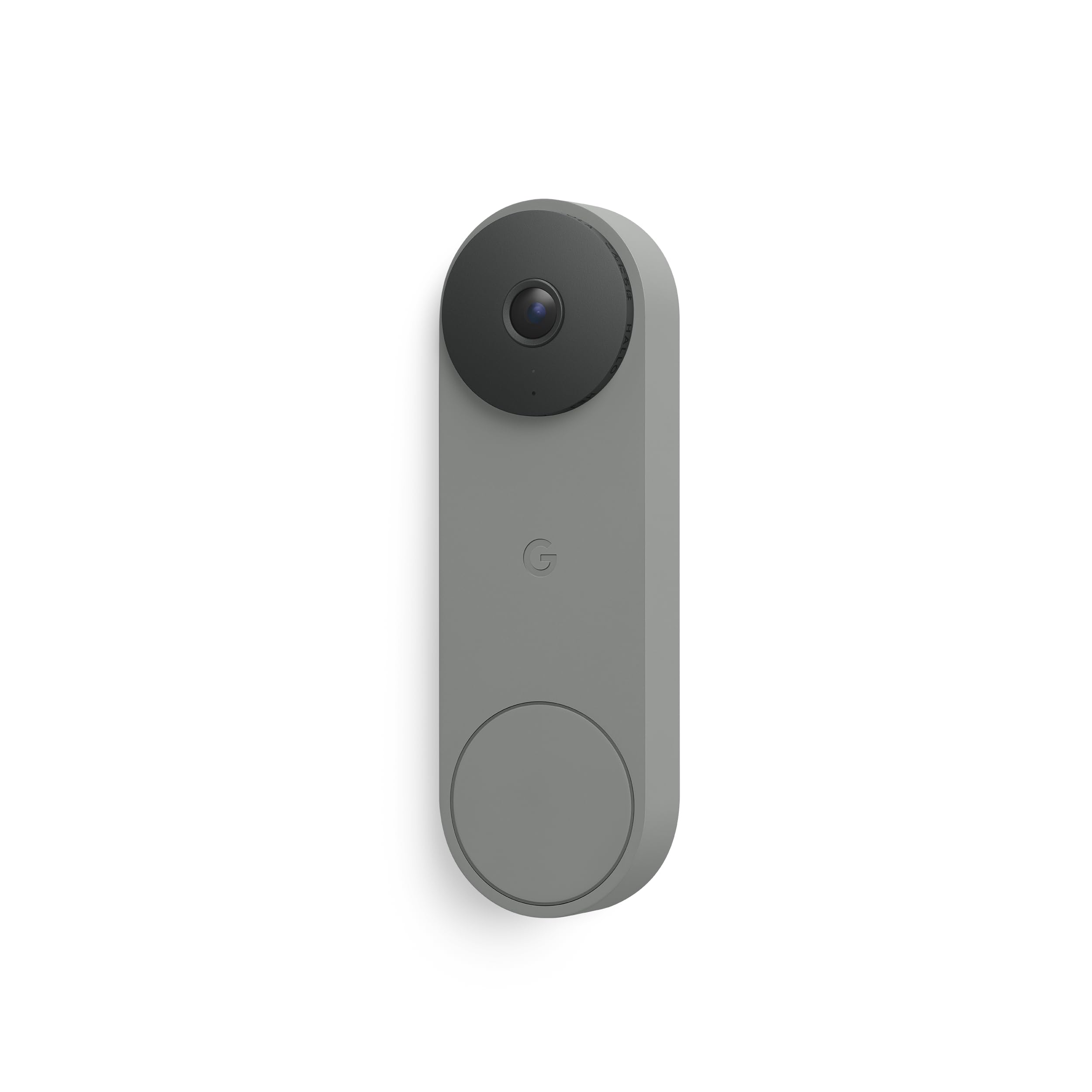
The Google Nest Doorbell (Wired, 3rd Gen) sits at the center of Google's smart home ecosystem, offering 2K HDR video and around-the-clock wired power. Unlike battery-powered alternatives that rely on motion triggers, this doorbell records continuously when wired, making missed events less likely. However, the smartest features – like Gemini-powered package alerts – are locked behind a subscription.

This doorbell is best suited for households already invested in Google Home and Nest devices. Setup requires compatible doorbell wiring and transformer (16-24V AC), and the doorbell communicates exclusively through the Google Home app – not the older Nest app, which may frustrate long-time Nest users. For those willing to pay for Google Home Premium, the AI alerts add genuine convenience, but buyers seeking a no-subscription experience should look elsewhere. Note that occasional reliability hiccups, such as night vision glitches, have been reported but do not affect all installations.

Tip: Before purchasing, verify your doorbell transformer voltage (16-24V AC) and check that your wiring supports continuous power – many older homes may need a transformer upgrade.

Bottom line: For Google Home loyalists who want the best integration and are comfortable with a subscription for advanced features, this doorbell delivers. Others should consider ecosystem-agnostic wired options that don't require an ongoing fee.

5

BOIFUN 2K Doorbell

BOIFUN 2K Doorbell

Ultra-budget

Our Score 8.6/10
Check Price

Worth Noting

  • Battery lasts 2–4 weeks; may need frequent recharging with heavy traffic
  • Wi-Fi limited to 2.4 GHz; connectivity issues may occur in 5 GHz-only homes
Smart Home
Power Source
Battery
Subscription
None (microSD)
Field of View
166°

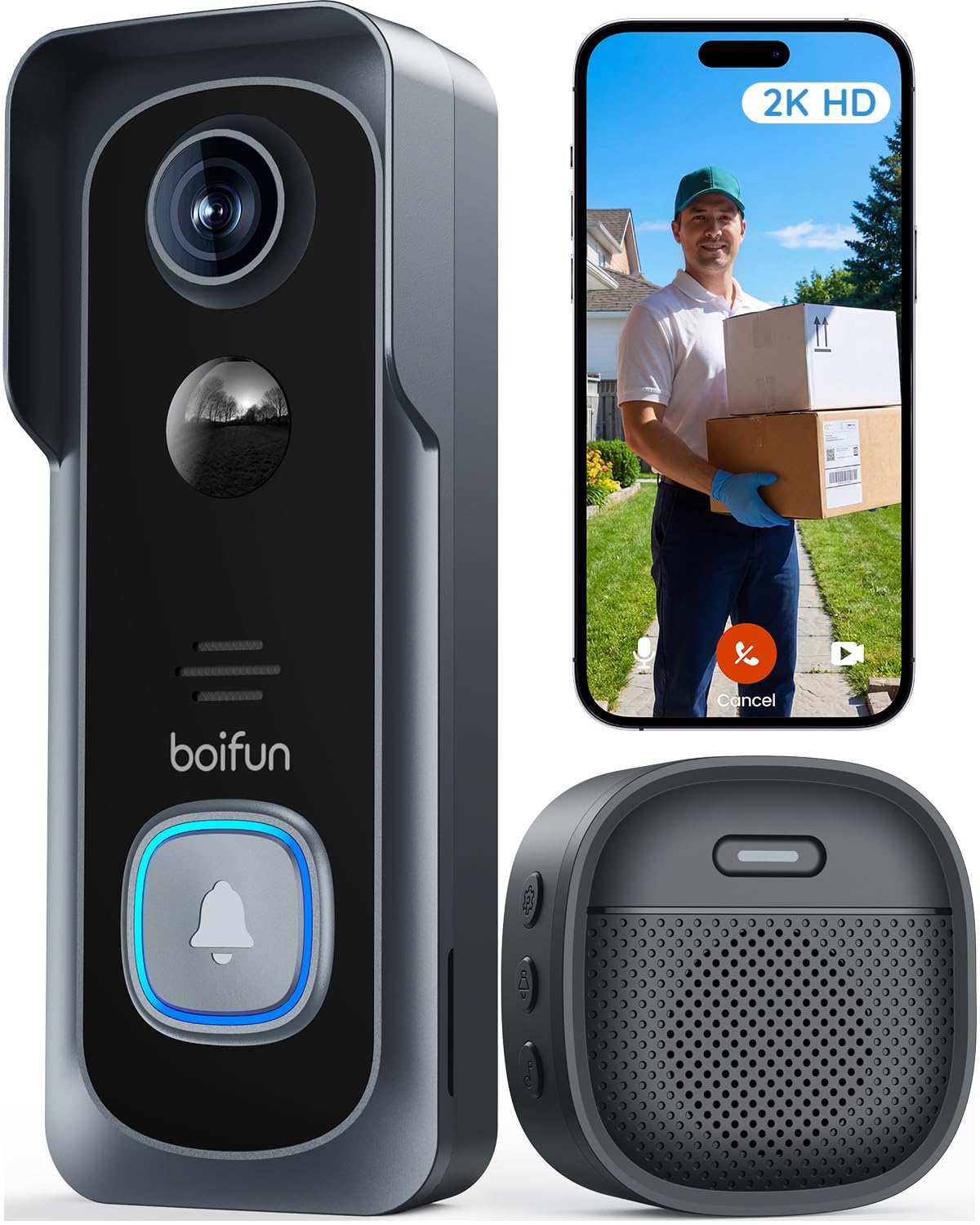
The BOIFUN delivers crisp 2K video with a 166-degree field of view and HDR night vision, putting it ahead of many budget doorbells that cap at 1080p. The included chime and local microSD storage mean you get a full security setup without any subscription — a rare combo at this price point.

Setup is straightforward with either adhesive or screws, and the IP65 build handles rain and sun without issue. The app is basic — no deep smart home integration — but it covers motion alerts, two-way talk, and human detection without extra fees. Battery life runs two to four weeks depending on activity, so expect to recharge a couple of times a month.

This doorbell suits budget-conscious renters or apartment dwellers who want clear video and zero monthly costs. It requires a 2.4 GHz Wi-Fi network, so homes with only 5 GHz routers will need a workaround. The app lacks the polish of major brands, but for the price, the trade-off is reasonable.

Tip: Reducing motion sensitivity or placing the doorbell in a shaded spot can extend battery life.

Bottom line: A smart buy for anyone who prioritizes upfront savings and no monthly fees, as long as your network supports 2.4 GHz.

6

Ring Wired Pro 4K

Ring Wired Pro 4K

Video quality

Our Score 8.6/10
Check Price

Worth Noting

  • WiFi connectivity can be inconsistent in some homes, leading to delayed or missed alerts
  • Premium price plus required Ring Protect subscription makes this a costly long-term investment
  • Compatibility with older doorbell chimes is limited
Smart Home
Alexa
Power Source
Wired
Subscription
Required
Field of View
Wide-angle

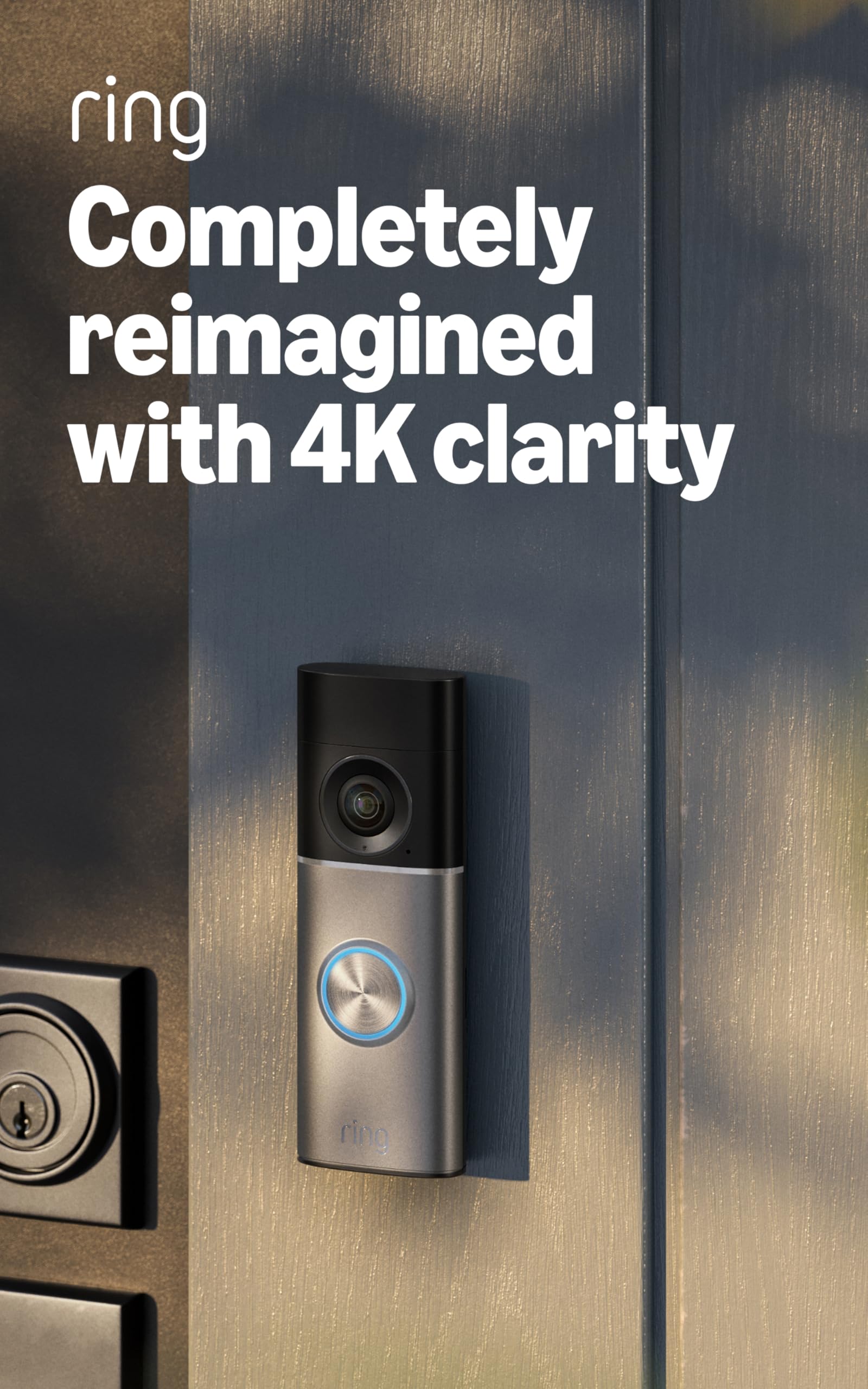
The Ring Wired Doorbell Pro delivers the highest video quality available in a residential doorbell: retinal 4K resolution, a wide field of view, and 10x enhanced zoom that holds detail even in dim light. Low-light sight performs without the washed-out look common in many competitors. For someone who prioritizes image clarity above all else, this doorbell sets a new benchmark in the category.

Video fidelity comes with practical strings attached. The doorbell is hardwired only, so you need an existing 16-24V transformer and a compatible chime – many older mechanical or digital chimes won't trigger. Connectivity via WiFi can be inconsistent in some homes, leading to missed notifications. The Ring Protect subscription (separate cost) is required to access recorded footage, person alerts, and the AI-based detection features that make that 4K video useful.

This doorbell suits home security enthusiasts who already own a compatible doorbell transformer and are comfortable with basic electrical work. The monthly subscription is part of the deal, not an afterthought. If you want the best video without a subscription or have an older chime setup, look at the eufy S220 or the Tapo D230S1 instead. For Ring loyalists who want the sharpest image and can tolerate the compatibility check, this is the logical upgrade over the standard Ring Battery model.

Tip: Check your transformer voltage (16-24V AC) and chime compatibility on Ring's support page before ordering – many older chimes require a bypass kit.

Bottom line: Buy this for the unrivaled 4K video quality, but only if you have a compatible wired setup and accept the ongoing subscription cost.

7

Ring Battery 2K (2025)

Ring Battery 2K (2025)

Ring loyalists

Our Score 8.6/10
Check Price

Worth Noting

  • Battery life is shorter than the standard Ring model
  • WiFi connectivity can be inconsistent, with occasional drops in some setups
Smart Home
Alexa
Power Source
Battery
Subscription
Required
Field of View
Wide-angle

Existing Ring users upgrading from an older model will appreciate the sharper 2K video and 6x zoom, which provide clearer day and night views. Installation is quick and familiar for anyone already in the Ring ecosystem. However, the battery life is a trade-off: it runs shorter than the standard Ring doorbell, potentially needing a recharge every week under heavy use. WiFi connectivity can also be spotty in certain home networks. For first-time buyers, the standard Ring offers similar performance at the same price, and the Tapo doorbell gives better value with no subscription.

Bottom line: Best suited for Ring loyalists who want the latest video upgrade and are willing to accept slightly more frequent charging.

8

Ring Battery Plus 2K

Ring Battery Plus 2K

Swappable battery

Our Score 8.8/10
Check Price

Worth Noting

  • Battery life may require charging every few days under heavy use
  • Wi-Fi connection can drop in some network environments
Smart Home
Alexa
Power Source
Battery (swappable)
Subscription
Required
Field of View
Wide-angle

The Ring Battery Doorbell Plus delivers clear 2K video with capable night vision and a swappable battery pack that makes recharging less of a hassle. For existing Ring users, setup integrates seamlessly. However, at a premium price, it still requires a Ring Protect subscription for smart alerts and recording - a cost that adds up over time. Battery life can be short under heavy motion activity, and Wi-Fi connectivity may be inconsistent in some homes. For buyers who want the same video quality without monthly fees, wired alternatives like the Reolink offer a lower long-term cost.

Tip: Keep a second battery charged to swap instantly when the first runs low.

Bottom line: This doorbell suits Ring loyalists who prefer battery power and want the latest video quality, but the ongoing subscription fee and battery life tradeoffs make it a harder sell for cost-conscious buyers.

9

Arlo Video Doorbell 2K

Arlo Video Doorbell 2K

Multi-ecosystem

Our Score 8.4/10
Check Price

Worth Noting

  • Battery life can vary noticeably depending on how often the doorbell is triggered.
  • Wi-Fi connectivity may become unreliable in some home setups, causing missed alerts.
Smart Home
Alexa, Google, HomeKit
Power Source
Battery or wired
Subscription
Required after trial
Field of View
Head-to-Toe

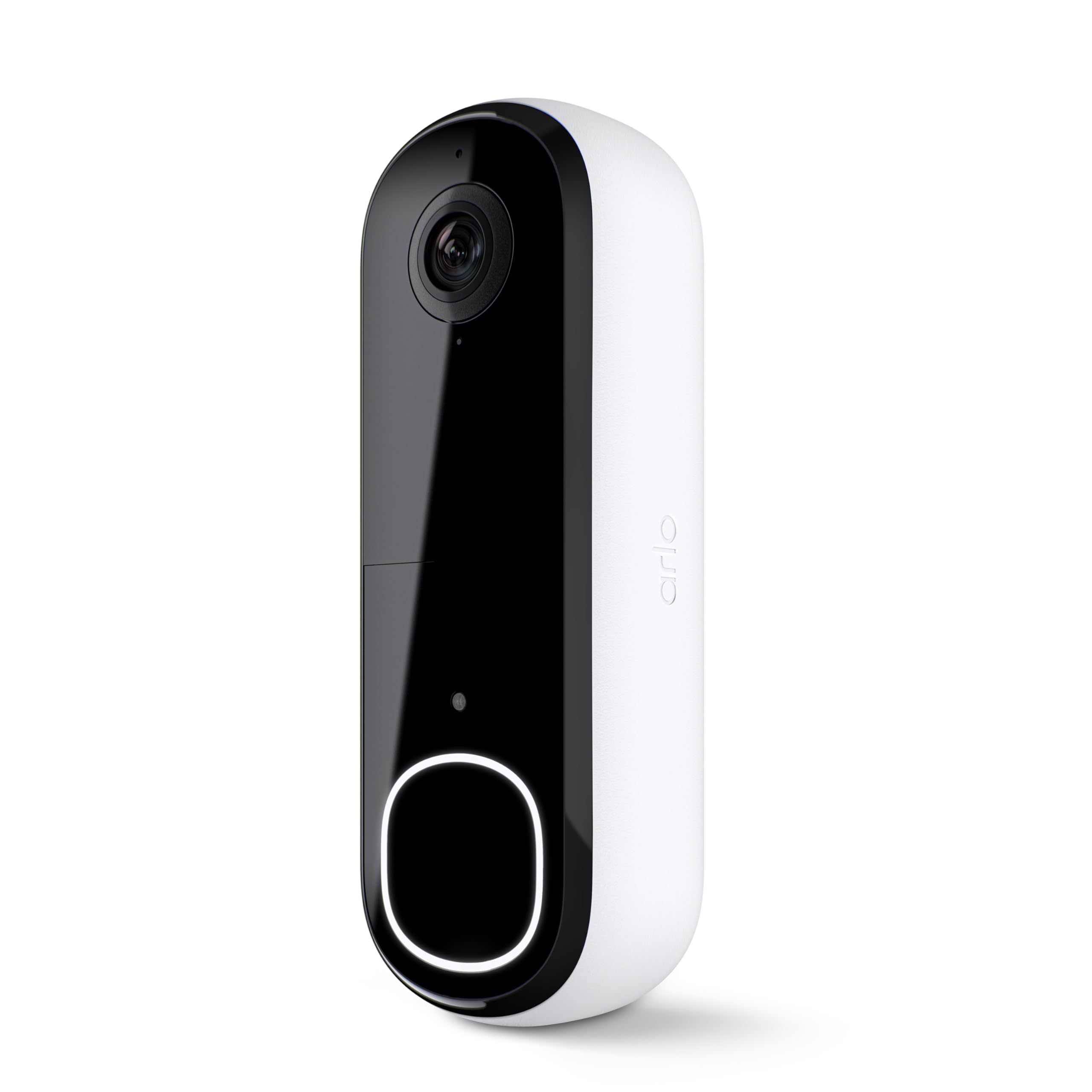
The Arlo 2K doorbell delivers crisp video with a wide head-to-toe view and supports Alexa, Google, and Apple HomeKit out of the box – a rare combination at this price. Installation is straightforward, especially in wireless mode, and the wired option keeps it continuously powered. Battery life, however, depends heavily on activity: it can last weeks with light use or drain in days under frequent motion events. Connectivity may drop in households with weaker Wi-Fi, making it less predictable than wired-only models like the Tapo. This is a solid choice if you value smart home integration over absolute reliability, but the subscription requirement for cloud recording and mixed battery performance place it a step behind the top budget picks.

Tip: Using the wired trickle-charge option eliminates battery concerns; install near an existing doorbell transformer for constant power.

Bottom line: Best for buyers who need HomeKit or multi-assistant compatibility and are comfortable with possible battery inconsistency – not the most reliable choice for high-traffic entrances.

10

eufy S220

eufy S220

No subscription premium

Our Score 8.6/10
Check Price

Worth Noting

  • Battery life can fall well short of the advertised 180 days, particularly with frequent motion events
  • Connectivity issues have been reported, with some devices losing connection or becoming unresponsive over time
Smart Home
Alexa, Google
Power Source
Battery (claimed 180days)
Subscription
None (built-in)
Field of View
4:3 head-to-toe

The eufy S220 delivers sharp 2K video day and night with head-to-toe coverage, no monthly fees, and local storage via the HomeBase. Its battery life, however, can be considerably shorter than the 180-day claim, especially in busy homes, and some units have shown connectivity issues over time. At this premium price, the Tapo doorbell offers comparable video and subscription-free experience for less, making the S220 a better fit for those already invested in eufy’s ecosystem rather than a general recommendation.

Bottom line: For eufy ecosystem owners who prioritize video quality over battery endurance, the S220 delivers excellent imaging without subscription costs – just be prepared for more frequent charging.

How to Choose

Power Source: Battery vs. Wired

Battery-powered doorbells are easy to install anywhere without wiring, but you have to manage recharging. In cold weather or high-traffic homes, a battery might need charging every two weeks instead of the advertised months.

Wired doorbells get continuous power and never need batteries, but they require existing doorbell wiring with a compatible transformer (16-24V AC). If your door lacks wiring or has an old chime, installation may be more involved.

Video Resolution: 1080p vs. 2K vs. 4K

Higher resolution captures more detail — useful for identifying faces or packages from a distance. 2K is a noticeable step up from 1080p, but the difference depends on lighting and Wi‑Fi stability. 4K offers the best clarity but demands a strong Wi‑Fi signal and often a wired connection to handle the data load.

Subscription Requirements

Many doorbells sell for a low upfront price but require a monthly subscription to unlock person detection, cloud storage, and package alerts. Over two years, those fees can exceed the cost of the device itself.

No-subscription models store video locally (microSD or NVR) and offer free smart detection. The trade-off: you manage the storage and lose cloud backup. If you want remote access to recorded clips without paying, local storage is the way to go.

Field of View and Aspect Ratio

A wider field of view shows more of your porch and helps capture packages left on the ground. 'Head-to-toe' aspect ratios (4:3 or similar) give a taller vertical view, reducing the blind spot at your feet.

Standard 16:9 doorbells may miss packages right below the camera. If package monitoring matters, look for a doorbell with a downward-angled or dual-camera design.

Smart Home Compatibility

Your doorbell should fit your existing smart home system. Ring works best with Alexa, Nest with Google Home, and some models support Apple HomeKit. If you use Home Assistant or an NVR, look for ONVIF or RTSP support.

Choosing the right ecosystem ensures seamless integration with your smart displays, alarms, and routines. A doorbell that doesn't talk to your existing smart home becomes a standalone gadget.

Frequently Asked Questions