Wearables & Health

11 Best Smartwatch for Android 2026: Last a Week Without Charging

Which Android smartwatch actually lasts a week, tracks runs accurately, and doesn't need daily charging? Here's how to match features to your lifestyle.

Smartwatches promise a week of battery, but many demand a nightly charge after a month of use. Others pack every sensor yet fail to hold a GPS lock during a run. The problem isn’t the category—it’s that marketing numbers rarely match daily reality.

The real divide in Android smartwatches isn’t budget vs. premium—it’s how much you value battery life over sensor count. Watches that run 7+ days typically skip advanced health features like ECG or blood pressure, while models that track every metric often die before bedtime. This guide helps you pick based on your actual routine, not the spec sheet.

For most Android users, a watch that lasts a full week while delivering accurate GPS and sleep tracking provides the best daily experience. The watches below prove that trade-off is worth making.

1

Garmin Vivoactive 5

Top Pick
Garmin Vivoactive 5

Runners & Hikers

Our Score 8.6/10
Check Price

Worth Noting

  • Step counting can overcount during seated periods or undercount at slow walking speeds.
  • Bluetooth connection to the phone may drop intermittently, requiring manual re-pairing.
Display
1.2" AMOLED
GPS Type
Built-in (multi-band)
Battery Life
11 days / 5 days AoD
Health Sensors
HR, SpO2, sleep, HRV

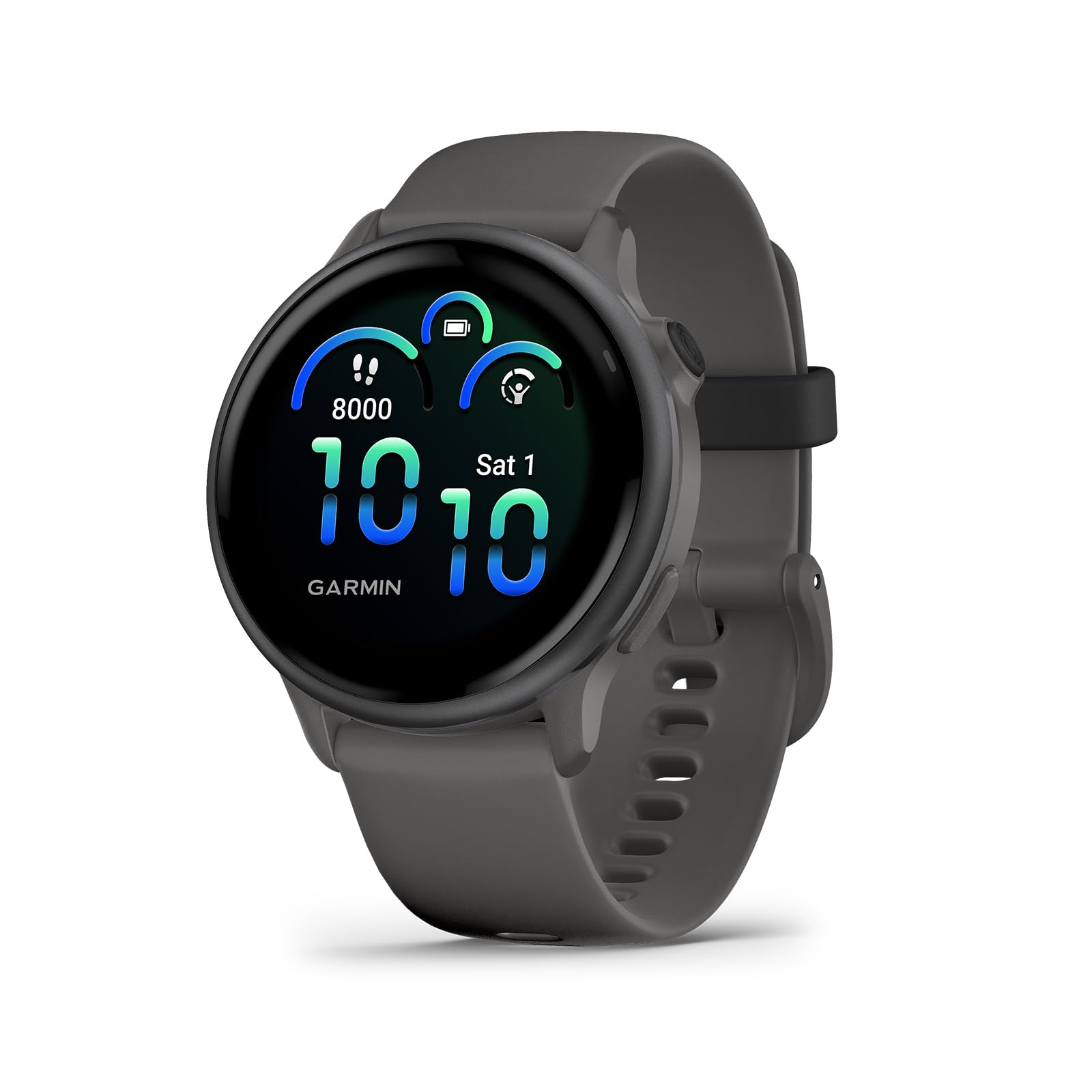
The Garmin Vivoactive 5 stands apart from most Android-compatible smartwatches by delivering 11 days of real-world battery life with its AMOLED display and built-in GPS. Where competitors ask for a charger every night, this watch keeps tracking through a full work week plus a weekend trip. For runners and outdoor athletes who want reliable route logging without carrying a phone, the multi-band GPS locks quickly and stores music locally for phone-free playback.

Health monitoring goes beyond basic step counts. The watch provides Body Battery energy levels, HRV status, sleep score, and sleep coach — data that actually helps adjust training load and rest. Sleep tracking accuracy has been consistently noted, with the device detecting light, deep, and REM phases closely matching lab-grade equipment. The 5 ATM water resistance means pool swims and shower wear are fine, though the touchscreen works best when dry.

This smartwatch is built for Android users who prioritize fitness analytics over app ecosystems. If you want to reply to texts, run third-party apps, or use a voice assistant beyond basic Garmin Pay notifications, Wear OS watches offer more — but require daily charging. The Vivoactive 5 suits runners, hikers, and anyone transitioning from a Fitbit who values week-long autonomy and more detailed recovery metrics, even if step counting may show a few extra steps during sedentary moments.

Tip: For better step accuracy, wear the watch snugly above the wrist bone and avoid arm movements during stationary tasks.

Bottom line: If your priority is a fitness watch that goes a week-plus between charges and surfaces actionable recovery data rather than app store flair, this Garmin earns its spot at the top of the mid-range list.

2

Amazfit Bip 6

Amazfit Bip 6

Budget fitness

Our Score 8.6/10
Check Price

Worth Noting

  • Some units can develop moisture under the screen or stop working after a few months.
  • Step counting may be inaccurate
Display
1.97" AMOLED
GPS Type
Built-in (5 systems)
Battery Life
14 days typical
Health Sensors
HR, SpO2, sleep, stress

The Amazfit Bip 6 delivers a rare combination of a vivid 2000-nit AMOLED display, 14-day battery life, and standalone GPS – all at a price that undercuts most competitors by a wide margin. For Android users who want reliable notifications, Bluetooth calling, and text replies without daily charging, this watch goes nearly three weeks between power outlets. The 140+ workout modes and basic health tracking (heart rate, SpO2, sleep, stress) cover the essentials without the premium cost of Garmin or Samsung.

Where the Bip 6 trades off is in long-term consistency. Some units can allow moisture under the screen or stop working within a few months – a risk that comes with the budget price. Step counting accuracy also varies; it may overcount or miss steps during low-intensity walks. These issues make the watch a stronger fit for casual users who prioritize screen size and battery over precise fitness metrics, rather than athletes or swimmers who need guaranteed waterproofing and exact step totals.

Tip: Though rated 5 ATM, some units have shown moisture ingress – avoid swimming with this watch to reduce the risk.

Bottom line: If you want a large-screen smartwatch with long battery life and built-in GPS without spending much, and you accept that reliability may be inconsistent, the Bip 6 is the best value in the category.

3

Samsung Galaxy Watch 8

Samsung Galaxy Watch 8

Samsung users

Our Score 9.0/10
Check Price

Worth Noting

  • Battery life requires a daily charge
  • Some features are limited to Samsung phones, and connectivity can be inconsistent on other Android devices
Display
1.3" AMOLED 3000 nits
GPS Type
Built-in
Battery Life
40 hours typical
Health Sensors
HR, SpO2, ECG, BP

The Samsung Galaxy Watch 8 stands apart with blood pressure monitoring and sleep apnea detection — sensors not found on the top pick’s Garmin Vivoactive 5 or most competitors. These features, paired with a refined running coach and energy score, make it the most medically capable smartwatch in this roundup. The 3000-nit AMOLED display remains crisp even under direct sun, though that brightness is secondary to the health focus here.

Battery life runs about 40 hours under typical use, which means a nightly charge for most. This is a clear trade-off against the Garmin’s week-plus endurance, but it aligns with the Watch 8’s sensor-rich design. On non-Samsung Android phones, some features — including blood pressure monitoring — may not function, and connectivity can be less stable. For Pixel or OnePlus users, the experience is usable but incomplete.

This watch suits Samsung phone owners who want the latest health analytics and are comfortable with daily charging. It also fits fitness enthusiasts who value running form feedback and sleep apnea detection over multi-day battery life. Anyone outside the Samsung ecosystem should verify which features remain available before purchase.

Tip: Place the watch on its charger during morning routine — a 30-minute top-up each day keeps it running without overnight charging.

Bottom line: For Samsung phone owners who want the most advanced health tracking in a Wear OS watch and can accept nightly charging, this delivers where others cannot.

4

Google Pixel Watch 4

Google Pixel Watch 4

Pixel owners

Our Score 9.2/10
Check Price

Worth Noting

  • Battery life requires a nightly charge for most users — 30–40 hours isn’t enough to skip a day.
  • Occasional reliability concerns have been noted
Display
45mm domed AMOLED
GPS Type
Built-in dual-band
Battery Life
30-40 hours
Health Sensors
HR, SpO2, ECG, temp

The Pixel Watch 4’s strongest advantage is how naturally it slots into a Google-centric life. Notifications sync instantly, Fitbit integration feeds directly into Google Health, and Google AI features like fall detection and workout auto-pause work without extra setup. The 45mm AMOLED display is crisp and responsive, and the matte black aluminum case with Gorilla Glass holds up well against scratches.

Where this watch separates itself from the long-battery competition is its charging speed: a 15-minute top-up delivers about 15 hours of use. That makes daily charging a minor ritual rather than an inconvenience — you can plug it in while showering and be set for the day. Real-world battery life hovers around 30–40 hours depending on always-on display and GPS use, which means most buyers will still reach for the charger each evening.

This watch is best for Pixel phone owners who want the tightest ecosystem integration and don’t mind a nightly charging habit. The fast charging softens the battery compromise, but if you regularly take multi-day trips without a charger, a Garmin or Amazfit will serve you better. Additionally, a small number of units have shown reliability issues — some have stopped working after a couple of months — so it’s worth checking the return policy regardless of where you buy.

Tip: Keep the charger nearby during showers or desk time — a 15-minute top-up can get you through the rest of the day.

Bottom line: If you own a Pixel phone and value seamless integration over multi-day battery, this is the smartwatch to buy — just plan for daily charging and consider an extended warranty.

5

aeac AMOLED Smartwatch

aeac AMOLED Smartwatch

Style budget

Our Score 8.8/10
Check Price

Worth Noting

  • Bluetooth connection can drop, requiring manual re-pairing
  • GPS tracking depends on your phone, so it's not suitable for phone-free outdoor activities.
Display
1.32" AMOLED
GPS Type
Connected (phone)
Battery Life
10 days typical
Health Sensors
HR, SpO2, sleep, stress

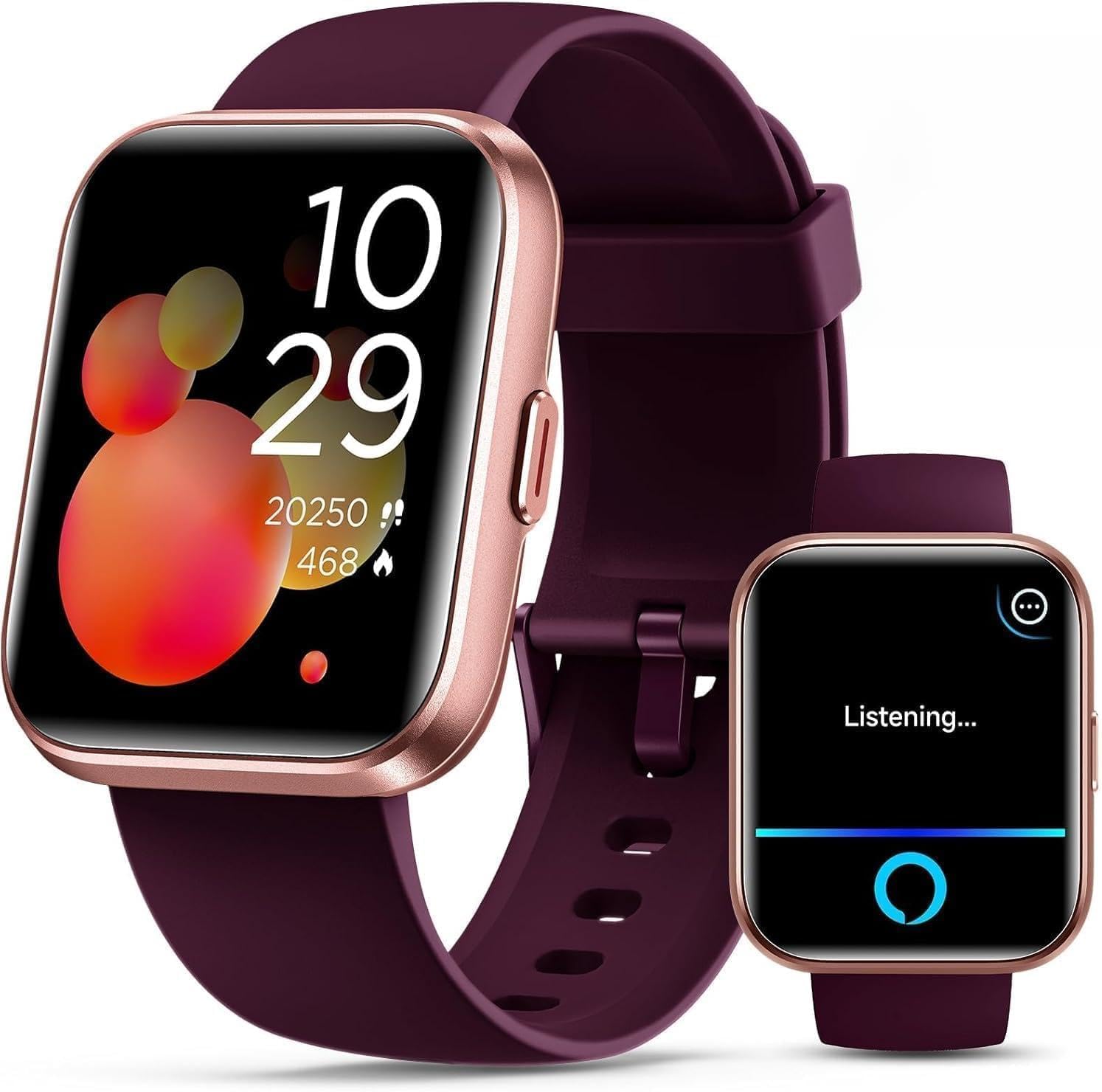
The aeac smartwatch stands out in the budget segment with its 1.32-inch AMOLED screen and metal construction, delivering a look and feel that easily surpasses similarly priced LCD models. The 10-day battery life means you can wear it all week without hunting for a charger, and Bluetooth calling works clearly for short conversations.

This watch is a strong match for style-conscious Android users who want smartwatch features without spending over $70. GPS relies on your phone's connection, and Bluetooth pairing can drop intermittently, so it's best suited for daily activities where your phone stays within reach – not for phone-free runs or hikes. Health tracking covers heart rate, SpO2, and sleep with reasonable accuracy for general awareness.

The 110+ sport modes and 3ATM water resistance handle casual gym sessions, walks, and hand washing without issue. The always-on display option is dim but readable, and the watch faces offer plenty of customization. For the price, the combination of AMOLED quality, battery life, and call support is hard to beat.

Tip: Keep your phone within 10 meters to maintain Bluetooth connection – this watch works best in a home or office setting where phone is nearby.

Bottom line: The aeac smartwatch delivers a premium-looking AMOLED experience with long battery life and call support at a budget price – ideal for style-focused Android users who can accept phone-dependent GPS and occasional Bluetooth hiccups.

6

Amazfit Active 2

Amazfit Active 2

Outdoor athletes

Our Score 8.8/10
Check Price

Worth Noting

  • In quiet bedrooms or for shift workers, sleep tracking may not detect naps or misread sleep stages.
  • The Zepp app can lag during sync or occasionally fail to transfer workout data to the phone.
Display
1.75" AMOLED 2000 nits
GPS Type
Built-in (5 systems)
Battery Life
10 days / 5 days heavy
Health Sensors
HR, SpO2, sleep, temp

The Amazfit Active 2 delivers premium materials uncommon at this price: a sapphire crystal display and stainless steel case that resist scratches and wear far better than the plastic or aluminum rivals in the same bracket. For runners and hikers who prioritize offline maps and a battery that lasts a full week even with GPS workouts, this watch covers the essentials without the Garmin price tag. The trade-off is the Zepp app, which can feel sluggish and occasionally drops sync sessions, while sleep tracking may miss short naps or misclassify sleep stages – limitations that matter less if your primary focus is daytime movement and navigation than if you rely on detailed overnight recovery data.

Bottom line: A durable mid-range smartwatch for Android users who want long battery and offline maps and can accept a finicky app and imperfect sleep tracking.

7

Samsung Galaxy Watch 7

Samsung Galaxy Watch 7

Samsung mid

Our Score 9.0/10
Check Price

Worth Noting

  • Heart rate accuracy can be less precise during high-intensity workouts, such as interval training or heavy lifting
  • Battery requires a nightly charge
Display
1.3" AMOLED 2000 nits
GPS Type
Built-in (dual-band)
Battery Life
~30 hours
Health Sensors
HR, SpO2, sleep apnea, ECG

For Samsung Galaxy owners seeking a mid-priced smartwatch with advanced health monitoring, the Watch 7 delivers FDA-cleared sleep apnea detection, ECG, and a bright AMOLED display. It runs Wear OS for notifications and app support, pairing with any Android phone but offering the richest experience inside Samsung's ecosystem. It falls short of the newer Watch 8 in sensor precision and screen brightness, and the ~30-hour battery means nightly charging. Heart rate tracking can lag during high-intensity exercise. Best suited for those who prioritize Samsung-integrated health features over battery endurance and don't mind a nightly charge.

Bottom line: A smart purchase for Samsung phone users who prioritize health sensors and app support over battery life and perfect HR accuracy.

8

Amazfit T-Rex 3

Amazfit T-Rex 3

Rugged outdoors

Our Score 9.0/10
Check Price

Worth Noting

  • Large 48mm case is bulky for smaller wrists and may be uncomfortable for all-day wear
  • No app store or voice assistant limits smartwatch functionality beyond fitness and navigation
Display
1.39" AMOLED 2000 nits
GPS Type
Built-in (dual-band 6 systems)
Battery Life
3+ weeks
Health Sensors
HR, SpO2, barometer, compass

The T-Rex 3 is built for harsh environments: 316L stainless steel, -22°F to 158°F tolerance, and 10 ATM water resistance. Its dual-band GPS with offline maps and three-week battery make it a dependable navigation tool for multi-day expeditions. The 48mm case, however, is bulky for smaller wrists, and as a newer model, its long-term performance in extreme conditions is not yet widely documented. Best suited for outdoor professionals or enthusiasts who need toughness over smartwatch features.

Bottom line: For backcountry adventurers who need extreme durability and multi-week autonomy over app ecosystems, the T-Rex 3 delivers a focused tool - just be comfortable with its size and early adoption status.

9

Quican ID208 Plus

Quican ID208 Plus

Budget first

Our Score 8.8/10
Check Price

Worth Noting

  • Water resistance may not hold up when swimming
  • Bluetooth connection can drop and require frequent re-pairing.
Display
1.85" LCD
GPS Type
Connected (phone)
Battery Life
7 days typical
Health Sensors
HR, SpO2, sleep, stress

The Quican ID208 Plus packs an impressive feature set for the price: Alexa voice control, call management, 120 sport modes, heart rate and sleep tracking, and a week of battery life. Setup with the Veryfit app is quick, and the watch is comfortable for daily wear. However, the IP68 water resistance may not hold up during swimming or showering – several user accounts note water damage after submersion. The Bluetooth connection can also be finicky, occasionally requiring re-pairing to maintain notifications. These compromises make it a strong value for first-time buyers on a budget, especially those who won't be swimming and don't need flawless connectivity.

Bottom line: Best suited for first-time smartwatch buyers on a tight budget who want Alexa and call features, but not if reliable water resistance or consistent Bluetooth connectivity are priorities.

10

Garmin Vivoactive 6

Garmin Vivoactive 6

Serious athletes

Our Score 8.8/10
Check Price

Worth Noting

  • Menu navigation feels less natural for those used to Apple or Samsung watch interfaces.
  • Sleep detection may occasionally miss naps or fail to register sleep start times accurately.
Display
1.2" AMOLED
GPS Type
Built-in (4 systems)
Battery Life
11 days / 5 days AoD
Health Sensors
HR, SpO2, sleep coach, HRV

The Vivoactive 6 delivers Garmin's strong battery life and training ecosystem with the added benefit of a smart wake alarm and smoother animations. However, its interface requires a learning curve compared to Samsung or Apple watches, and sleep detection can be inconsistent. For most buyers, the nearly identical Vivoactive 5 offers the same core experience at a lower price, making this upgrade relevant only if you specifically want that smart wake alarm and the refined on-screen training animations.

Bottom line: Choose the Vivoactive 6 only if the smart wake alarm and refined training animations are must-haves and you are willing to pay extra over the nearly identical Vivoactive 5.

11

Samsung Galaxy Watch 5 Pro

Samsung Galaxy Watch 5 Pro

Renewed premium

Our Score 8.8/10
Check Price

Worth Noting

  • Battery life requires daily charging
  • Renewed units may show scratches or cosmetic blemishes despite condition claims.
Display
1.4" AMOLED
GPS Type
Built-in
Battery Life
~20 hours
Health Sensors
HR, SpO2, body composition

The Galaxy Watch 5 Pro in renewed form delivers a titanium case and sapphire crystal display that normally command a much higher price. Its BioActive sensor provides body composition analysis, and built-in GPS with turn-by-turn navigation works well for hiking and outdoor routes. The tradeoff is battery life: expect to charge daily, around 20 hours of typical use. On renewed units, minor scratches or cosmetic wear can appear despite 'excellent' condition claims. This watch suits buyers who prioritize premium materials and health tracking over battery endurance and pristine finish.

Bottom line: Best for Android users who want a rugged, feature-rich smartwatch on a budget and can accept nightly charging and possible minor wear.

How to Choose

Battery Life

Battery life is the single biggest determinant of long-term satisfaction. Watches rated for 5+ days typically use lower-power chipsets and simpler operating systems, while full Wear OS watches with always-on displays rarely last more than 40 hours. That difference means choosing between charging once a week versus every night.

If you wear your watch to sleep for tracking, daily charging becomes a hassle. For most people, a watch that lasts at least 5 days in real-world use (with notifications and occasional GPS) provides the best balance.

GPS Type

Built-in GPS lets you track outdoor runs and hikes without bringing your phone. Phone-dependent GPS uses your phone's antennas, which drains your phone battery and can be less accurate in dense areas. For serious runners or hikers, built-in GPS is a must—it's one less device to carry and provides consistent tracking.

Health Sensors

Most smartwatches include heart rate, SpO2, and sleep tracking, but accuracy varies widely. Optical heart rate sensors struggle during high-intensity exercise—expect a 10-30 bpm offset compared to a chest strap. ECG and blood pressure features add clinical-grade data but are often limited to specific phone brands (Samsung Health Monitor only works with Samsung phones). If you need reliable running heart rate, look for watches with Garmin's Elevate sensor or latest PPG arrays.

OS & App Ecosystem

Wear OS (Samsung, Pixel Watch) offers third-party apps, Google Assistant, and Google Wallet. Proprietary systems like Garmin or Amazfit limit app access but deliver longer battery because they run leaner code. If you want seamless notifications, reply to texts, or use Google Maps, Wear OS is the choice—but expect half the battery life of a proprietary watch.

Display

AMOLED displays offer vibrant colors and deep blacks but consume more power than LCD. Brightness matters for outdoor visibility—2000 nits or higher makes reading in direct sunlight easy. Always-on mode cuts battery life by roughly 50%, so check both smartwatch and AoD battery estimates before buying. For most users, a 1.2-1.4 inch AMOLED with 1000+ nits balances readability and battery.

Frequently Asked Questions