Smart Home & Security

13 Best Sleep Trackers of 2026: Skip the Subscription, Keep the Data

Which sleep trackers deliver reliable sleep stage data without locking you into monthly fees? A guide for all buyers.

Many sleep trackers promise perfect accuracy, but real-world results vary because wrist and finger fit directly affect sensor performance. The difference between a device that works for you and one that doesn't often comes down to form factor and fit, not just price.

On top of that, some devices lock their best metrics behind monthly fees that turn a one-time purchase into a recurring cost. This guide focuses on trackers that give you actionable sleep data without forcing you into a subscription, and we call out where accuracy holds up.

Whether you prefer a wrist band, a smartwatch, or a ring, the best sleep trackers distinguish themselves through consistent battery life, clear data presentation, and a form factor that stays comfortable all night. The picks below match different priorities and budgets, from ultra-budget bands to premium rings.

1

Amazfit Bip 6 Smart Watch

Top Pick
Amazfit Bip 6 Smart Watch

All-around smartwatch

Our Score 8.6/10
Check Price

Worth Noting

  • Long-term reliability can vary
  • Bluetooth connectivity may be inconsistent with certain phone models, leading to pairing or syncing hiccups.
Form Factor
Smart watch
Battery Life
14 days
Subscription Cost
None
Additional Sensors
HR, SpO2, stress

The Amazfit Bip 6 pairs a 1.97-inch AMOLED display that stays readable in direct sunlight with a battery that easily covers two weeks of sleep tracking, step counting, and the occasional GPS workout. You can wear it to bed every night without worrying about a mid-week recharge, and the 2000-nit brightness means checking sleep stats outside is no issue.

Sleep tracking covers duration, light/deep/REM stages, and overnight SpO2 and heart rate. For daily wellness use, the data is consistent enough to spot trends in your rest quality. The built-in GPS with offline maps adds utility for morning runs or hikes, and the 5 ATM water resistance lets you shower or swim without removing the watch.

This watch suits budget-conscious shoppers who want a do-everything wearable without recurring fees. It is a strong fit for runners and hikers who need offline maps, and for anyone who prioritizes battery life over a premium metal build. The 46mm case may feel bulky on smaller wrists, and those needing athletic-grade HRV accuracy for training should look at dedicated sports watches. Also, long-term reliability can vary – a minority of units may develop sensor or display issues after several months of use.

Tip: If Bluetooth syncing gets stuck, unpair and re-pair the watch – this resolves the issue in most cases.

Bottom line: If you want a sleep tracker that doesn't demand daily charging or a subscription, the Amazfit Bip 6 delivers dependable core features at a reasonable price. The possibility of long-term sensor variance is worth accepting given the value.
2

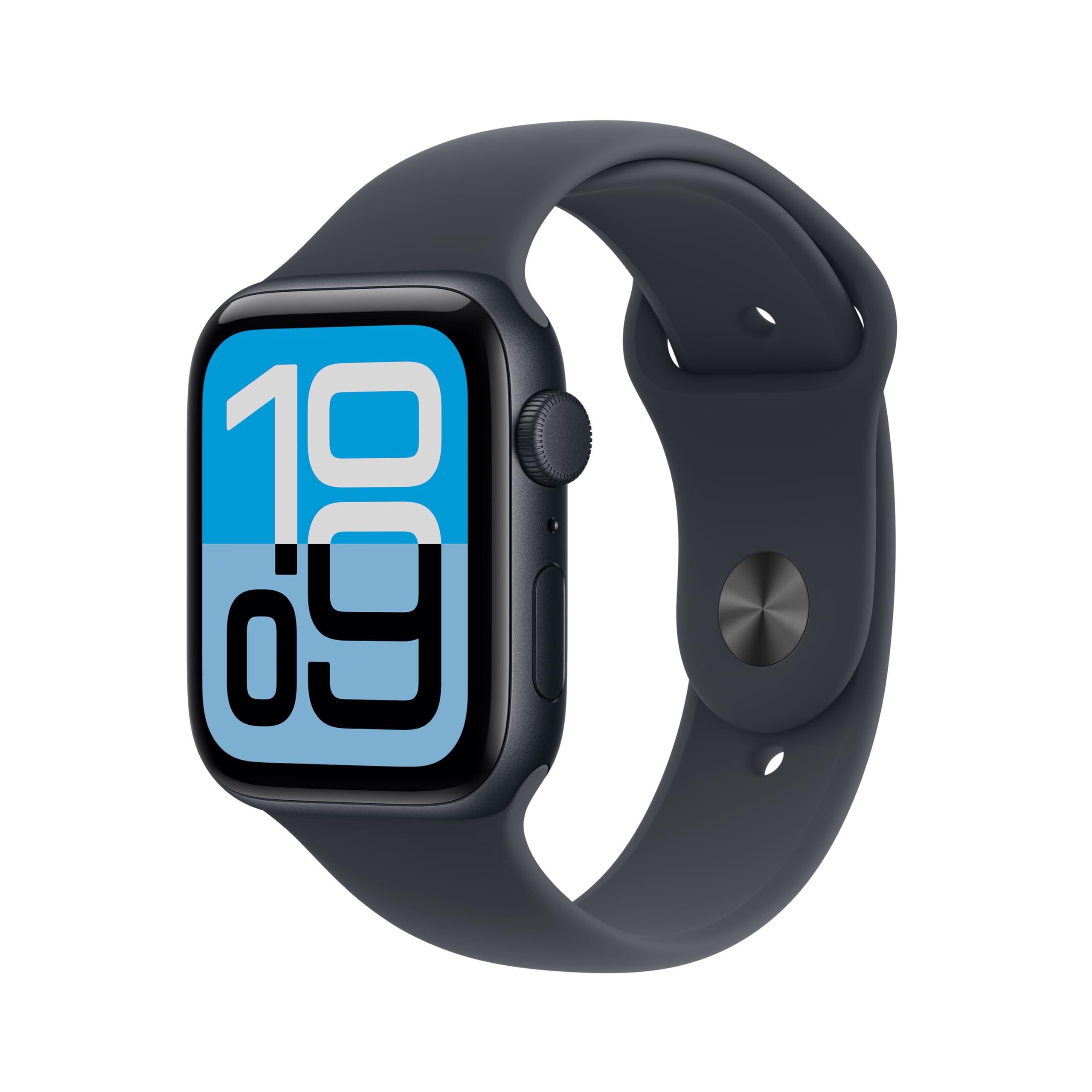
Apple Watch Series 11

Apple Watch Series 11

iPhone health flagship

Our Score 9.4/10
Check Price

Worth Noting

  • Battery life barely covers a full day, requiring daily charging that can interrupt sleep tracking without careful scheduling.
  • Only compatible with iPhone
Form Factor
Smart watch
Battery Life
24 hours
Subscription Cost
None
Additional Sensors
ECG, HR, SpO2, temp

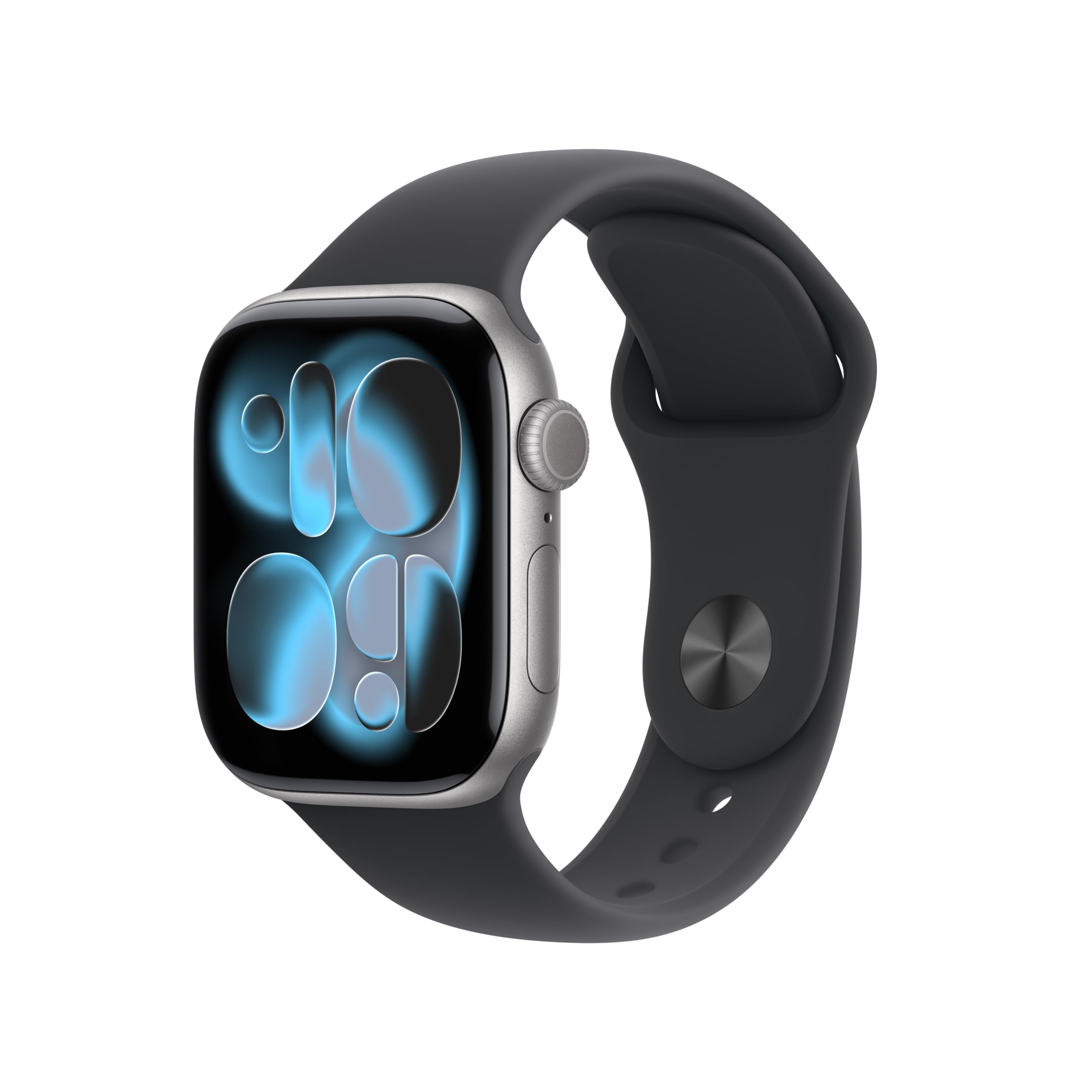
The Apple Watch Series 11 brings clinically validated sleep apnea detection, irregular rhythm alerts, and ECG directly to your wrist — no subscription required. These aren't general wellness estimates; they're the same measurements your doctor would use, and the watch can flag potential issues during sleep without you doing anything special. The always-on LTPO OLED display shows your sleep stages clearly each morning, and health data flows automatically into the iPhone Health app with zero setup friction.

This level of medical-grade sleep monitoring comes with a clear tradeoff: the battery lasts roughly 24 hours, so you'll need to charge every day. If you track sleep nightly, that means finding a 30- to 45-minute window during your day to top up — the fast charge gives you eight hours of battery in about 15 minutes, which helps. This watch is for iPhone users who want the most thorough sleep health data available, including sleep apnea screening, and are willing to build a short daily charging habit to get it. Android users should look elsewhere, as the Watch is incompatible with non-Apple phones.

Tip: Charge during your morning shower or evening wind-down — the fast charger gets you through the night in 15 minutes.

Bottom line: If medical-grade sleep apnea screening and ECG are non-negotiable, and you're already in the Apple ecosystem, this watch delivers unmatched accuracy — just plan your charging routine around 20 minutes each day.

3

Samsung Galaxy Watch 7

Samsung Galaxy Watch 7

Android smartwatch

Our Score 9.0/10
Check Price

Worth Noting

  • Daily charging is needed, especially with Always-On Display enabled.
  • When paired with a non-Samsung Android phone, some health features and sync functions may not work as intended.
Form Factor
Smart watch
Battery Life
30 hours
Subscription Cost
None
Additional Sensors
HR, SpO2, temp, ECG

The Galaxy Watch 7 stands apart from the top pick with its built-in sleep apnea detection and an Energy Score that synthesizes sleep, heart rate, and activity into a daily readiness metric. These AI-powered wellness tools are exclusive to Samsung's ecosystem, offering a level of analysis that longer-lasting trackers simply don't match. The round 40mm case and bright AMOLED display also make it one of the more comfortable and visually appealing options for smaller wrists.

The tradeoff for that depth of insight is battery life: with typical use including sleep tracking, the watch needs a charge each evening, especially if the Always-On Display is active. That daily requirement is consistent across most flagship smartwatches, so it's less a flaw than a boundary. For those who charge their phone every night, the routine is identical.

This watch is built for Android users—particularly those with a Samsung phone—who want the most comprehensive sleep and health tracking available in a smartwatch. iPhone owners should look elsewhere, as compatibility is nonexistent. If you use a non-Samsung Android device, some features like ECG and seamless sync may require extra steps or remain unavailable. For Samsung loyalists, the integration is smooth and the data depth justifies the nightly charging.

Tip: If you use Always-On Display, expect to charge nightly; disabling it extends to about two days.

Bottom line: For Android users who want the deepest sleep and wellness analysis available on a smartwatch, the Galaxy Watch 7 delivers—just be prepared to charge daily.

4

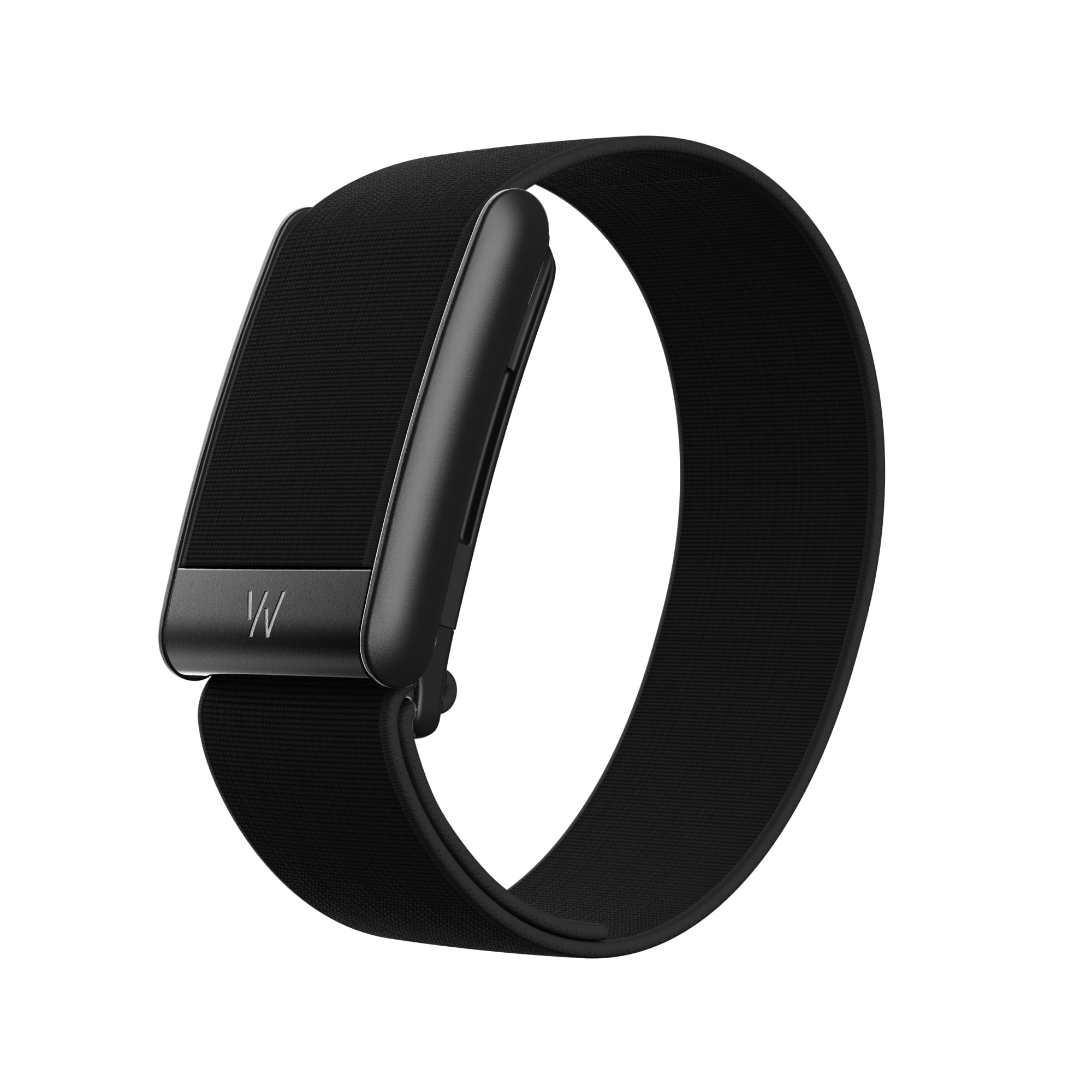
WHOOP 5.0 Activity Tracker

WHOOP 5.0 Activity Tracker

Athlete recovery

Our Score 8.6/10
Check Price

Worth Noting

  • Heart rate readings can be inconsistent during intense movement, which may affect sleep stage accuracy for some users
  • Occasional reliability concerns: some units may stop working after several months of use
Form Factor
Screenless band
Battery Life
14+ days
Subscription Cost
$199/yr
Additional Sensors
HR, HRV, SpO2

The WHOOP 5.0 delivers detailed HRV, strain, and recovery scores that go beyond basic sleep tracking, providing athletes with a metric-driven view of how sleep quality influences daily readiness. Its screenless design keeps distractions away, and the 14-day battery life supports continuous wear without frequent charging.

This tracker suits serious athletes who want to optimize performance through recovery and strain data, and who are comfortable with the $199/year subscription required to unlock all features. Sleep tracking is a strong component, but the device is built around recovery metrics that matter most to those training consistently. The ongoing fee means it’s a long-term commitment, not a one-time purchase.

Heart rate accuracy can waver during high-intensity movement, potentially affecting sleep stage detection for some users. Additionally, a small number of units may stop working after several months of use – a possibility worth considering for long-term ownership.

Tip: Wear the band snugly and avoid shifting during sleep for best heart rate consistency; the charging dock lets you top up without removing the device.

Bottom line: For athletes who prioritize recovery and strain data over all else and accept the subscription model, WHOOP 5.0 provides unmatched depth. For sleep tracking without ongoing fees, the top pick offers a better balance.

5

RingConn Gen 2 Smart Ring

RingConn Gen 2 Smart Ring

Sleep apnea ring

Our Score 8.4/10
Check Price

Worth Noting

  • Battery life may decrease significantly after several months of use.
  • The titanium finish can show scratches from normal wear.
  • Step count accuracy can be inconsistent during physical activity.
Form Factor
Smart ring
Battery Life
10-12 days
Subscription Cost
None
Additional Sensors
HR, HRV, SpO2, stress, temp

RingConn Gen 2 brings sleep apnea detection with real-time AHI data to a smart ring, a feature previously limited to prescription devices or larger wearables. Combined with a battery that lasts 10-12 days and zero subscription fees, it becomes a compelling option for those who value unobtrusive overnight tracking.

Battery life starts strong, but after several months some owners report it drops to every 2-3 days. The titanium finish also shows scratches from daily wear – not a deal-breaker for sleep-focused buyers, but worth knowing before purchase.

This ring suits anyone who wants sleep apnea monitoring without a subscription or a bulky device. If consistent step count accuracy or a scratch-free appearance matters more, other trackers may be a better fit.

Tip: Consider using a screen protector or case to minimize scratching, and plan for eventual battery replacement after a year.

Bottom line: For buyers whose priority is sleep apnea detection in a ring without recurring fees, the RingConn Gen 2 delivers. Just be prepared for battery degradation and scratching over time.

6

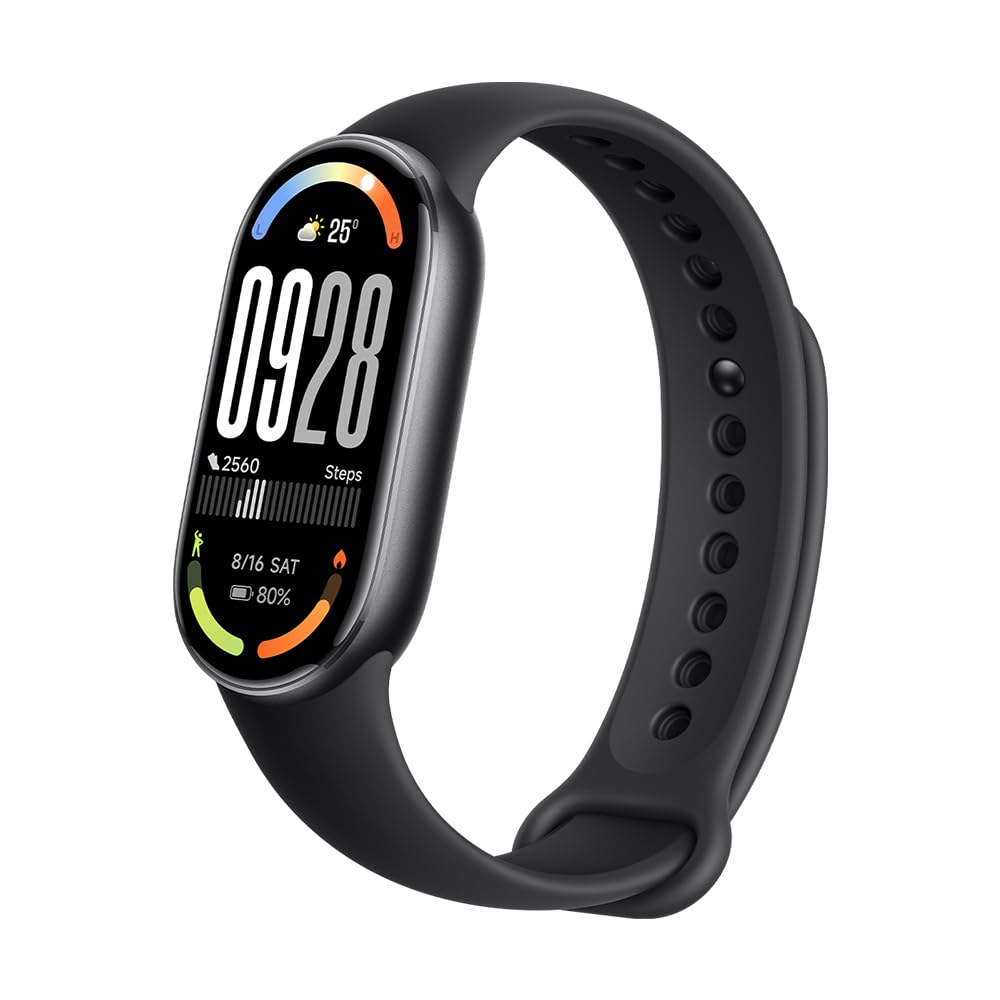
Xiaomi Smart Band 10

Xiaomi Smart Band 10

Budget fitness band

Our Score 9.0/10
Check Price

Worth Noting

  • Band can detach during activity, risking loss of the device
  • Pairing and syncing can be glitchy with certain Android phones, requiring a restart now and then.
Form Factor
Fitness band
Battery Life
21 days
Subscription Cost
None
Additional Sensors
HR, SpO2

The Xiaomi Smart Band 10 delivers the longest battery life in its price class — over two weeks of sleep tracking with the screen turned on frequently, and the 1.72-inch AMOLED is bright enough to read in direct sunlight. That combination alone sets it apart from other budget trackers that compromise on display quality to cut costs.

For sleep tracking, it covers the basics: duration, stages, and heart rate variability at a level that casual users will find consistent. The lack of built-in GPS means it relies on your phone for outdoor route data, but for nightly use that isn't a limitation. The main tradeoffs are the band, which can detach during movement, and occasional pairing hiccups with some Android phones — both manageable once you know they exist.

This band is best suited for someone who wants a no-subscription sleep tracker with a vivid screen and long run times, and who is comfortable checking the band's attachment before activity. It won't satisfy users who need surgical sleep stage accuracy or who plan to run without their phone, but for the price, the tradeoffs are narrow.

Tip: Use a third-party strap with a secure clasp if you plan to wear it during sports or vigorous activity.

Bottom line: If you want a long-lasting, vivid sleep tracker without spending more than a typical dinner out, this is it — just don't expect an ironclad band or effortless setup with every phone.

7

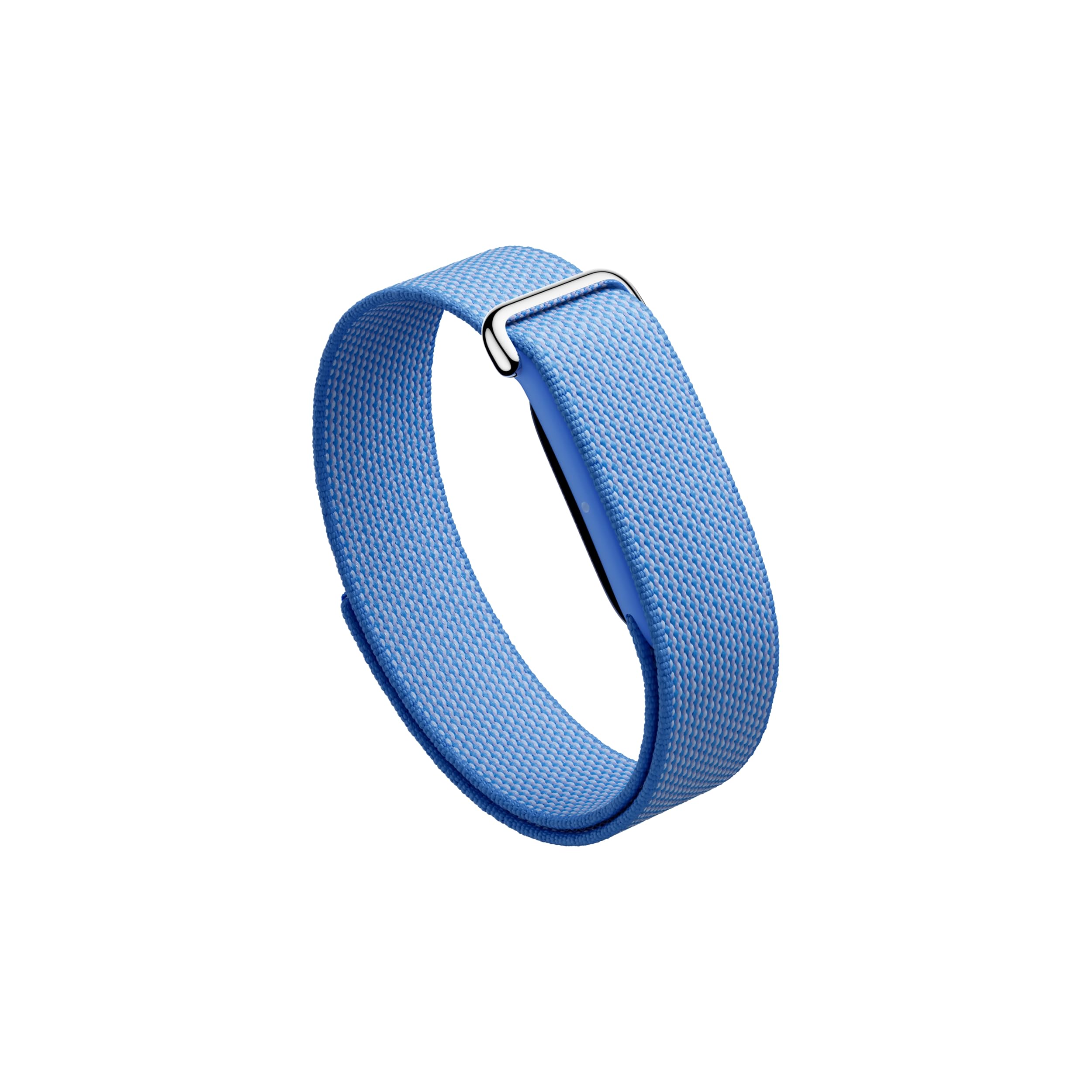
Fitbit Air Screenless Tracker

Fitbit Air Screenless Tracker

Screenless comfort

Our Score 8.8/10
Check Price

Worth Noting

  • Sleep tracking may not reliably detect wake times in some sleeping environments.
  • Step counting can register non-walking arm movements as steps, inflating daily totals.
Form Factor
Screenless band
Battery Life
5-7 days
Subscription Cost
Optional
Additional Sensors
HR, SpO2, skin temp

The Fitbit Air delivers the Whoop-like formula of continuous heart rate and sleep tracking in a barely-there band, without the yearly fee. It is comfortable enough to wear 24/7 and the battery holds up for several days. For users who want basic sleep duration and trend data without a display cluttering their wrist, this is a solid entry point. However, the sleep stage detection can miss wake times for some wearers, and step counting may confuse arm movements with actual steps. These accuracy gaps mean the Air suits those who prioritize simplicity and low distraction over granular sleep analysis — it is not a replacement for a research-grade sleep lab or a data-heavy platform like Whoop.

Bottom line: Best for anyone who wants a barely-there screenless tracker with solid battery life and no subscription, and who is okay with occasional sleep-stage inaccuracy in exchange for comfort and simplicity.

8

Apple Watch SE 3

Apple Watch SE 3

Value Apple Watch

Our Score 9.4/10
Check Price

Worth Noting

  • Battery life limited to about 18 hours
  • No advanced health sensors like ECG or blood oxygen (unlike Series 11).
Form Factor
Smart watch
Battery Life
18 hours
Subscription Cost
None
Additional Sensors
HR, SpO2, temp

The Apple Watch SE 3 covers essential sleep tracking — duration, heart rate, and activity — without the subscription costs of some competitors. Its always-on display and water resistance make it a capable everyday companion. However, the 18-hour battery means nightly charging for sleep tracking, and it lacks ECG and blood oxygen sensors found on pricier models. This is a fine choice if you're already in the iPhone ecosystem and value core health monitoring over advanced metrics.

Bottom line: If you prioritize seamless iPhone pairing and don't need ECG or SpO2, this is a capable sleep tracker that avoids subscription fees — just plan for daily charging.

9

Oura Ring 4

Oura Ring 4

Premium smart ring

Our Score 8.0/10
Check Price

Worth Noting

  • Battery may degrade within months, leading to more frequent charging than advertised.
  • Metal finish scratches easily from normal use, affecting the ring's appearance.
Form Factor
Smart ring
Battery Life
5-8 days
Subscription Cost
$5.99/mo
Additional Sensors
HR, SpO2, temp

The Oura Ring 4 delivers detailed sleep analysis with HRV, stress, and women's health features in a lightweight ring that’s comfortable for all-day wear. Its unobtrusive design and rich data appeal to sleep enthusiasts. However, the battery may degrade after several months, sometimes requiring charging every two days. The metal finish can show scratches from normal use, affecting appearance. Additionally, a monthly subscription is required after the first month. For these reasons, the RingConn Gen 2 offers similar sleep tracking without the ongoing fee and with better durability, making it a stronger pick for most buyers.

Bottom line: Best for sleep data enthusiasts who value detailed HRV and women's health insights and are comfortable with an ongoing subscription and careful handling of the ring's finish.

10

MorePro Air6 Fitness Tracker

MorePro Air6 Fitness Tracker

Budget all-in-one

Our Score 8.8/10
Check Price

Worth Noting

  • Blood pressure readings can be inconsistent
Form Factor
Fitness band
Battery Life
7 days
Subscription Cost
None
Additional Sensors
HR, BP, SpO2

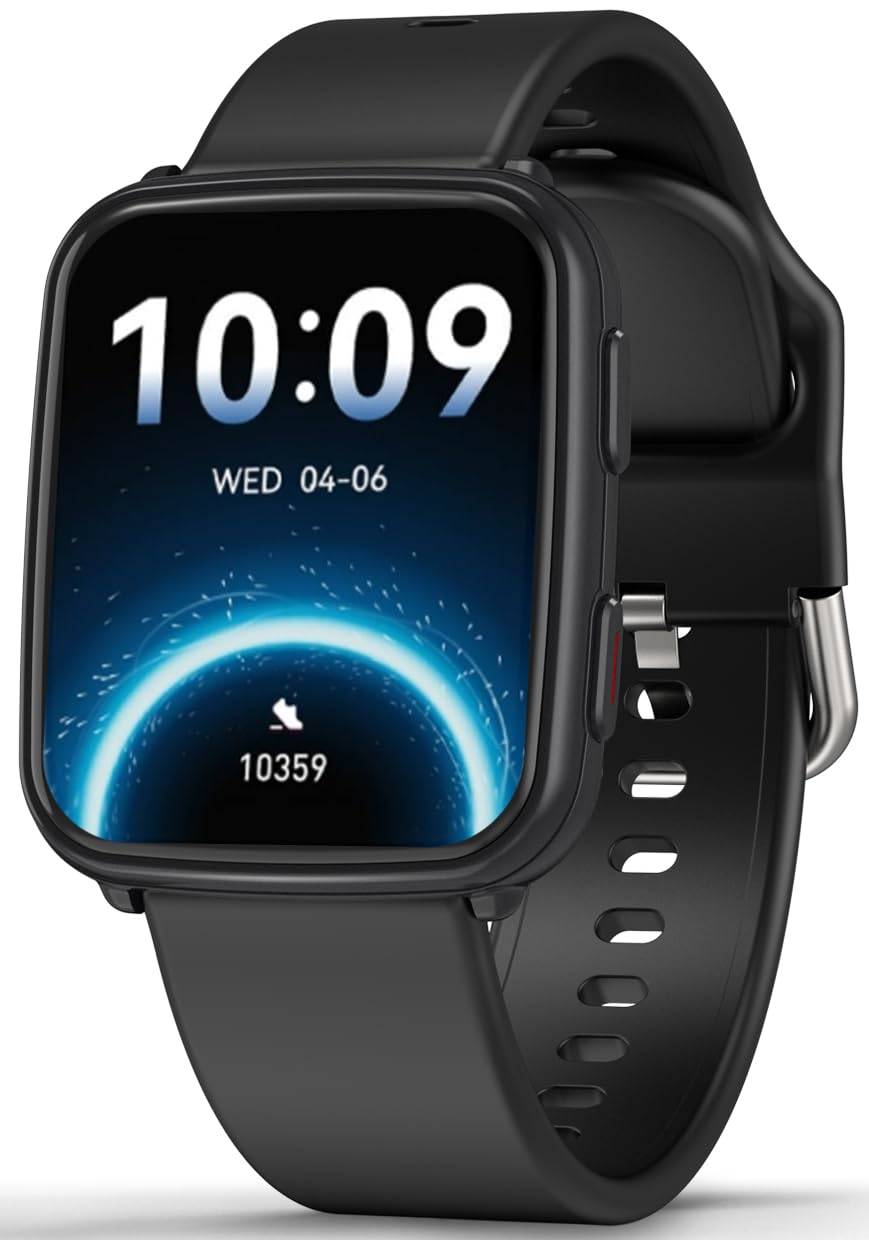
For its price, the MorePro Air6 covers the basics of sleep tracking — duration, quality trends, and overnight heart rate — without requiring a subscription. The 1.52-inch touchscreen is easy to navigate, and the lightweight build makes it comfortable for overnight wear. However, blood pressure monitoring is not consistent enough for medical use, and the overall construction feels basic. This tracker is best suited for someone who wants an affordable look at their sleep patterns without expecting clinical precision.

Bottom line: A solid choice for budget-conscious sleep tracking if you don't need medical-grade blood pressure data.

11

Moremore Fitness Tracker C60

Moremore Fitness Tracker C60

Ultra-budget AMOLED

Our Score 8.6/10
Check Price

Worth Noting

  • Blood pressure readings can differ from a medical cuff
  • In some cases the tracker may stop working after a few months
Form Factor
Fitness band
Battery Life
7 days
Subscription Cost
None
Additional Sensors
HR, BP, SpO2

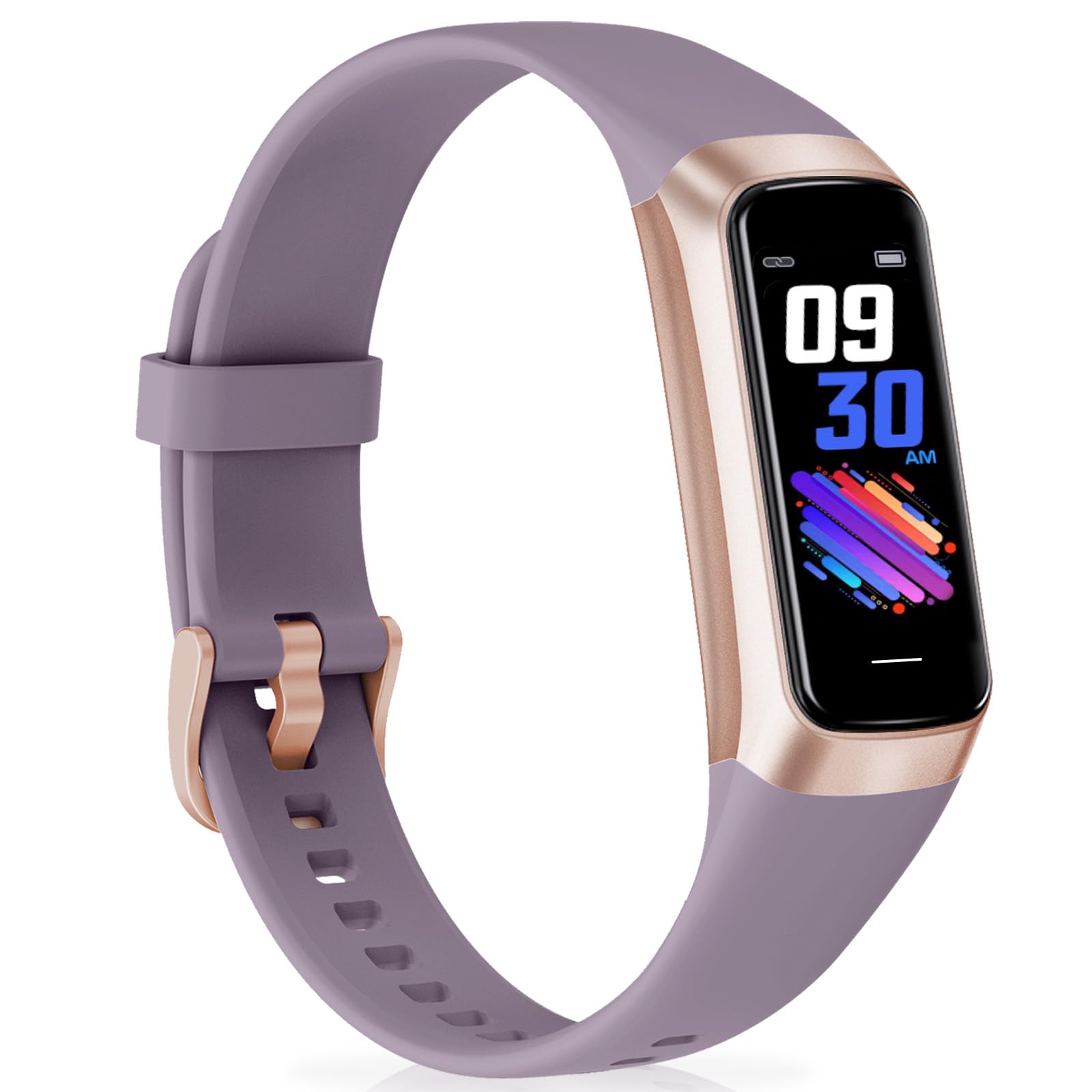
The Moremore Fitness Tracker C60 delivers an AMOLED display and core sleep/step tracking at a budget-friendly price, making it a viable entry-level option. Its blood pressure monitoring lacks the accuracy of a medical cuff, so those needing BP data should look elsewhere. Occasional reports of units ceasing to function after a few months mean this tracker is best suited as a temporary device, for kids, or as a backup rather than a long-term investment.

Bottom line: This tracker fits best as an inexpensive sleep and step tracker for kids, teens, or as a backup device when accuracy on advanced metrics like blood pressure is not critical.

12

KIPTUMTEK T7 Smartwatch

KIPTUMTEK T7 Smartwatch

Super budget smartwatch

Our Score 9.2/10
Check Price

Worth Noting

  • Sleep stage and step count accuracy can vary between units.
Form Factor
Smart watch
Battery Life
10 days
Subscription Cost
None
Additional Sensors
HR, SpO2

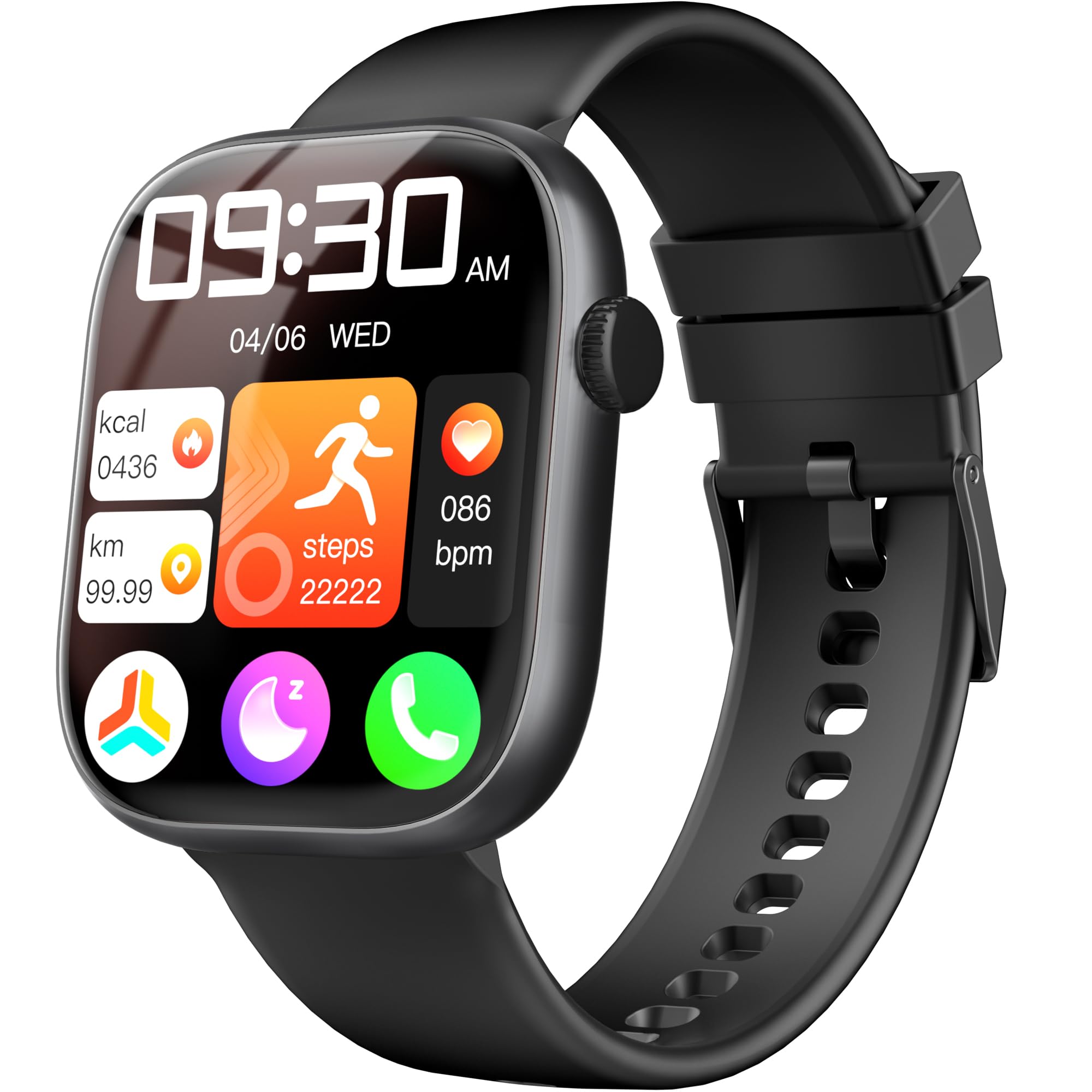
This smartwatch brings Bluetooth calling, a large HD touchscreen, and basic heart rate and sleep tracking at a budget-friendly price. Setup is quick, the design looks more expensive than it is, and battery life reaches up to 10 days with mixed use. However, step counting and sleep stage accuracy can vary between units, so those seeking precise sleep analysis should look elsewhere. This is a functional everyday watch for calls and casual activity tracking, not a sleep science tool.

Bottom line: Worth grabbing for Bluetooth calling on a tight budget, but not for anyone who needs consistent sleep data.

13

prxxhri Smart Health Ring

prxxhri Smart Health Ring

Entry-level ring

Our Score 8.4/10
Check Price

Worth Noting

  • Battery life lasts only 2-3 days, requiring more frequent charging than most trackers.
  • Premature cessation of function has been observed in some units, affecting long-term usability.
Form Factor
Smart ring
Battery Life
2-3 days
Subscription Cost
None
Additional Sensors
HR, SpO2, stress

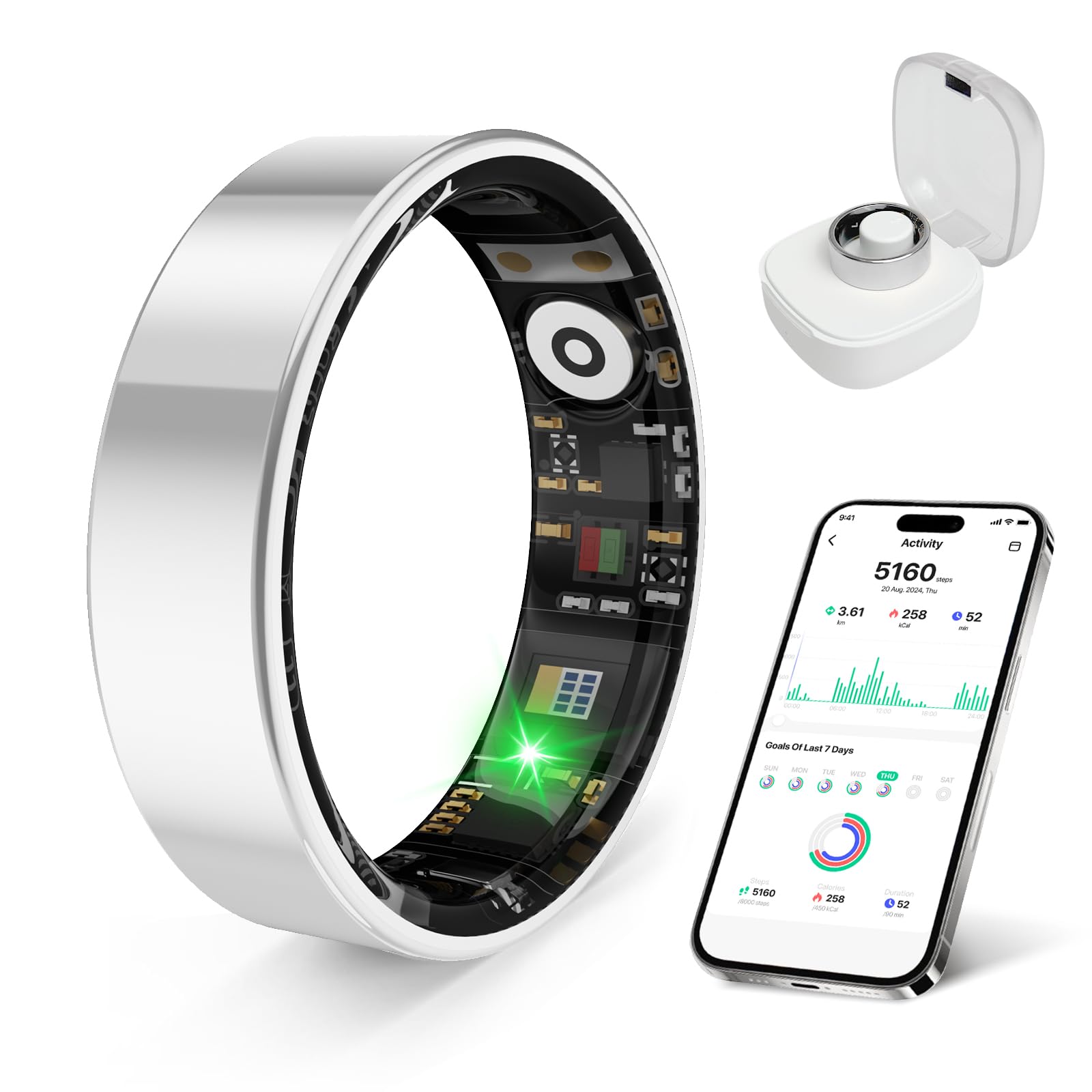
The prxxhri Smart Health Ring delivers lightweight comfort and accurate sleep stage tracking without any subscription fees. Its 2-3 day battery life requires more frequent charging than wrist-based alternatives, and some units have been noted to cease functioning prematurely. This makes it best suited for someone who wants to try a smart ring at a low cost and can accept the possibility of an early replacement.

Tip: The included charging case extends battery life to over 10 days — keep it nearby for quick top-ups.

Bottom line: A reasonable entry for first-time smart ring users who prioritize comfort and no subscription, provided they accept the chance of early unit replacement.

How to Choose

Sleep Stage Accuracy

Sleep stage accuracy depends on how the device detects movement and heart rate variability. Optical sensors on the wrist can be thrown off by tattooed skin, loose fit, or arm movement during the night. Rings are less affected by arm motion but can lose accuracy if your fingers swell overnight.

No consumer tracker matches medical polysomnography, but devices that explicitly track light, deep, and REM stages (like WHOOP and Amazfit Bip 6) tend to provide more useful trends than those that only report a single sleep score.

Battery Life

Battery life directly impacts whether you actually wear the device every night. A tracker that needs charging daily (like most smartwatches) can easily be left on the charger overnight, defeating the purpose. Bands and rings with 7+ day battery life are much easier to keep on.

The trade-off: longer battery often means less frequent data syncing or a smaller, less bright display. For sleep tracking, prioritize battery life that comfortably covers a week so you don't have to plan charging around bedtime.

Subscription Cost

Many sleep trackers are sold at a low upfront price but require a monthly or yearly subscription to unlock sleep scores, trends, and personalized insights. These costs add up fast – a $199 annual subscription on a $200 device means you pay double within two years.

Devices without subscription fees (like Amazfit, Xiaomi, and RingConn) give you full access from day one. If you don't need advanced coaching or deep dive analytics, a subscription-free tracker offers better long-term value.

Form Factor

Wrist bands and smartwatches are the most common form factors, but they can be bulky for side sleepers. Screenless bands (WHOOP, Fitbit Air) eliminate display distractions but require you to check your phone for data. Smart rings are the most comfortable for overnight wear and are barely noticeable.

The hidden trade-off with rings: they scratch easily and battery life degrades faster than wrist devices due to their small size. Also, rings cannot show the time or notifications, so you must rely on your phone for quick glances.

Additional Sensors

Heart rate variability (HRV), blood oxygen (SpO2), and skin temperature sensors add context to your sleep data. HRV is particularly useful for understanding recovery, while SpO2 can indicate breathing disruptions. However, these sensors are not medical-grade and should be treated as trends, not diagnoses.

The most useful additional sensor for sleep is the accelerometer – it tracks movement to determine sleep stages. Optical heart rate sensors are a close second. Blood pressure and stress monitoring on budget devices are often inaccurate and can mislead rather than help.

Frequently Asked Questions