Wearables & Health

10 Best Red Light Therapy Devices of 2026: Which Actually Last for Daily Use

Confused by cheap belts that stop working? Find the red light therapy device that delivers consistent relief for face, joints, and pain without early failures.

Many red light therapy belts and pads look like a great deal at under $50. But a pattern shows up quickly: after a few months, the lights flicker or go dark entirely, leaving you with a useless wrap and a wasted purchase. That upfront savings disappears when you have to buy again.

The real difference isn‘t just LED count or wavelength – it’s how the device is built. Panels from established brands tend to hold up well, while the cheapest belts share a common flaw in power components that fail under daily heat. This guide cuts through that noise by focusing on devices that have proven reliable over hundreds of real-world sessions.

You‘ll find clear picks for every form factor, from full-body panels to travel torches, with one shared requirement: they actually keep working. Whether you need a budget-friendly pad for knee pain or a premium panel for skin and muscle recovery, the choices here won’t let you down after a few months.

1

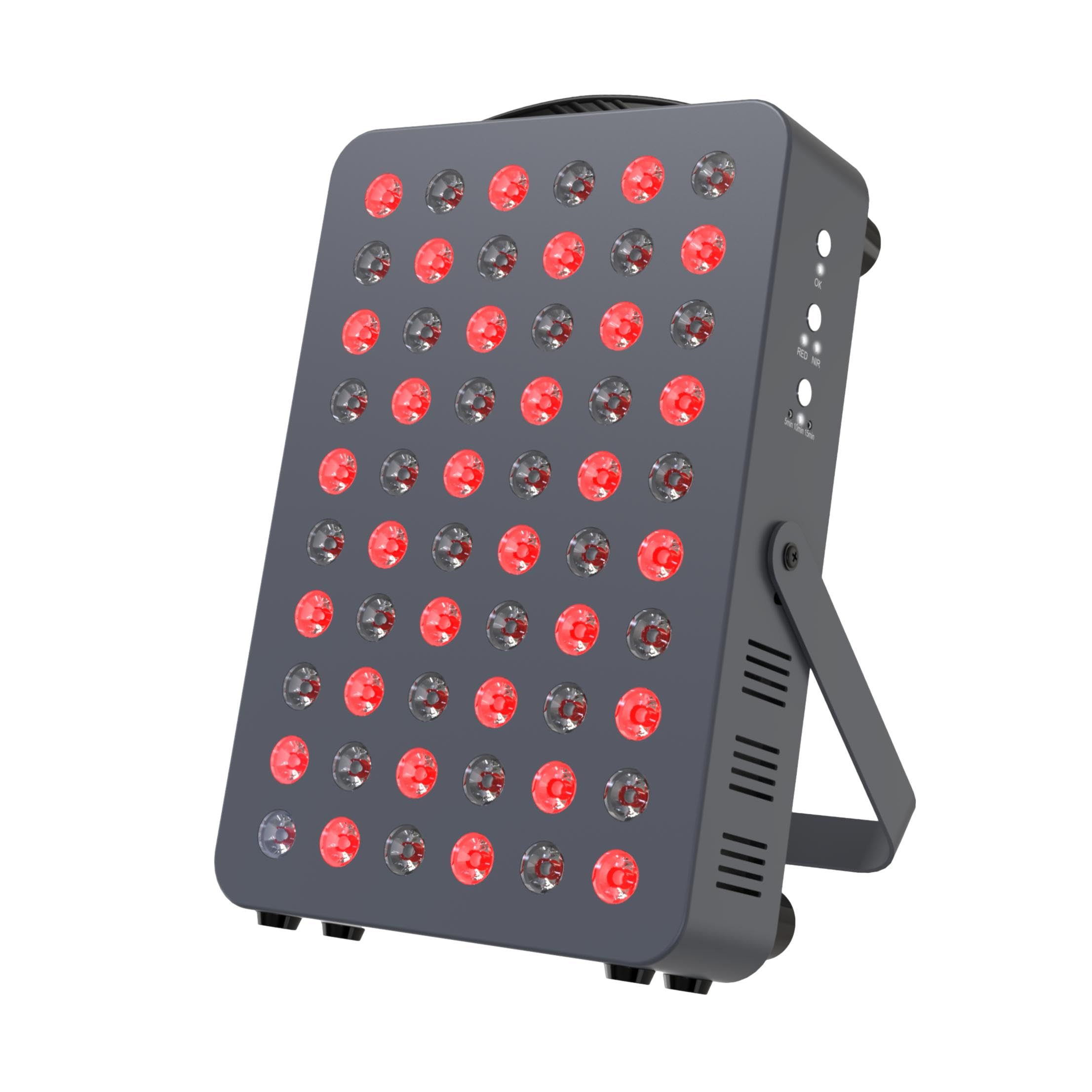
Hooga HG300 Panel

Top Pick
Hooga HG300 Panel

Face & body panel

Our Score 9.2/10
Check Price

Worth Noting

  • Brightness can be overwhelming at close range; eye protection is required.
LEDs
60 dual-chip
Power
300W
Form Factor
Panel
Wavelengths
660nm + 850nm

The HG300's 60 dual-chip LEDs produce a blend of 660nm red and 850nm near-infrared light that many users find effective for pain relief and healing. The panel is built with quality materials and the adjustable stand makes positioning easy for face or body treatments.

This panel suits home users who want a dedicated red light therapy device for targeted areas like joints, back, or face. The LED count covers a moderate area, so you will need to move it for larger zones. Brightness can be intense at close range, so eye protection is essential during use.

Tip: Use the included eye protection or maintain a distance of at least 6 inches to manage brightness during sessions.

Bottom line: For home users seeking a mid-range panel for face and body therapy, the HG300 delivers a strong balance of performance and build without the reliability concerns seen in cheaper options.
2

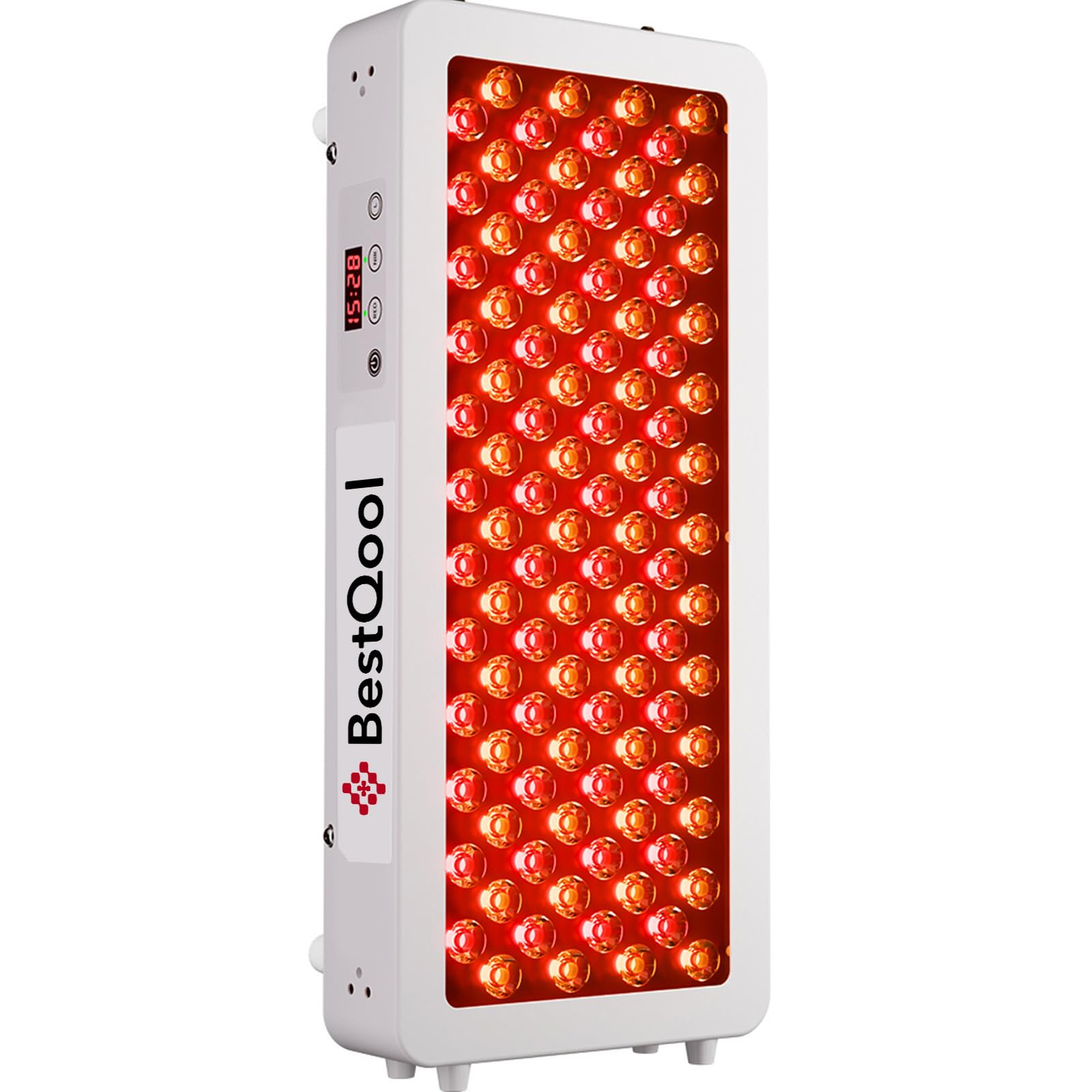
BestQool Pro100 Panel

BestQool Pro100 Panel

Powerful home panel

Our Score 9.4/10
Check Price

Worth Noting

  • Premium price point may deter budget-conscious buyers seeking comparable performance.
LEDs
100 dual-chip
Power
160W
Form Factor
Panel
Wavelengths
660/850 + 2 more

With 100 dual-chip LEDs across four wavelengths and a modular design that lets you link multiple panels, the Pro100 delivers higher intensity than the category leader. It is a premium-priced unit with a relatively shorter record of long-term user reports, but early feedback strongly supports its effectiveness for muscle recovery, pain relief, and skin improvement. This panel suits serious home users who want maximum power now and the option to scale up later — and who are comfortable with a larger upfront investment and a unit that prioritizes performance over portability.

Bottom line: For users who want the highest LED count and the ability to expand into a larger array later, this panel delivers unmatched raw power — if the premium price fits your budget.

3

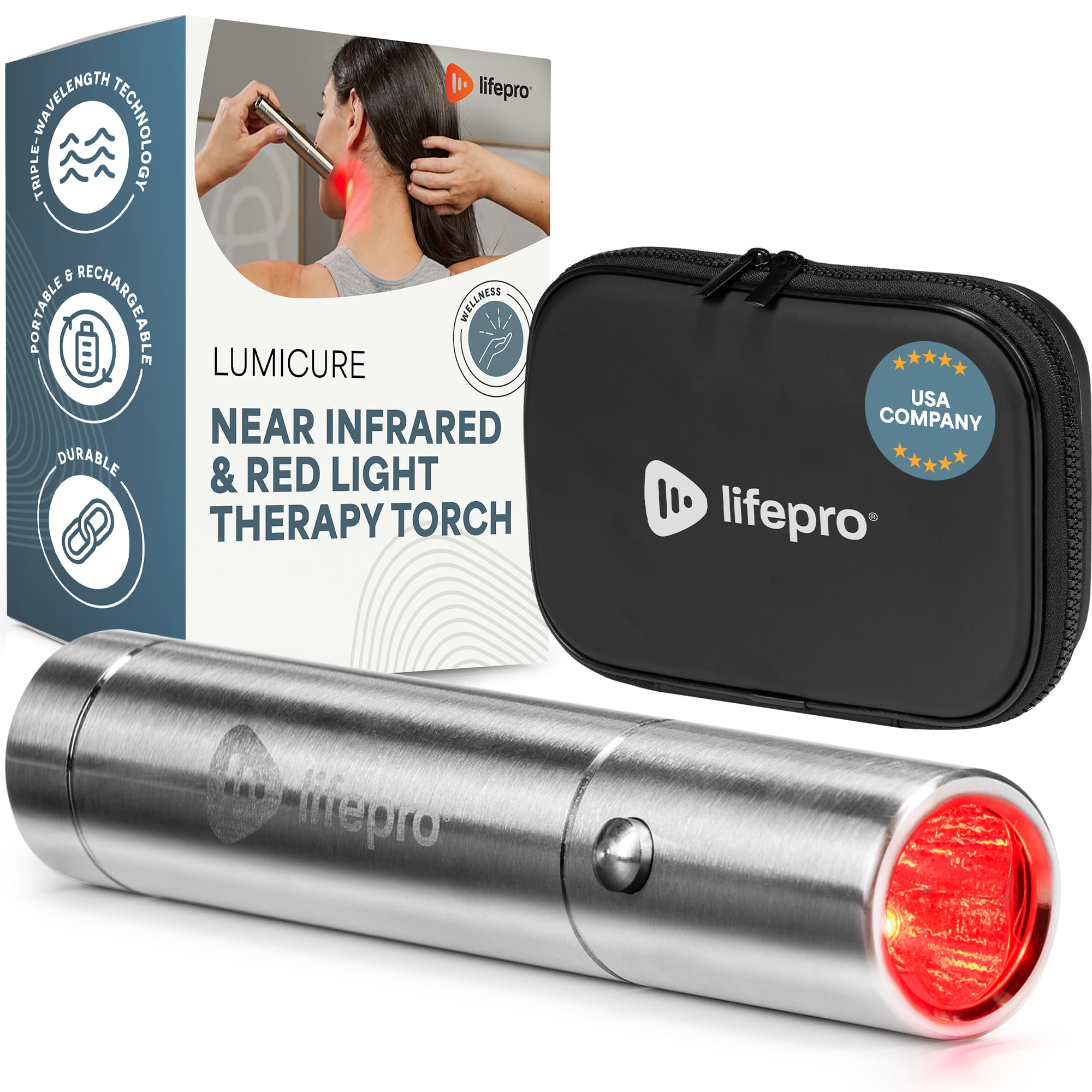
Lifepro LumiCure Torch

Lifepro LumiCure Torch

Portable targeted relief

Our Score 8.8/10
Check Price

Worth Noting

  • Auto-shut-off and battery longevity can vary between units.
LEDs
Power
Form Factor
Torch
Wavelengths
630/660/850nm

The LumiCure Torch delivers 630nm, 660nm, and 850nm wavelengths from a pocket-sized device with a rechargeable battery. Battery life supports several short sessions between charges, and single-button operation makes it simple to use. The included carrying case keeps it protected in a bag. Unlike small panels that still need a flat surface, this torch lets you treat any joint, hand, or small area without setup.

This torch suits travelers or anyone who wants targeted pain relief on the go without hauling a panel. The tradeoff: some units may have inconsistent auto-shut-off or battery durability, so plan for this as a secondary device rather than a daily-only tool.

Bottom line: An effective travel companion for spot treatments, but not a daily workhorse -- consider a panel for regular use.

4

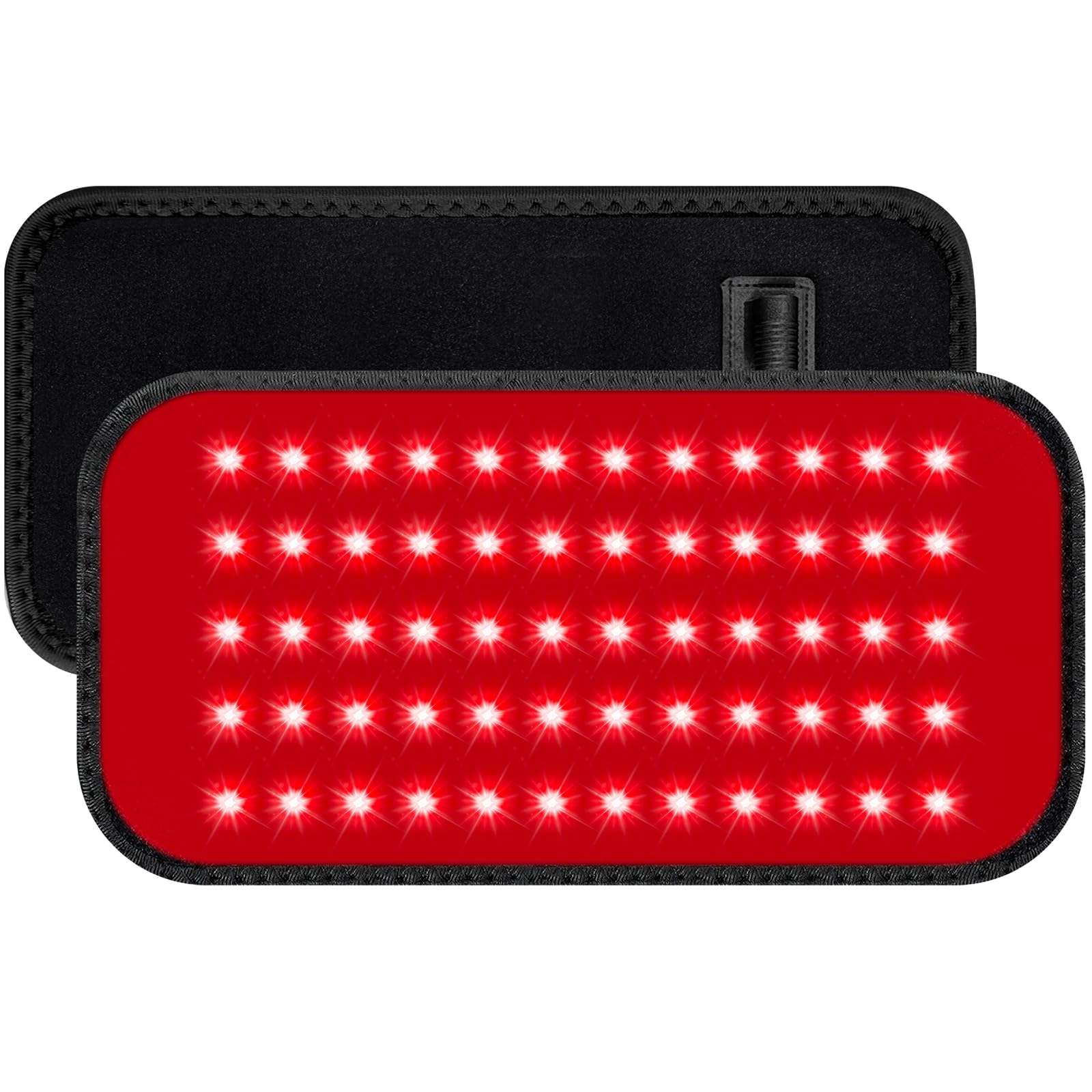
GMOWNW Red Light Pad

GMOWNW Red Light Pad

Budget pain relief

Our Score 8.6/10
Check Price

Worth Noting

  • Pad size is small; may not cover larger body areas like the full back in one session
  • Effectiveness can vary; some users may not get the pain relief they expect
LEDs
60 chips
Power
Form Factor
Pad
Wavelengths
660nm + 850nm

This pad provides effective pain relief for knees, shoulders, and lower back at a price well under $30, with a straightforward remote control and timer. The 60 dual-chip LEDs produce a steady, pleasant warmth that doesn't overheat during use. However, the 12.4 x 5.7 inch size limits coverage – it won't wrap around a full back or large muscle groups. That makes it best for spot therapy on smaller joints or tight areas, where its portability and no-fuss design shine.

Tip: For larger areas, reposition the pad over different spots during a session or use multiple sessions to cover the whole area.

Bottom line: For spot therapy on knees, shoulders, or lower back, this pad offers the best value in the budget category — no frills, just consistent heat and targeted relief.

5

Hooga HG200 Panel

Hooga HG200 Panel

Compact travel panel

Our Score 9.2/10
Check Price

Worth Noting

  • Some units may develop long-term issues sooner than the top pick, better suited for occasional rather than daily use.
LEDs
40
Power
Form Factor
Panel
Wavelengths
660nm + 850nm

The Hooga HG200 packs 40 LEDs into a 9.5-inch panel that fits in a carry-on, yet delivers 90 mW/cm² at 6 inches — enough for focused treatment on the go. Its smaller size means it covers only a small area, not full body, and some units may develop long-term issues sooner than the top pick, making the HG300 a more dependable home option. This panel shines for travelers or those with limited desk space who want a portable solution for targeted pain or skin concerns.

Bottom line: A solid travel companion for focused therapy, but the HG300 offers more peace of mind for home use.

6

MEGELIN Face & Neck Mask

MEGELIN Face & Neck Mask

Face & neck skincare

Our Score 9.2/10
Check Price

Worth Noting

  • Some units may experience LED failures after several months of use.
  • Premium price can feel steep if visible results take longer than expected.
LEDs
486
Power
Form Factor
Mask
Wavelengths
420-850nm

The MEGELIN mask stands apart from simpler face-only masks by covering both face and neck with 288 face and 198 neck LEDs, while offering seven wavelengths from 420nm to 850nm. The flexible silicone build adapts well to different face shapes, and the rechargeable design eliminates cord hassle during sessions.

This mask suits dedicated skincare enthusiasts who want multiple light colors—including red, near-infrared, and blue—for targeting fine lines and texture. The premium price reflects the all-in-one coverage, but some units may develop LED failures over time, and results can be gradual, so it’s best for those willing to invest in a feature-rich device rather than a simple red/NIR tool.

Bottom line: For those committed to a multi-wavelength skincare routine and comfortable wearing, this mask delivers solid coverage despite its premium price and possible durability quirks.

7

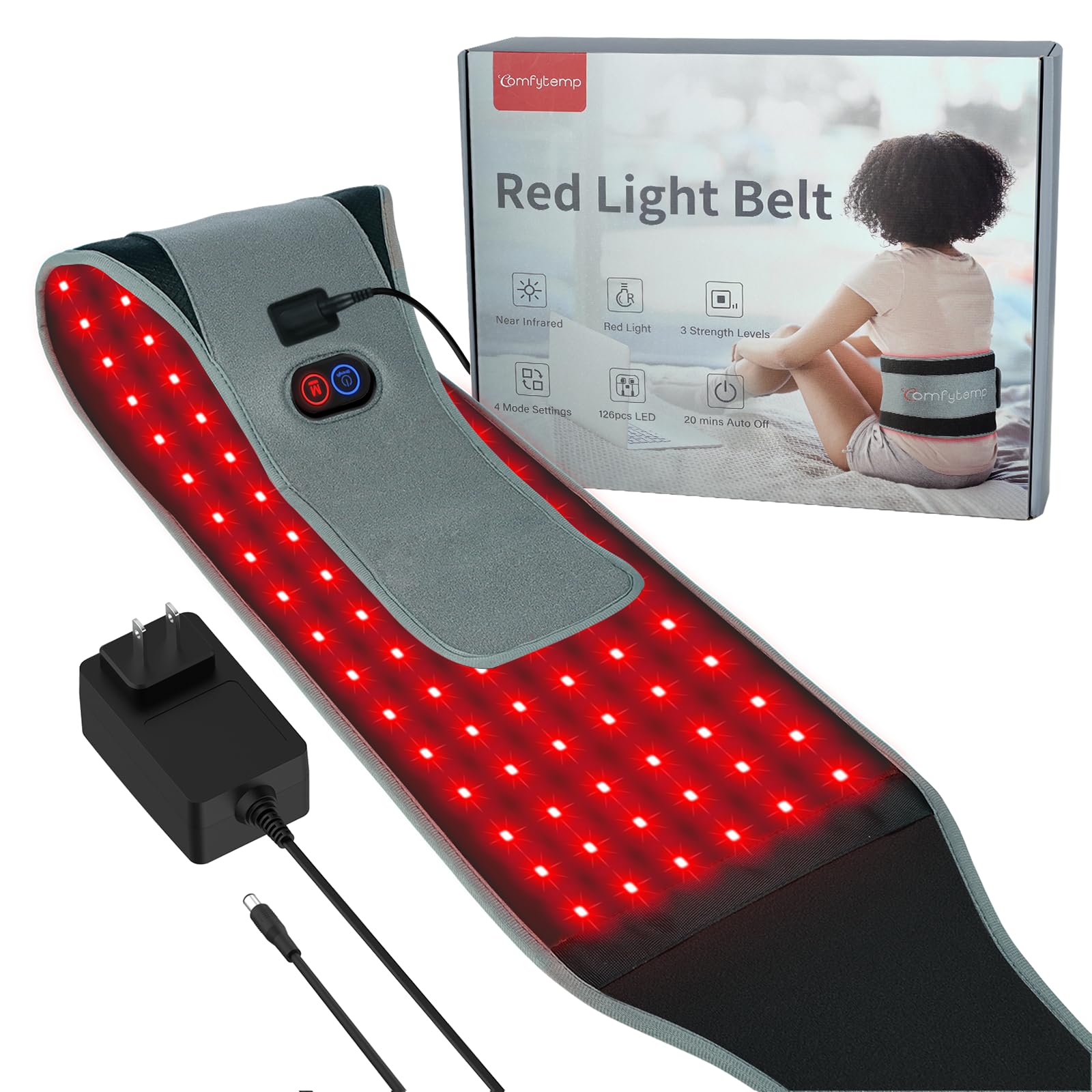
Comfytemp Red Light Belt

Comfytemp Red Light Belt

Budget belt pain

Our Score 9.2/10
Check Price

Worth Noting

  • Sweating can occur during sessions longer than 10 minutes due to the plastic backing
LEDs
126
Power
22W
Form Factor
Belt
Wavelengths
660nm + 850nm

The Comfytemp belt delivers noticeable pain relief for back, knees, and shoulders at a budget-friendly price. Its 126 LEDs with 660nm and 850nm wavelengths work well for targeted therapy, and build quality is solid for the cost. However, the plastic backing traps heat, which can cause sweating during sessions beyond 10 minutes. This suits shorter, focused treatments rather than extended use.

Bottom line: Best for short targeted sessions under 10 minutes where pain relief matters more than all-day comfort.

8

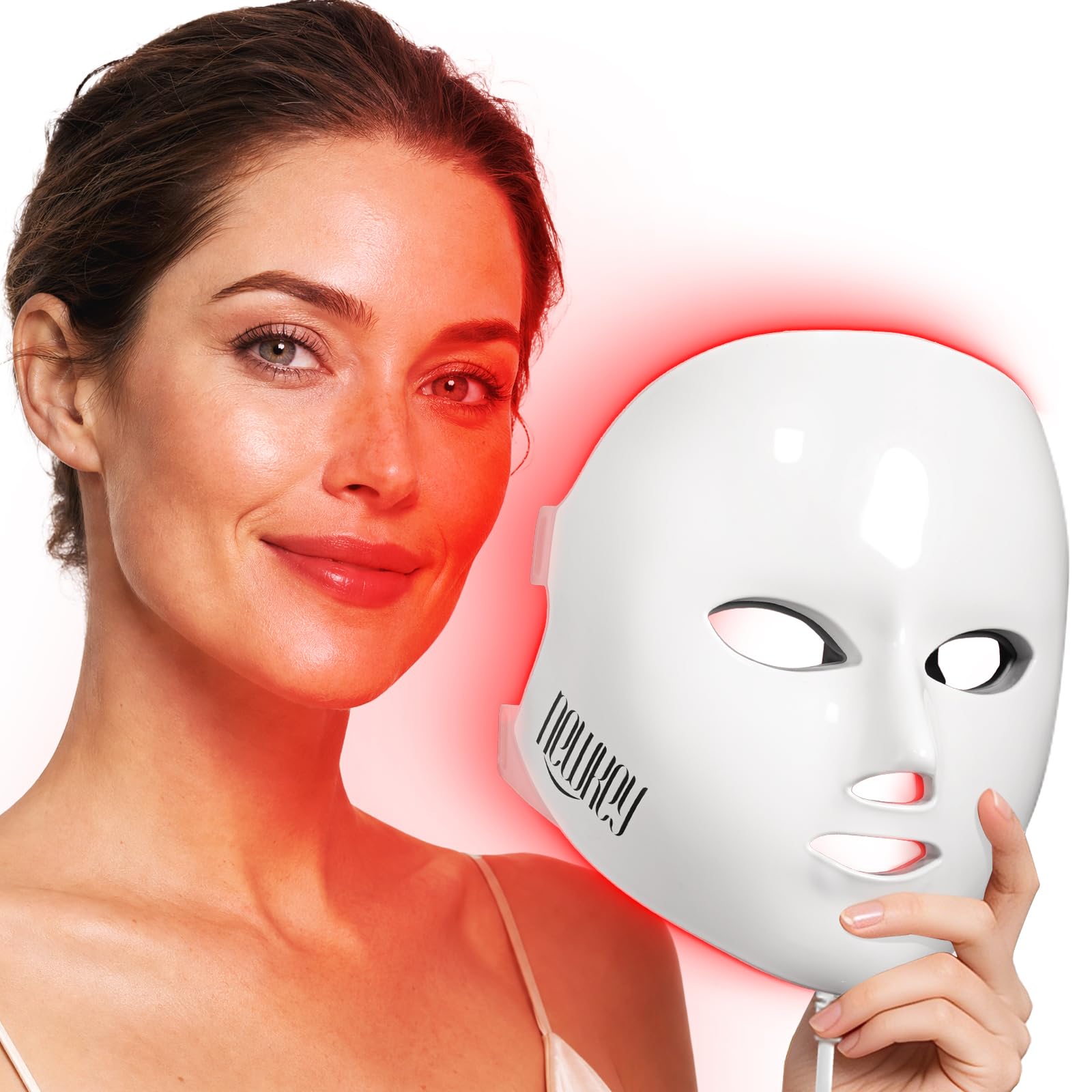
NEWKEY LED Mask

NEWKEY LED Mask

Acne & skin

Our Score 8.6/10
Check Price

Worth Noting

  • Heavy mask can cause discomfort on the nose bridge during extended use.
LEDs
150 chips
Power
Form Factor
Mask
Wavelengths
630nm + 465nm

The NEWKEY mask uses red (630nm) and blue (465nm) LEDs to target acne and improve skin clarity for some users. Solid build quality and simple plug-in operation make it easy to use, but the absence of near-infrared wavelengths limits it to surface-level skin benefits.

Bottom line: Best suited for those focused on acne who can tolerate a heavier mask and don't require near-infrared therapy.

9

Lifepro AllevaRed Belt

Lifepro AllevaRed Belt

Premium pain belt

Our Score 8.8/10
Check Price

Worth Noting

  • Requires a wall plug; no battery option for on-the-go use
LEDs
105 chips
Power
Form Factor
Belt
Wavelengths
660nm + 850nm

This belt provides noticeable relief for back and joint pain, backed by high-quality materials and a comfortable wrap-around design. It achieves this through 105 triple-chip LEDs emitting 660nm and 850nm wavelengths. However, the unit requires a constant power connection and some units may develop issues within months, making it a fit for users who prioritize pain relief over mobility and are willing to accept the corded limitation and potential unit variation.

Bottom line: Best for users who prioritize pain relief over portability and can accept the corded design, but consider a more portable option if you need to move between rooms.

10

Hooga HG24 Bulb

Hooga HG24 Bulb

Test entry-level

Our Score 9.0/10
Check Price

Worth Noting

  • Some units may have a shorter lifespan than typical bulbs
LEDs
12 chips
Power
24W
Form Factor
Bulb
Wavelengths
660nm + 850nm

The Hooga HG24 delivers a practical entry into red light therapy at a budget-friendly price, providing noticeable effectiveness for targeted pain relief and skin use on a small area. However, some units may have a shorter lifespan, making it more of a trial device than a permanent solution.

Bottom line: This bulb works well for testing red light therapy on a small area if you are prepared for the possibility of a shorter lifespan and treat it as a trial, not a long-term device.

How to Choose

Wavelengths: 660nm vs 850nm

Red light at 660nm penetrates the skin surface and is best for wound healing, collagen production, and skin tone. Near-infrared at 850nm goes deeper into muscles and joints, making it effective for pain relief and inflammation. Devices that include both wavelengths cover more use cases than single-wavelength models.

Some masks offer only 630nm red plus blue light for acne, omitting near-infrared entirely. That wavelength gap means you miss the deeper tissue benefits. If you want a device for both skin and muscle recovery, confirm it includes both 660nm and 850nm.

LED Count and Power

More LEDs generally mean larger treatment area and faster sessions, but raw LED count doesn’t guarantee performance. The actual output – measured in milliwatts per square centimeter – depends on LED quality and driving current. A 40-LED panel with high irradiance can outperform a 100-LED panel with weak optics.

Power handling also separates durable units from cheap ones. Budget belts often use low-quality power regulators that overheat and fail within months. A panel with a dedicated power supply and heat sink costs more upfront but avoids that failure pattern entirely.

Form Factor

Form factor determines how often and where you‘ll use the device. Panels are the most versatile – you can sit in front of them for whole-body coverage or position them near a chair for face targeting. Belts and pads excel at spot treatment on back, knees, or shoulders but are corded and require you to stay still.

Masks free your hands but can be uncomfortable if heavy or poorly fitted. Torches offer maximum portability for travel but require you to hold them steady for 10-15 minutes per spot. Choose based on whether you need a hands-free daily routine or the flexibility to treat different areas on the go.

Durability and Reliability

The most common complaint in this category is early failure – LEDs dying, power cords breaking, or auto-shutoff circuits malfunctioning within a few months. This is especially prevalent among budget belts and pads that use cheap components and minimal thermal management. A device that costs $30 but fails in 3 months is more expensive than a $100 device that lasts 3 years.

Brands like Hooga and BestQool have established a track record of consistent build quality, while many unknown sellers offer no warranty and disappear after a batch. When buying, look for at least a 1-year warranty and a return policy that covers defects. User reviews mentioning longevity over six months are a strong signal.

Frequently Asked Questions