TVs & Video

7 Best Home Theater Projector of 2026: Real Brightness for Dedicated Cinema

Which projectors actually deliver enough brightness for a dedicated home cinema? This guide helps you choose between 1080p and 4K, pixel-shifted vs native, and find the right balance of lumens and features.

Marketing brightness numbers like '3500 brightness level' are everywhere, but they rarely translate to real-world performance. For a dedicated home theater, ANSI lumens are the only spec that matters, and many budget models fall far short of the 2,000-lumen threshold needed for a light-controlled room.

The real choice comes down to balancing resolution, brightness, and reliability. Top-tier native 4K models like the XGIMI Horizon 20 Max deliver jaw-dropping image quality but come at a premium and sometimes carry early software bugs. Mid-range pixel-shifted 4K projectors, such as the Epson 3800, offer near-native sharpness with better reliability and a much lower price.

This guide cuts through the marketing noise to focus on projectors that actually meet the brightness and color accuracy requirements for a dedicated home cinema. Whether you prioritize raw lumens, native 4K, or all-in-one convenience, you will find a match that fits your room and your budget.

1

Epson HC 3800

Top Pick
Epson HC 3800

Home theater with sound

Our Score 8.8/10
Check Price

Worth Noting

  • 4K resolution uses pixel-shift technology rather than a native chip
  • Fan noise is noticeable in high brightness mode
  • Some units may develop dead or stuck pixels after extended use
Lens Shift
Vertical
ANSI Lumens
3000
Light Source
Lamp, 5000 hrs
Smart Platform
None

The Epson 3800 delivers a sharp, colorful 4K image with strong contrast, and its 3,000-lumen output maintains vibrancy even with some ambient light. The pixel-shift technology creates near-native detail at a price well below true 4K models.

In high brightness mode, the projector's fan produces noticeable noise — a tradeoff that matters less when paired with a sound system or in a theater setup where the projector is enclosed. Some units have exhibited dead or stuck pixels after extended use, so early inspection under warranty is sensible.

This projector is designed for home theater enthusiasts who prioritize image quality and brightness over absolute quiet. Buyers should be aware that fan noise can be loud in high brightness mode and that a small number of units may develop dead pixels over time. It works best with an external sound system and in a room where the projector is not directly beside the seating.

At its mid-range price, the 3800 offers exceptional value compared to laser-based flagships that cost nearly double. The 3LCD design avoids the rainbow artifacts common in DLP projectors, and the lamp life of up to 5,000 hours in eco mode keeps long-term costs down.

While the XGIMI Horizon 20 Max provides native 4K and higher brightness, its premium price and reported software glitches make the Epson 3800 a more practical and reliable choice for most home theater setups.

Tip: Using eco mode reduces fan noise and extends lamp life, but lowers brightness - ideal for darker home theater rooms.

Bottom line: The Epson 3800 delivers high image quality and brightness at a fair price, with manageable tradeoffs in noise and unit consistency that suit its target audience of dedicated home theater enthusiasts.
2

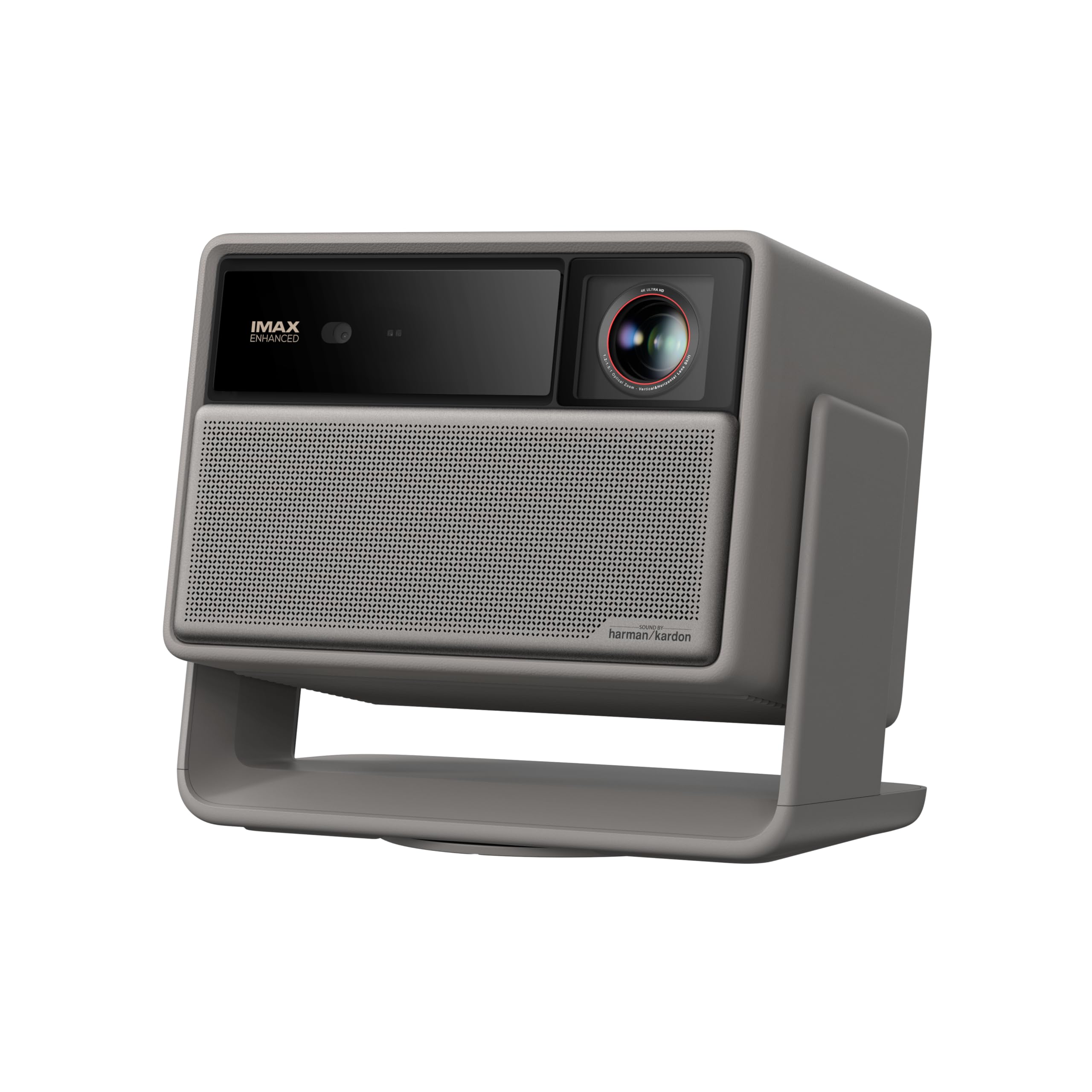
XGIMI Horizon 20 Max

XGIMI Horizon 20 Max

Premium home theater

Our Score 8.6/10
Check Price

Worth Noting

  • Software glitches may cause Disney+ app stuttering or auto focus blurriness in some units
  • Price is significantly higher than competing 4K projectors with similar features
Lens Shift
Vertical & horizontal
ANSI Lumens
5700 ISO
Light Source
Triple laser
Smart Platform
Google TV

The XGIMI HORIZON 20 Max delivers native 4K resolution with a triple laser light source, producing 5700 ISO lumens of brightness that holds up well against ambient light. Colors are vibrant and contrast is deep, making this one of the most visually impressive projectors in this class. The flexible lens shift and optical zoom simplify installation, allowing placement on shelves or ceilings without digital distortion.

This projector is built for home theater purists who prioritize image quality above all else. The tradeoff is a premium price well above competitors like the Epson 3800, and some units have shown software glitches — particularly Disney+ app stuttering and occasional auto focus blurriness. Those quirks may frustrate less patient users but rarely affect the core viewing experience once addressed.

The built-in Harman Kardon speakers provide decent audio for casual viewing, though a dedicated sound system is recommended for serious cinema. Overall, the HORIZON 20 Max excels where it matters most: picture fidelity. The combination of laser brightness and native 4K makes it a standout option for buyers who can look past its imperfections.

Tip: Keep the projector firmware updated to minimize app stuttering, and test auto focus after initial setup.

Bottom line: For buyers who can absorb the high cost and occasional software hiccups, the HORIZON 20 Max delivers a genuinely stunning native 4K image that few competitors match.

3

Optoma HD146X

Optoma HD146X

Budget home theater

Our Score 8.8/10
Check Price

Worth Noting

  • No built-in speakers or streaming platform
  • Fan noise can be distracting in quiet scenes
  • Possible dead pixels or durability concerns after months of use
Lens Shift
No
ANSI Lumens
3600
Light Source
Lamp, 15000 hrs
Smart Platform
None

The Optoma HD146X delivers 3600 ANSI lumens and low input lag, making it one of the brightest 1080p projectors available at a budget-friendly price. The image is sharp with good contrast, and the high light output allows use in rooms with some ambient light — a rare capability in this price range.

For gaming, the responsive input handling and bright picture keep fast-paced action clear and fluid. The fan produces a steady hum that is noticeable during quiet movie scenes, though action sequences and game audio easily mask it. The projector lacks built-in speakers and a smart platform, so an external sound system and streaming device are required — which fits the typical home theater setup.

This model suits gamers who want high brightness and low lag without spending much, as well as home theater users who rely on an external audio system and prioritize lumens over 4K resolution. Some units have shown dead pixels or durability issues after extended use, so verifying warranty coverage is advisable.

Tip: Running the projector in eco mode reduces fan noise and extends lamp life to 15,000 hours, though brightness drops to around 2800 lumens — still suitable for dim rooms.

Bottom line: For budget-minded gamers and home theater users who already have a sound system and can accept fan noise, the HD146X offers exceptional brightness and input lag performance — just confirm the warranty covers potential pixel issues.

4

Epson HC 2350

Epson HC 2350

All-in-one 4K

Our Score 8.0/10
Check Price

Worth Noting

  • Fan noise can be audible during quiet scenes, especially in smaller rooms.
  • Some units may shut off after an hour of operation, a concern for longer movies.
Lens Shift
Vertical
ANSI Lumens
2800
Light Source
Lamp, 4500 hrs
Smart Platform
Android TV

The Epson Home Cinema 2350 sets itself apart in the mid-range 4K projector market by integrating Android TV directly, so you can stream without an extra box. The 2800 lumens deliver a bright enough image for most light-controlled rooms, and the pixel-shifted 4K produces sharp details with accurate color out of the box.

Owners have noted that the fan noise is higher than some alternatives, making itself heard during quiet movie scenes. Additionally, a subset of units may shut off after about an hour of use, a potential issue for anyone planning long viewing sessions. These behaviors are not universal but are worth factoring into a purchase decision.

This projector suits buyers who want a simple, single-device setup and are willing to accept a bit of fan whir and the occasional glitch. If marathon movie nights or dead-silent operation are priorities, the top pick in this guide handles those needs with fewer compromises.

Tip: Running in ECO mode reduces fan noise and extends lamp life, but lowers brightness slightly.

Bottom line: If you value an integrated Android TV experience and can accept a noisier fan plus the risk of intermittent shutdowns, the 2350 offers a capable 4K picture at a reasonable price.

5

Epson HC 980

Epson HC 980

Ultra-bright 1080p

Our Score 9.0/10
Check Price

Worth Noting

  • Single built-in speaker lacks punch; external audio is needed for clear dialogue.
  • Occasional image artifacts or power-off behavior has been noted in some units.
Lens Shift
No
ANSI Lumens
4000
Light Source
Lamp, 6000 hrs
Smart Platform
None

For buyers who prioritize raw brightness over resolution, the Epson HC 980 delivers a crisp 1080p image that stays visible even with curtains open. Its 4000 lumens push past typical home theater projectors, making it a rare option for living rooms or multipurpose spaces. The tradeoff is clear: it lacks 4K and any built-in streaming platform, so an external Roku or Apple TV is required. The single built-in speaker is too weak for movie dialogue, demanding a separate sound system. Placement is also less flexible — no lens shift means ceiling mounting needs precise alignment. A small number of units have exhibited image artifacts or random shutoff, which is worth verifying early.

Tip: Test within return period for any image uniformity or shutoff issues.

Bottom line: Best suited for buyers who already own a streaming device and sound system, and who value high brightness over 4K resolution in a room with windows.

6

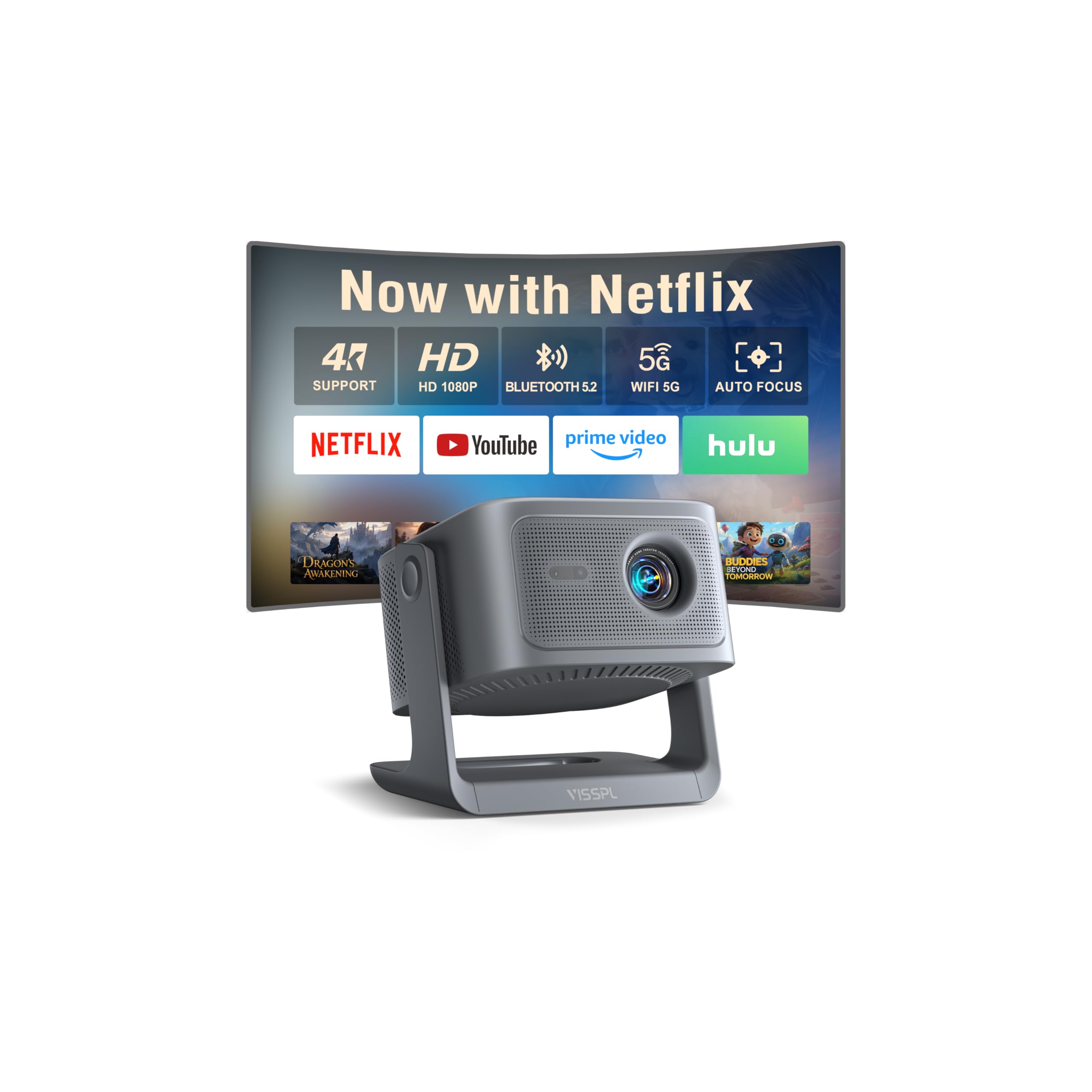
VISSPL A5

VISSPL A5

Early adopters

Our Score 10.0/10
Check Price

Worth Noting

  • Specified brightness and performance have not been verified by customer reports
  • All available feedback is uniformly positive with no detailed negatives, making it difficult to assess real-world durability or quirks.
Lens Shift
ANSI Lumens
2500
Light Source
LED
Smart Platform
None

The VISSPL A5 promises the brightness needed for a dedicated home theater – 2500 ANSI lumens, Dolby 3D Audio, and auto focus – all at a price well below typical models with similar specs. However, the absence of detailed real-world feedback means those claims remain unconfirmed. Every review available is uniformly positive with no breakdown of strengths or weaknesses, which raises a caution flag for buyers who prefer to know what trade-offs exist before purchasing.

Bottom line: For buyers who can test the unit in person or rely on a generous return policy, the VISSPL A5 is a potential bargain – otherwise, the lack of verified customer input makes it a risky bet for a permanent home theater setup.

7

Epson LS11000

Epson LS11000

Dedicated theater AV

Our Score 8.6/10
Check Price

Worth Noting

  • No built-in speakers or smart platform
  • Some units may develop laser or power issues within the first few months of use.
Lens Shift
Motorized, full
ANSI Lumens
2500
Light Source
Laser, 20000 hrs
Smart Platform
None

The Epson LS11000 delivers a sharp, bright 4K image with accurate colors and smooth motion, supported by a quiet laser light source rated for 20,000 hours. The motorized lens with generous zoom and shift makes installation forgiving in rooms with less-than-ideal ceiling mounts or screen placements. However, its position in this guide is tempered by two limitations: the projector has no built-in speakers or smart platform, so dedicated theater owners will need an external AV receiver and streaming device anyway — that’s expected in this use case. The larger concern is that a number of units have shown signs of premature failure, with reports of lasers ceasing to function or the projector becoming unresponsive within a few months. Combined with a premium price, this makes the LS11000 a higher-risk alternative to the Epson 3800, which offers similar image quality and better long-term track record for less money.

Bottom line: Suited for buyers who prioritize laser image quality and motorized lens adjustability and are comfortable managing a separate AV stack and accepting a possibility of early repair needs.

How to Choose

Real ANSI Lumens

ANSI lumens are the industry standard for measuring projector brightness. Many budget models advertise '3000 brightness level' but that is not ANSI - true output is often under 1000 lumens. For a dedicated home theater with some ambient light, you need at least 2000 ANSI lumens. In a fully darkened room, 1500 can work, but 2000+ ensures a punchy image with HDR content.

The trade-off: higher brightness usually means a lamp-based projector with shorter lifespan and more fan noise. Laser projectors offer high brightness with long life and quieter operation, but cost significantly more. Always check the ANSI rating in the specs, not the marketing name.

Native Resolution

Native 4K (3840x2160) projectors deliver true full 4K resolution without any pixel shifting, but they are expensive. More common are pixel-shifted 4K projectors (like Epson's '4K PRO-UHD') which use a 1080p chip with rapid shifting to simulate 4K. At normal viewing distances, the difference is minimal, and pixel-shifted models cost half as much.

The hidden trade-off: pixel-shifted projectors can show slight artifacts on fine text or patterns. Native 4K avoids this but often sacrifices brightness or contrast at the same price point. For movies, pixel-shifted 4K is excellent; for PC desktop use, native 4K is preferable.

Color Technology

The two main technologies are 3LCD (used by Epson) and DLP (used by Optoma, XGIMI, and most others). 3LCD avoids the 'rainbow effect' - brief flashes of color that some people see in DLP projectors during fast motion. DLP typically offers higher contrast and deeper black levels, but the rainbow effect is a dealbreaker for sensitive viewers.

The mechanism: DLP uses a spinning color wheel that can cause sequential color flashes; 3LCD uses three separate LCD panels for simultaneous color, eliminating the rainbow artifact. Test both before buying if you are sensitive to this effect. In a dedicated dark room, DLP's better black levels may be more noticeable.

Lens Shift and Zoom

Lens shift allows you to move the image vertically or horizontally without moving the projector itself. Manual shift is common on mid-range models; motorized shift is a luxury feature on high-end projectors. A projector without lens shift requires precise placement - if it's not dead center, you get trapezoid distortion that keystone correction can fix but at the cost of image quality.

The real-world consequence: if you plan to ceiling-mount the projector, lens shift saves hours of alignment. Models with only vertical shift (like the Epson 3800) are manageable. Full motorized shift (like the LS11000) offers ultimate flexibility but adds cost. Without lens shift, expect to place the projector exactly in the center of the screen.

Built-in Smart Platform

Many projectors now include Android TV, Google TV, or VIDAA, eliminating the need for an external streaming stick. This saves an HDMI port and keeps the setup clean. However, built-in smart platforms can be slower than dedicated streaming devices and may not receive updates as quickly.

The trade-off: a projector with a built-in smart platform is convenient but may become outdated in a few years. If you already own a Fire Stick or Apple TV, a 'dumb' projector with better picture quality is often the smarter choice. For simplicity, models like the Epson 2350 offer a decent Android TV experience.

Frequently Asked Questions