TVs & Video

8 Best 75 Inch TV of 2026: Find Your Perfect Large-Screen Match

Which 75-inch TV actually delivers the right balance of picture quality, refresh rate, and reliability for your room and budget?

The 75-inch TV market is a battlefield of competing specs and prices. Hisense and TCL pack Mini LED and high refresh rates into sub-$1000 sets, while Samsung and Sony rely on polish and processing. The catch: many budget-friendly models trade software stability and long-term reliability for headline numbers.

Your choice comes down to usage. For casual streaming and cable, a 60Hz LED set often works fine. For gaming, sports, or bright rooms, you need 120Hz+, Mini LED backlighting, and anti-glare. This guide focuses on the models that deliver the right performance for your specific needs without hidden compromises.

Rather than chasing the biggest spec sheet, we help you match a TV to your viewing habits and tolerance for quirks like sluggish interfaces or thin sound. That approach leads to a satisfying purchase — not a regret after the return window closes.

1

TCL QM6K 75"

Top Pick
TCL QM6K 75"

Gamers & sports

Our Score 8.8/10
Check Price

Worth Noting

Backlight
Mini LED QLED
HDR Support
Dolby Vision, HDR10+
Refresh Rate
144 Hz Native
Smart Platform
Google TV

The TCL QM6K brings Mini LED backlighting and QLED color to a 75-inch panel at a mid-range price, delivering strong contrast and brightness that works well in both dim and moderately lit rooms. The 144Hz native refresh rate keeps sports and action games fluid, while integrated ONKYO speakers produce clear sound that spares many buyers from an immediate soundbar upgrade.

In practice, the local dimming handles dark scenes with minimal blooming for a set in this class, and the 144Hz panel supports VRR and low input lag for competitive gaming. The built-in audio is robust enough for everyday viewing, though the deepest bass requires an external subwoofer. Motion clarity stays consistent across fast pans and quick cuts, which benefits both sports fans and gamers.

This TV suits gamers who want high refresh rate performance without jumping to a premium brand, sports fans who prioritize smooth motion, and general home theater buyers seeking bright HDR at a reasonable cost. A small number of units may not power on or develop glitches early, and the stand can cause a slight lean on some surfaces — buyers who want zero risk can pair it with an extended warranty or a wall mount. Those who cannot accept any reliability variance should consider alternatives with a longer track record.

Bottom line: The TCL QM6K delivers the most balanced package of picture quality, gaming specs, and audio in the 75-inch mid-range – just budget for a wall mount or warranty to address the occasional early glitch and stand lean.
2

Samsung U8000H 75"

Samsung U8000H 75"

Budget buyers

Our Score 9.0/10
Check Price

Worth Noting

  • Built-in speakers lack depth and can sound thin, especially at higher volumes
  • Minimalist remote with few dedicated buttons may require more menu navigation
Backlight
LED
HDR Support
HDR10+
Refresh Rate
60 Hz
Smart Platform
Tizen

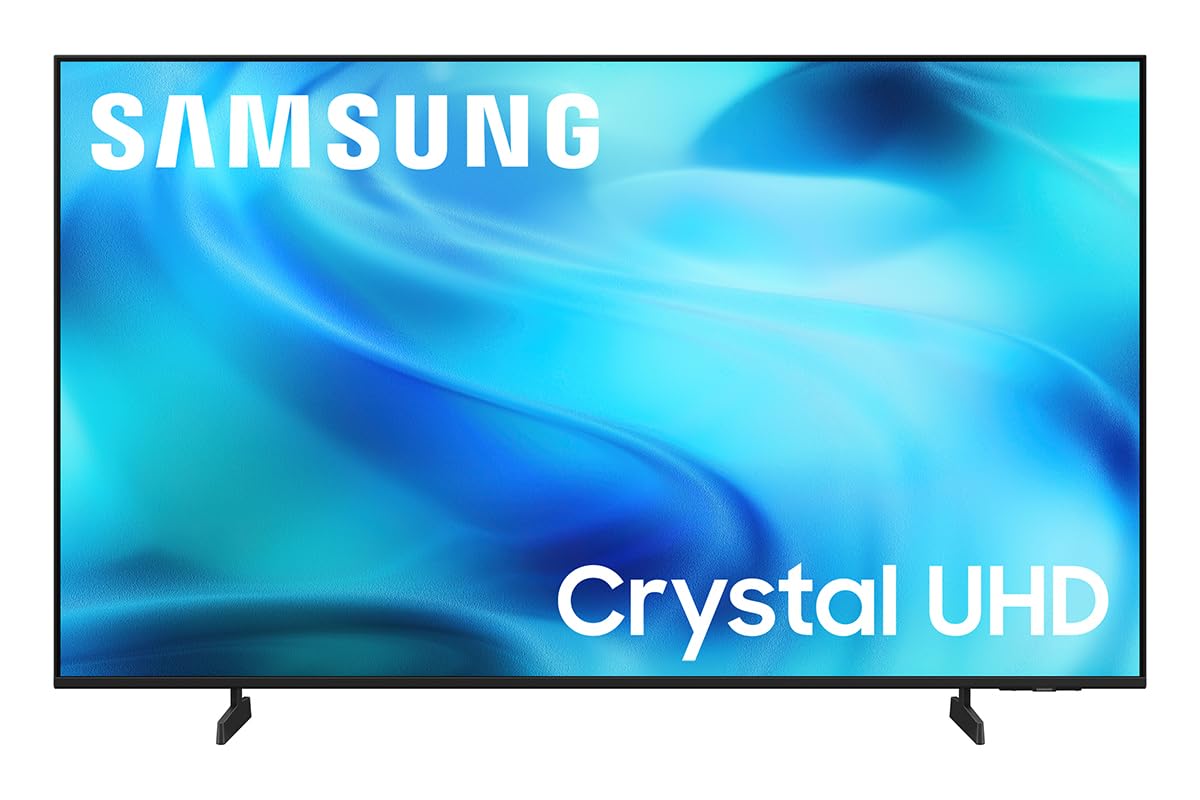
While budget-priced 75-inch TVs often come with unpredictable software behavior, the Samsung U8000H keeps things simple with its Tizen OS and solid 4K LED panel. The picture quality holds its own against pricier sets, offering vivid colors and good contrast for a standard LED display.

This TV suits buyers who want a large screen for casual viewing—movies, news, streaming—without chasing the latest specs. The 60Hz panel is fine for standard content, and the built-in sound is workable at moderate volumes. For a secondary bedroom or guest room, it fits the bill. If you need high refresh rates for gaming or deeper audio, look to the top pick with Mini LED and 144Hz support.

At this price point, the U8000H delivers a no-fuss 4K experience with Samsung's typical build quality. The color reproduction is especially impressive for an entry-level set, making it a strong contender for budget-conscious shoppers.

Tip: A universal remote or the SmartThings app can simplify control if the minimalist remote proves frustrating.

Bottom line: The Samsung U8000H is the right choice for anyone who wants a large, no-fuss 4K TV without the software headaches of ultra-budget sets, as long as high refresh rates and rich audio aren't priorities.

3

Hisense U7SG 75"

Hisense U7SG 75"

Competitive gamers

Our Score 8.8/10
Check Price

Worth Noting

  • Long-term reliability under extended use is not yet verified, so peace of mind comes with time
Backlight
Mini LED QLED
HDR Support
Dolby Vision IQ, HDR10+ Adaptive
Refresh Rate
165 Hz Native
Smart Platform
Google TV

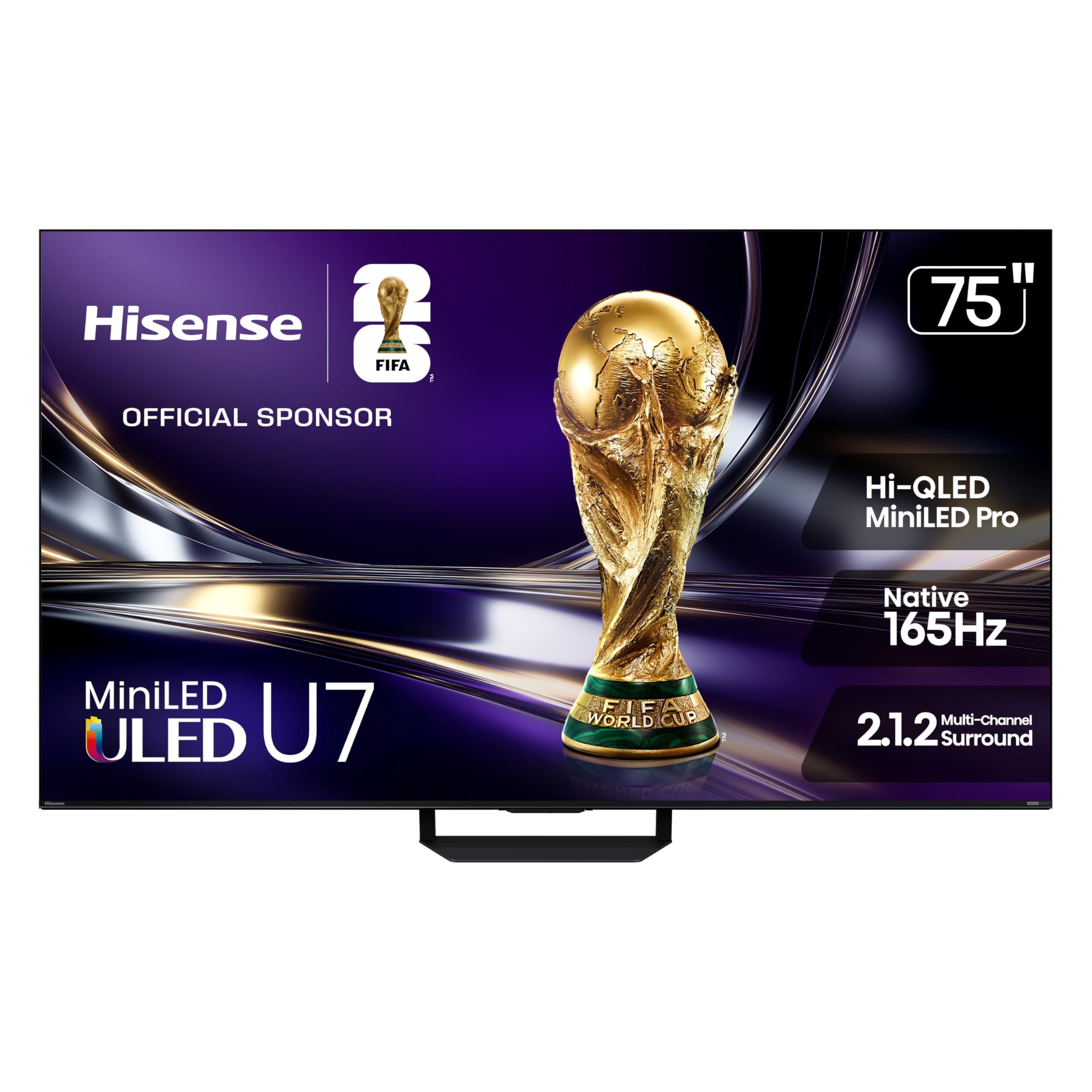
With a native 165Hz refresh rate and Mini LED backlighting, this 75-inch TV targets gamers who want smooth motion and high brightness without the flagship price tag. The top pick in this roundup, the TCL QM6K, maxes out at 144Hz but has a much larger user base backing its reliability.

Picture quality delivers vivid colors and deep blacks thanks to the Mini LED array, making HDR content pop in both dark and bright scenes. The built-in 2.1.2 channel sound system provides clear audio that works well for most viewers, reducing the need for an external soundbar. The anti-glare screen also helps maintain contrast in sunlit rooms.

This TV suits gamers who prioritize high refresh rates and bright room viewing, and who are comfortable with a newer model's track record. For buyers who want a proven long-term investment, the TCL QM6K offers more peace of mind.

Bottom line: Best suited for early adopters who want top-tier gaming specs at a mid-range price, with the understanding that its durability is still unproven compared to more established models.

4

Sony BRAVIA 3 75"

Sony BRAVIA 3 75"

Movie enthusiasts

Our Score 8.8/10
Check Price

Worth Noting

  • Some units may not power on initially and require a power cycle or replacement
  • WiFi can drop intermittently during streaming, especially in larger setups
Backlight
LED
HDR Support
Dolby Vision, HDR10, HLG
Refresh Rate
60 Hz
Smart Platform
Google TV

Sony's X1 processor gives the BRAVIA 3 an edge in upscaling lower-resolution content and reproducing accurate colors, outperforming many mid-range competitors in these specific areas. Build quality is solid, and the TV handles Dolby Vision content with a natural, film-like presentation that movie enthusiasts will appreciate.

This TV is built for home theater fans who prioritize image fidelity over gaming features or broad smart-TV polish. However, some units have been known to refuse power on or drop WiFi connections during streaming sessions, so it's best suited for buyers comfortable with occasional troubleshooting or a wired Ethernet connection.

At a mid-range price, the Sony delivers processing that typically costs more, making it a strong value for its core strength — if you're willing to accept the potential for early hiccups. The included Dolby Vision and solid HDR support further reinforce its movie-first identity.

Tip: Using a wired Ethernet connection bypasses WiFi drop issues if you rely on streaming services.

Bottom line: For movie enthusiasts who value accurate processing above all else, the Sony BRAVIA 3 is a strong contender — just be prepared for the possibility of early connectivity or power glitches.

5

Hisense CanvasTV 75"

Hisense CanvasTV 75"

Design-focused

Our Score 9.0/10
Check Price

Worth Noting

  • Premium-priced for the given feature set
  • Art mode does not allow uploading personal photos, limiting customization
Backlight
QLED
HDR Support
Dolby Vision, HDR10+
Refresh Rate
144 Hz
Smart Platform
Google TV

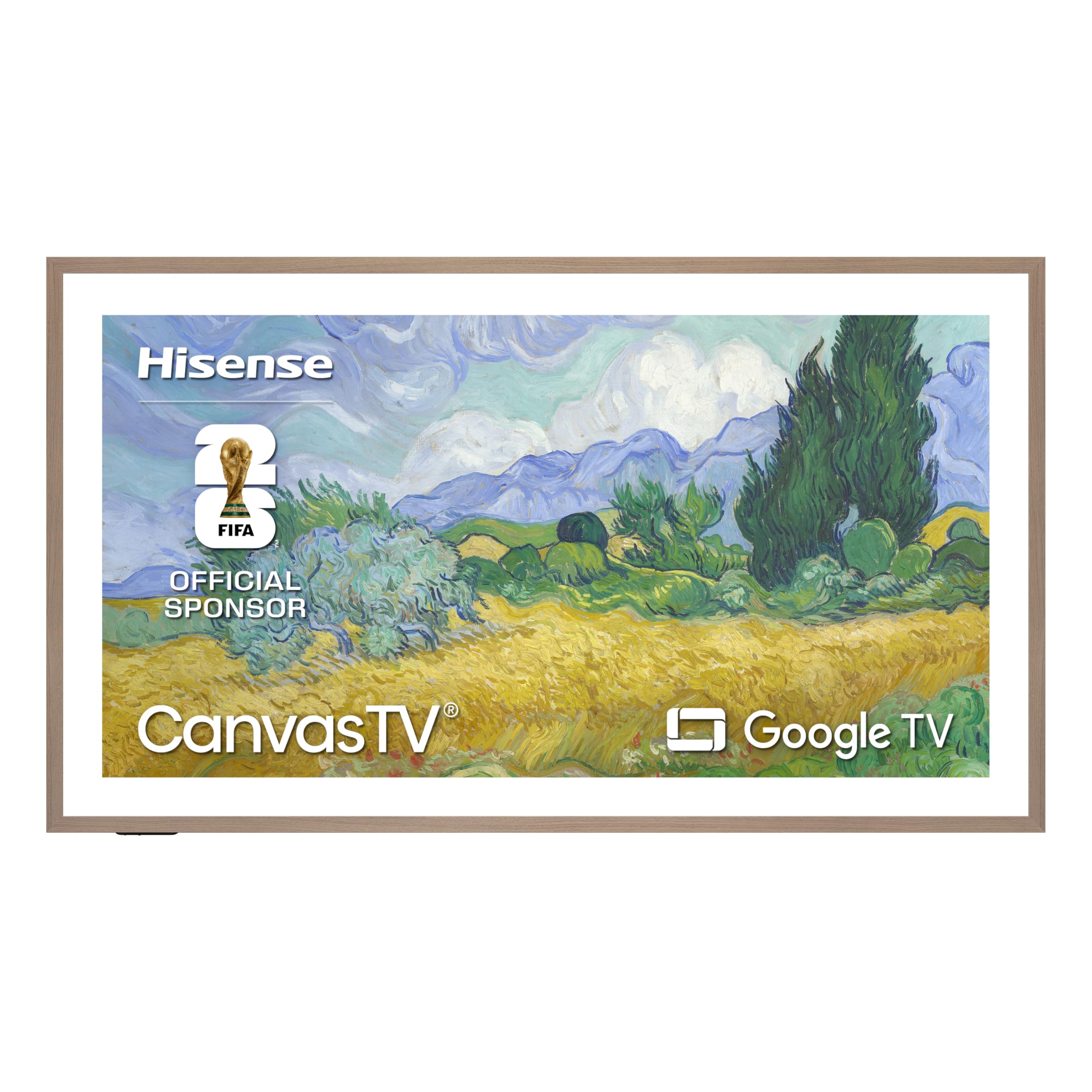
The Hisense CanvasTV's matte display and included frame transform it into a piece of wall art when not in use, a design trick that sets it apart from the gaming-focused alternatives in this price bracket. Its anti-glare screen handles bright rooms well, and the flush wall mount creates a clean profile.

Picture quality is solid for a QLED with good color vibrancy and clarity, though it doesn't match Mini LED models in contrast. The art mode offers thousands of curated works, making the TV a natural fit for living rooms where it remains visible even when off.

This TV is ideal for design-conscious buyers who prioritize aesthetics over raw performance. However, the inability to upload personal photos to the art gallery limits personalization, and the premium pricing reflects the lifestyle focus rather than cutting-edge specs.

Bottom line: The CanvasTV is a stylish living room piece for those who want their TV to double as decor, but its premium cost and lack of personal photo support mean it's not for everyone.

6

TCL T7 75"

TCL T7 75"

Budget gamers

Our Score 8.8/10
Check Price

Worth Noting

  • Random shutdowns or freezing can interrupt viewing in some cases.
  • Certain USB drives may not be recognized for media playback.
Backlight
QLED
HDR Support
Dolby Vision, HDR10+
Refresh Rate
144 Hz
Smart Platform
Google TV

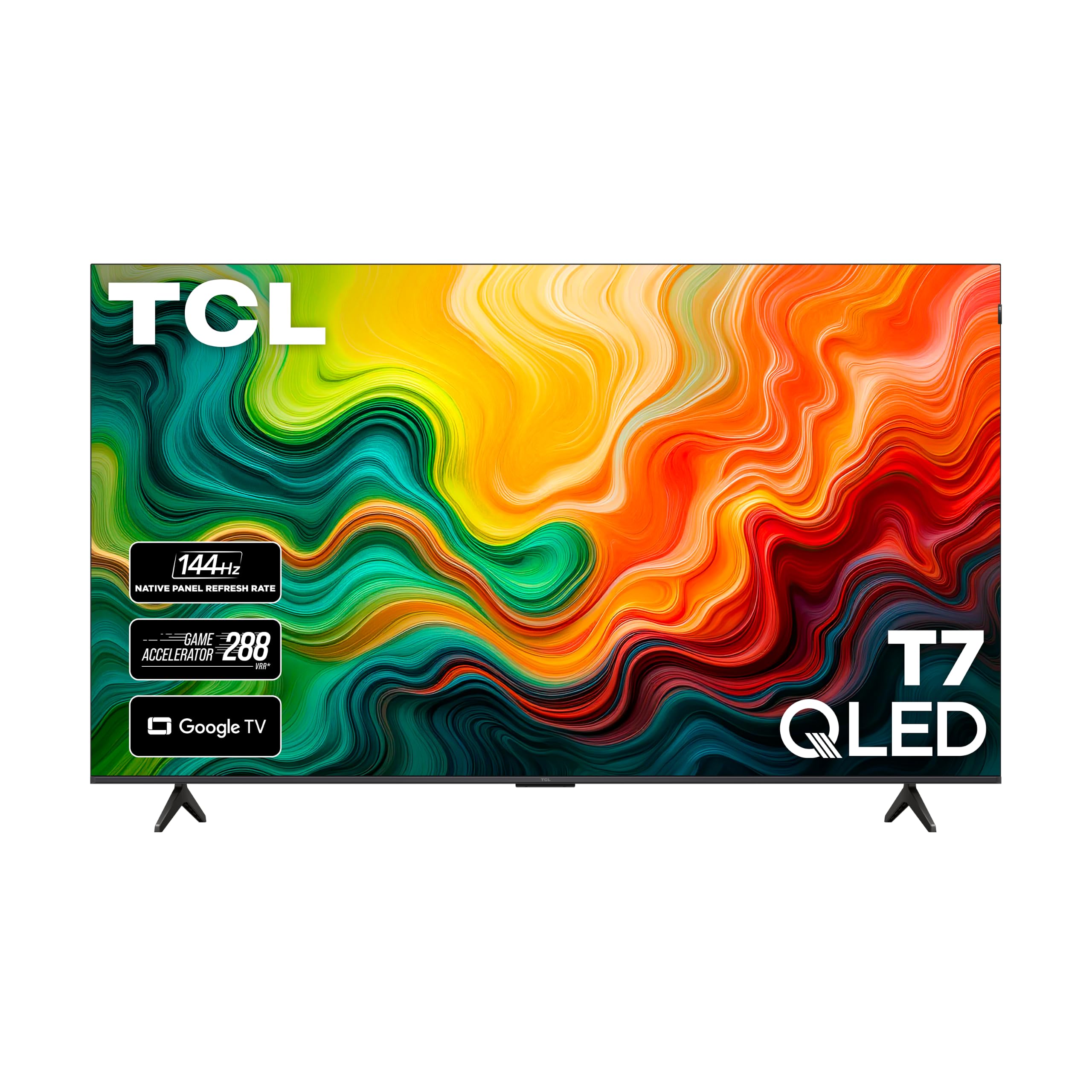
The TCL T7 delivers a sharp, colorful 4K picture with a 144Hz refresh rate that suits budget gaming. Its picture quality doesn't match the refinement of Mini LED models like the QM6K, and occasional shutdowns or freezing can happen. USB media playback may also be inconsistent with some drives. The vibrant QLED panel and Google TV interface make daily use pleasant. These quirks are manageable in a secondary gaming room but less ideal for a primary living room where consistency matters. This is a strong budget choice for gamers seeking high frame rates without Mini LED.

Bottom line: Best for budget gamers who want 144Hz and can accept occasional quirks, or as a secondary TV where reliability is less critical.

7

Toshiba Z670 75"

Toshiba Z670 75"

Mid-range buyers

Our Score 8.8/10
Check Price

Worth Noting

Backlight
Mini LED QLED
HDR Support
Dolby Vision IQ, HDR10+ Adaptive
Refresh Rate
144 Hz
Smart Platform
Fire TV

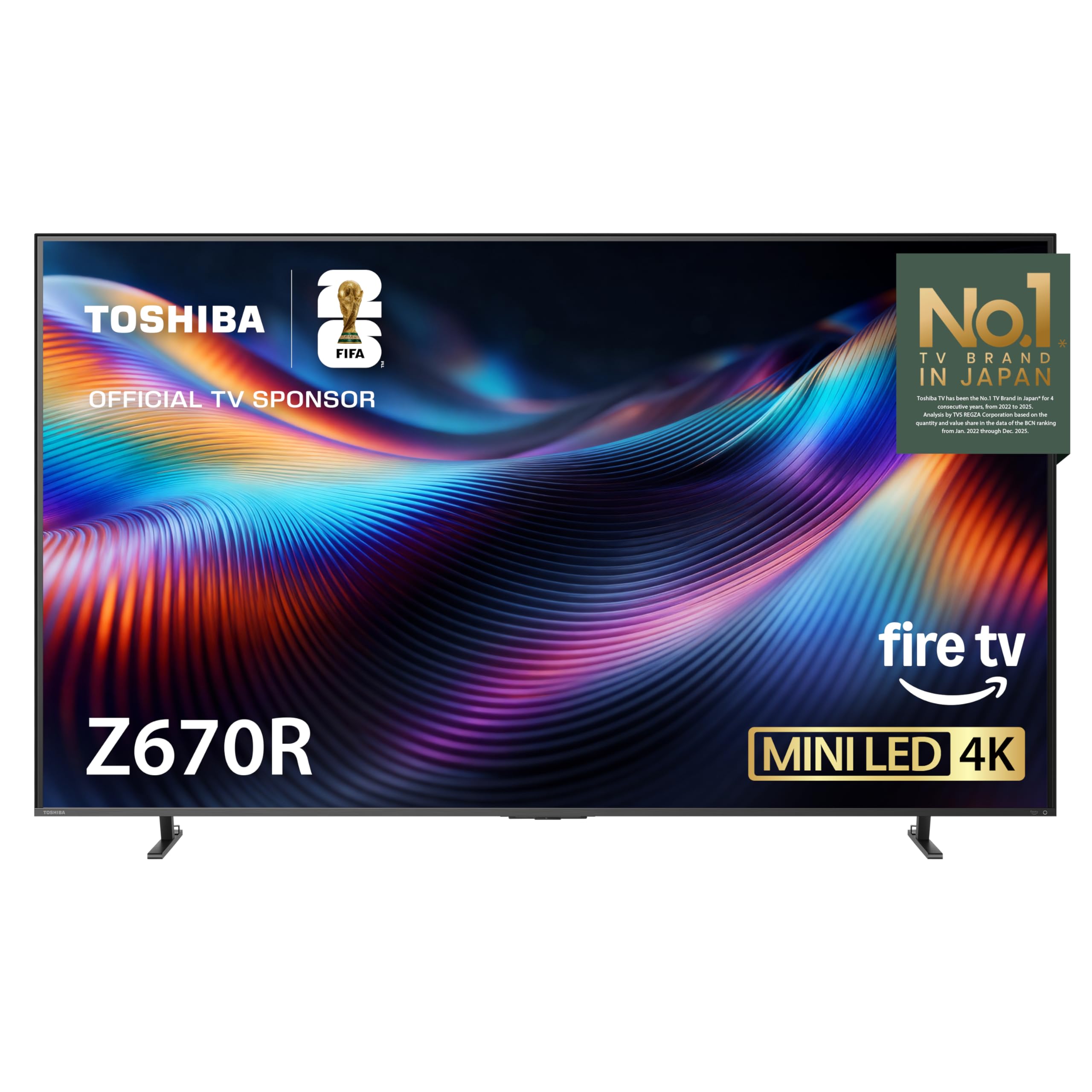
The Toshiba Z670 offers impressive contrast and color from its Mini LED backlight, supported by a built-in bass woofer that fills a medium room. Setup is quick and the Fire TV interface responds snappily to commands. Buyers who prefer a more established smart TV platform or need extensive community feedback may find this a less familiar choice, but for those open to a Japanese engineering pedigree, it delivers strong performance at a competitive price.

Bottom line: A solid mid-range pick for 144Hz Mini LED gaming and streaming, best for shoppers willing to try a newer model from a storied brand.

8

Samsung QN90D 75"

Samsung QN90D 75"

Brand loyalists

Our Score 8.8/10
Check Price

Worth Noting

  • Blooming around bright objects on dark backgrounds can be visible in darker viewing environments.
  • Some units may become nonfunctional after extended use, a concern at this premium price point.
Backlight
Neo QLED (Mini LED)
HDR Support
HDR10+, HLG
Refresh Rate
120 Hz (144Hz)
Smart Platform
Tizen

The Samsung 75-inch Neo QLED 4K QN90D delivers impressive brightness and near-3D picture depth, with a premium build and good built-in sound that makes it a strong contender for bright living rooms. However, its luxury price sits above sets with similar real-world performance, and it comes with occasional blooming in high-contrast scenes as well as the possibility of units becoming nonfunctional after extended use. These tradeoffs are harder to accept when spending this much.

Bottom line: Best suited for Samsung loyalists who need maximum brightness in a bright room and are comfortable accepting the risk of occasional blooming and potential unit issues given the premium cost.

How to Choose

Refresh Rate

A 60Hz panel refreshes the image 60 times per second. This is fine for movies, news, and streaming shows, where motion is standardized at 24 or 30 frames per second. But when you connect a game console or watch fast-moving sports, 60Hz can leave a blurry trail or introduce judder.

120Hz and 144Hz panels display each frame more fluidly, reducing motion blur and making gameplay feel more responsive. For competitive gaming, 144Hz or 165Hz (like the Hisense U7SG) provides a measurable advantage in reaction time. If you don't game or watch sports, the extra cost for a high-refresh panel is unnecessary.

Backlight Technology

Standard LED backlighting lights the entire screen uniformly, which means dark scenes appear grayish because the backlight can't dim selectively. Mini LED divides the backlight into hundreds of zones, allowing deep blacks next to bright highlights — essentially the closest you can get to OLED without the price premium.

QLED uses a quantum dot layer to boost color volume and brightness, but without Mini LED zone control, blacks still suffer from bloom. A genuine Mini LED QLED TV combines the best of both: rich colors and high contrast. For a living room with windows, prioritize Mini LED with at least 100+ dimming zones to control glare.

HDR Support

HDR (High Dynamic Range) expands the range between the brightest whites and darkest blacks. Dolby Vision is the most advanced format, using dynamic metadata to optimize each scene frame-by-frame. HDR10+ is similar but less widely adopted, and standard HDR10 is the baseline with static metadata.

If you regularly stream from Netflix, Disney+, or watch 4K Blu-rays, Dolby Vision support ensures you get the best possible picture. HDR10+ is common on Samsung and some Hisense sets, but Sony and TCL's Dolby Vision support gives them an edge for home theater. For casual viewing, any HDR format improves picture noticeably over SDR.

Smart Platform

The smart TV platform controls how fast the interface loads, how often apps are updated, and whether you'll see ads. Google TV and Tizen (Samsung) offer the largest app libraries and frequent updates. Fire TV (Amazon) is fast at launch but can become sluggish over time due to storage and caching issues.

Choose Google TV if you value a clean interface with good voice search and Chromecast built-in. Pick Tizen if you prefer Samsung's ecosystem and fewer ads. Avoid budget Fire TV models unless you're comfortable with periodic lag and potential need for a streaming stick down the road.

Audio System

Most 75-inch TVs have built-in speakers that sound thin and lack bass for a setup of this size. Even models with 'Dolby Atmos' branding rarely produce convincing overhead effects from the TV's own drivers. The physical limitations of a flat panel make deep, room-filling sound impossible.

For a satisfying experience, factor in at least a basic soundbar. Models with a built-in subwoofer (like the Hisense U6 Pro or TCL QM6K) provide passable bass for casual viewing, but an external 2.1 or 3.1 system will transform movies and gaming. Set aside $150-$300 for audio if you value immersive sound.

Frequently Asked Questions